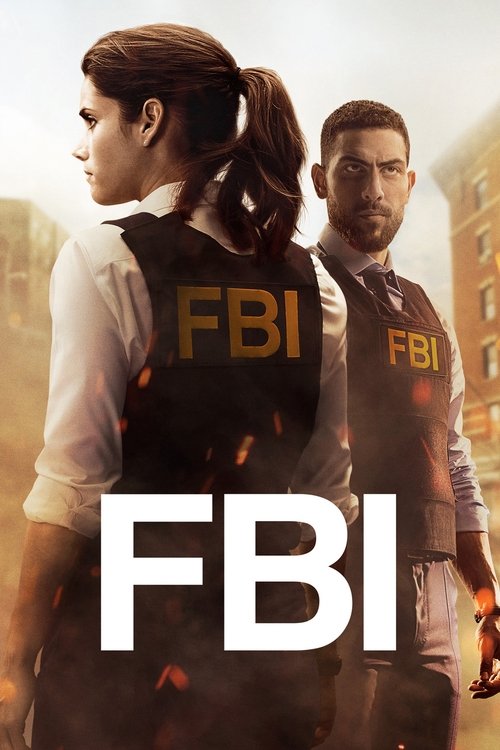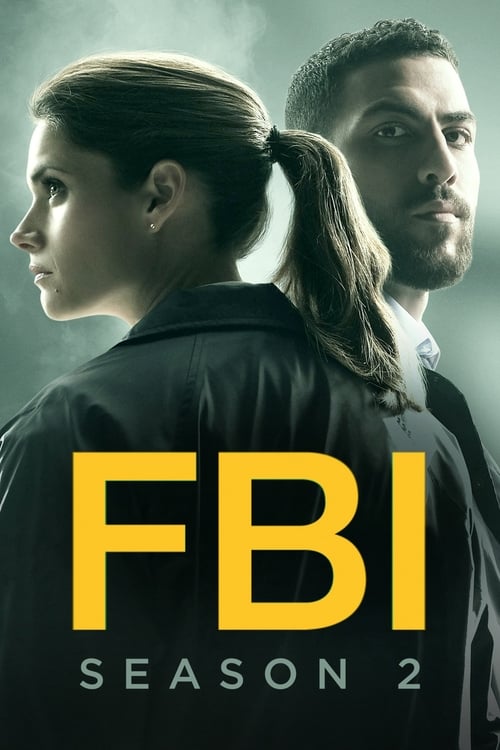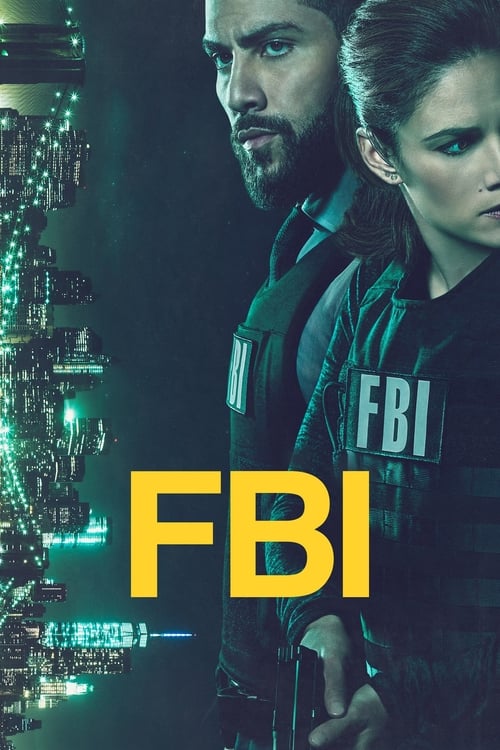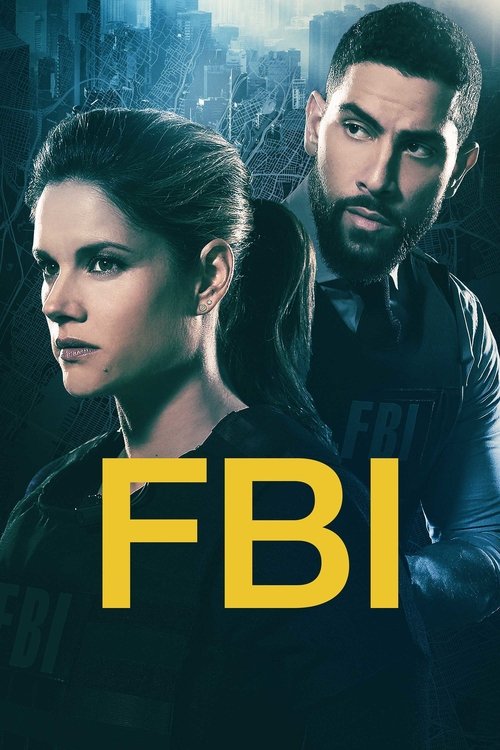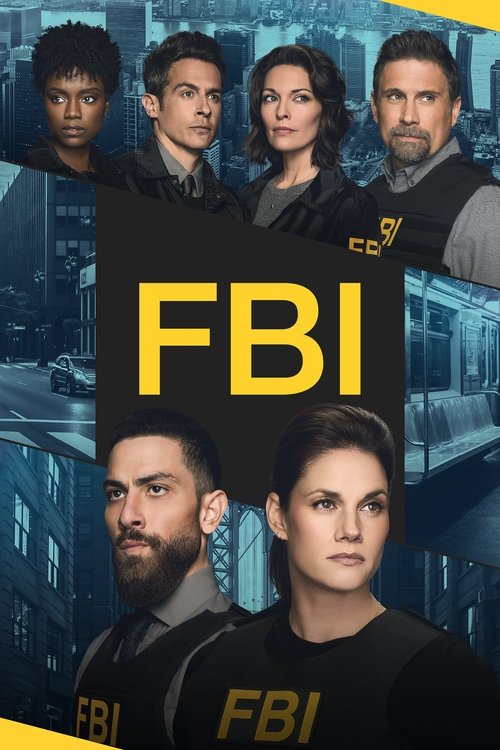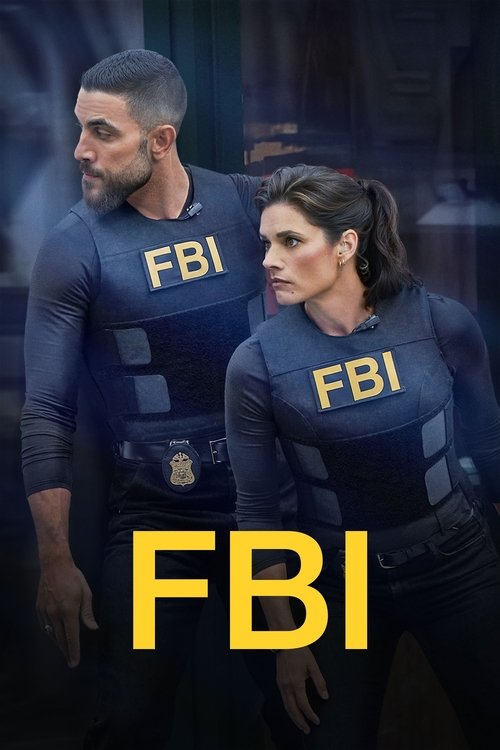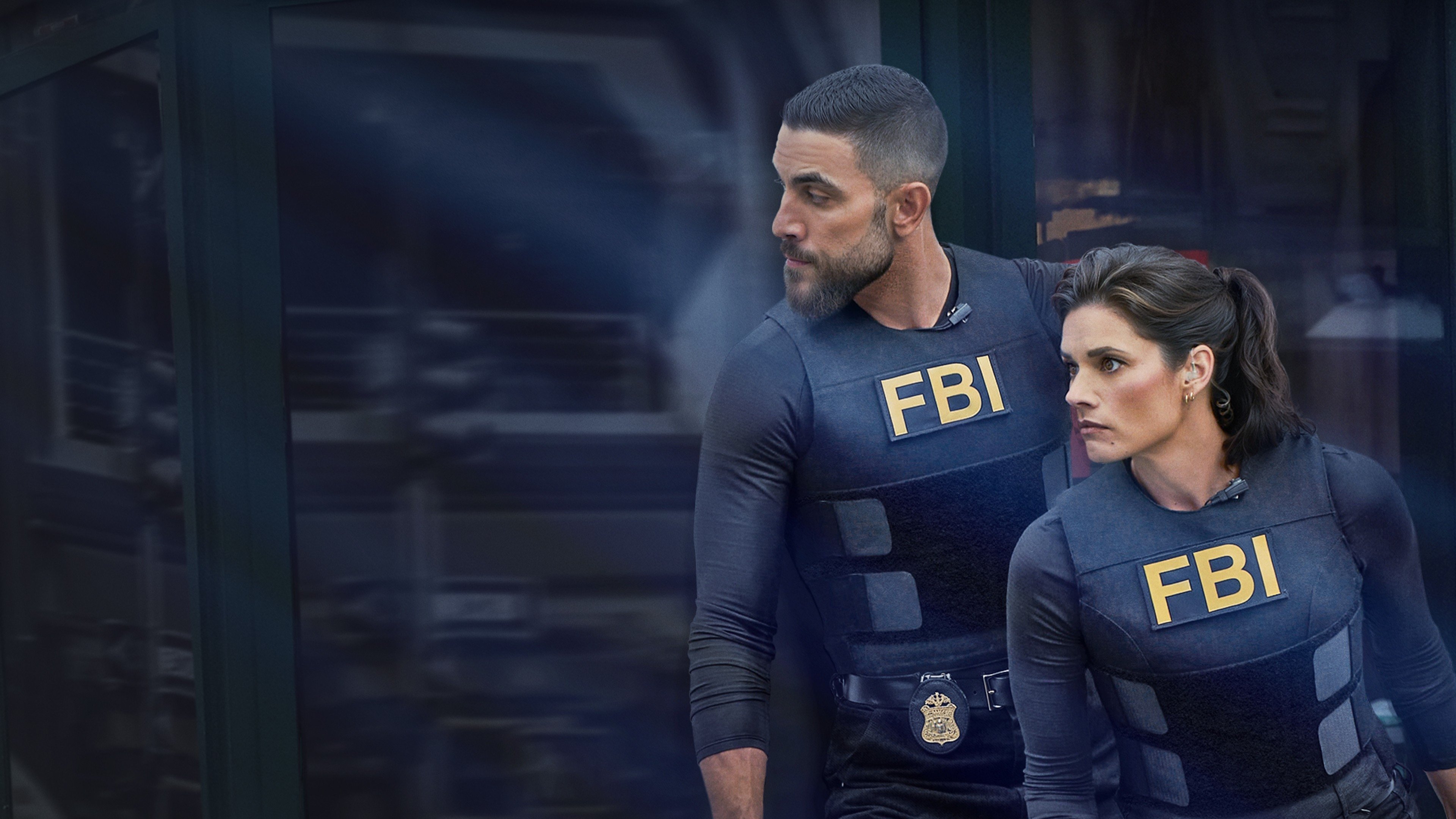
When FBI debuted on CBS back in September 2018, it arrived as part of Dick Wolf’s crime drama empire—a proven formula, sure, but one that clearly still had plenty of stories left to tell. What made this particular entry stand out, though, wasn’t just its pedigree or its slot in the network’s lineup. The show tapped into something audiences were actively craving: a procedural that felt urgent and grounded, one that could balance serialized character development with the satisfying closure of week-to-week cases. Over eight seasons and 146 episodes, FBI has proven itself to be exactly the kind of show that sticks around because it understands what keeps people invested—not just in the cases, but in the people solving them.
The show’s significance lies partly in how it revitalized the crime procedural at a moment when many thought the format was exhausted. Networks had tried countless variations, but FBI and its creative team understood that audiences still wanted the ritualistic satisfaction of watching professionals do their jobs well. The series found its footing by refusing to oversimplify its characters—these agents have flaws, conflicting motivations, and personal lives that complicate their work. That humanity became the show’s secret weapon, earning it a solid 7.9/10 rating from audiences who appreciated the blend of action, investigation, and genuine character moments.
> The beauty of FBI is that it respects both the procedural format and the people navigating it—a balance that’s harder to strike than it seems.
The viewership journey tells an interesting story about television consumption itself. Season 1 started with over 750,000 viewers in the key demographic, but what’s notable isn’t the decline in raw numbers across subsequent seasons—that’s expected in today’s fragmented viewing landscape. What matters is that the show retained a dedicated audience across streaming platforms like Paramount+, fuboTV, Apple TV, YouTube TV, and Philo, transforming from a traditional broadcast hit into something more resilient and sustainable. The show’s current status as a Returning Series speaks to its endurance, not because it commands the same raw viewership as premium dramas, but because it built something loyal.
The creative vision from Dick Wolf and Craig Turk shaped a show that could operate on multiple levels simultaneously. The procedural elements—the crime solving, the investigative techniques, the courtroom implications—provide structure and momentum. But wrapped around that framework is a more character-driven narrative about ambition, integrity, and what happens when personal and professional priorities collide. Characters like Missy Peregrym’s Maggie Bell became anchors for audiences, evolving across seasons in ways that felt earned rather than forced.
The show’s approach to storytelling also reflects how modern crime dramas needed to evolve. Rather than relying solely on the Unknown runtime of individual episodes to tell whatever story they wanted, FBI developed a narrative architecture where episodes could breathe differently. Some weeks prioritized action and immediate resolution; others allowed mysteries to sprawl, creating tension that stretched beyond a single night’s viewing. This flexibility kept the formula feeling fresh across 146 episodes—no small feat in an era where formula fatigue is real.
What’s particularly impressive is how the show maintained relevance by tackling cases that reflected contemporary anxieties:
- High-profile crimes that dominated headlines but demanded deeper investigation
- Cases involving technology, cybercrime, and modern criminal networks
- Stories that examined privilege, corruption within institutions, and moral ambiguity
- Episodes exploring how personal bias affects professional judgment
These thematic choices prevented FBI from feeling like a relic of procedural television. Instead, each season’s cases arrived with urgency because they felt connected to the world audiences were actually living in.
The cultural footprint of FBI might be quieter than some prestige dramas, but it’s been consistent and meaningful. The show generated the kind of word-of-mouth that keeps people recommending it to friends and family—not as “prestige television” with all the gatekeeping that term implies, but as solidly made entertainment that respects its audience’s intelligence. Iconic moments emerged: cases that twisted expectations, character moments that deepened relationships, and investigations that lingered in viewers’ minds long after the credits rolled.
The lasting achievement here is subtler than critics sometimes acknowledge. In an industry obsessed with reinvention and breaking conventions, FBI succeeded by being genuinely good at what it does. The show understood that audiences don’t need every police procedural to be experimental—sometimes they need a show that executes its premise with professionalism and heart. That’s not settling for mediocrity; that’s mastering a craft.
Across its eight-season run, FBI became appointment television for millions of viewers who appreciated smart writing, compelling cases, and characters who evolved with intention. It built a universe that expanded to include spinoffs and crossovers, creating a kind of interconnected FBI universe on CBS that deepened the mythology. But the original series remained the anchor—the show that proved Dick Wolf’s instincts about what audiences wanted were still sharp.
If you’ve been sleeping on FBI, it’s worth revisiting, especially if you thought crime procedurals had nothing left to offer. Whether you’re streaming on Paramount+, catching up through Apple TV, or watching live, the show’s seven-point-nine rating reflects genuine quality rather than hype-driven enthusiasm. It’s the kind of show that gets better with binge-watching—where character arcs and case complexity accumulate into something genuinely satisfying.