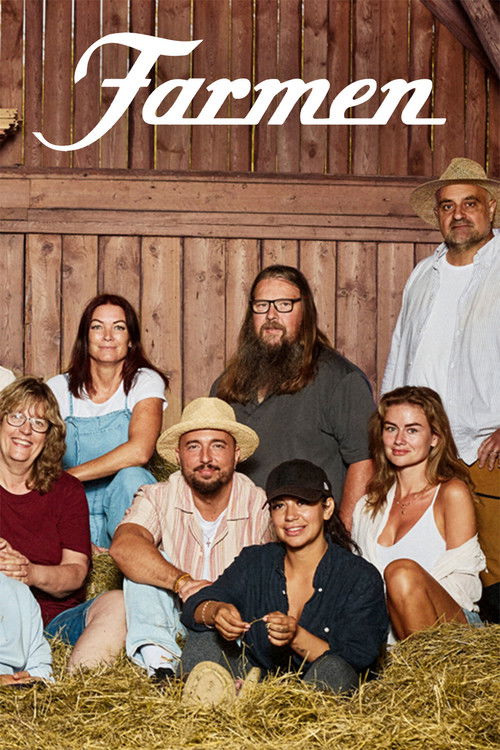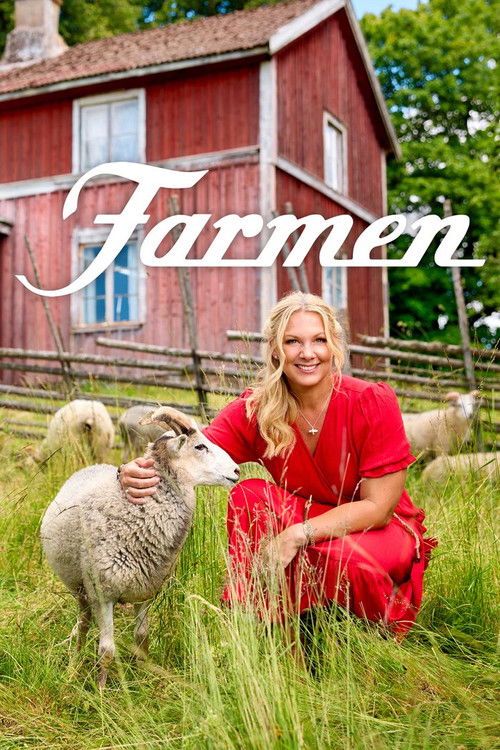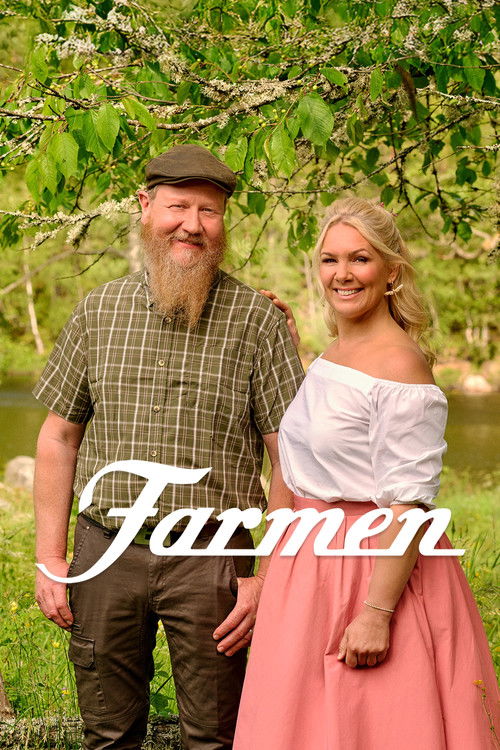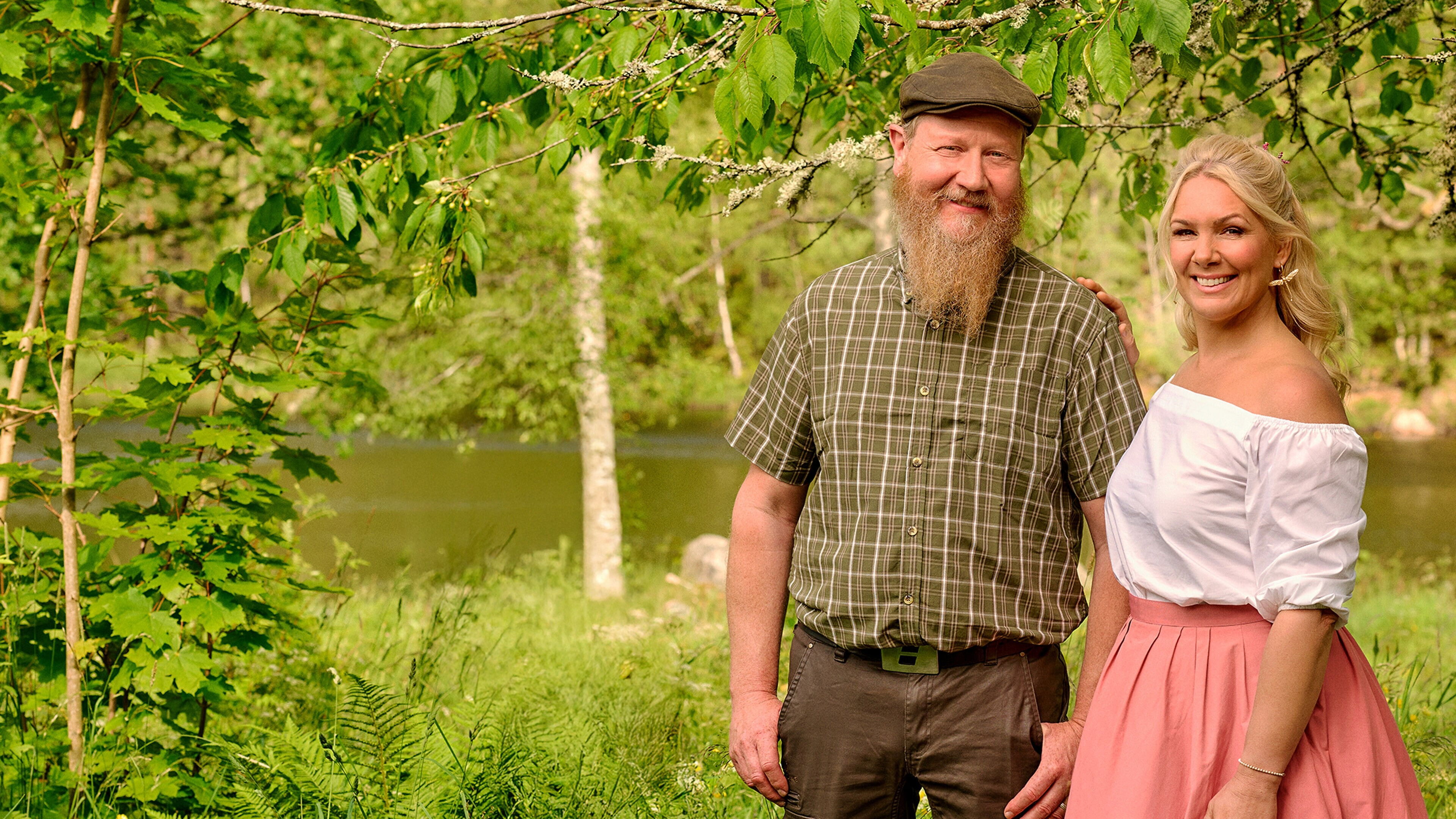
When Farmen debuted on TV4 in September 2001, it arrived at a pivotal moment in television history. The reality genre was still finding its footing, experimenting with different formats and premises to capture audiences looking for something rawer and more unpredictable than scripted drama.
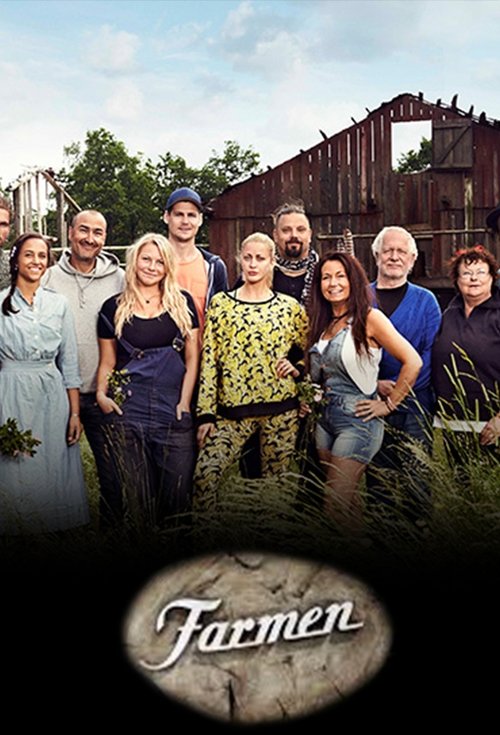
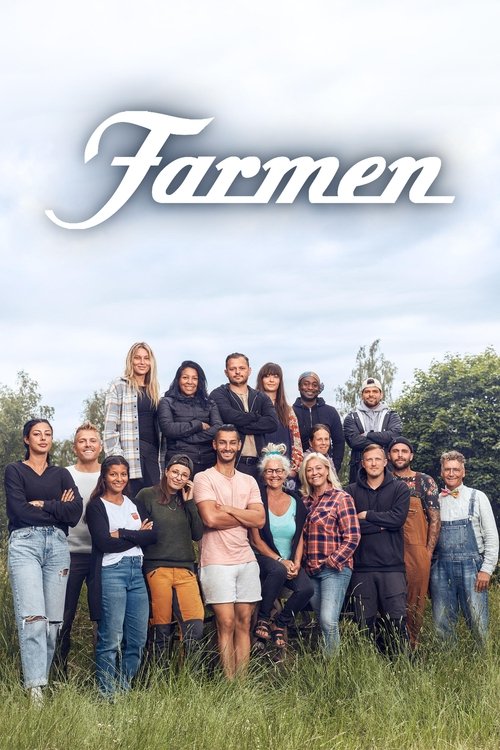
What the show’s creators envisioned was deceptively simple yet remarkably ambitious: take twelve strangers—six men and six women—strip away modern conveniences like electricity and running water, and observe what happens when civilized people are forced to survive as farmers without the safety net of technology. It sounds like a gimmick, but Farmen understood something fundamental about human nature that would keep viewers coming back for nearly two decades.
The premise tapped into a fascination that transcends borders and cultures. The show’s format proved so compelling that it spawned multiple international versions, each finding its own audience and contributing to the larger conversation about what happens when ordinary people face genuine adversity.
The Swedish and Norwegian adaptations demonstrated that this wasn’t a one-off novelty—there was something universally resonant about watching people negotiate survival, community, and conflict without the distractions of modern life. These weren’t actors performing; they were real individuals navigating real physical and emotional challenges, and audiences could sense that authenticity.
> The brilliance of Farmen lies not in manufactured drama, but in the drama that emerges organically from genuine hardship and close quarters.
The 30-minute runtime proved to be a crucial creative decision. Rather than stretching moments to fill hour-long episodes, the show’s compact format demanded tight storytelling—editors had to capture the most compelling human moments and weave them into narratives that moved briskly without sacrificing emotional depth. This pacing became part of the show’s DNA, creating episodes that felt focused and purposeful rather than padded or melodramatic. It’s the kind of constraint that often produces better art because creators must make intentional choices about what matters.
Over nineteen seasons and 924 episodes, Farmen accumulated an enormous catalog of human stories. That’s not just longevity; that’s a testament to the show’s ability to continually find new angles on its core premise. Yes, the formula remained consistent—contestants, farm, hardship, conflict, resolution—but each season brought different personalities, different interpersonal chemistry, and different obstacles. Spring floods presented different challenges than early frosts. A cast prone to practical jokes created entirely different dynamics than one defined by quiet determination. The show learned to trust that the format itself was strong enough to sustain interest across multiple seasons without requiring gimmicks or escalation.
The cultural footprint Farmen left is substantial, even if it hasn’t always received universal critical acclaim. The show currently sits at a 5.0/10 rating, which tells us something important about its relationship with critics versus audiences. Rather than being a universally beloved phenomenon, Farmen became something more interesting: a show that genuinely divided opinion. Some viewers found it tedious or repetitive; others were captivated by the unpredictability of human behavior under pressure. This isn’t a flaw—it’s evidence of the show doing something risky enough to provoke disagreement.
The show’s enduring appeal rests on several key elements:
Genuine stakes: Unlike competition shows built entirely around games and eliminations, Farmen presented real physical challenges. Crops actually needed to be harvested. Animals genuinely needed care. The work was real.
Character emergence: With no scripts or predetermined narratives, personalities naturally crystallized. Some contestants became memorable figures whose arcs felt genuinely earned rather than edited together.
Community building: The show excelled at depicting how people form bonds under pressure, how hierarchies emerge, and how decision-making becomes collective rather than individual.
Seasonal variation: The changing agricultural calendar meant different episodes addressed different survival challenges, keeping the format fresh.
What made Farmen significant in the broader television landscape was its refusal to sensationalize its premise. There’s no manufactured voting drama, no host screaming commentary, no manufactured twists. The show trusts that watching people work together—and fail together, and succeed together—is inherently interesting. That’s a bold bet in an industry often convinced that audiences need constant stimulation and narrative manipulation.
The show’s return status as an ongoing series speaks to something persistent in its appeal. Even with 924 episodes already produced, even after nineteen seasons, there’s still an audience interested in seeing what happens when the next group of people faces the farm. That’s not a minor achievement. Most reality formats burn out their premise within a handful of seasons. Farmen discovered that the premise itself is evergreen—human nature doesn’t change, so watching new people navigate the same challenges continues to feel fresh and relevant.
Perhaps most tellingly, Farmen influenced how reality television approaches storytelling. It demonstrated that you don’t need artificial drama or constant surprises to sustain viewer interest. Sometimes the most compelling television comes from simply placing interesting people in genuine situations and letting the cameras roll. That’s a lesson that reverberates through the reality television landscape even today, and it remains Farmen’s most valuable contribution to the medium.