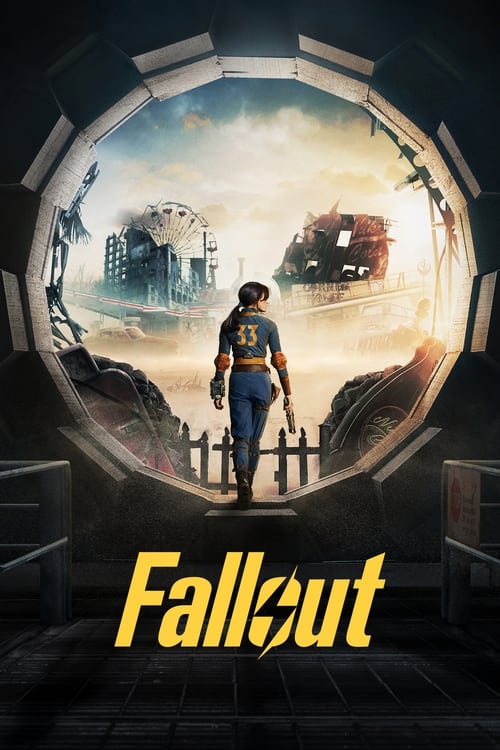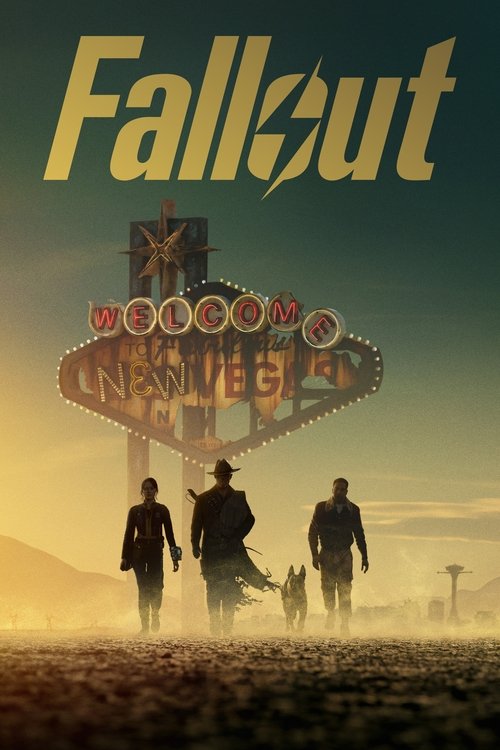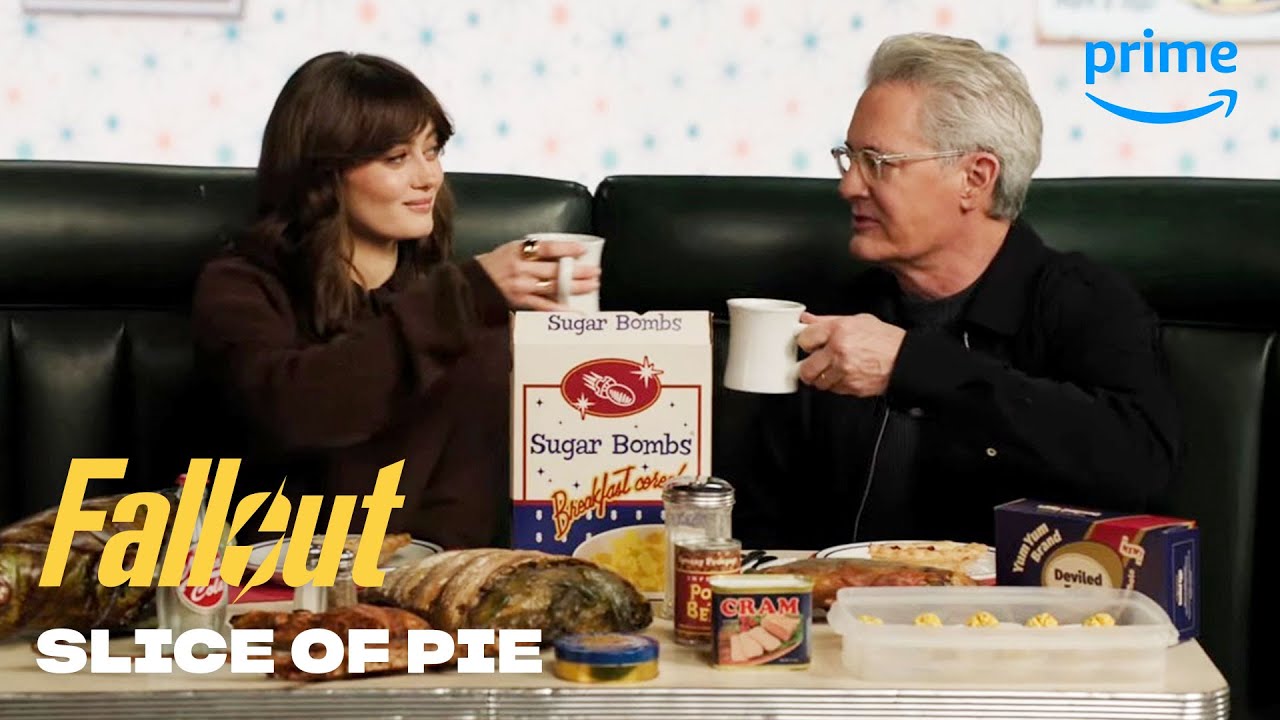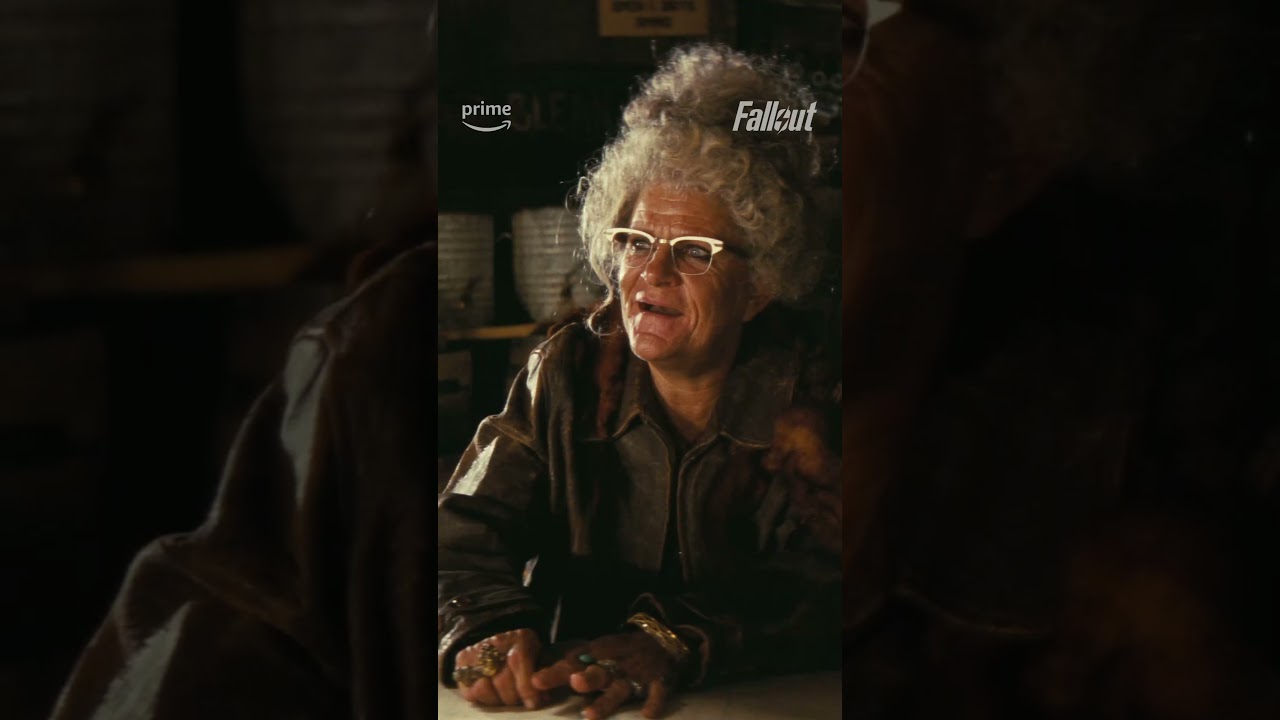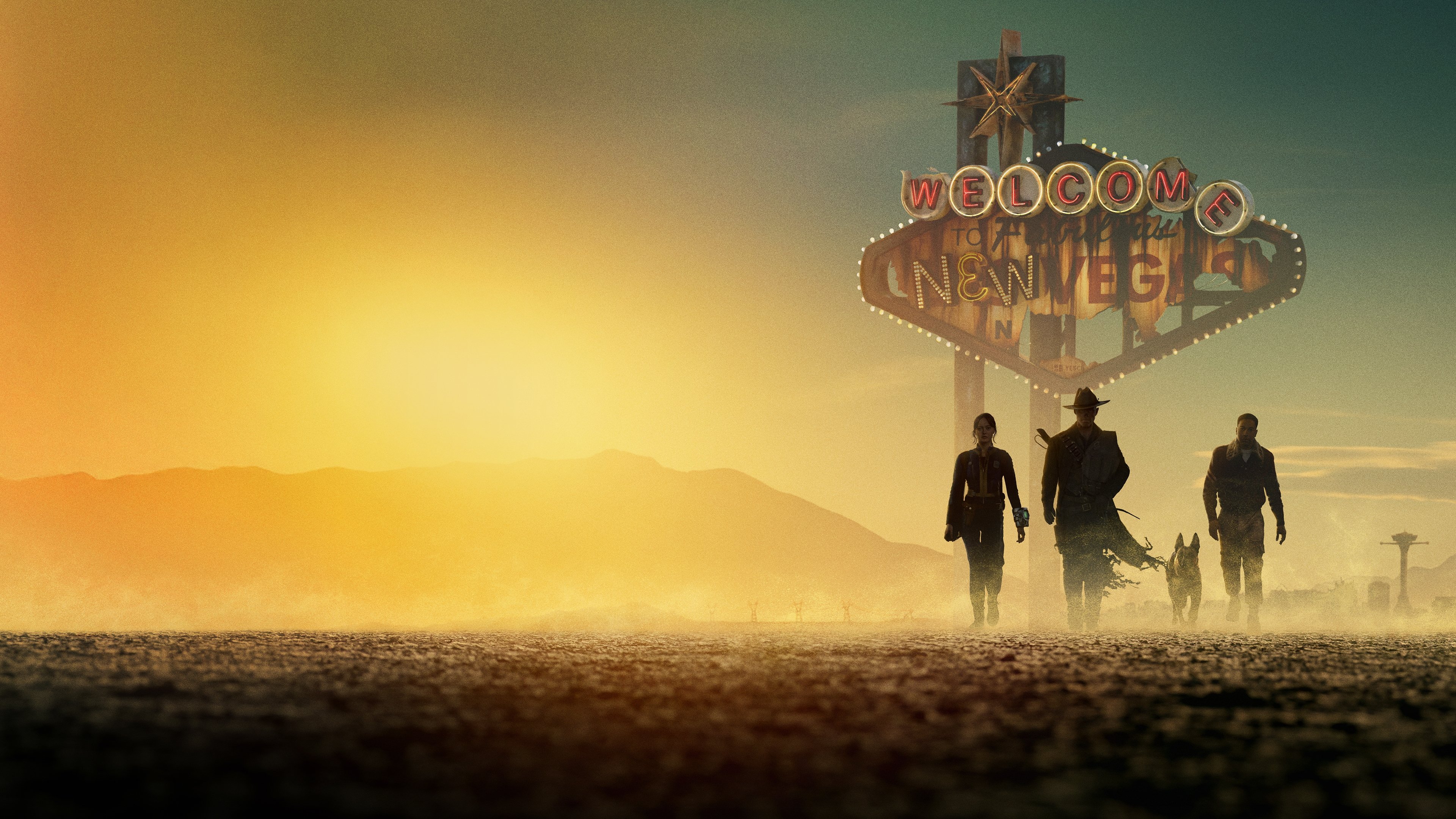
When Fallout premiered on April 10th, 2024, it arrived with the kind of pressure that only comes with adapting one of gaming’s most beloved franchises. Yet what Geneva Robertson-Dworet and Graham Wagner delivered was something that transcended the typical video game adaptation curse—they created a television event that felt both reverential to its source material and boldly original in its own right. The show didn’t just respect the Fallout universe; it expanded it, deepened it, and made it impossible to look away from.
What strikes you immediately about Fallout is how confidently it swings for the fences with its tone. This isn’t a show content to simply recreate familiar beats—it’s willing to be grotesque, darkly comedic, and surprisingly emotional all within the same episode.
That tonal balancing act is incredibly difficult to pull off, yet the series manages it with remarkable consistency across its first season. The Action & Adventure elements never overshadow the science fiction worldbuilding, and the fantasy elements of this post-apocalyptic universe feel grounded in genuine human stakes.
Fallout proved that prestige television and genre adaptation aren’t mutually exclusive—they’re actually when the medium sings loudest.
The ratings and critical reception tell part of the story. An 8.2/10 rating speaks volumes about audience satisfaction in an era where viewer opinions are fragmented across countless platforms. But what’s more telling is how the show dominated cultural conversations from its premiere through the months that followed. People weren’t just watching Fallout—they were dissecting episodes, debating character arcs, and treating it as essential viewing in a streaming landscape oversaturated with forgettable content.
The structure itself deserves recognition. Across 16 episodes spanning two seasons, Robertson-Dworet and Wagner resisted the urge to pad their narrative. The runtime flexibility (even though specific lengths aren’t locked down) allowed episodes to breathe when they needed to and punch hard when the moment demanded it.
This isn’t a show that artificially stretches scenes or wastes your time with filler—every moment serves the larger tapestry of post-nuclear reimagining:
- Vault-Tec’s dark underbelly becomes a lens through which we examine corporate villainy and human experimentation
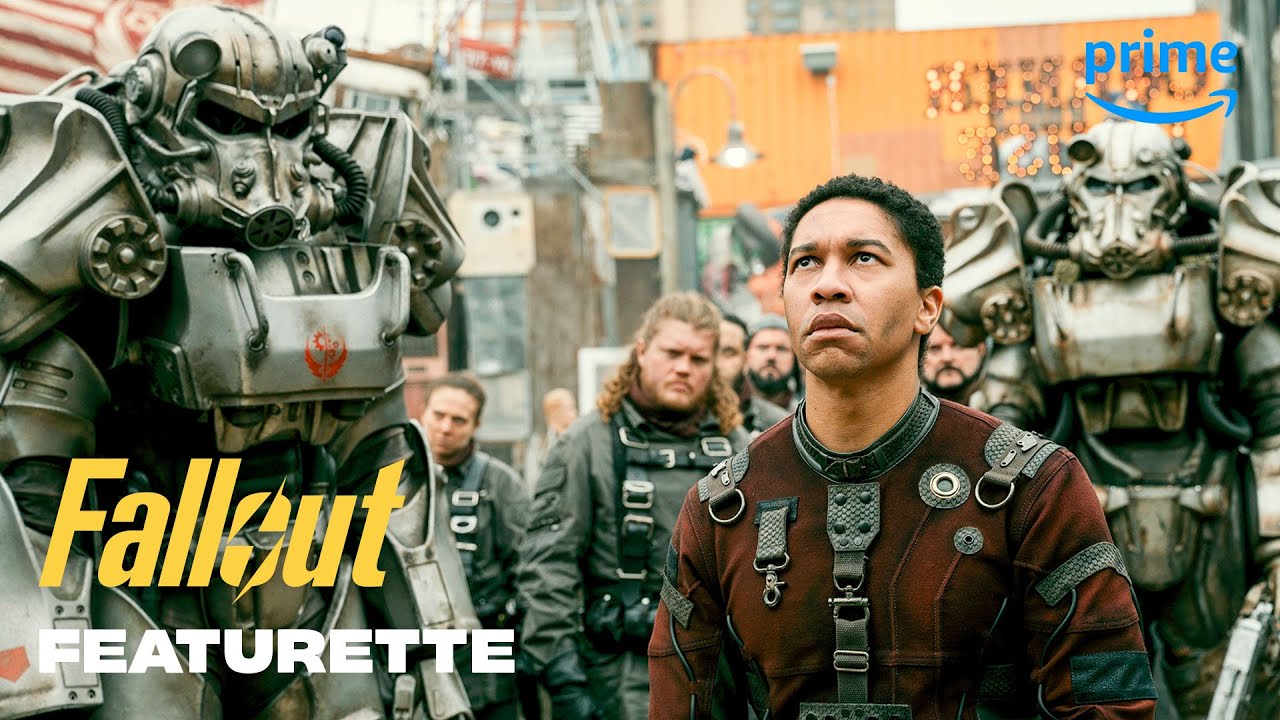
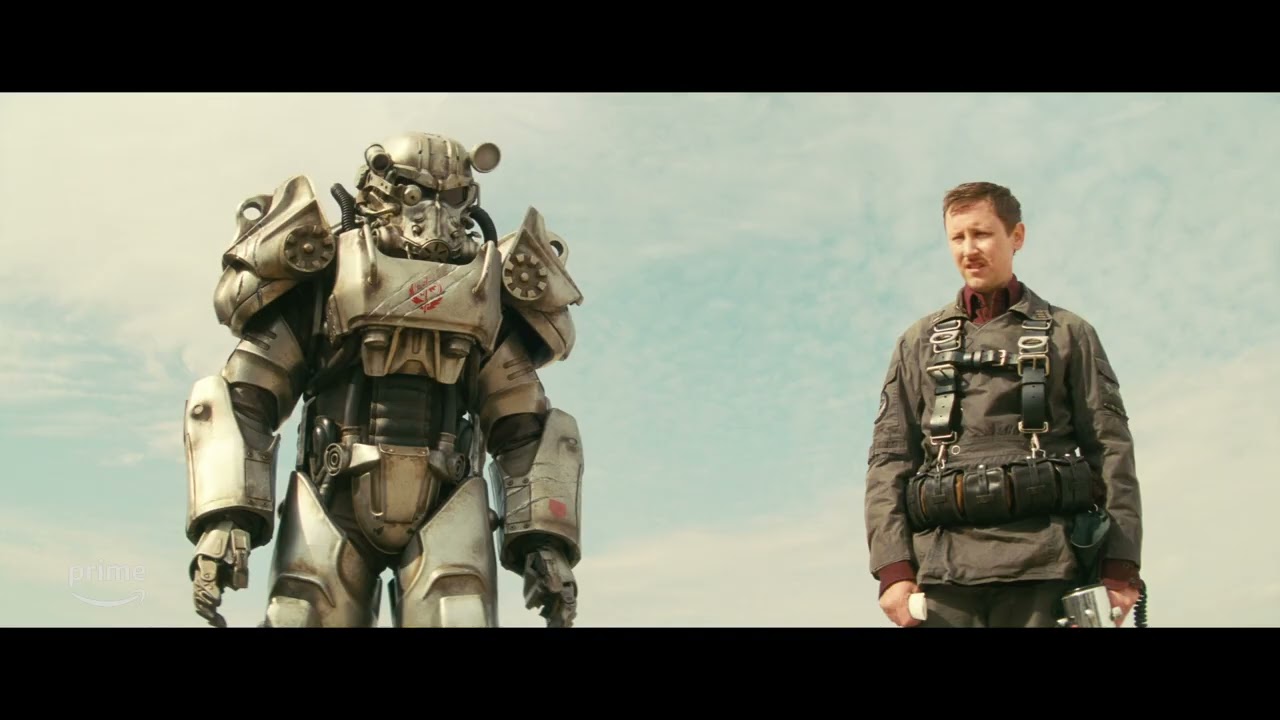
- The Brotherhood of Steel moves from faceless antagonists to complex figures with genuine ideological conviction
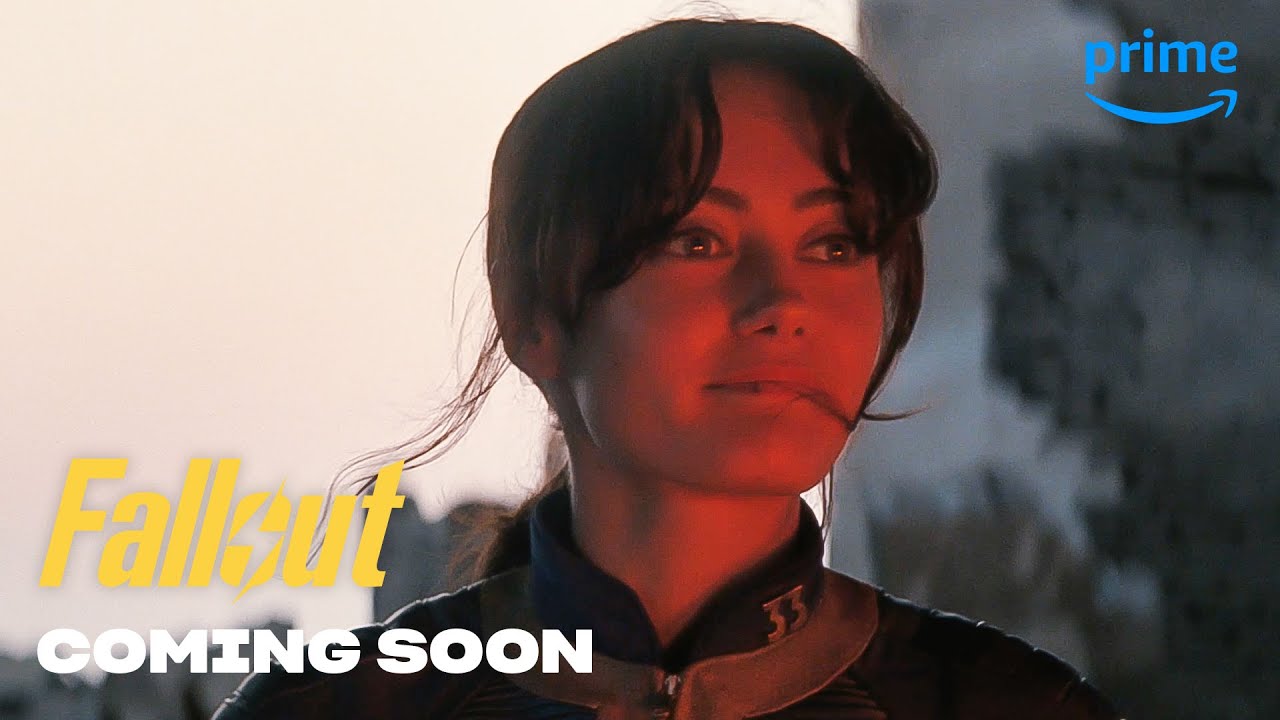
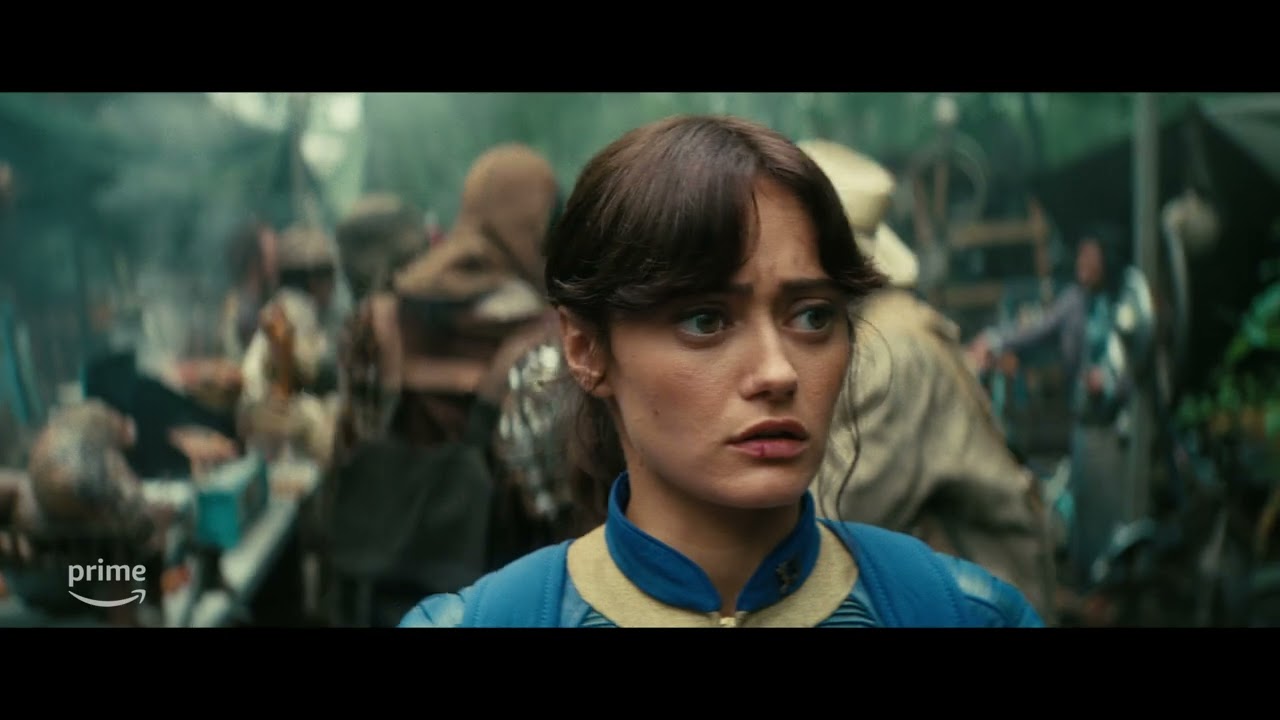
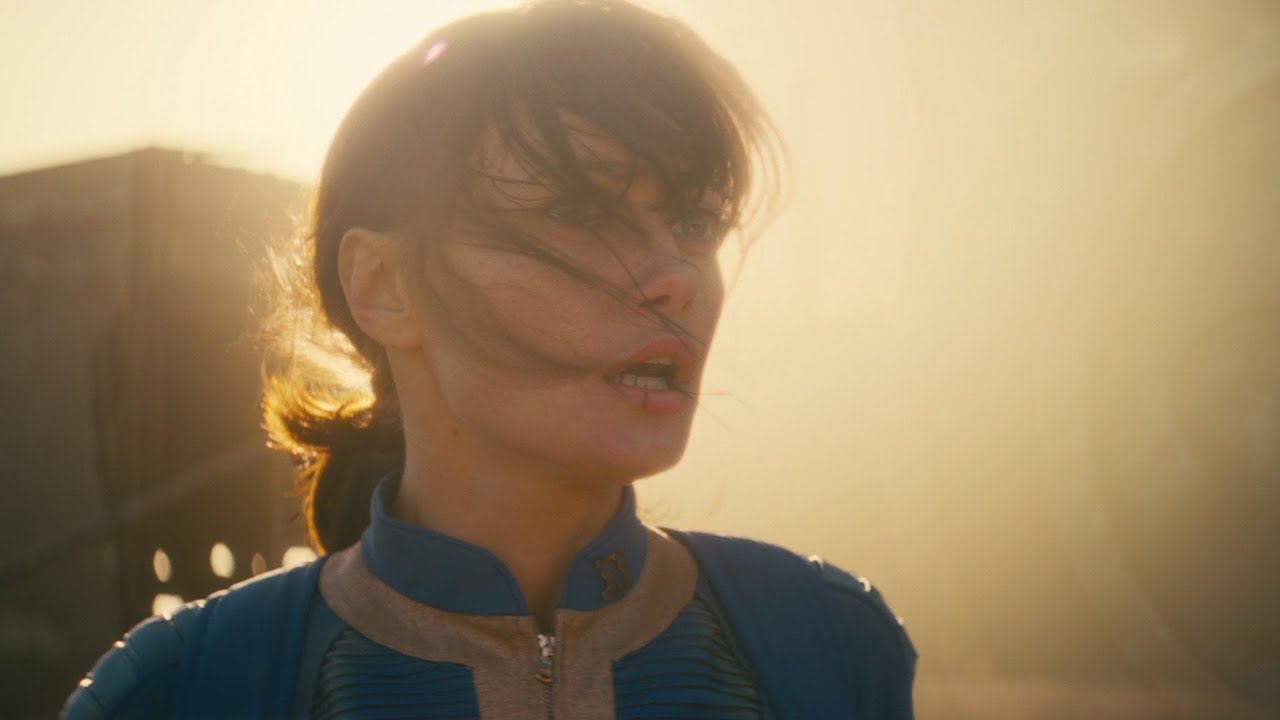
- Lucy MacLean’s journey from sheltered vault dweller to hardened survivor anchors the entire narrative
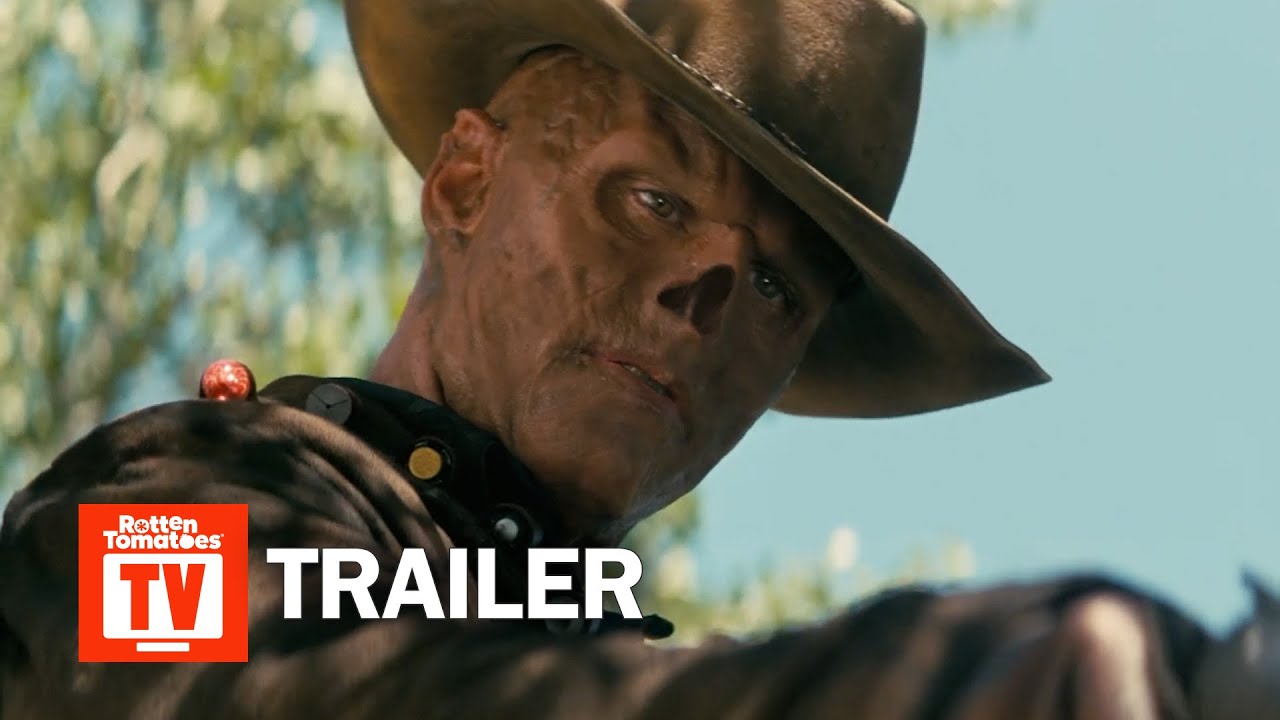
- The Super Mutants and Ghouls are treated not as monsters but as displaced people navigating an impossible world
When Season 2 returned and achieved that massive viewership spike in December 2025—with 794 million minutes watched and the premiere accounting for 54% of that—it wasn’t just nostalgia or casual viewing. That’s the signature of a show that created genuine investment. People wanted to return to this world because the characters and stories mattered to them.
The true measure of Fallout’s success isn’t just in its viewership numbers, but in how it fundamentally changed expectations for what video game adaptations could achieve on television.
What makes Fallout culturally significant is how it reframed adaptation entirely. Before this, video game shows were often treated as cash grabs—quick cash-ins on beloved IP that didn’t understand what made the source material resonate.
But Robertson-Dworet and Wagner approached Fallout like they were translating a language, not just copying homework. They understood that the Fallout franchise thrives on its mythology, its dark humor, its commentary on American excess and nuclear paranoia. They took those core elements and built something television-native around them.
The show sparked conversations that extended far beyond typical fan discourse:
- How do we responsibly adapt beloved gaming franchises without diminishing them?
- Can prestige drama coexist with genre spectacle without one consuming the other?
- What responsibility do adaptations have to both honor source material and forge their own path?
The answers Fallout provided have already influenced how other studios approach their gaming IP—you can see the fingerprints of this show’s success in recent adaptation greenlight decisions across the industry.
There’s also something particularly impressive about how the show managed its world-building across its expanding runtime. The unknown episode lengths weren’t a limitation—they were an asset. Some episodes needed 45 minutes to explore a particular location or character depth; others could punch their narrative points in under an hour. This flexibility, rather than the standardized structure of so many streaming shows, allowed Fallout to feel more organic and less manufactured.
As the series continues with its Returning Series status and anticipation builds for what’s next, it’s worth stepping back and acknowledging what’s already been accomplished. Fallout didn’t just succeed—it redefined what’s possible when intelligent creators meet passionate fandom with genuine creative ambition. In a streaming landscape constantly chasing the next phenomenon, Fallout became one.