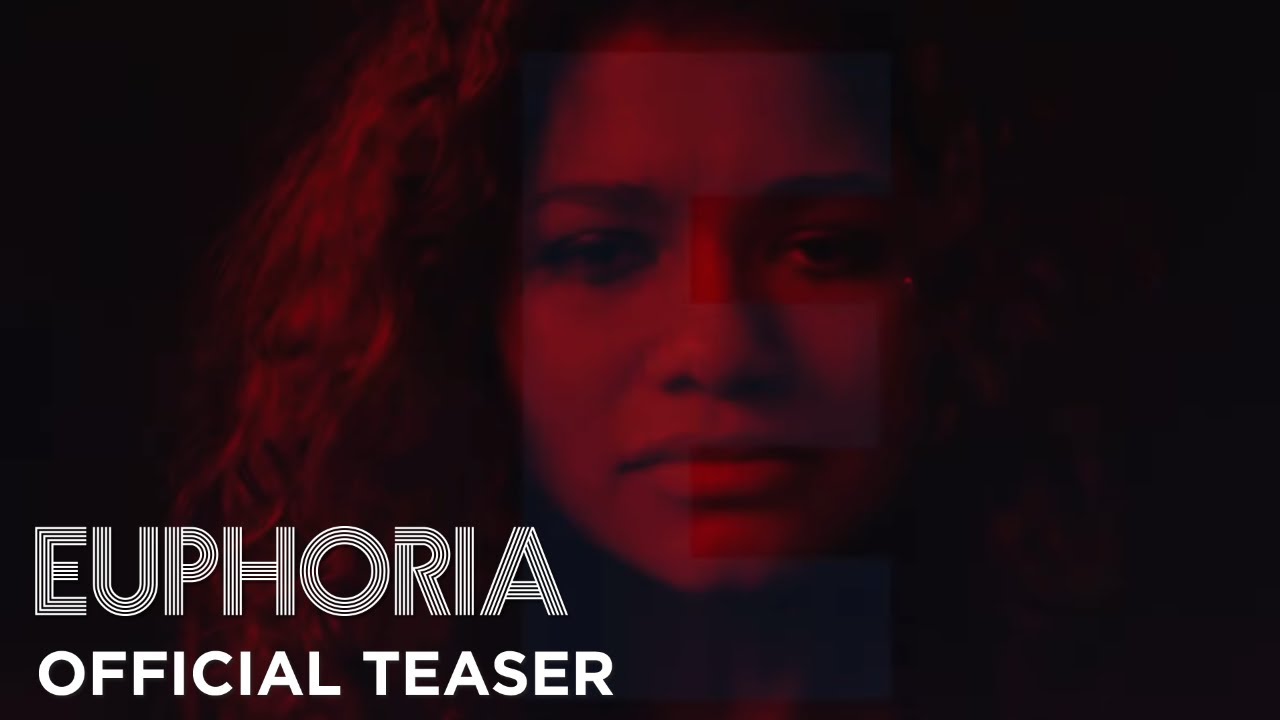
When Euphoria premiered on HBO back in June 2019, there’s no way anyone could have predicted it would become one of the network’s most culturally dominant shows. Sam Levinson created something that felt genuinely different—a drama that didn’t just tell stories about teenagers, but actually lived in their headspace, capturing the visual language of anxiety, addiction, and identity in ways television hadn’t quite managed before. What started as a bold gamble on a prestige network became a phenomenon that sparked conversations everywhere, from Twitter threads to dinner tables, and fundamentally shifted what audiences expected from drama series.
The Visual Revolution
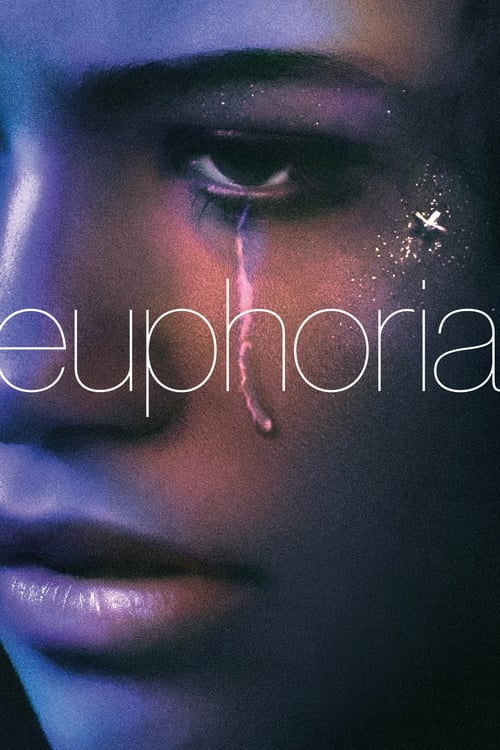
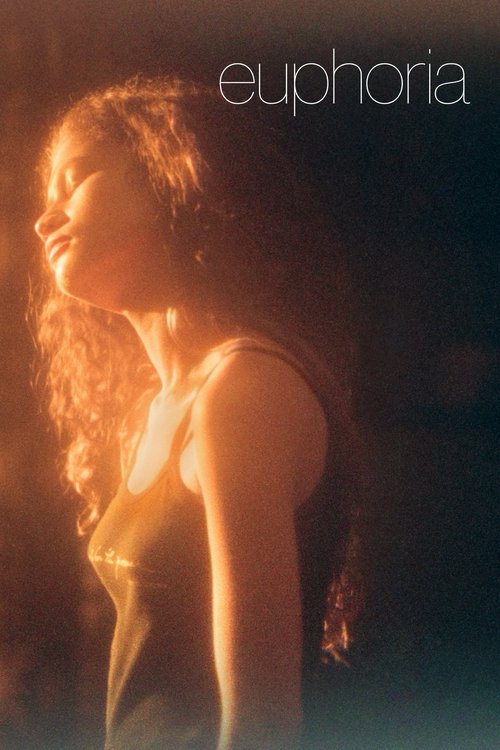
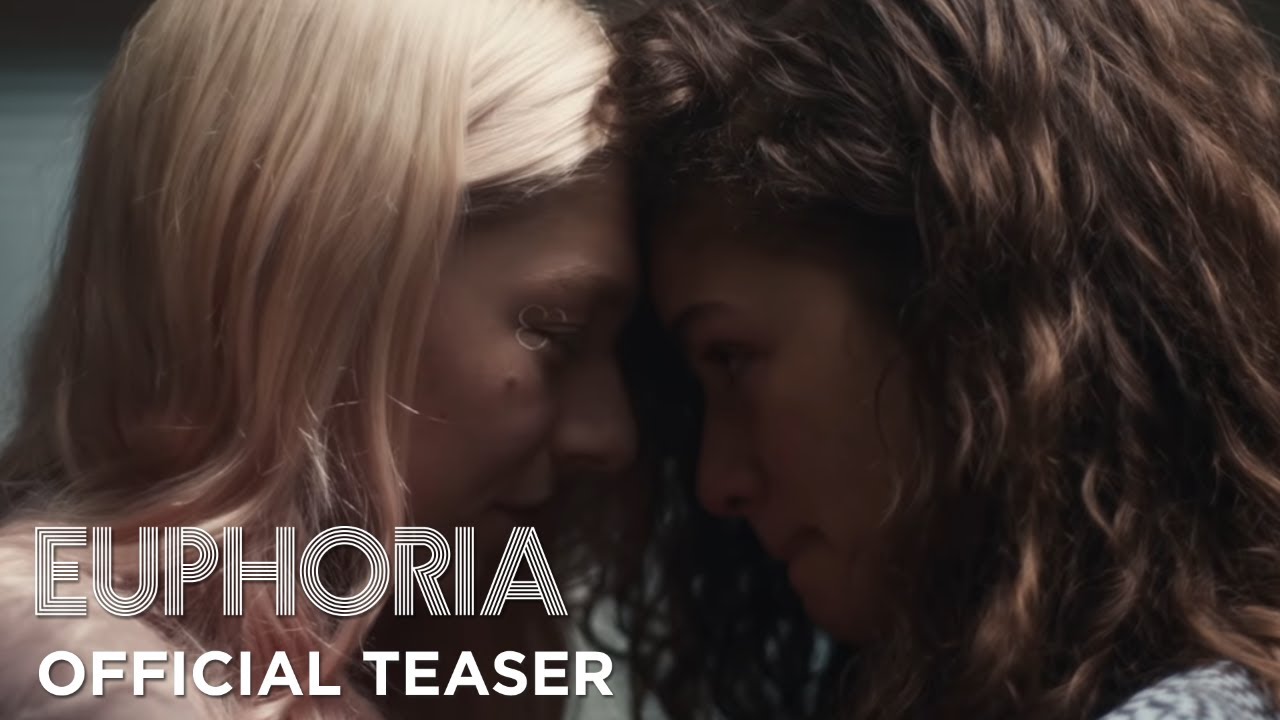
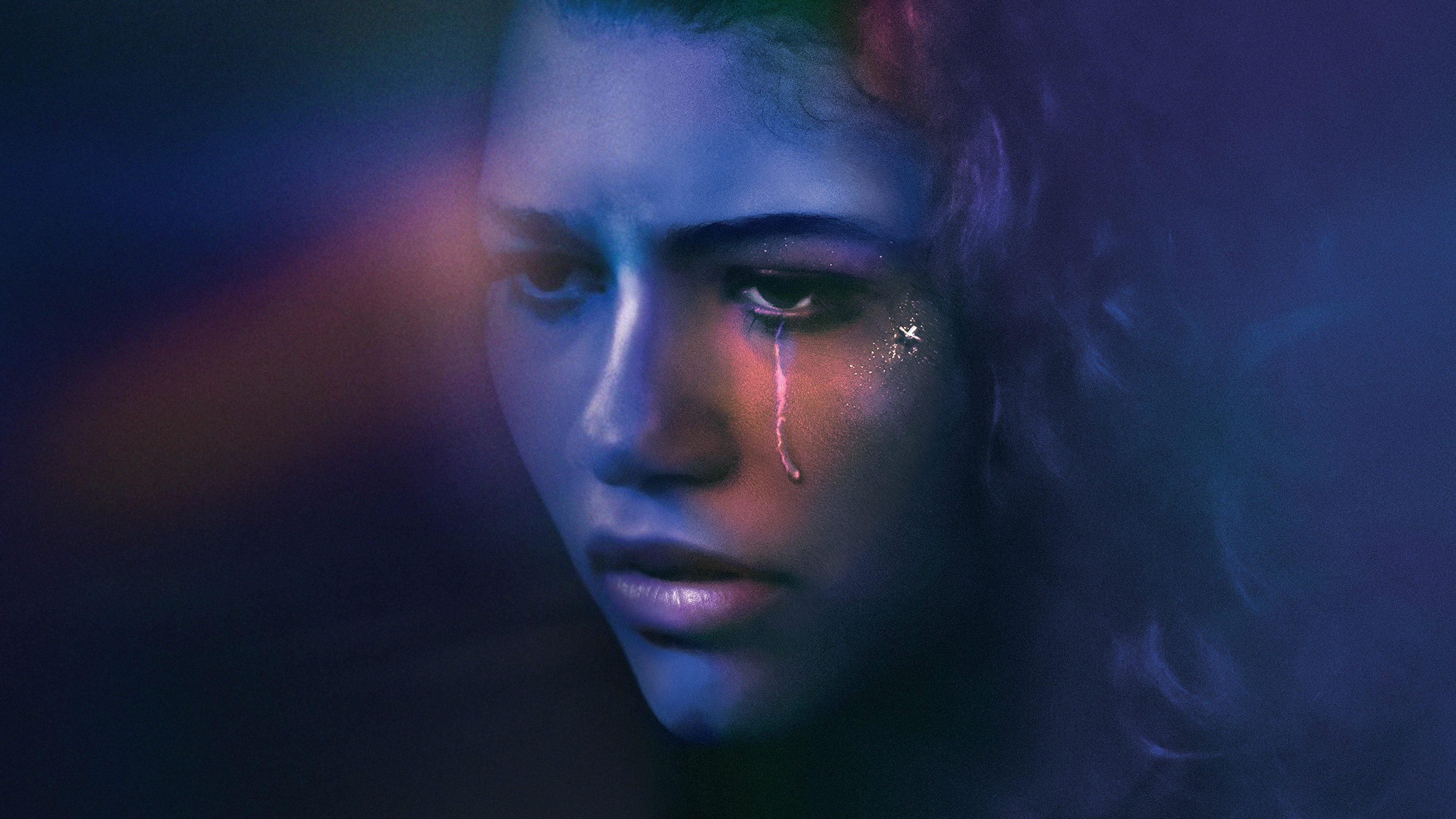
There’s something about the way Euphoria was constructed that immediately set it apart. The episodes don’t have a standard runtime—they breathe and expand according to the emotional needs of the story, which is a subtle but crucial creative choice. This flexibility allowed Levinson to ditch traditional narrative constraints and instead create these immersive experiences that feel less like “TV episodes” and more like visual essays on modern adolescence. The cinematography became a character itself, with neon lighting, sudden transitions, and visual storytelling that overwhelmed the senses in the best possible way. It’s the kind of show that makes you realize how much TV relies on convention until you see someone completely disregard those conventions.
The aesthetics became so iconic that they inspired conversations beyond just “did you watch this?” People were talking about how it looked, what the visual language meant, how the show used color and composition to externalize internal states. That’s not something that happens with every drama—it speaks to how intentional and groundbreaking the creative vision was.
What the Numbers Actually Tell Us
The show’s 8.3/10 rating across its 17 episodes across three seasons represents something more than just “people liked it.” In a television landscape oversaturated with content, maintaining that kind of critical consistency is remarkable. What’s equally telling is that Euphoria became HBO’s second-most watched show, sitting right behind the juggernaut Game of Thrones. When the Season 2 finale drew 6.6 million viewers across HBO and HBO Max, it proved this wasn’t some niche critical darling—it was genuinely mainstream, genuinely connecting with audiences at scale.
> The achievement here isn’t just about viewership numbers; it’s that the show managed to be both prestige television and genuinely popular entertainment simultaneously.
The Cultural Earthquake
Where Euphoria really made its mark was in the conversations it forced into the mainstream. This was a show that didn’t flinch from depicting addiction, sexual exploitation, mental health crises, and trauma in ways that felt uncomfortably real. It didn’t look away, didn’t soften the edges for comfort, and absolutely didn’t treat its teenage characters as passive victims of circumstance. Instead, these characters were fully realized people making complicated, sometimes self-destructive choices within systems that failed them.
The show became essential viewing for understanding contemporary youth culture—not because it was documentary-style, but because it captured emotional truth with such precision that it became the reference point for how we discuss adolescence on television now. When people wanted to understand what their kids were experiencing, they watched Euphoria. When critics wanted to discuss representation, addiction narratives, or visual storytelling, Euphoria became the benchmark.
The Character Work
One of the most underrated aspects of the show is simply how well it developed its ensemble cast. The series constructed fully realized characters with conflicting motivations, moral ambiguity, and genuine growth arcs. We’re talking about:
- Rue Bennett — a protagonist who isn’t sympathetic in traditional ways, whose addiction is depicted with unflinching honesty
- Cassie Howard — a character trapped between who she thinks she should be and who she actually is
- Maddy Perez — dealing with cycles of abuse and trauma that the show never simplifies into neat resolutions
- Kat Hernandez — exploring sexuality and agency in ways that felt genuinely contemporary
Each character demanded attention, generated debate, and felt like a real person rather than a narrative device. That’s the kind of ensemble work that creates die-hard fan bases.
Why This Matters Going Forward
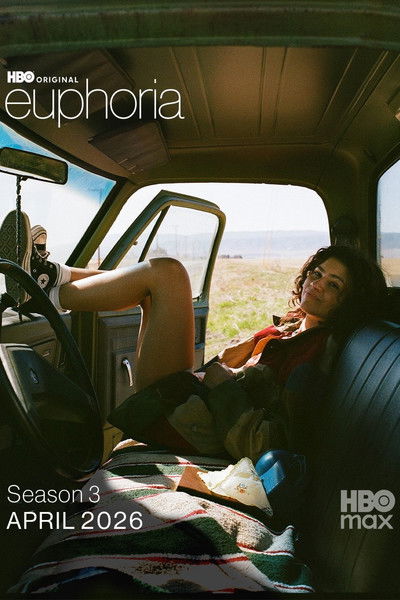
Euphoria returning for a third season (with its status as a Returning Series confirmed) matters because it proved that ambitious, visually groundbreaking drama could find massive audiences on prestige networks. It shifted expectations about what teenagers on television could talk about, what visual language could accomplish, and how uncompromising a show could be while still connecting with millions.
The show’s influence is already visible in other productions trying to capture that same energy, that same commitment to visual storytelling and character depth. But none have quite nailed it the way Levinson did here. There’s something about the specificity of vision, the refusal to compromise on either artistic integrity or entertainment value, that created something genuinely unique.
This is a show worth watching not because it’s controversial or shocking, but because it fundamentally expanded what television could express and how it could express it. That’s the kind of contribution that defines eras.