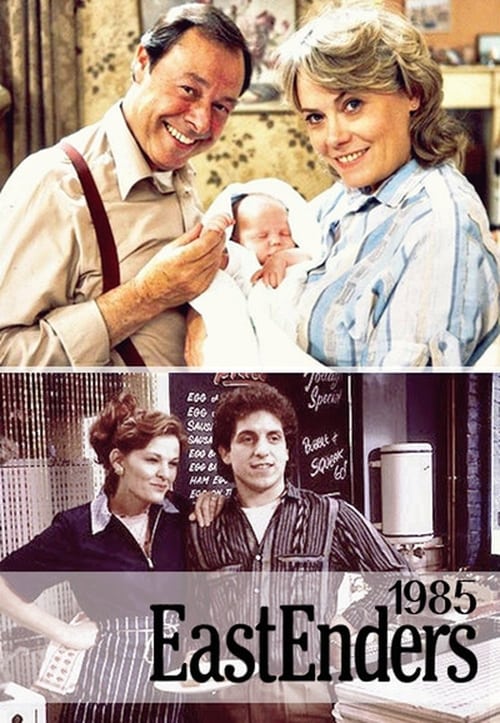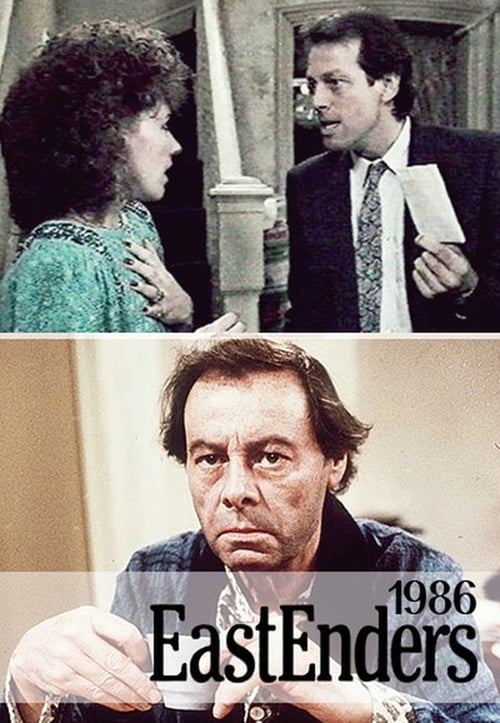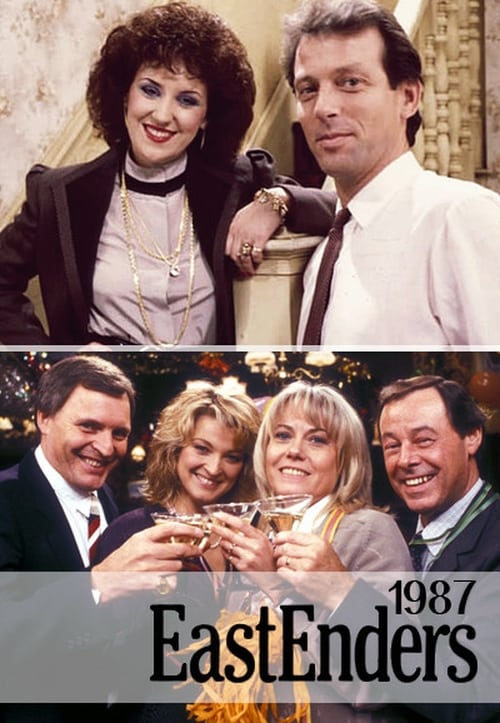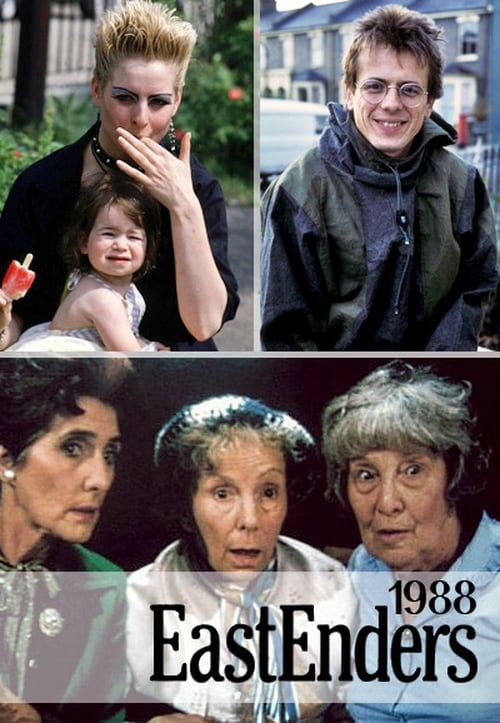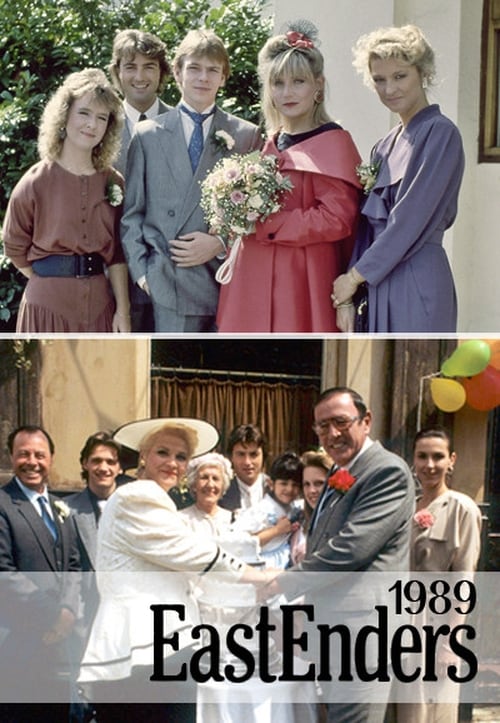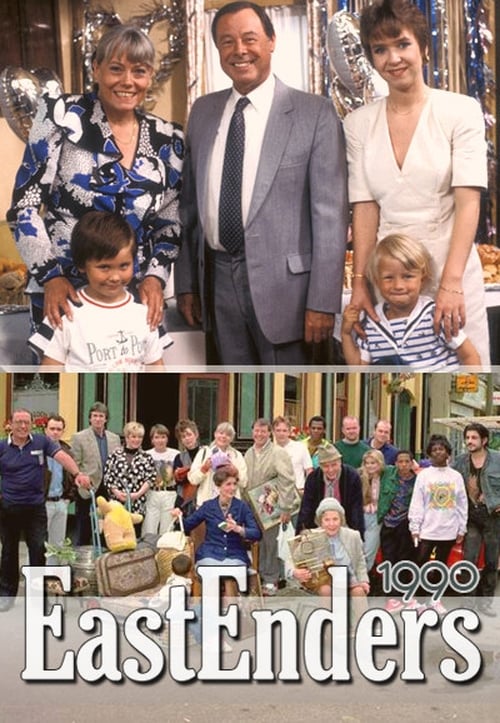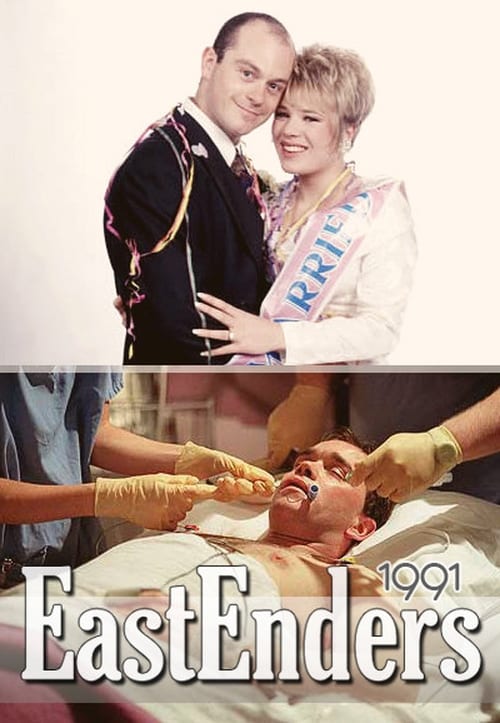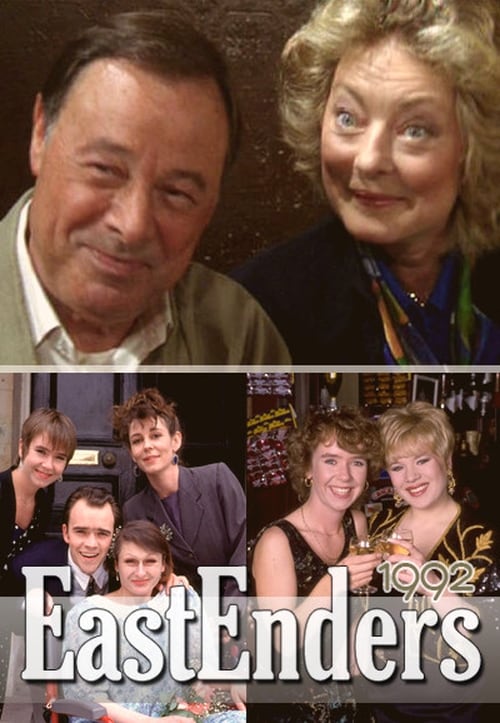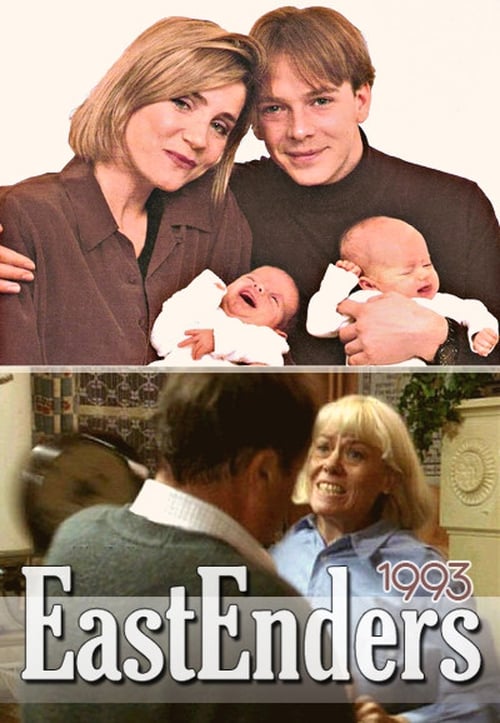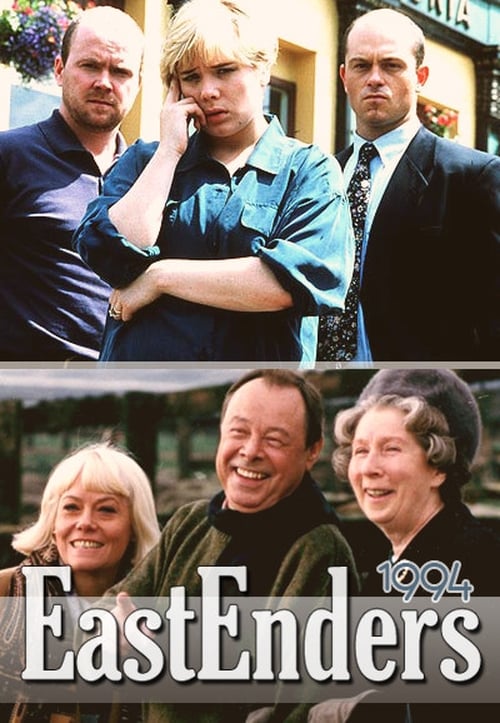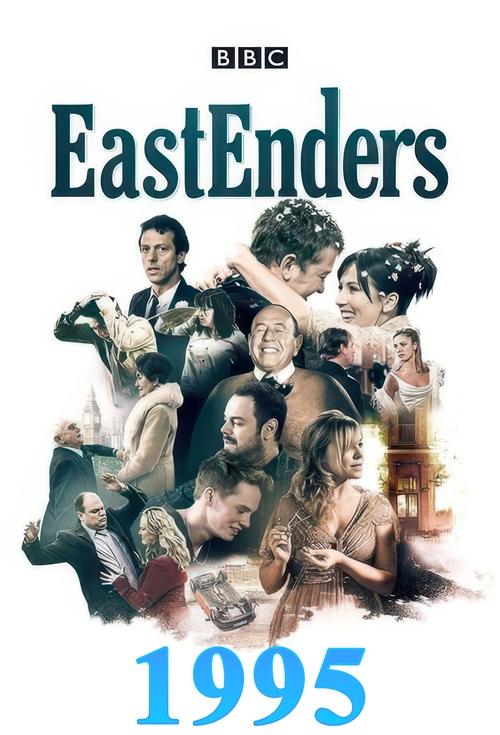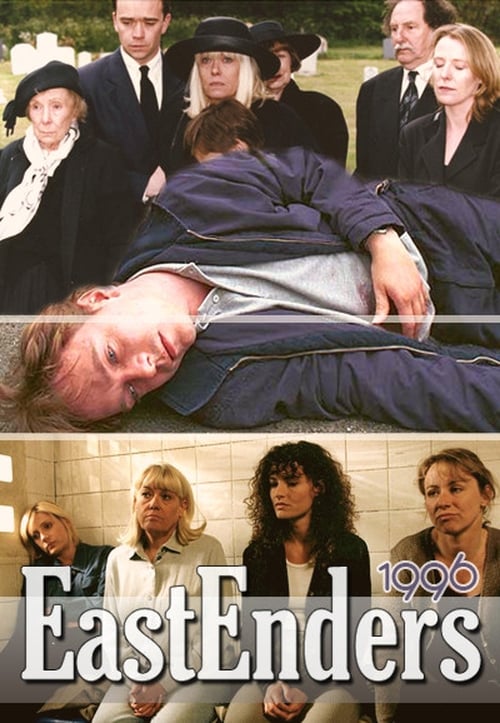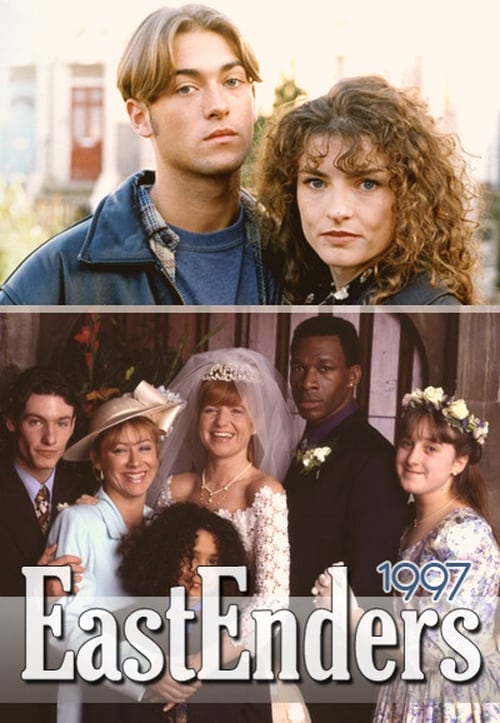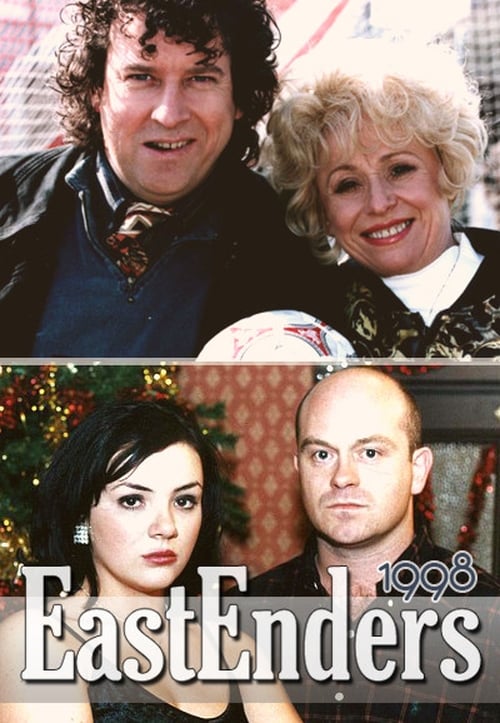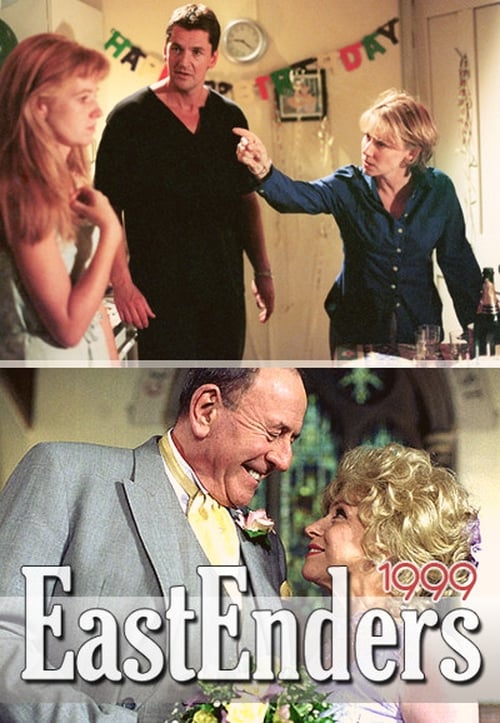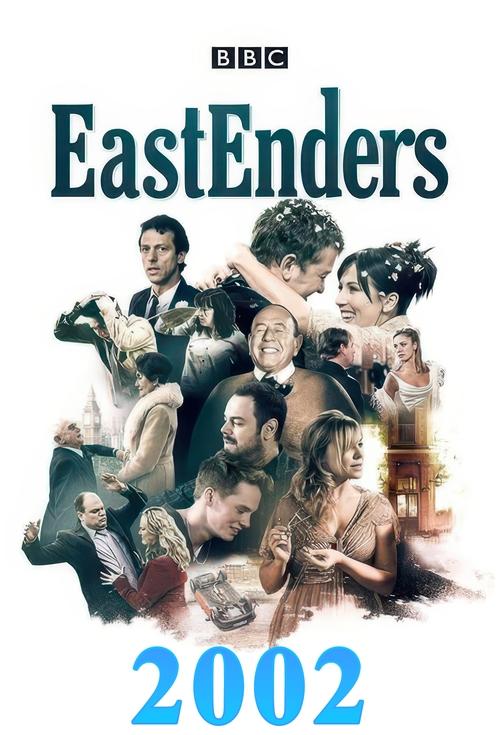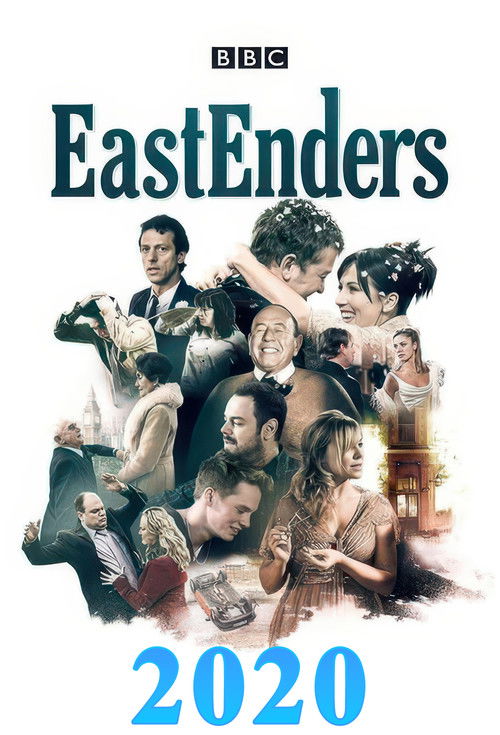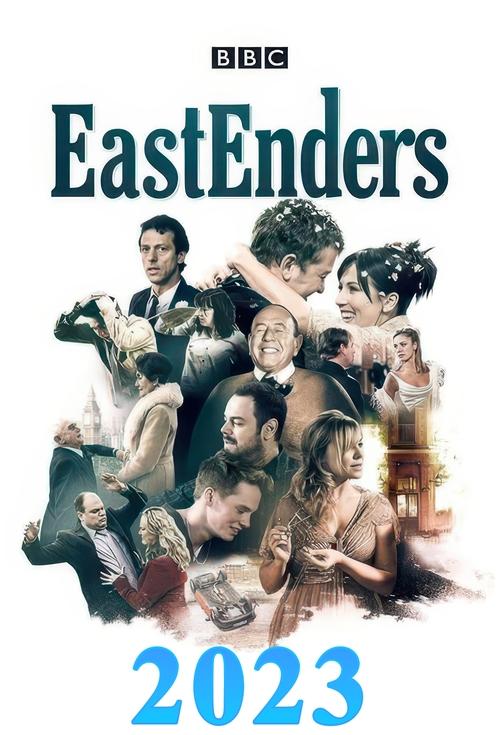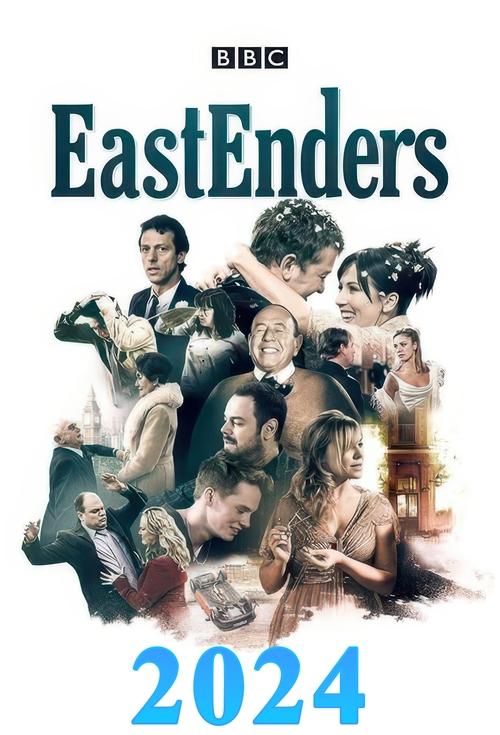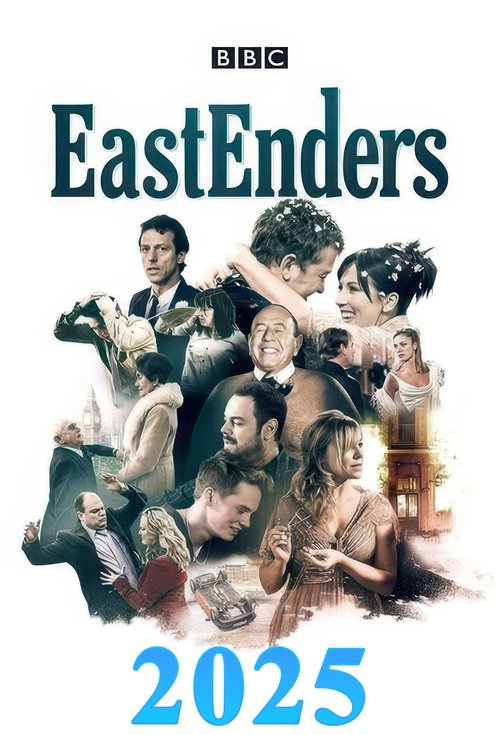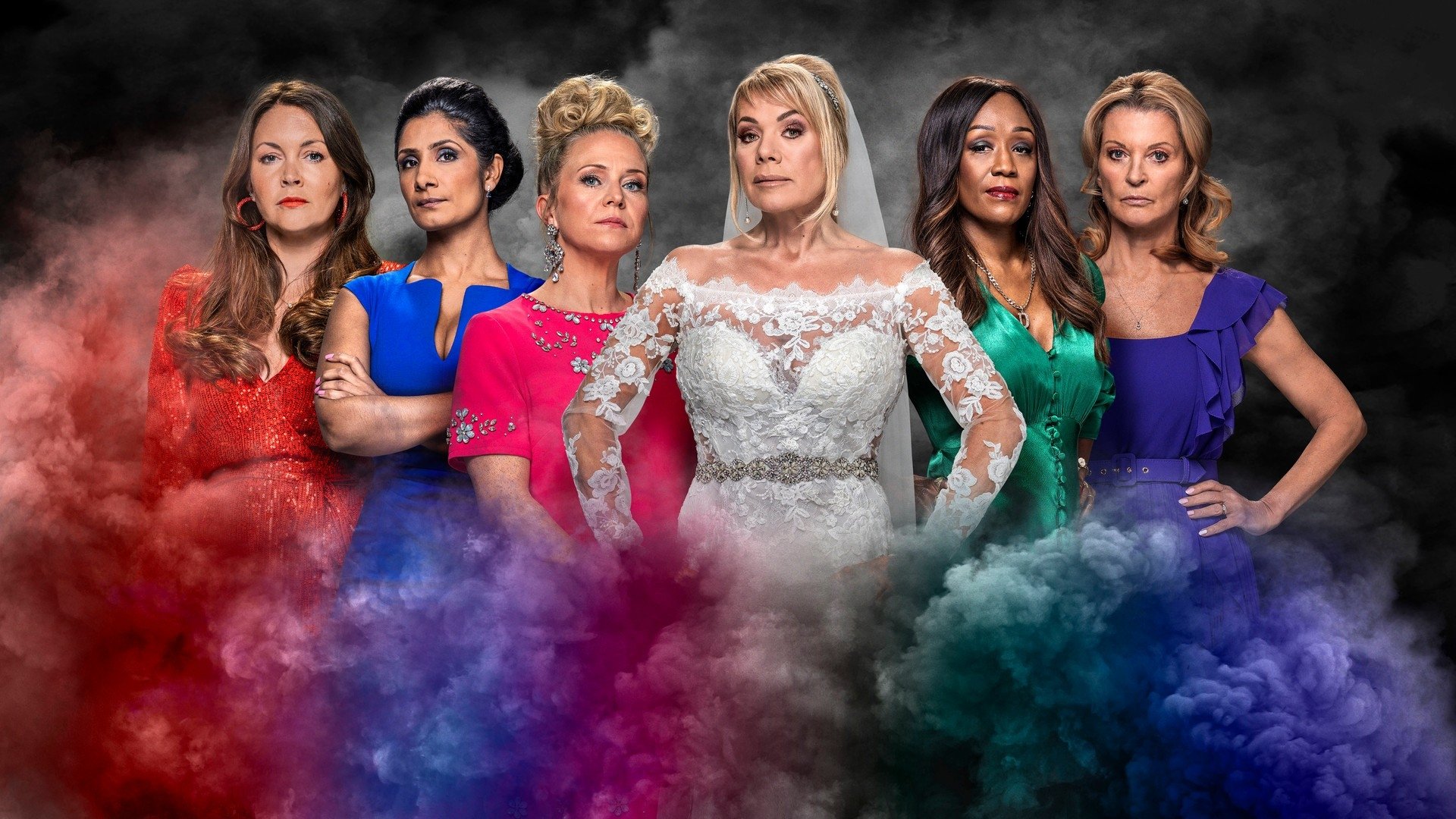
When EastEnders premiered on BBC One back in February 1985, nobody quite expected it to become the cultural cornerstone it has proven to be. That first episode pulled in 17 million viewers—a staggering number that speaks to an audience hungry for something different. Created by Julia Smith and Tony Holland, the show arrived with a radical vision: forget the glossy drama of London’s West End. Instead, they wanted to capture the messy, genuine reality of working-class life in a traditional terraced square called Albert Square. It was a bold gamble that fundamentally changed what British television could be.
What made this approach so revolutionary wasn’t just the setting, but the philosophy behind it. In an era where soaps were often dismissed as guilty pleasures, Smith and Holland positioned EastEnders as something more socially conscious. They understood that the everyday dramas of ordinary people—the financial struggles, the relationship conflicts, the moral dilemmas—deserved serious dramatic treatment. The 30-minute runtime, perfect for BBC One’s scheduling, actually became a strength. That tight constraint forced the writers to be economical with storytelling, packing genuine emotional weight and narrative momentum into half-hour episodes. No filler, just the essential human moments that resonated with viewers navigating their own complicated lives.
The show’s ability to spark cultural conversations became one of its most significant achievements. EastEnders didn’t shy away from the issues that mattered to its audience:
- Social injustice and class dynamics – the show captured the tension between struggling families and the systems that seemed designed to work against them
- Family breakdown and domestic conflict – relationships weren’t romanticized; they were shown in all their painful complexity
- Grief, loss, and mortality – storylines treated these universal human experiences with genuine respect
- Community and belonging – at its heart, the show explored what it means to be rooted in a place and with people
Over 42 seasons and 7,180 episodes, EastEnders has become more than entertainment—it’s been a mirror reflecting British society back to itself. Generations of viewers grew up with these characters, genuinely invested in their futures because the show treated their struggles as important.
> The rating of 4.1/10 might seem to tell one story, but it actually obscures another crucial truth about this show’s journey.
That number represents an average across four decades of television, during which audience expectations, viewing habits, and the entire media landscape transformed dramatically. When ratings jumped to 23.55 million for the ninetieth episode, audiences were telling creators they’d found something special. More recently, with streaming options fragmenting viewership and cultural tastes evolving, that rating reflects a different era of television consumption entirely. What matters more is that people still watch. That EastEnders remains a Returning Series speaks to its staying power.
The creative achievement here is genuinely remarkable when you consider the scope. Maintaining quality and narrative tension across 7,180 episodes—essentially creating the equivalent of hundreds of feature films—requires disciplined storytelling. Smith and Holland’s original vision included several key principles: characters should feel real and flawed, storylines should emerge from character, and the show should never shy away from depicting both the comedy and tragedy of ordinary life. Those principles sustained the show through multiple eras and creative teams.
What’s particularly striking is how EastEnders positioned itself within the Crime, Drama, and Soap genres simultaneously. It wasn’t just a soap opera in the traditional sense—though it had the serial narrative structure. It was also a crime drama that explored how criminal behavior emerged from desperation and circumstance. And it was serious drama that asked difficult questions about morality, justice, and redemption. That genre-blending gave the show remarkable range and kept it from becoming predictable.
The show’s cultural footprint extends far beyond ratings and episode counts. There are moments from EastEnders that have become part of British popular consciousness—storylines and character beats that people reference in conversation, that influenced how television tackled difficult subjects afterward. The show demonstrated that working-class characters and their stories deserved the same narrative complexity and emotional depth as any prestige drama. That was genuinely revolutionary in 1985 and remains important.
The accessibility through multiple platforms now—BritBox on Apple TV, Amazon, and standalone—has actually extended the show’s relevance. New audiences can discover it, while longtime viewers can revisit favorite storylines. It’s a different kind of success than raw broadcast ratings, but perhaps more meaningful for a show that’s always been about community and connection.
What ultimately makes EastEnders worthy of serious attention isn’t nostalgia or longevity alone. It’s that the show, at its best, understood something fundamental about human storytelling: that ordinary people’s lives contain genuine drama, that working-class struggles deserve narrative respect, and that television can be both entertaining and socially conscious. In an age of prestige dramas and streaming spectacle, remembering what EastEnders achieved—creating something that resonated with millions by taking their lives seriously—feels more important than ever.