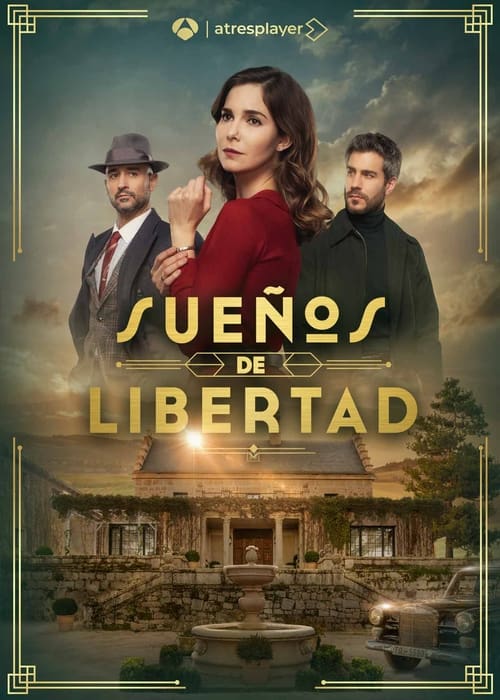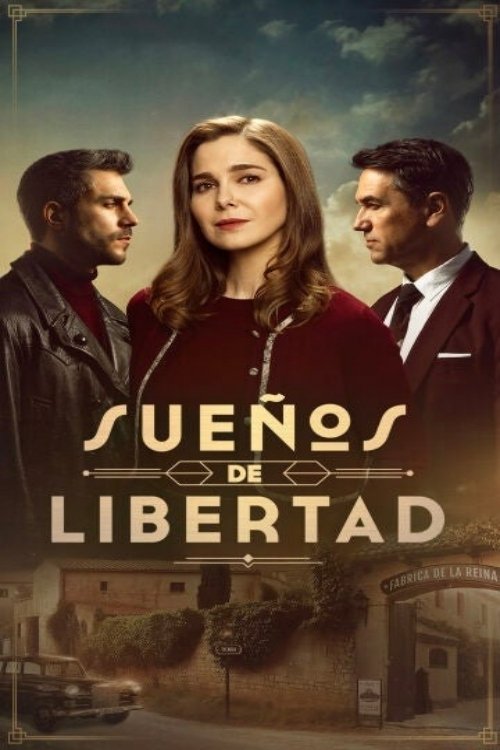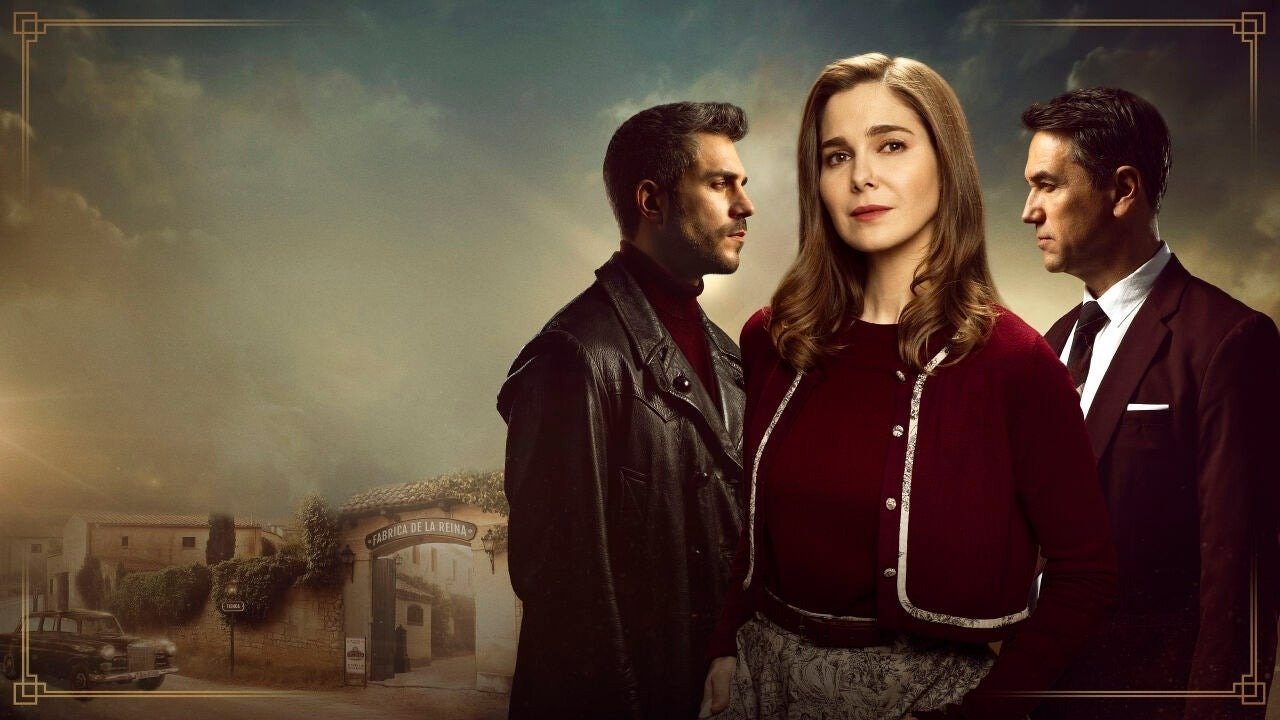
When Dreams of Freedom premiered on Antena 3 back in February 2024, it arrived with a specific mission: to tell a story about survival, agency, and desperation in 1950s Spain. What creators Beatriz Duque and Verónica Viñé crafted went beyond typical soap opera conventions, grounding their narrative in a historical moment where women’s choices were brutally constrained by law, tradition, and patriarchal violence. The opening image—Jesus shooting his wife Begoña while fleeing through the woods with his daughter—immediately posed the central question that would drive viewers through three seasons and 499 episodes: what circumstances force a man to become a murderer, and what injustices drive a woman to seek freedom at any cost?
The show’s significance lies partly in its refusal to offer easy answers. Rather than presenting a straightforward tale of villainy and heroism, Duque and Viñé constructed a sprawling narrative that examines systemic oppression through intimate family drama. Begoña’s struggle isn’t just personal—it’s political. In 1958 Spain, under Franco’s regime, a woman trapped in a toxic marriage had virtually no legal recourse. The 50-minute episode runtime proved crucial here, allowing the writers space to develop psychological complexity without rushing toward melodramatic resolutions. Each episode could breathe, letting tension accumulate naturally as characters confronted impossible choices.
> The series succeeded because it understood that the most compelling dramas emerge from the collision between individual desire and historical circumstance.
What’s particularly noteworthy is how the show found its audience despite landing a 6.1/10 rating on aggregated platforms. That score doesn’t tell the full story—Dreams of Freedom punched well above typical telenovela expectations in Spain, drawing 2.1 million unique viewers per episode and maintaining an average viewership of 1.3 million. These numbers reveal something crucial about contemporary television: critical consensus matters less than the intensity of connection. Viewers weren’t casually sampling this drama; they were committed to understanding Begoña’s journey and the moral labyrinth surrounding her family.
The show’s cultural footprint in Spanish television proved substantial. What began as a daily series for Antena 3 quickly became a premium property—Atresmedia and Banijay’s Diagonal TV brought Dreams of Freedom to the international market at MipTV, signaling confidence in its broader appeal. The international interest makes sense once you recognize what the show actually accomplished: it modernized the soap opera form by treating historical trauma seriously. The toxic marriage at the center wasn’t tabloid fodder; it was an examination of how patriarchal systems destroy families across generations.
The three-season trajectory reveals deliberate storytelling architecture:
- Season 1 established the catastrophic event and the desperate circumstances that led there
- Season 2 deepened character psychology and introduced competing perspectives on what “freedom” actually means
- Season 3 pushed toward resolution while resisting neat conclusions about justice and redemption
The decision to stretch the narrative across 499 episodes—rather than compressing it into a limited series—allowed the show to explore secondary characters with genuine depth. In lesser hands, this could have resulted in repetitive wheel-spinning. Instead, Duque and Viñé used the extended format to examine how trauma radiates outward, affecting not just immediate family but entire communities bound by complicity and silence.
What made viewers return week after week, despite mixed critical reception, was the show’s commitment to moral complexity. Nobody in Dreams of Freedom emerges as purely innocent or guilty. Jesus’s actions are inexcusable, yet his desperation is comprehensible. Begoña deserves freedom, yet her path toward it inflicts collateral damage. The supporting characters—caught between family loyalty and ethical responsibility—face choices that don’t have “correct” answers. This refusal to simplify proved radical for the soap opera genre, which historically thrived on clear-cut heroes and villains.
The 50-minute runtime also distinguished the show from shorter daily serials that dominate Spanish television. This extended window allowed for sequences of sustained tension, moments of quiet reflection, and visual storytelling that transcended dialogue-heavy exposition. Directors could linger on faces, let silences matter, and build dread through what wasn’t being said. In an era of fractured attention spans, the show demanded and received engaged viewership.
The show’s lasting impact connects to several broader television trends:
- Historical drama as a vehicle for contemporary political commentary — By setting the story in Franco-era Spain, the creators commented on current debates about women’s autonomy and institutional violence
- Rehabilitation of soap opera form — Dreams of Freedom demonstrated that daily serials could achieve literary sophistication without abandoning genre pleasures
- International appetite for Spanish storytelling — The show’s success paved way for greater investment in Iberian drama at international streaming platforms
The Returning Series status entering its continuing seasons suggests Atresmedia recognized something vital: audiences had developed genuine investment in these characters and their fates. That investment wasn’t based on guilty-pleasure consumption or narrative predictability. Instead, viewers connected because Duque and Viñé had created something rare—a soap opera that respected its audience’s intelligence while delivering the emotional intensity the genre promises.
Dreams of Freedom ultimately demonstrates that the best television doesn’t need unanimous critical approval to matter culturally. It simply needs to ask difficult questions, develop characters with depth, and trust that viewers will recognize authentic human struggle when they see it. In telling Begoña’s story, the show told something larger about institutional injustice, family loyalty, and the sometimes-tragic compromises required to survive. That’s why people keep returning, why the show remains standing, and why it deserves recognition as more than just another soap—it’s a meditation on freedom itself, impossible and necessary.