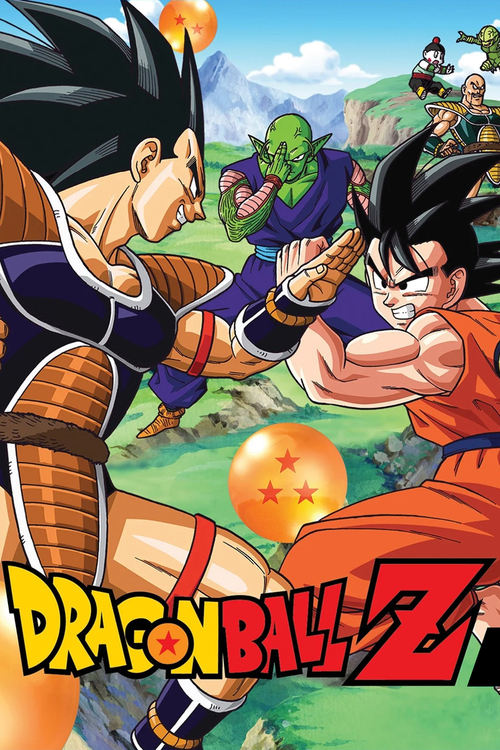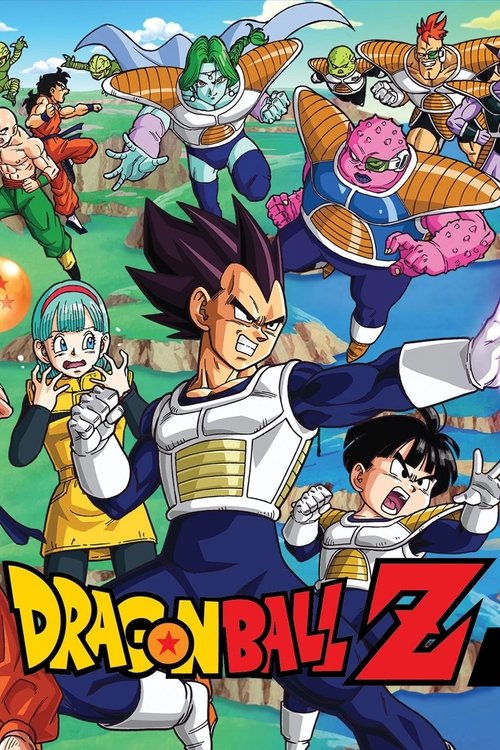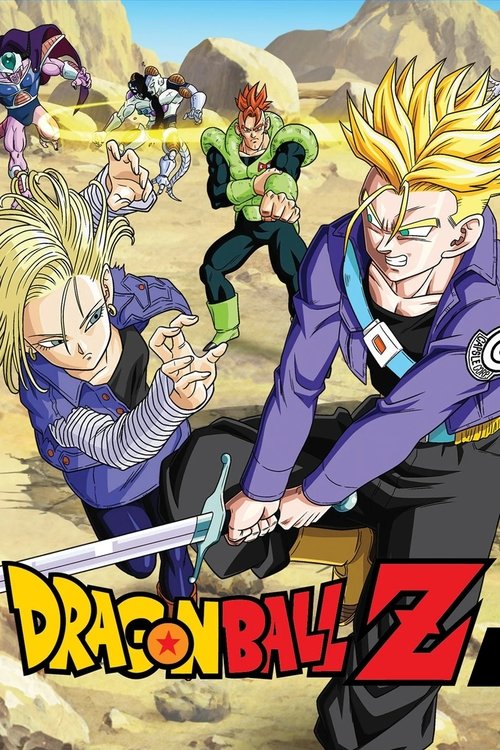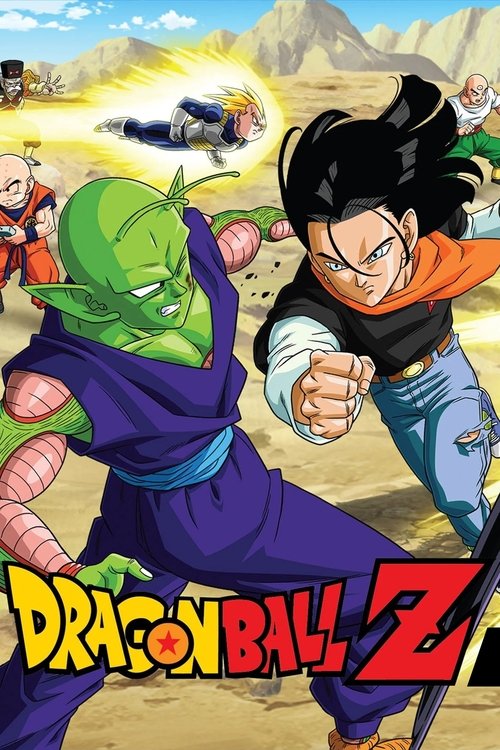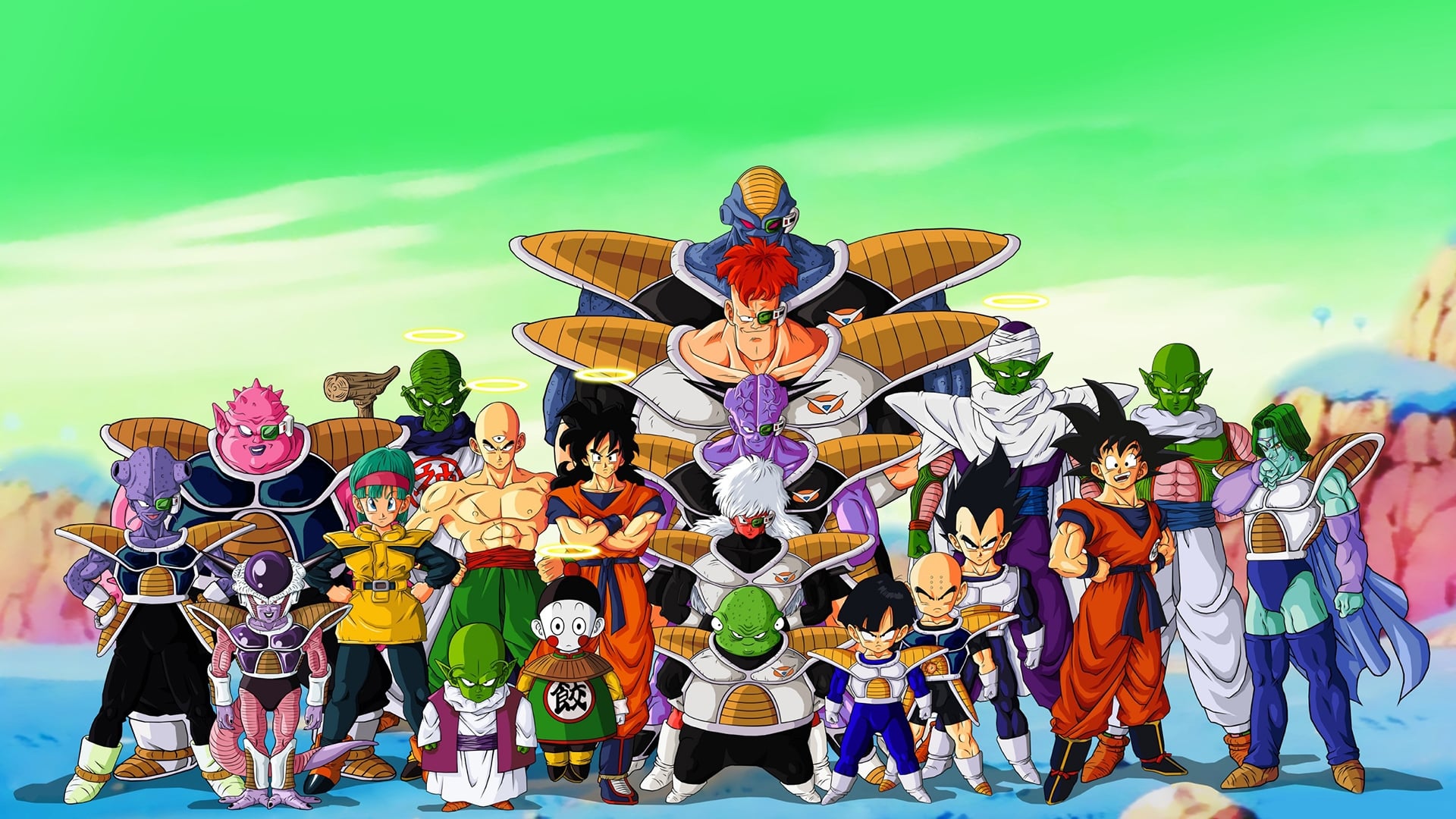
When Dragon Ball Z premiered on April 26, 1989, it arrived not as a revolutionary statement but as a natural evolution—a continuation that would ultimately redefine what anime could be on television. What started as a simple premise—the continued adventures of Earth’s martial arts defender, Son Goku—transformed into a cultural phenomenon that spent nearly a decade dominating the airwaves. Over nine seasons and 291 episodes, the show crafted something genuinely rare: a long-form narrative that managed to remain consistently compelling while building toward moments of genuine historical significance in television.
The sheer scope of Dragon Ball Z deserves attention first. Nine full seasons is no small commitment, and the fact that audiences stayed invested across all 291 episodes speaks to something fundamental about the storytelling. The creators understood that with a 26-minute runtime, they could pace their narratives in ways traditional live-action television simply couldn’t match. Each episode moved with intention, building tension methodically, allowing character moments to breathe while setting up larger spectacles. This format became the template that countless anime would follow, but Dragon Ball Z was among the first to truly master it.
What makes this show stand out in television history goes beyond raw episode count. The narrative made a bold choice that shaped everything that followed:
- Alien origin revelation – Goku wasn’t just a martial artist; he was an extraterrestrial, fundamentally recontextualizing the entire original series
- Family dynamics – The introduction of Gohan as a central character shifted focus from lone-wolf heroics to paternal responsibility
- Escalating stakes – Each saga introduced threats of increasing magnitude, from Saiyans to Androids to dimensional emperors
- Character development arcs – Former villains became allies; heroes questioned their own mortality and purpose
> The series maintained its presence in Japan’s “Top 10” rated animated shows during its entire run, a remarkable achievement that underscores how deeply it resonated with audiences week after week.
The cultural footprint Dragon Ball Z left is honestly staggering when you really think about it. This wasn’t a show that aired in obscurity and found cult status later—it was appointment television in Japan, dominating ratings throughout its 1989-1996 run. That longevity matters because it meant the show shaped conversations in real-time. Kids and adults weren’t discovering it through streaming years later; they were living with these characters as they evolved, debating what would happen next, constructing theories about future battles.
The iconic moments became part of shared cultural language. We’re talking about sequences and character transformations that people reference even now, decades later. The show didn’t just entertain; it created touchstones that defined a generation’s relationship with anime itself. When people think about what makes anime special as a medium, Dragon Ball Z episodes often linger in those memories—not always the most narratively complex moments, but the ones that captured something primal about struggle, growth, and transformation.
What deserves emphasis is how the creators handled the fundamental tension at the heart of action storytelling: how do you maintain stakes when your protagonist keeps getting stronger? Dragon Ball Z grappled with this honestly. The 26-minute episodes allowed for genuine character introspection alongside the action. Goku wasn’t just a fighting machine; he was a father wrestling with whether his power made him a protector or a liability. Gohan wasn’t just the next generation of warrior; he was a child forced into circumstances no child should face.
The animation itself, working within the constraints of television production in the late ’80s and ’90s, made creative choices that became stylistic signatures. The show proved you didn’t need constant fluid motion to create dynamic action—strategic pacing, dramatic angles, and intelligent framing could convey more kinetic energy than non-stop animation. This approach influenced how action anime was produced for years afterward.
Consider the structural achievement: maintaining a 8.4/10 rating across nine seasons is genuinely difficult. Shows typically decline as they extend. Dragon Ball Z didn’t just maintain quality; it evolved. The later sagas explored different thematic territory than the early ones, suggesting the creators were thinking about long-form storytelling architecture, not just spinning out endless variations on the same premise. By the time the series concluded, it had told a complete narrative arc—from introduction through multiple escalations to genuine conclusion—rather than simply fading away or jumping the shark.
The show’s influence on the broader television landscape cannot be overstated. It demonstrated that anime could sustain lengthy narrative arcs on television, that audiences would commit to extended storylines across dozens and dozens of episodes. It proved that animation wasn’t just a medium for children’s entertainment but could handle complex emotional and philosophical themes. The success of Dragon Ball Z opened doors for everything that came after it in the anime television space.
Even now, with the series ended and available across multiple platforms (Crunchyroll, Crunchyroll Amazon Channel), people return to it. That’s not nostalgia alone—it’s recognition that the show accomplished something structurally and emotionally sophisticated. It took the time to let relationships develop, let rivalries complicate into respect, let characters earn their transformations both physically and spiritually. In an era of shorter attention spans and abbreviated storytelling, Dragon Ball Z remains a testament to what patient, committed storytelling can achieve across a sprawling canvas of nearly 300 episodes.