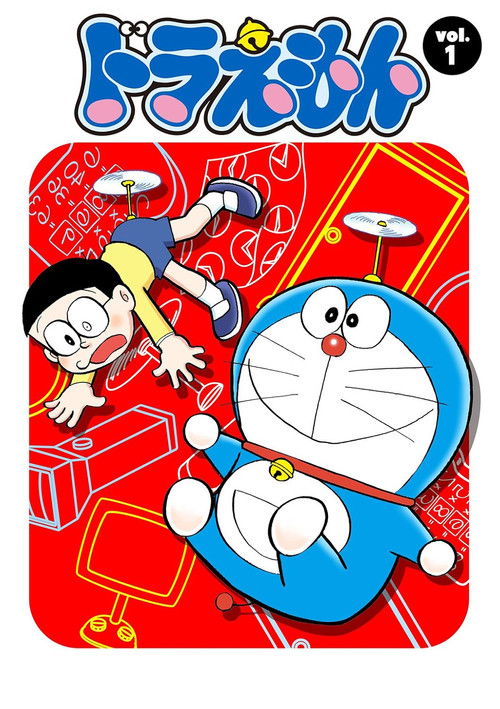
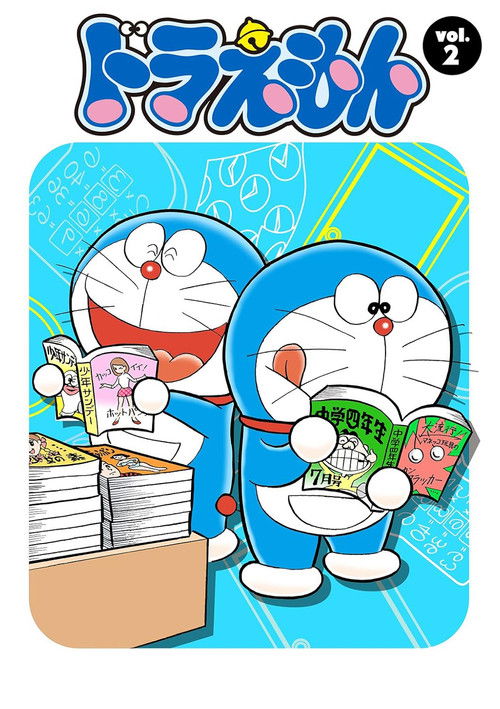
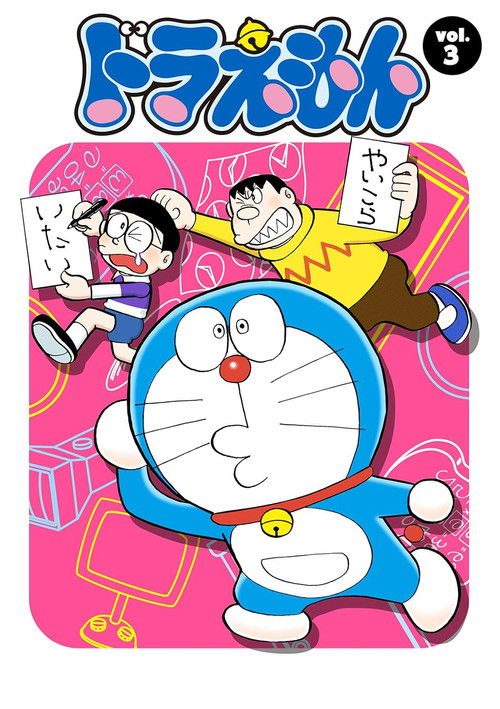
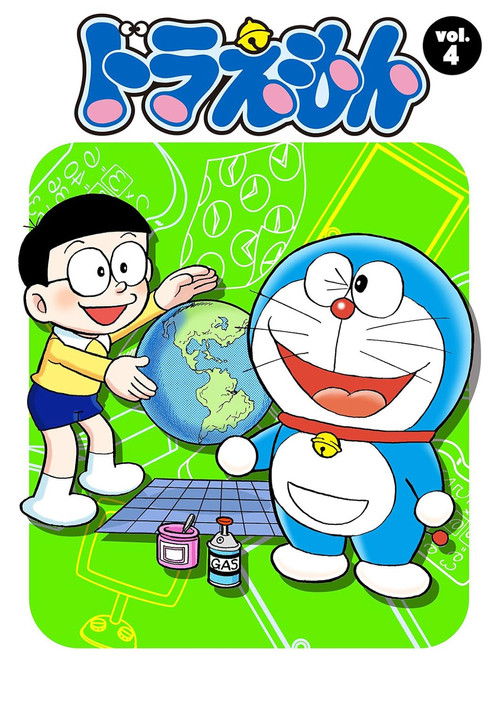
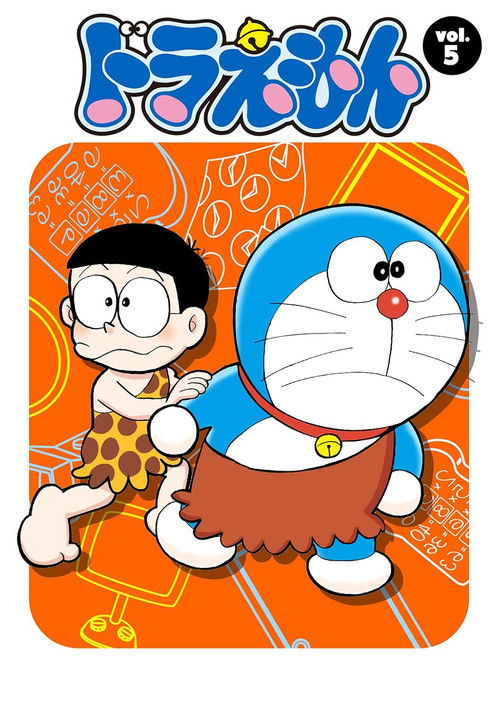
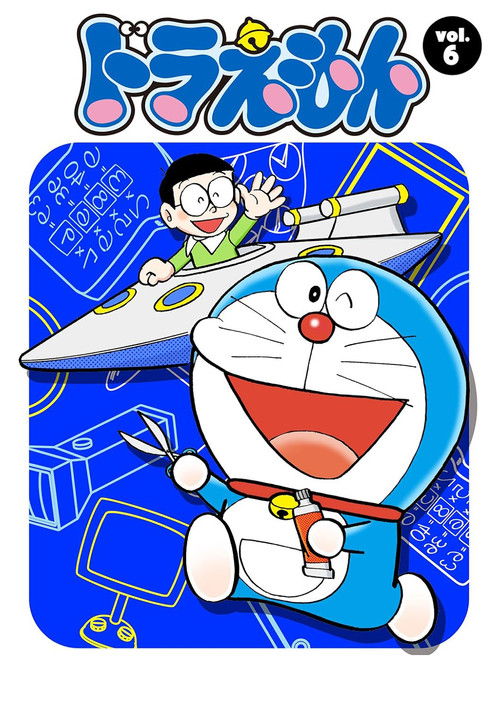
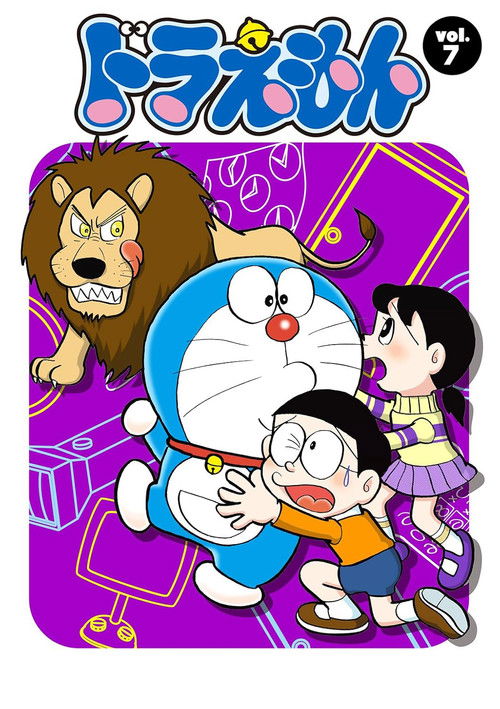
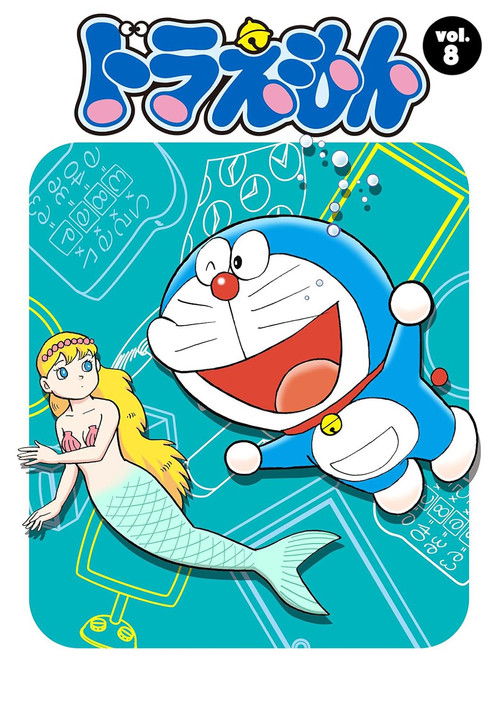
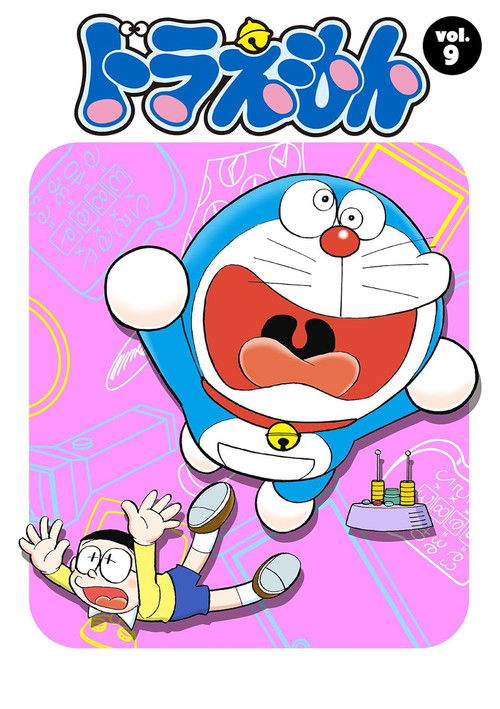
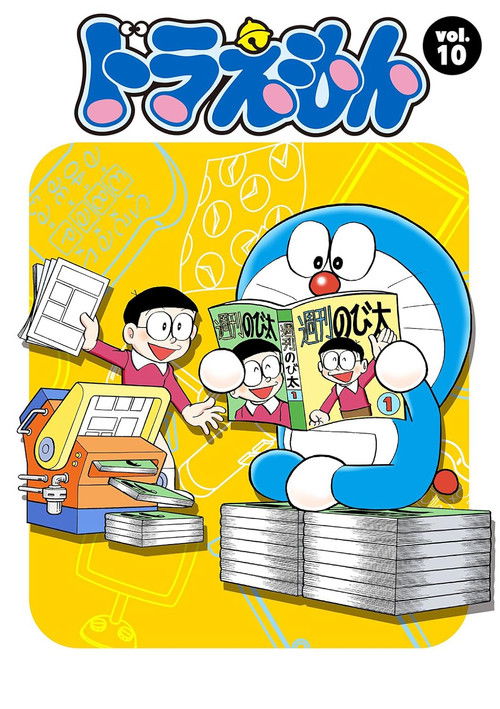
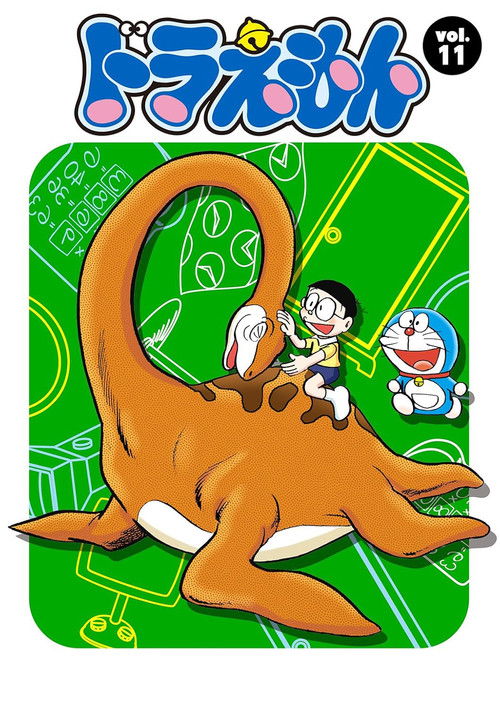
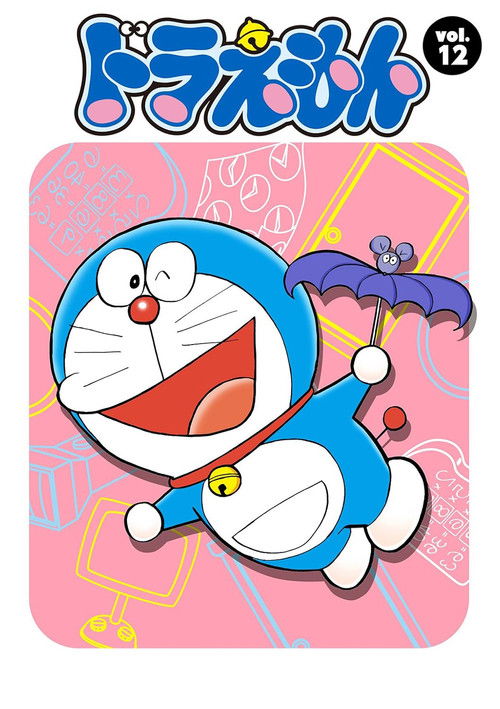
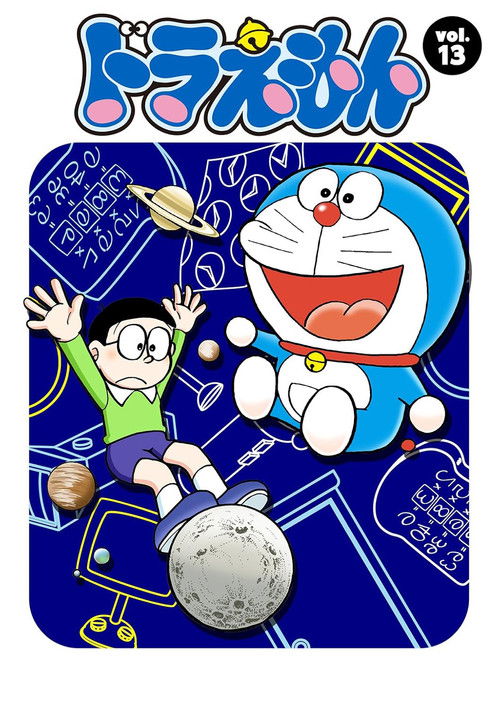
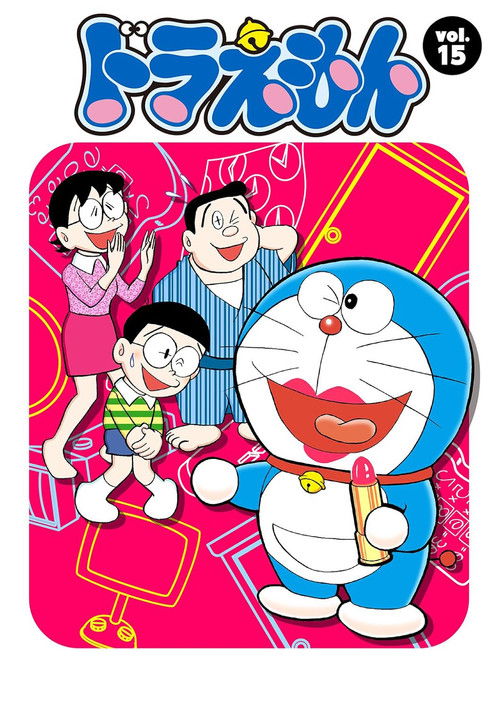
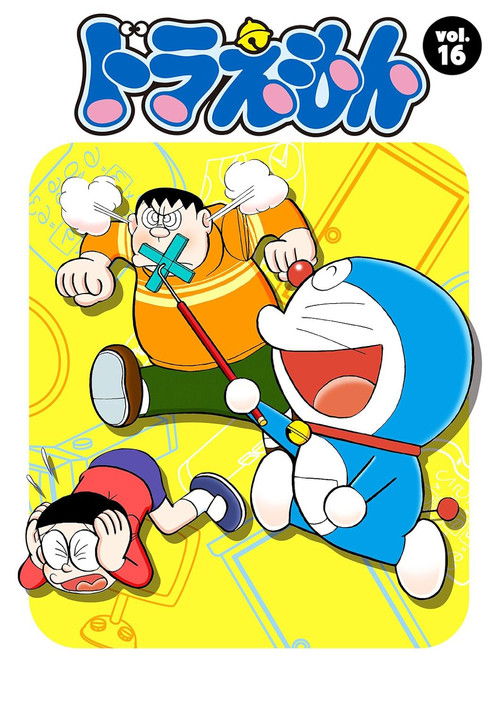
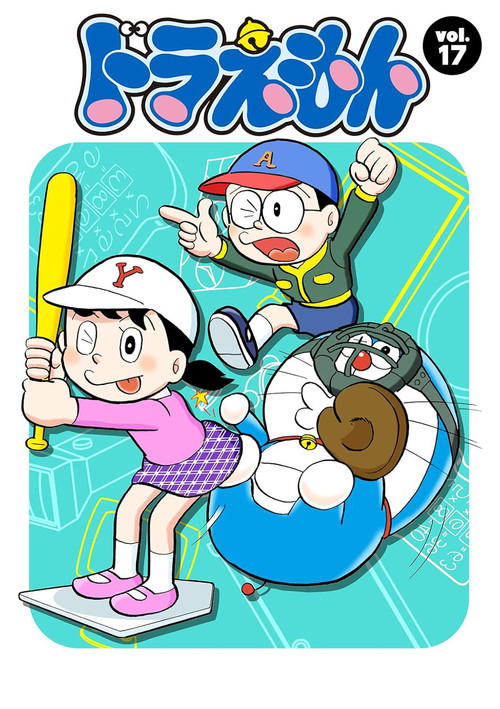
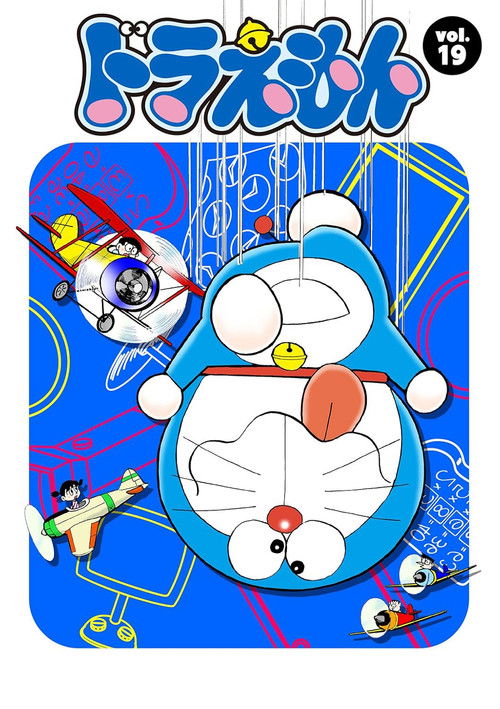
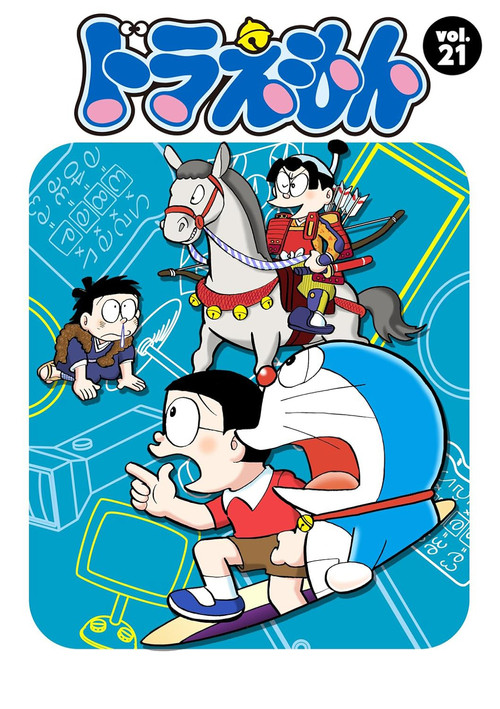
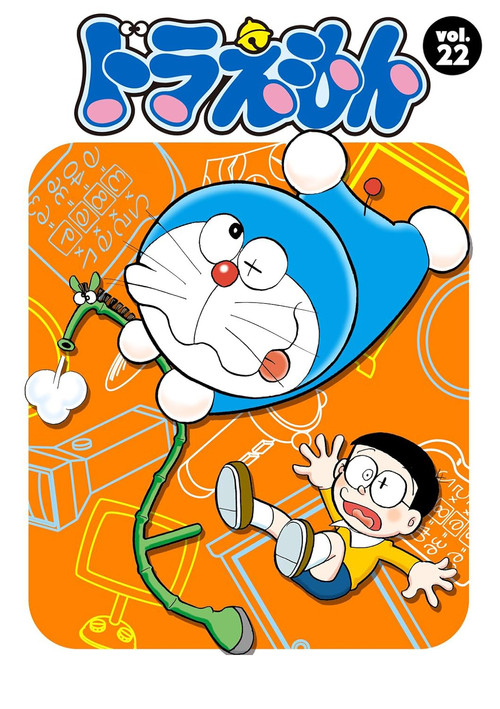
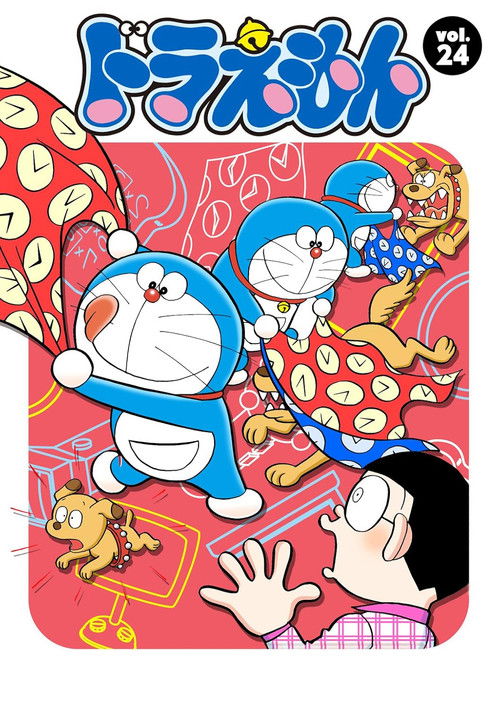
When Doraemon premiered on April 2, 1979, few could have predicted it would become one of the most enduring animated series in television history. Yet here we are, decades later, still talking about a robot cat from the future and his hapless human companion with genuine affection and respect. That longevity speaks volumes—27 seasons and 1,836 episodes didn’t happen by accident. This show tapped into something fundamental about storytelling that transcended generational boundaries and cultural borders.
What makes Doraemon remarkable isn’t flashy animation or cinematic ambition, but rather the deceptive simplicity of its premise paired with remarkably clever execution. The show centered around an elegantly straightforward concept: Nobita, a perpetually struggling student, receives help from Doraemon, a time-traveling robotic cat sent from the future to improve his life. Within that frame, the writers found infinite room for creativity. Each episode—clocking in at a brisk 11 minutes—needed to tell a complete story with setup, conflict, and resolution. That constraint forced discipline into the storytelling.
The genius of the format became apparent as the series progressed. Those 11-minute episodes didn’t feel rushed or truncated; they felt perfectly calibrated. There’s an almost musical quality to how Doraemon structures its narratives:
- Introduction of the problem: Nobita encounters a mundane challenge
- The gadget solution: Doraemon produces an impossibly inventive tool from his pocket
- Complications and chaos: The gadget creates unforeseen problems
- Resolution and lesson: Things return to normal, often with a gentle moral observation
This template proved endlessly flexible. Whether Doraemon was producing Memory Bread to help Nobita understand his schoolwork or deploying one of his hundreds of other futuristic inventions, the core structure maintained coherence while allowing wildly imaginative variations.
> The real brilliance of Doraemon lies not in what it showed us, but in what it made us imagine—the infinite possibilities contained within that robot cat’s magical pocket.
The show’s appeal bridged demographics in ways that few children’s programs manage. Yes, it aired on TV Asahi as a kids’ show, and yes, it was categorized under Action & Adventure, Animation, Comedy, Sci-Fi & Fantasy, Kids, and Family. But that multiplicity of genres wasn’t marketing speak—it genuinely represented the show’s content. The humor worked on multiple levels. Kids laughed at slapstick comedy and Doraemon’s exaggerated reactions, while older viewers appreciated the clever wordplay and satirical observations about school life and human nature. The sci-fi elements weren’t window dressing; they served as vehicles for exploring real emotional truths about friendship, perseverance, and self-improvement.
What distinguished Doraemon from other long-running series was its consistent quality across an astonishing episode count. With 1,836 episodes spanning 27 seasons, the show faced the inevitable challenge of maintaining freshness and viewer engagement. The 7.7/10 rating reflects a show that was, by most measures, consistently solid if not universally acclaimed. That’s actually quite impressive when you consider the sheer volume of content—sustaining quality across that many episodes while keeping audiences engaged is genuinely difficult.
The show’s cultural footprint extended far beyond its original Japanese audience. Doraemon became a genuine phenomenon across Asia and eventually worldwide. It sparked conversations about the intersection of technology and humanity, about how tools—no matter how advanced—can’t solve fundamental character problems. It became iconic not through individual watershed moments but through the accumulation of thousands of small, perfect episodes that embedded themselves in viewers’ memories.
The characters themselves became archetypes that resonated across cultures. Nobita represented every person struggling with self-doubt and limitations. Doraemon embodied patience and unconditional friendship. Supporting characters like Suneo and Gian represented the social dynamics every viewer had experienced in their own lives. This universality was the show’s secret weapon.
- The innovation in pacing: 11-minute episodes taught a generation of storytellers how to maximize narrative efficiency
- The emotional depth beneath the comedy: The friendship between Nobita and Doraemon carried genuine weight
- The thematic consistency: Despite wildly different plots, episodes conveyed similar messages about growth and friendship
- The world-building restraint: The show never over-explained its logic; it trusted audiences to accept the premise and focus on character
From a creative standpoint, the unknown creators (or perhaps the collective genius of the writing staff) demonstrated remarkable vision. They understood that children’s television didn’t need to condescend or simplify beyond recognition. Doraemon treated its audience with respect, presenting complex emotions and ethical dilemmas wrapped in accessible, entertaining packages. The show’s commitment to this approach never wavered, which is why it maintained relevance across three decades.
The series ultimately ended after an extraordinary run, but its influence persists. It established templates that anime and children’s television continue to follow. More importantly, it proved that consistency, heart, and creative constraint could combine to create something genuinely special. Doraemon may have concluded, but its legacy continues to inspire anyone interested in understanding how television storytelling can connect with audiences on profound levels while remaining endlessly entertaining.