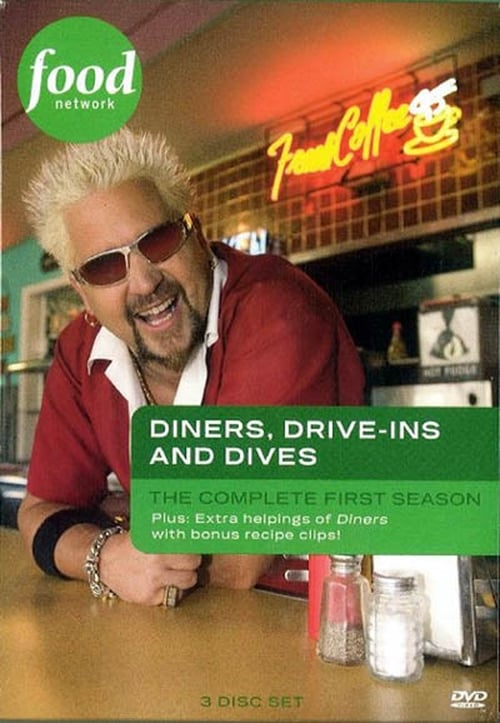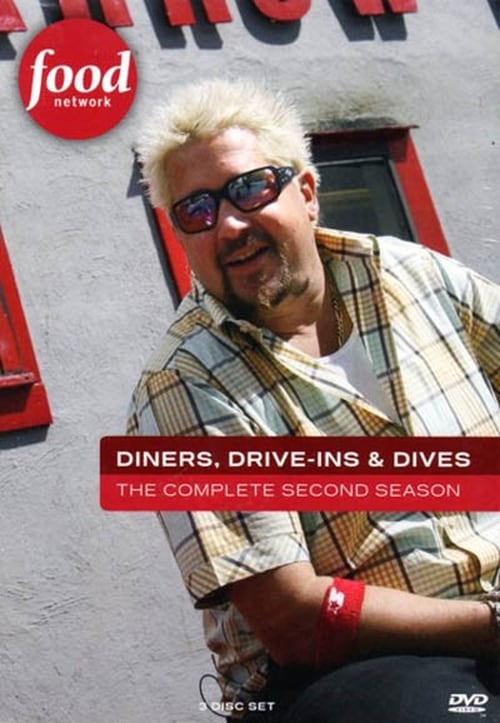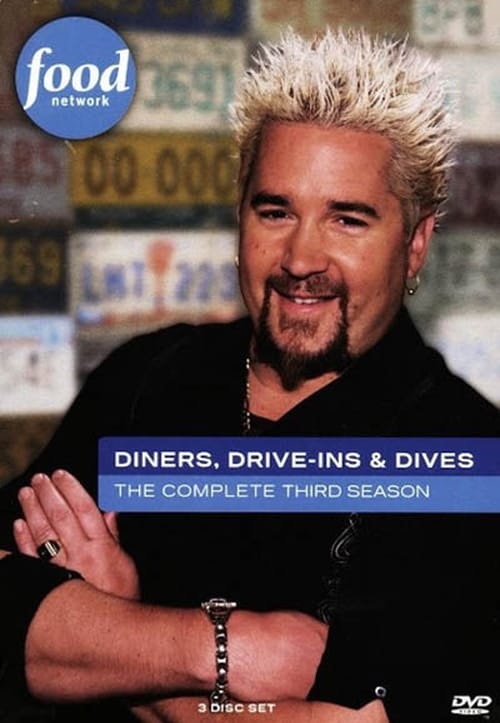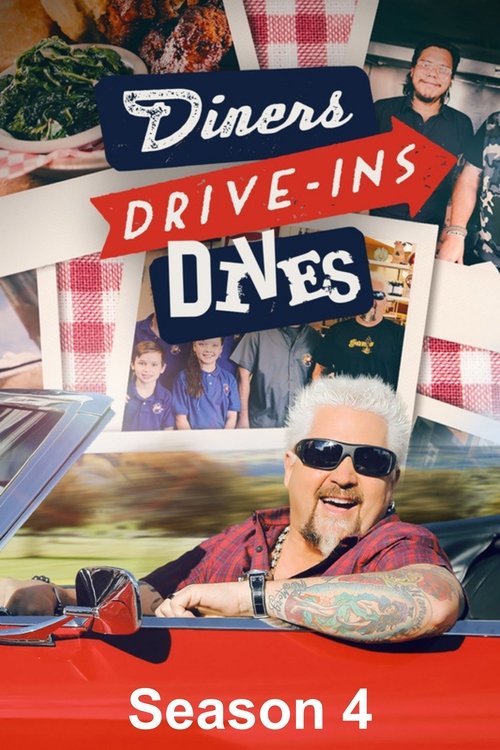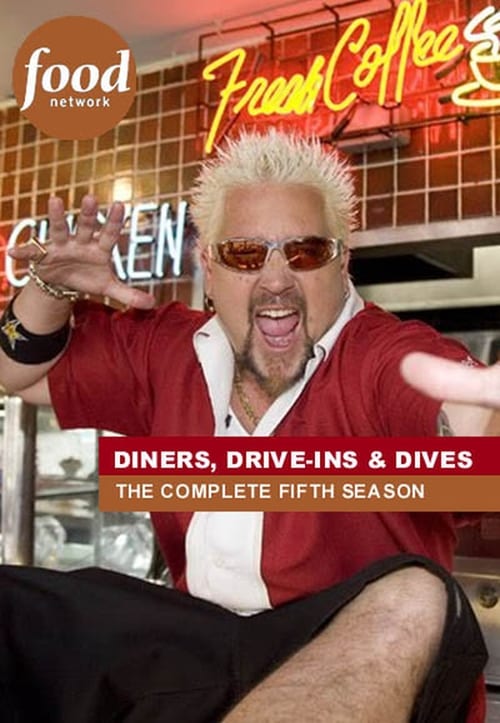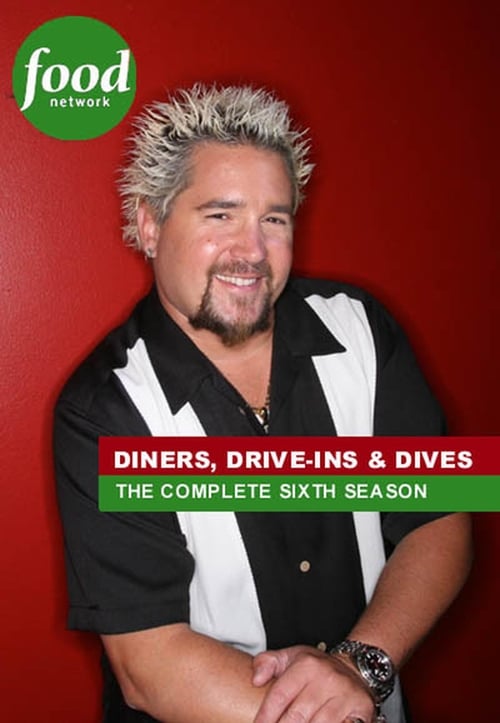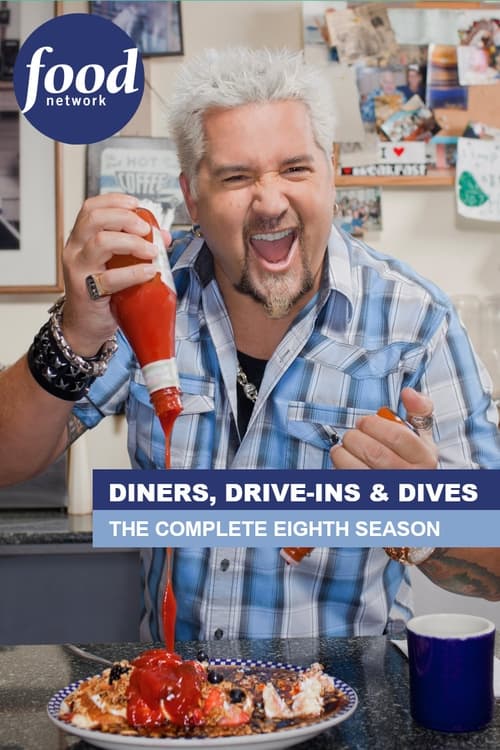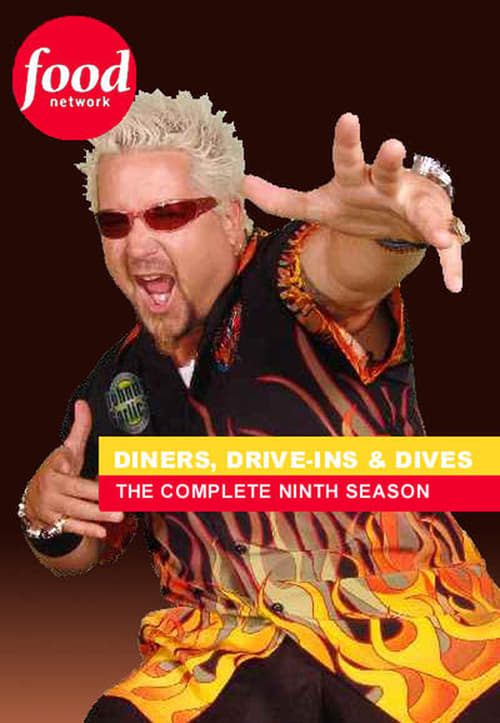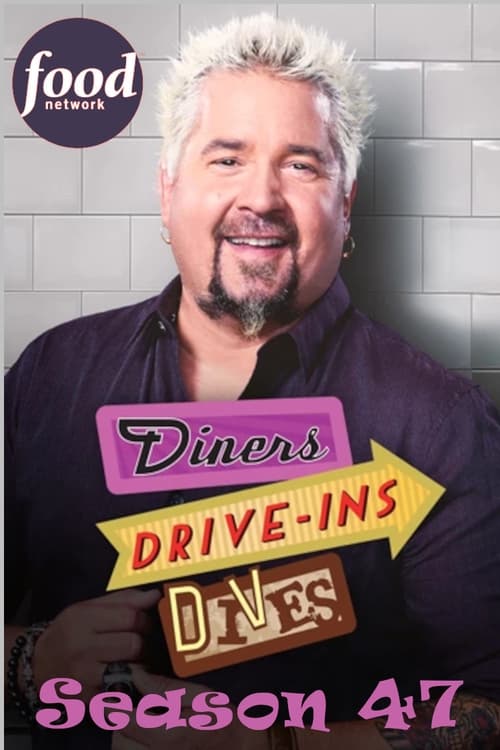
When Diners, Drive-Ins and Dives premiered on April 23, 2007, nobody could have predicted it would become the cultural juggernaut it remains today. At its core, it’s a deceptively simple premise: a charismatic host visits independent food establishments across America, celebrates what makes them special, and shares the stories behind the people running them. But what started as a straightforward documentary series about regional cuisine evolved into something far more significant—a love letter to American entrepreneurship, community, and the unsung heroes of our food landscape.
The show’s staying power speaks volumes. We’re now seventeen years into what’s become a 54-season behemoth with nearly 700 episodes under its belt, and it’s still going strong as a returning series. That kind of longevity in the competitive food television space is genuinely remarkable. Yet what’s even more impressive is how the format itself proved to be a masterstroke of storytelling efficiency. The tight 22-minute runtime forced creators to distill each episode into something punchy and purposeful—no bloated narratives, no unnecessary drama. Every moment counts, and that discipline transformed what could’ve been forgettable fluff into genuinely compelling television.
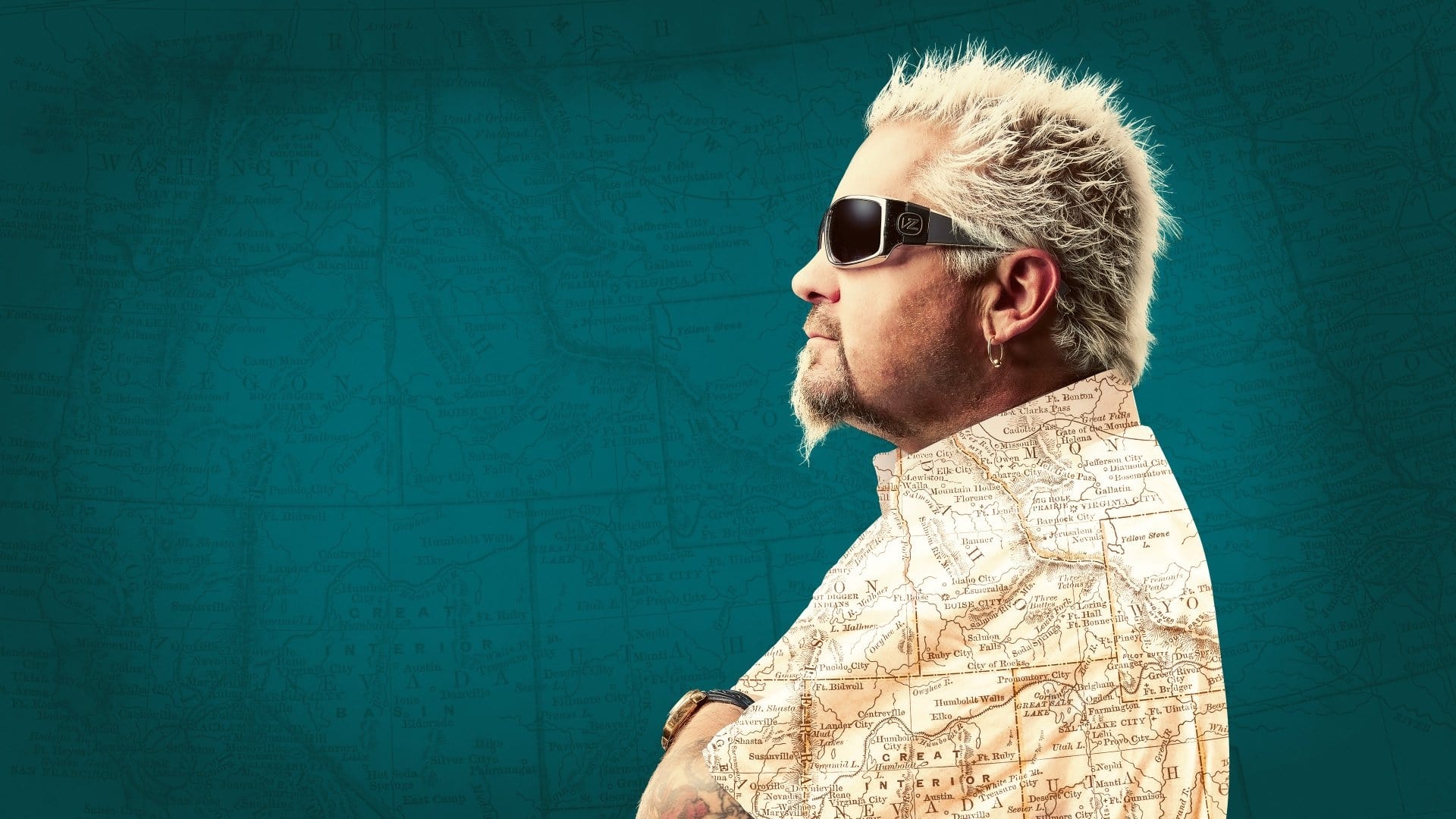
Host Guy Fieri became the face of the show, and his approach completely changed how food content operated on television. He wasn’t a snobby chef or a pretentious food critic; he was genuinely excited to be there, genuinely interested in the owners’ stories, and genuinely hungry. That authenticity resonated in ways that more polished, traditional food programming simply couldn’t match. Audiences connected with him precisely because he seemed like someone you’d actually want to grab a meal with.
> The show proved that you didn’t need fancy production values, celebrity chefs, or dramatic competition formats to create compelling television. What you needed was curiosity, respect for the craft, and genuine human connection.
The cultural footprint this series left on American television cannot be overstated. Before DDD, food television occupied a fairly narrow lane—cooking shows where chefs demonstrated techniques, or competitive programs designed for maximum drama. Diners, Drive-Ins and Dives shifted the entire paradigm by saying: “These regular places, these mom-and-pop operations, these family recipes passed down through generations—they’re worth celebrating on national television.” It democratized food culture in a way that felt revolutionary at the time.
What’s particularly noteworthy is how the show navigated its rating trajectory. The initial seasons started strong, with Season 1 drawing solid viewership around 34.9, before settling into a more consistent viewership pattern throughout its run. The 6.8/10 rating might seem modest on paper, but context matters enormously here. This number reflects the show’s nature as comfort television—it’s not designed to generate heated water-cooler debates or viral moments. It’s designed to be reliable, warm, and available whenever you want to watch someone discover incredible food made by passionate people. That’s not a weakness; that’s a feature.
The distribution strategy reflects how thoroughly the show has woven itself into the fabric of modern entertainment. Available on Disney Plus, Hulu, HBO Max, YouTube TV, Philo, Food Network, and Discovery+, DDD exists everywhere. Younger audiences who’ve never watched it on Food Network can stumble upon it on Disney Plus and discover why their parents have been obsessed with it for years. This omnipresence has only strengthened its cultural relevance.
The Creative Vision That Endured:
What made this format so genius was its replicability with authenticity. Each episode could follow a similar structure—arrive at the restaurant, interview the owner, watch food being prepared, taste the results—yet never feel repetitive because the human element was always different. That’s the real storytelling achievement here. The documentary-reality blend meant the show respected both genuine documentary filmmaking (the stories, the character development) while embracing the entertainment value of reality television (the spontaneity, the genuine reactions). It walked that line beautifully.
The show also inadvertently created its own mythology. Certain episodes became iconic—the ones where Fieri visited particularly memorable establishments, or where the food was so stunning it transcended the small screen. Certain restaurants became pilgrimage sites for fans. Some owners became minor celebrities in their own right. The show didn’t just document food culture; it actively shaped it, turned relatively unknown establishments into destinations, and gave small business owners a national platform.
Why It Still Matters:
Even as food television has diversified significantly—with everything from fine dining shows to cooking competitions to extreme food challenges—DDD maintains its position as the #1 most popular show on Food Network. That consistency over nearly two decades is extraordinary. It suggests the format tapped into something fundamental about how audiences want to consume food content: as celebration rather than competition, as community rather than spectacle.
The show’s thirteen-season run since 2007 has given it enough history and depth that it’s become something of a television institution. New viewers encountering it for the first time are greeted with a massive library of content, each episode a little discovery waiting to happen. The returning series status ensures that magic continues, that there are still diners, drive-ins, and dives out there waiting to be discovered and shared with millions of viewers who’ve come to trust Fieri as their guide through America’s most authentic food culture.