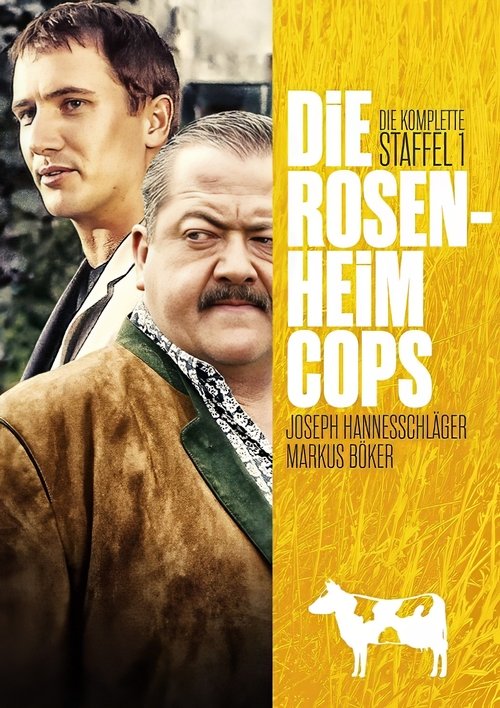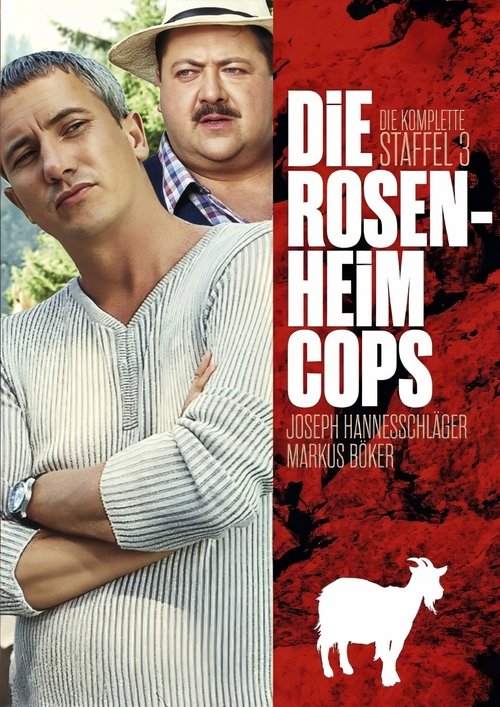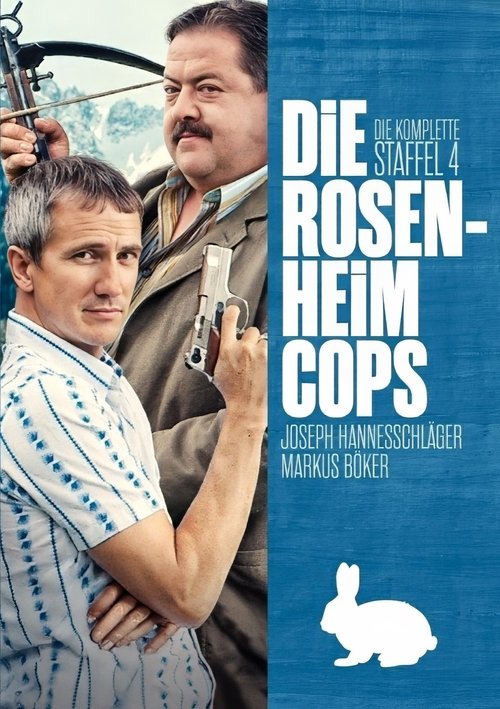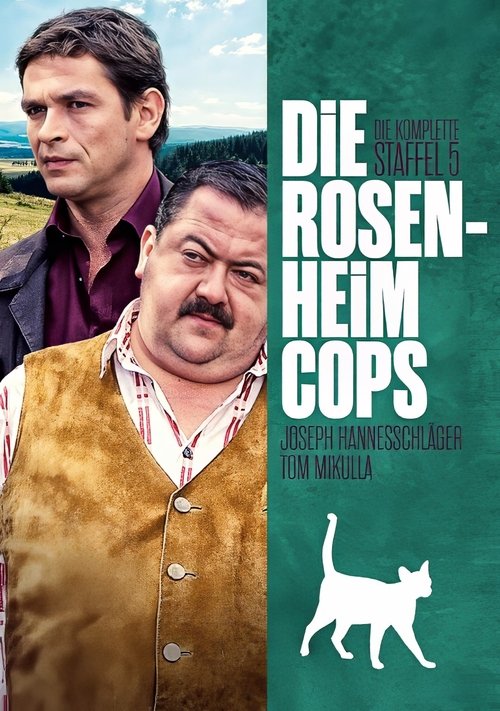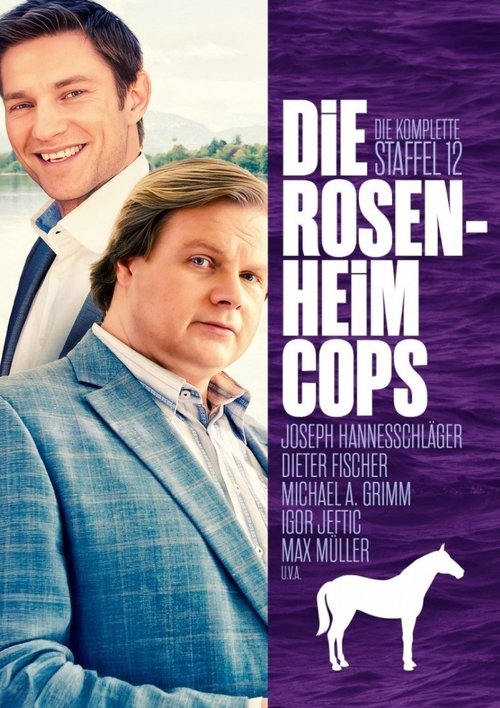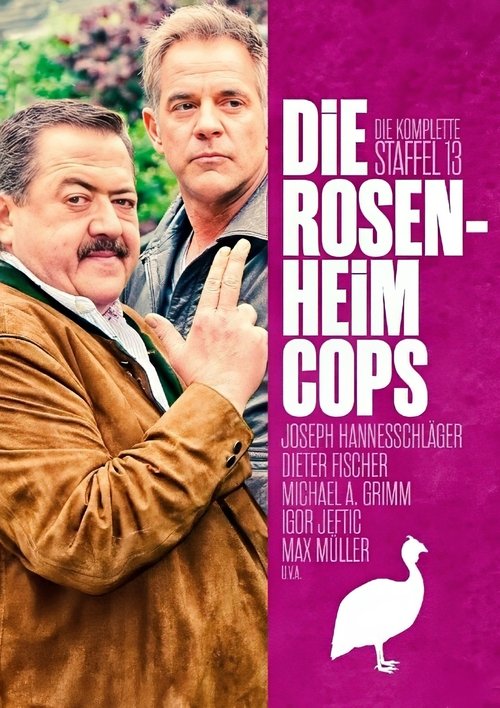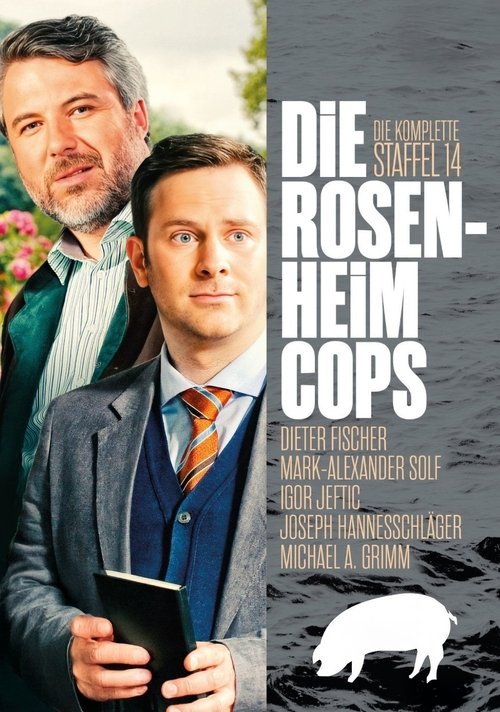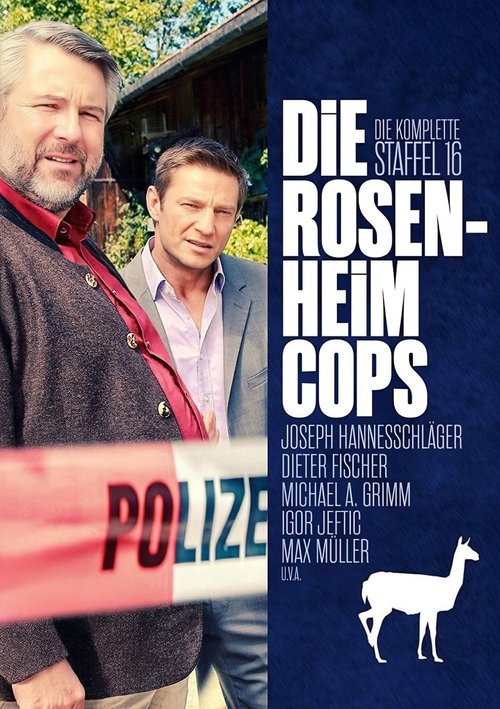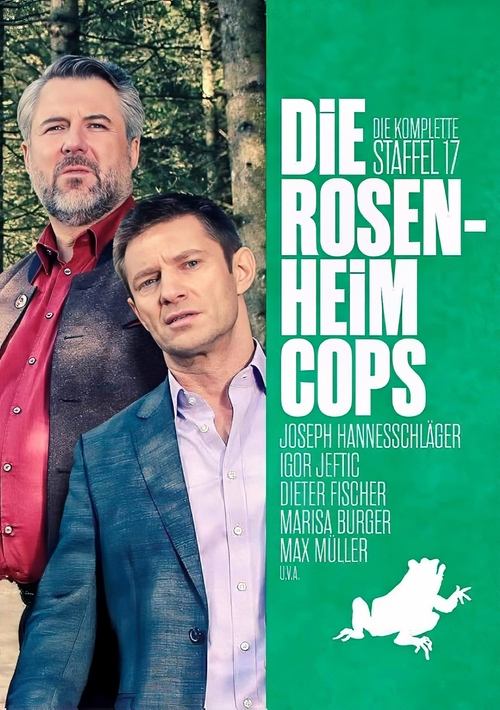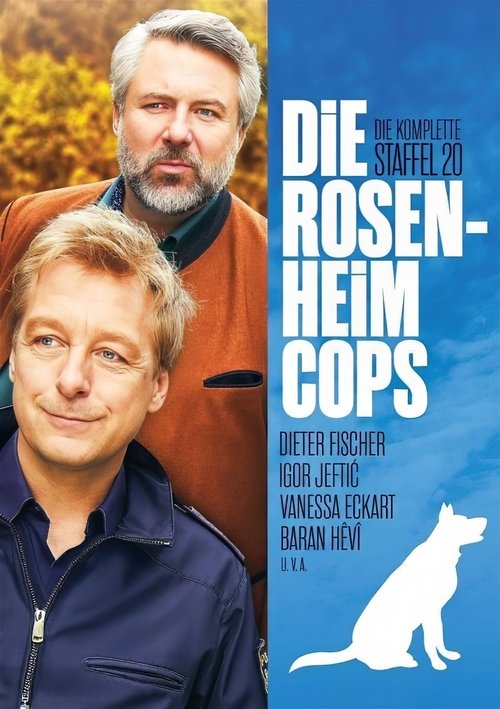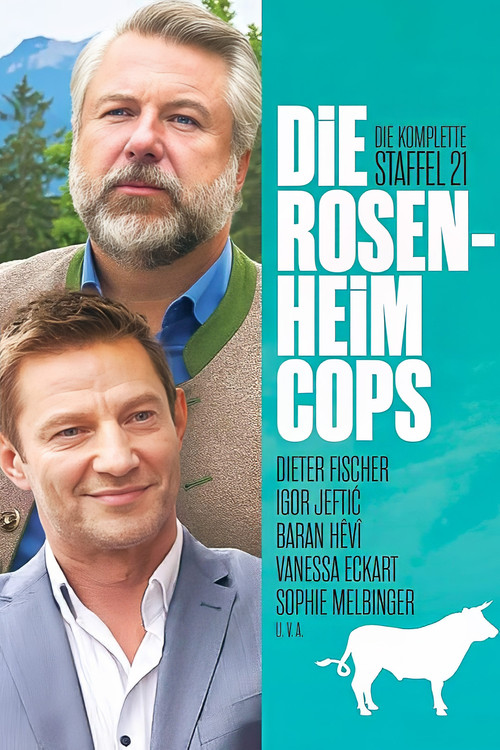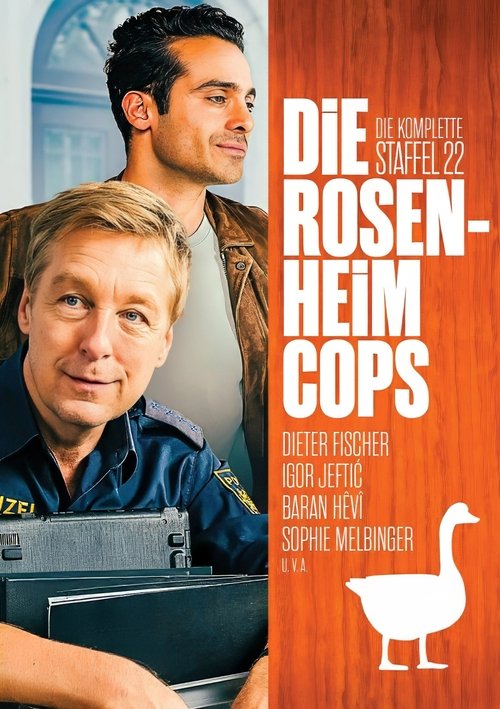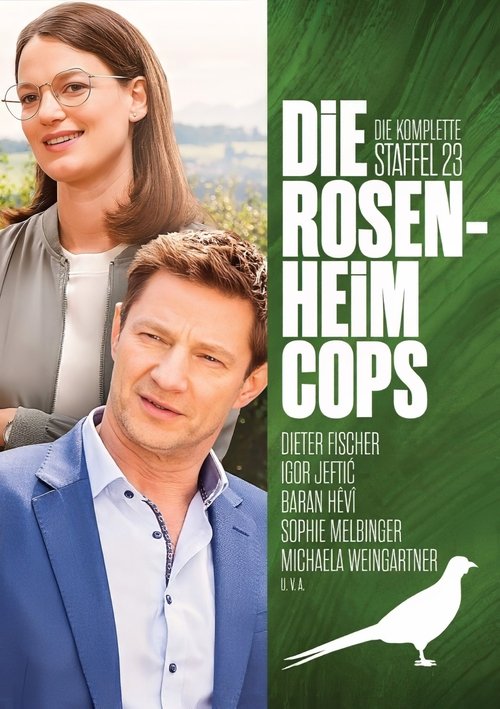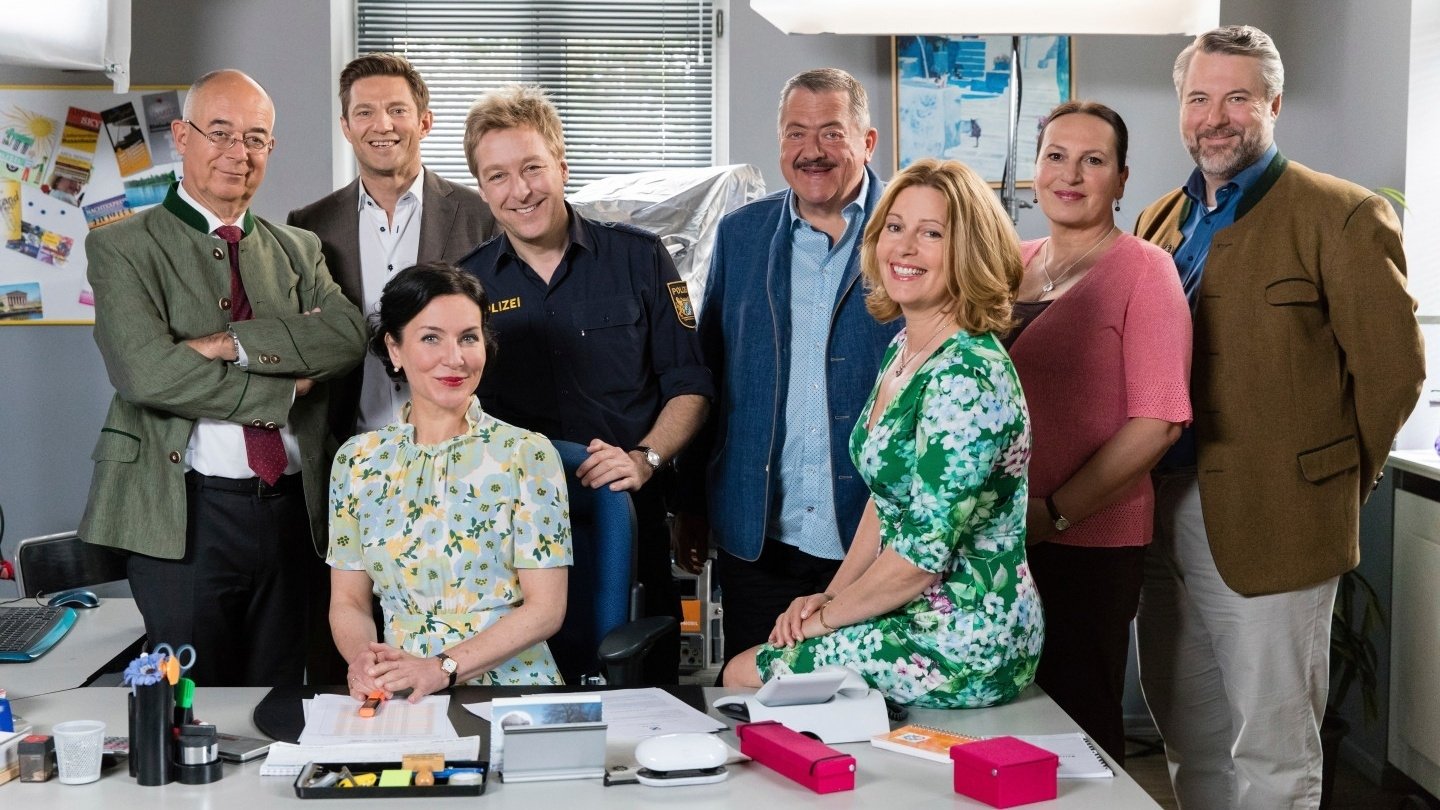
When Die Rosenheim-Cops premiered on ZDF back in January 2002, few could have predicted it would become one of German television’s most enduring series. What started as a modest crime procedural set in the picturesque Bavarian town of Rosenheim has evolved into a cultural institution, spawning 587 episodes across 25 seasons and maintaining an impressive longevity that speaks volumes about its appeal. The show didn’t arrive as a prestige drama designed to win international accolades—it was something more valuable: a consistently engaging piece of television that understood its audience and never stopped delivering what they came for.
The premise itself is elegantly simple. A team of inspectors tackles murders and mysteries in and around their idyllic Upper Bavarian setting, where the breathtaking Alpine landscape provides a stark contrast to the darker crimes they investigate. This juxtaposition between the serene, postcard-perfect town and the criminal underworld lurking beneath its surface creates a unique tension that distinguishes Die Rosenheim-Cops from more cynical urban crime procedurals. There’s something distinctly German—and distinctly Bavarian—about the show’s sensibility: the crimes are treated with appropriate seriousness, but the creators understood that life in a small town operates by different rules than in sprawling metropolitan centers.
> The show’s greatest strength lies in its refusal to take itself too seriously while never compromising on the investigative craft that forms its backbone.
What made Die Rosenheim-Cops resonate with audiences across two decades wasn’t revolutionary storytelling in the prestige television sense. Instead, it was reliability and heart. The 45-minute episode structure proved perfectly calibrated for the show’s storytelling approach—long enough to develop character moments and let scenes breathe, short enough to maintain momentum and keep the mystery’s central puzzle satisfying. This format became a template the show never needed to abandon, suggesting that sometimes the most effective creative decisions are those that understand their medium rather than fight against it.
The show’s 6.2/10 rating, while respectable rather than extraordinary, actually tells an interesting story about its place in television culture. Unlike prestige dramas that accumulate passionate devotees, Die Rosenheim-Cops has always been a show watched by millions of casual viewers who appreciate solid craftsmanship without needing critical validation. Its audience has remained remarkably stable throughout its run—people tune in for the mysteries, the Bavarian charm, and the comfortable familiarity of returning to a place and characters they trust. That’s a different kind of success than viral acclaim, but it’s arguably more sustainable.
The creative achievement deserves closer examination. The show’s approach to blending crime and comedy set a template that German television would revisit repeatedly. The humor never undercuts the investigations—instead, it emerges naturally from character interactions and the specific absurdities of small-town crime-solving. Perhaps a witness claims the victim was haunted by ghosts, or a murder weapon turns out to be connected to a decades-old town rivalry. These moments acknowledge that real crime, even tragic crime, often intersects with the mundane and occasionally ridiculous aspects of ordinary life.
The Rosenheim setting itself functions almost as a character—the town has its own personality, history, and recurring complications. Viewers aren’t just following detectives through anonymous crime scenes; they’re watching investigators navigate a community they’re deeply embedded within. This creates storytelling opportunities that pure crime procedurals simply cannot access. The inspector who arrests a suspect this week might encounter that suspect’s family member next week at the market. Crimes carry ripple effects through a tightly-knit community in ways that feel authentic to how small towns actually operate.
What’s particularly notable is how the show sustained itself across 25 seasons without apparent desperation for reinvention. Rather than chasing trends or attempting dramatic tonal shifts, Die Rosenheim-Cops trusted its formula because that formula genuinely worked. The decision to maintain this consistency likely protected the show from the kind of critical fatigue that affects series that constantly attempt to evolve beyond their core appeal. Audiences knew what they were getting, and that knowledge translated into reliable viewership.
The show’s cultural footprint in Germany and German-speaking territories has been substantial, even if it hasn’t achieved the international recognition of prestige dramas. It represents a particular kind of television success—the kind that builds through word-of-mouth and habit-viewing rather than social media discourse or critical passion. Families have watched Die Rosenheim-Cops together for generations now, with the show becoming part of viewing rituals and traditions. That’s a different but genuinely important form of cultural impact.
Returning Series status after more than two decades speaks to something essential: the show still has stories to tell, and its audience still wants to watch them unfold. In an era where even celebrated prestige dramas struggle to maintain relevance beyond four or five seasons, Die Rosenheim-Cops continues forward, suggesting either that the creators have found a sustainable creative model or that the show’s appeal proves genuinely timeless. Likely it’s both.
For television enthusiasts, Die Rosenheim-Cops represents a particular television philosophy worth appreciating: the conviction that consistent quality, character development, and genuine understanding of audience expectations can sustain a series far longer than critical acclaim alone. It’s not revolutionary, but it’s resilient—and in television, resilience across 587 episodes tells its own compelling story about what audiences actually value versus what critics insist they should.