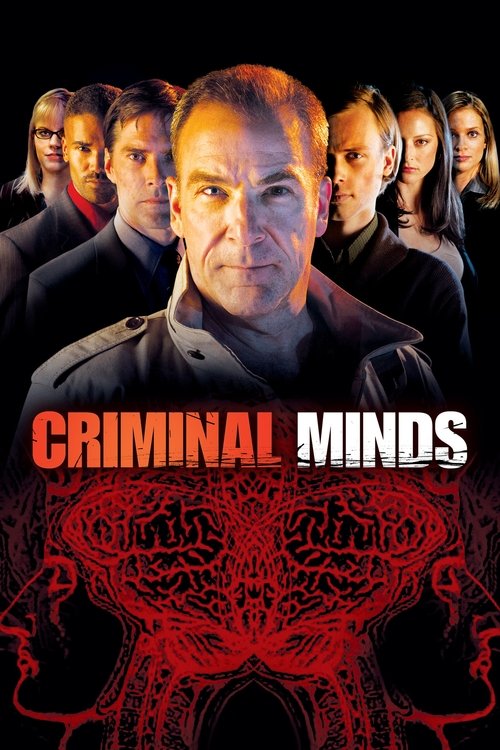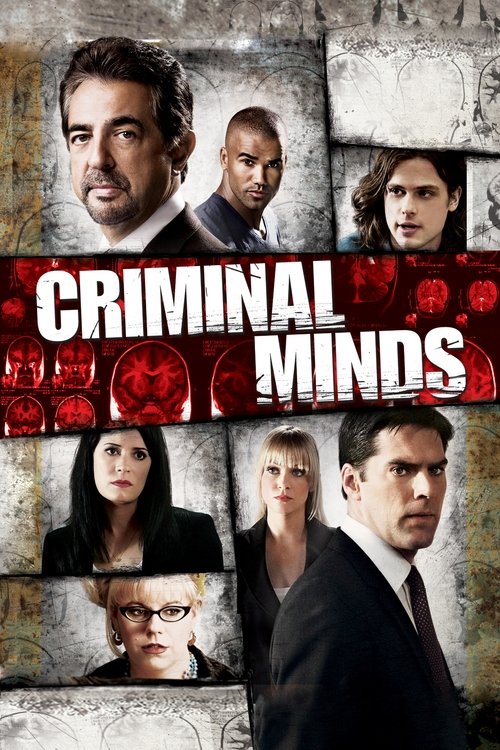
When Criminal Minds debuted in September 2005, it arrived during a landscape already saturated with crime procedurals. What Jeff Davis created, however, was something that would prove far more enduring than a standard weekly mystery-solver. By shifting focus from the crime scene to the criminal’s mind, Davis fundamentally reframed how television audiences could engage with the crime genre. Instead of watching detectives piece together clues, we were invited into the psychological profiles of predators—a perspective that felt fresh, unsettling, and utterly compelling. That singular creative choice established the show’s DNA in a way that would sustain it through 354 episodes across 19 seasons.
The show’s longevity speaks volumes about its appeal, but the 8.3/10 rating it maintains tells an even richer story. That score represents something genuinely impressive: a show that started strong and kept audiences invested through nearly two decades of storytelling. It’s the kind of rating that reflects both critical respect and genuine viewer devotion—the hallmark of prestige television that never forgot how to entertain.
What made the BAU concept so magnetic? The Behavioral Analysis Unit felt like a revolutionary lens through which to examine crime drama:
- Psychological depth: Rather than procedural mechanics, the show prioritized understanding why criminals acted as they did
- Team dynamics: The ensemble cast created a family unit that viewers genuinely cared about across multiple seasons
- Methodical investigation: The team’s approach—building profiles, predicting behavior, getting inside the killer’s head—created genuine intellectual engagement
- Moral complexity: Cases weren’t always about clear-cut justice; they explored the psychological toll of understanding darkness
This wasn’t just a show about solving crimes; it was a show about the human cost of staring into the abyss professionally, week after week.
> The cultural footprint Criminal Minds left on television is substantial. It didn’t just spawn countless imitators; it fundamentally validated the psychological thriller as a sustainable television format.
The show’s influence extended far beyond ratings. It sparked genuine cultural conversations about criminal psychology, victim advocacy, and the nature of evil itself. Fans developed deep parasocial connections with characters like Reid, Garcia, and Hotch—not because they were conventionally heroic, but because they felt achingly real. The show excelled at balancing procedural momentum with character development, allowing viewers to witness the personal lives and traumas of profilers as they confronted society’s darkest corners. Those character arcs accumulated genuine emotional weight across seasons.
Iconic moments accumulated throughout the show’s run—cases that felt ripped from psychological textbooks, episodes that tackled mental illness and trauma with surprising nuance, and character deaths that genuinely devastated the fanbase. These weren’t gratuitous; they felt earned through seasons of investment. The show understood that emotional stakes required temporal investment, and it was willing to spend that currency.
The streaming era has been particularly interesting for Criminal Minds. The fact that it’s currently climbing Paramount+’s most-streamed charts at No. 8 demonstrates something crucial: the show’s foundational appeal transcends its original broadcast moment. A show about understanding criminal psychology doesn’t age the way some procedurals do. If anything, the psychological frameworks feel increasingly relevant as audiences develop more sophisticated understandings of mental health and criminal behavior.
The creative achievements that sustained this run:
- Consistent quality in the writing room: Maintaining coherent character arcs across 354 episodes required disciplined storytelling and respect for what came before
- Visual storytelling: The Unknown episode runtimes allowed stories to breathe and build tension organically, rather than conforming to rigid time constraints
- Casting and performance: The ensemble cast brought Shakespearean depth to what could have been flat archetypes
- Genre evolution: The show managed to stay relevant by evolving its approach to crimes and psychology without abandoning its core identity
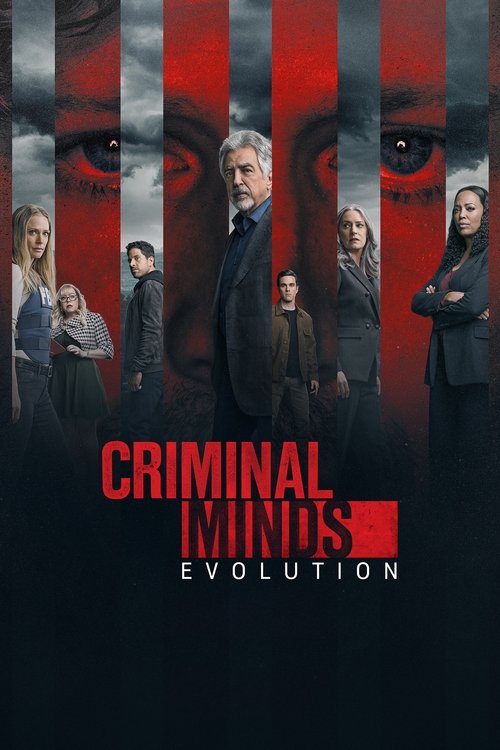
The show’s return status as an active series speaks to something producers and networks rarely admit: some shows genuinely deserve to continue. Criminal Minds isn’t being resurrected for nostalgia or corporate mandates alone. The Paramount+ reboot and this continuing run exist because there’s an audience that still finds value in the BAU’s methodology. There’s still cultural interest in the psychological frameworks the show explores.
Perhaps most importantly, Criminal Minds proved that a show could maintain its core formula while remaining sophisticated enough to satisfy audiences who’ve grown more media-literate across two decades. It didn’t need to deconstruct itself or play ironic games with its premise. It simply remained deeply committed to character, psychology, and the complex human stories that emerge when brilliant profilers dedicate their lives to understanding violence. That consistency, executed at a high level across 19 seasons, is precisely why it deserves serious consideration as one of television’s most significant crime dramas—not just a successful procedural, but a show that fundamentally expanded what the crime genre could explore.