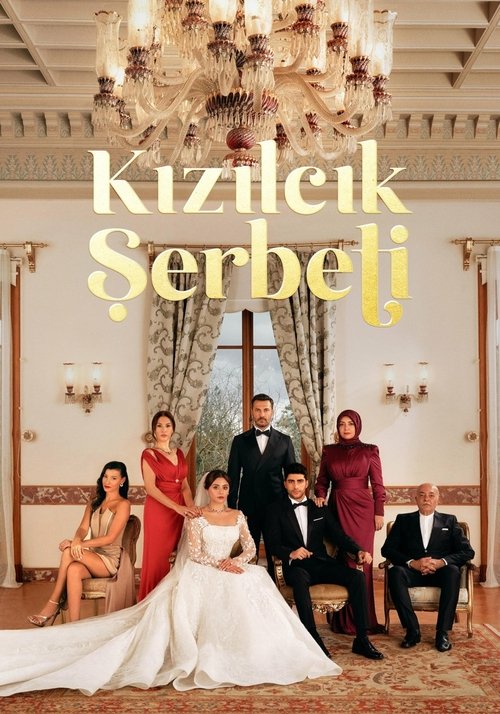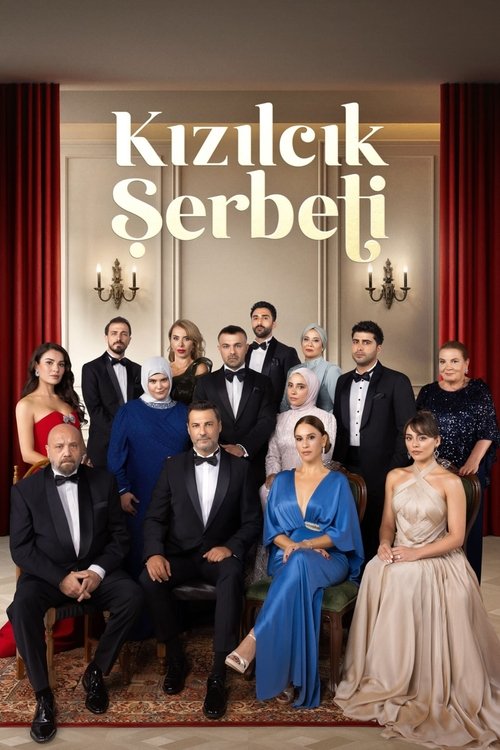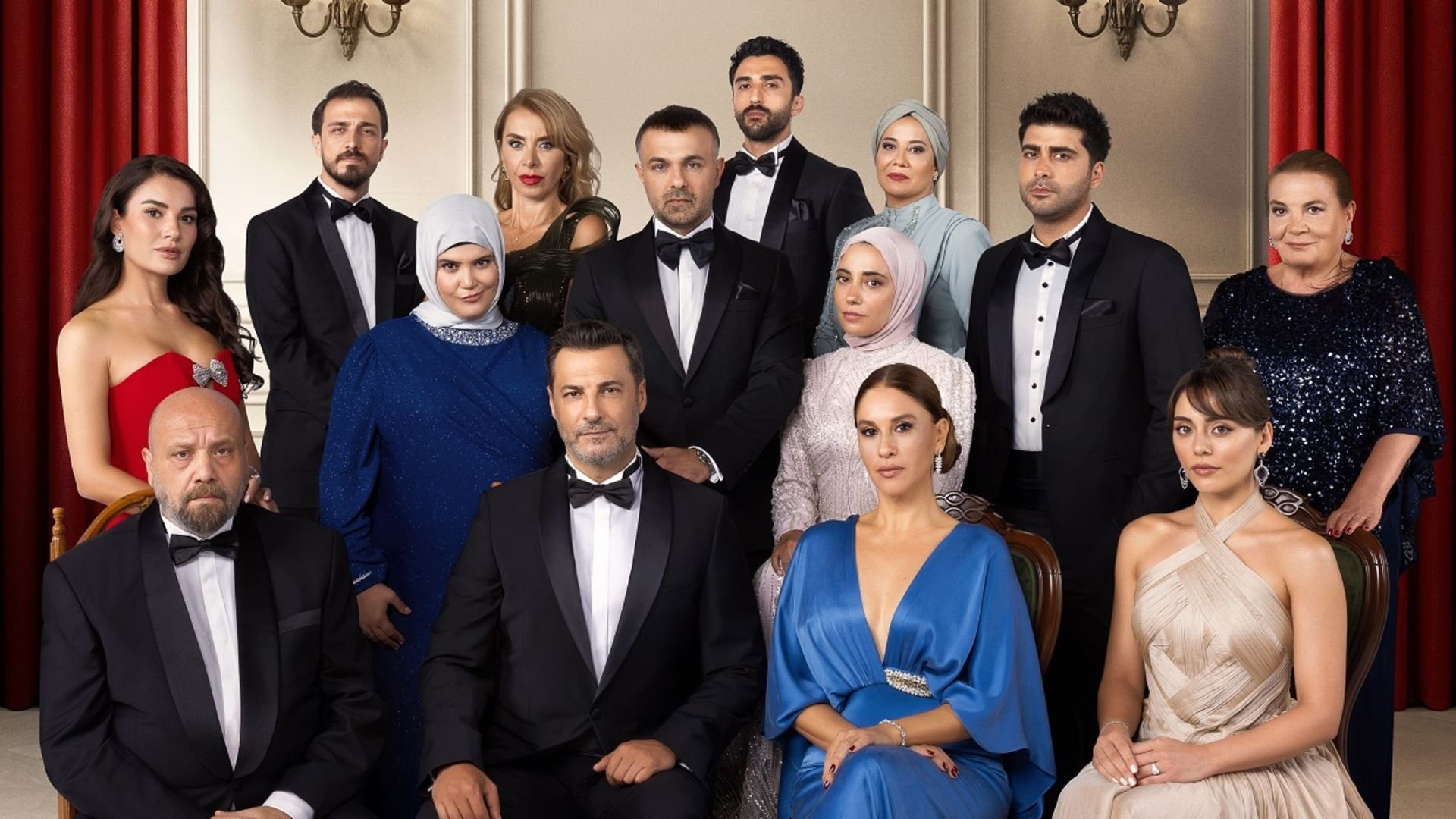
When Cranberry Sorbet debuted on Show TV in late October 2022, it arrived with a premise that felt immediately familiar yet distinctly fresh: a modern love story caught between idealism and tradition, centered on Doga and her unexpected romance with a man from a deeply devout family. What unfolded over four sprawling seasons and 128 episodes became far more complex than a simple romantic drama—it became a meditation on cultural collision, family dynamics, and the messy reality of love existing at the intersection of opposing worldviews.
The show’s most striking creative choice was its runtime. At 140 minutes per episode, creator Melis Civelek refused to compress emotional moments or rush through character development. This extended format allowed scenes to breathe in ways that conventional television rarely permits. Rather than cutting away when tension simmered, the camera lingered, letting viewers sit uncomfortably with characters as misunderstandings spiraled and hearts broke. That commitment to unhurried storytelling became the show’s defining characteristic—a deliberate slowness that some found meditative and others found frustrating, but which undeniably created a distinctive viewing experience.
> The real genius of Cranberry Sorbet was understanding that family drama doesn’t resolve neatly. It accumulates, shifts, reconfigures itself, and repeats.
The premise itself tapped into something culturally significant. Here was a Turkish drama exploring the genuine friction between secular modernity and religious tradition, not through preaching but through the lived experience of characters who genuinely loved each other while remaining fundamentally at odds. Doga’s idealism wasn’t mocked; the Unal family’s devotion wasn’t villainized. Instead, the show presented both perspectives with enough nuance to make viewers uncomfortable in productive ways—the kind of discomfort that sparks real conversation rather than performative outrage.
Across its four-season journey, the show experienced a notable trajectory that tells its own story:
- Season 1 arrived with explosive chemistry and genuine stakes, capturing audiences with its central romance and family tensions
- Season 2 deepened the complexity, introducing complications that felt earned rather than manufactured
- Season 3 shifted into more intricate territory, testing whether the core relationship could sustain multiple betrayals and misunderstandings
- Season 4 moved into what felt like denouement, exploring whether transformation was possible or whether some conflicts were simply irreconcilable
The rating progression—from strong initial reception through a gradual decline to 6.7/10 overall—mirrors a pattern we’ve seen with many ambitious dramas. The audience that connected with the premise in Season 1 wasn’t always the same audience willing to follow the show’s increasingly complicated emotional terrain. Some viewers wanted resolution; Civelek seemed more interested in depicting how relationships actually function: through cycles of crisis, misunderstanding, and temporary peace rather than climactic resolution.
One moment that crystallized the show’s thematic concerns came when Doga’s innocent action was catastrophically misinterpreted by the Unal family, pushing the young couple toward crisis. These weren’t manufactured conflicts. They emerged from real cultural and familial pressures—the way a single gesture could mean completely different things depending on your worldview, your family history, your understanding of what loyalty demands. The show understood that tragedy often arrives through accumulated small misunderstandings rather than grand betrayals.
Key thematic elements that resonated:
- The impossibility of love existing in a vacuum, separate from family and cultural identity
- How idealism confronts pragmatism when actual relationships replace abstract principles
- The generational tensions between characters who inherited their worldviews versus those who chose them
- Whether compromise requires sacrifice of self, and whether that sacrifice is ever sustainable
What makes Cranberry Sorbet significant isn’t that it resolved these questions. It’s that it refused to simplify them. The show’s willingness to let Doga and her love interest stumble repeatedly, to let their families remain rigid even when individual members showed growth, to suggest that love might not be enough—this was radical television in an era of neat narrative arcs and satisfying endings.
The show’s presence across multiple streaming platforms speaks to its international appeal. Whether viewers encountered it on Netflix, Prime Video, HBO Max, or through the Disney+ / Hulu / Max Bundle, audiences outside Turkey discovered a drama that felt both distinctly cultural and universally human. The mechanics of cross-cultural romance, family pressure, and identity negotiation transcended geographic boundaries, even as the specifically Turkish context remained essential to the story’s meaning.
Melis Civelek’s vision was fundamentally about the weight of context. Every scene carried the burden of history—personal, familial, and cultural. Characters couldn’t simply choose love; they had to choose who they were willing to become in order to love. The 140-minute episodes allowed that weight to accumulate, to press down on characters in ways that felt proportional to real emotional complexity rather than artificially heightened drama.
As the series returns with new episodes, there’s real curiosity about where Civelek takes these characters next. After four seasons of escalating complications and narrowing options, does resolution become possible? Or does the show’s mature perspective suggest that some questions persist, that some relationships remain suspended between possibility and impossibility? That uncertainty—the refusal to promise catharsis—might ultimately be Cranberry Sorbet’s most enduring contribution to television storytelling.