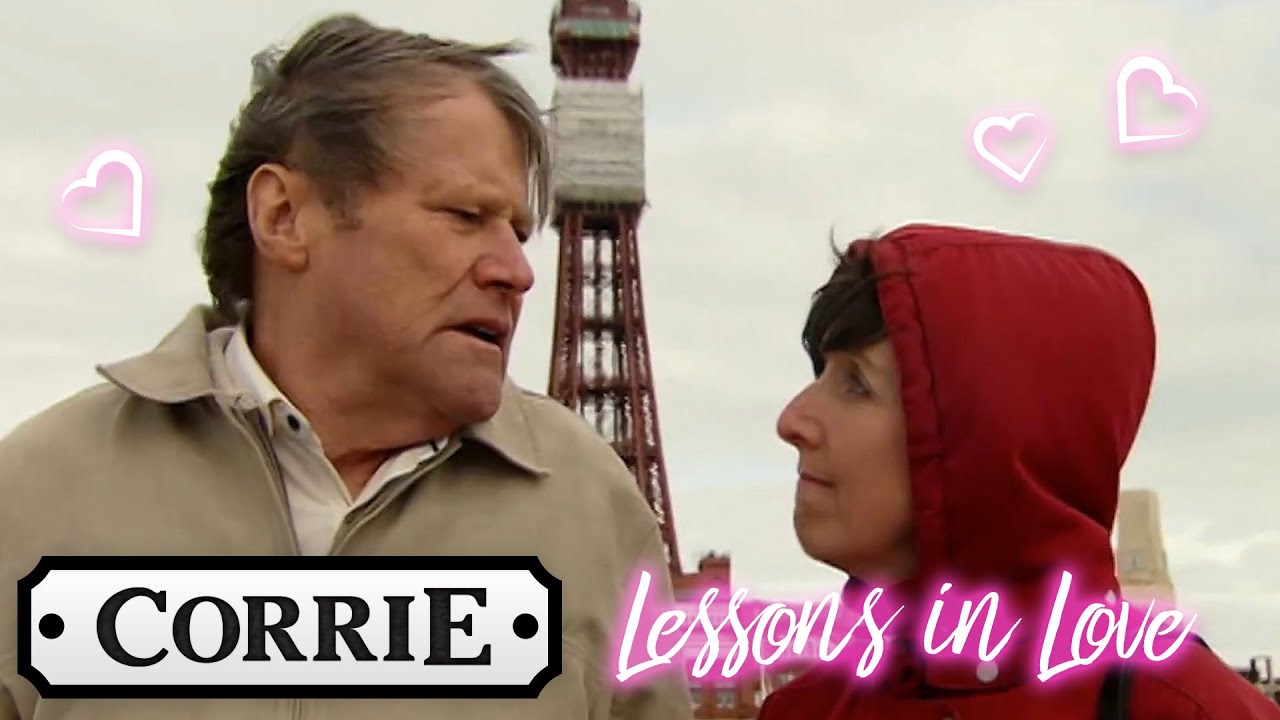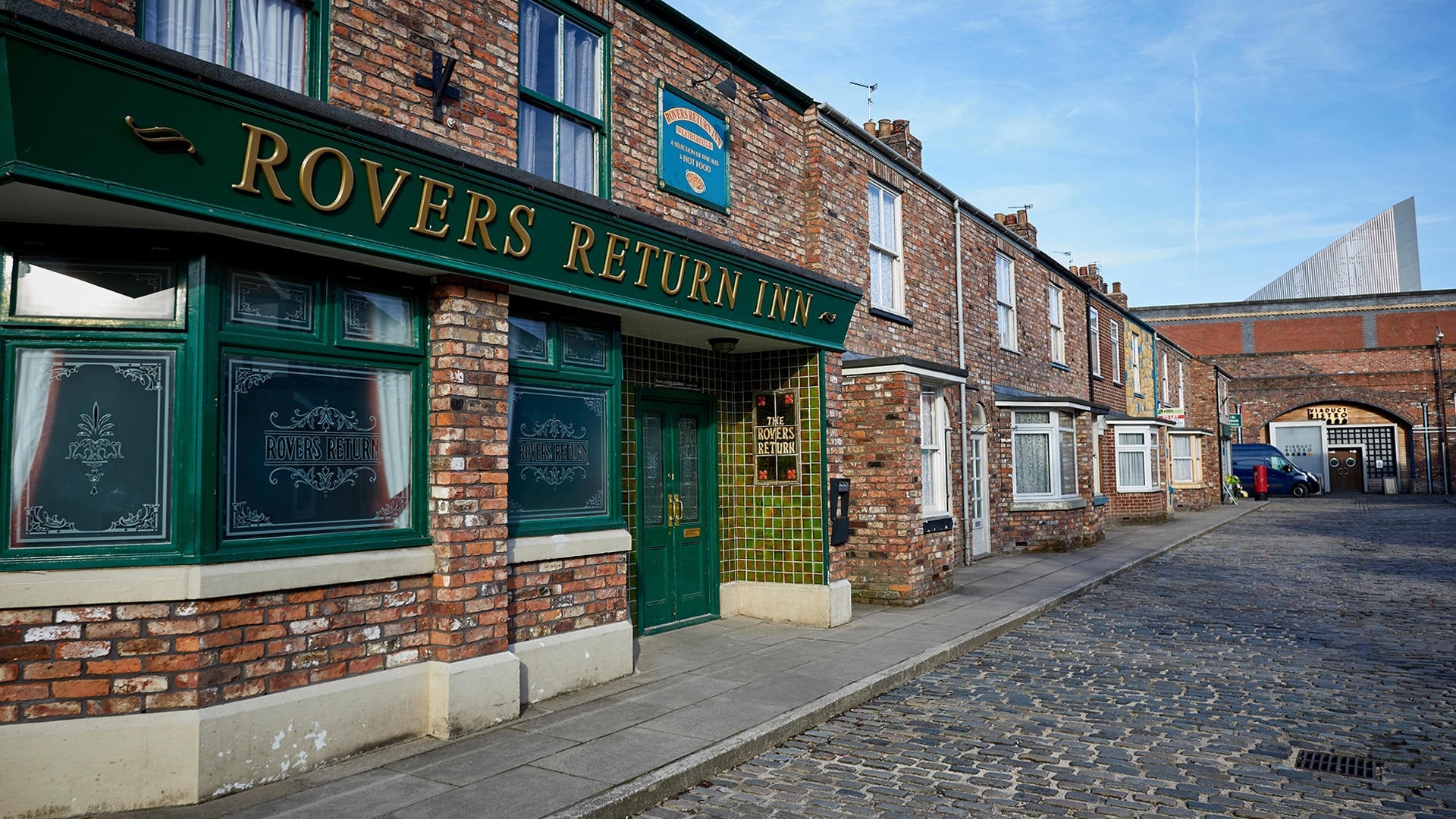
When Tony Warren created Coronation Street and it debuted on December 9th, 1960, British television was a very different landscape. Yet somehow, what he envisioned—a gritty, unflinching look at working-class life in a fictional Manchester neighborhood—became the blueprint for how soap operas could matter. Over 67 seasons and more than 4,200 episodes, this show has proven that you don’t need explosions or fantasy worlds to keep audiences invested. You just need real people navigating real problems, and the storytelling chops to make us care deeply about their lives.
There’s something genuinely remarkable about a show that’s been on the air for over six decades and is still returning with new episodes. Coronation Street doesn’t just exist as a relic of television history—it’s an active, evolving drama that’s continuously reexamining what it means to live in modern Britain. The fact that it managed this feat speaks volumes about the creative foundation Warren built and the subsequent generations of writers who’ve understood how to honor that foundation while keeping the show relevant.
The Storytelling Innovation
What made Coronation Street groundbreaking was its approach to the soap format itself. Rather than relying on artificial melodrama, Warren grounded the show in the texture of everyday working-class existence. The 24-minute episode structure proved perfectly suited to this philosophy—tight enough to maintain momentum, expansive enough to develop genuine character moments alongside plot progression. This format meant writers had to be efficient but not rushed, allowing for those small, human moments that make television truly resonate.
The show’s willingness to tackle social issues head-on set a precedent that influenced countless dramas that followed. Coronation Street didn’t shy away from depicting:
- Economic struggles and unemployment among working-class families
- Domestic conflicts that felt uncomfortably authentic
- Community tensions and moral gray areas
- The messy reality of human relationships without convenient resolutions
This approach demanded something different from its cast and crew—not just performance, but a commitment to finding truth in everyday scenarios.
Cultural Resonance and Impact
What’s fascinating about Coronation Street‘s cultural footprint is how it became a genuine conversation piece across British society. This wasn’t just entertainment; it was a mirror being held up to the country’s working class, validating their experiences and struggles as worthy of serious dramatic attention. Viewers tuned in not just for plot mechanics, but because they recognized themselves or their neighbors in Weatherfield.
The show created genuine water-cooler moments throughout its run—storylines and character arcs that became part of the national consciousness. When major events happened on the cobbles, people actually talked about them. This kind of cultural penetration is rare, even for long-running shows. It suggests that Warren and his successors understood something fundamental about audiences: we connect with shows that take their characters and their world seriously, that treat working-class life with dignity and complexity.
> Coronation Street proved that serialized drama about ordinary people could command the same narrative sophistication and emotional investment as prestige programming.
The Staying Power
Yes, the show’s current rating of 5.3/10 might seem modest, and that’s worth acknowledging honestly. In an era of peak television fragmentation, when audiences are scattered across countless platforms and shows, maintaining a dedicated viewership across thousands of episodes is genuinely difficult. But here’s what that rating doesn’t capture: the profound loyalty of its core audience and its continued ability to generate cultural moments.
The show’s longevity itself becomes a kind of artistic statement. With 4,271 episodes in the archive, Coronation Street has documented social change in unprecedented detail through drama. You can trace the evolution of fashion, technology, social attitudes, and economic conditions through the show’s visual storytelling. It’s simultaneously an entertainment product and a historical document of tremendous value.
Why It Still Matters
Coronation Street deserves attention because it represents a kind of storytelling commitment that feels increasingly rare. The show has demonstrated that you can sustain dramatic tension, character development, and thematic richness over an extraordinary length of time without relying on supernatural elements, explosive plot twists, or genre conventions. Instead, it trusts in the fundamental dramatic potential of human conflict, community dynamics, and the complications of ordinary life.
For anyone interested in how television can create lasting cultural impact, Coronation Street is essential viewing. It’s not perfect—no show is—but its 67-season trajectory represents a masterclass in understanding your audience and understanding what makes people come back to watch people navigate the world week after week, year after year. That’s not just entertainment; that’s an achievement.