When Cologne P.D. debuted on ZDF back in October 2003, German television crime drama was already well-established, but this show found something special—a way to blend procedural storytelling with genuine character depth and a distinctly local flavor that resonated far beyond its Cologne setting. Over two decades later, with 24 seasons and 526 episodes under its belt, the series has become a fascinating case study in television longevity, proving that sometimes the most enduring shows aren’t the flashiest, but the ones that understand their audience intimately.
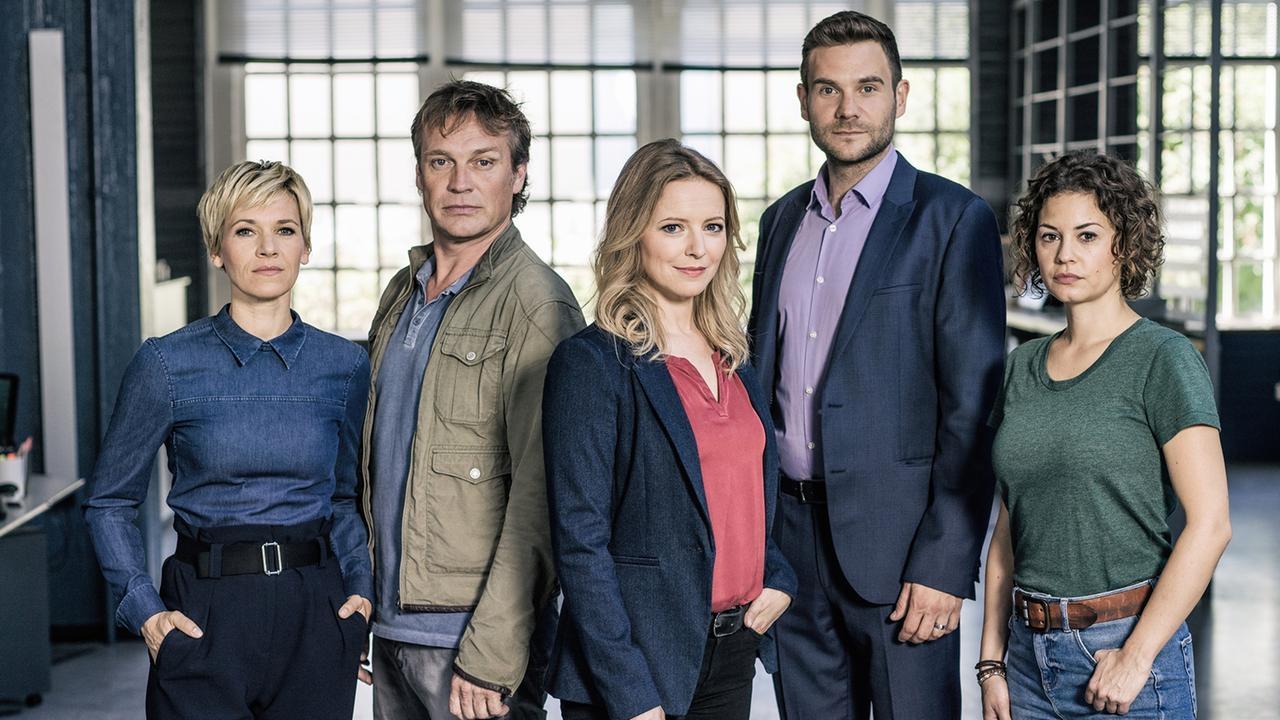
The show’s real achievement lies in how it positioned itself within the crime genre without trying to reinvent it. Rather than chasing dramatic prestige or high-concept storytelling, Cologne P.D. committed to something more modest but ultimately more sustainable: telling honest, compelling stories about investigators solving crimes in their own city. The ensemble cast—featuring standout performances from Kerstin Landsmann and Thomas Clemens, among others—became familiar presences in German households, characters you genuinely cared about across multiple seasons and hundreds of cases.
What’s particularly interesting about tracking the show’s critical reception is how it navigated the inevitable ups and downs of a long-running series. The 6.7/10 rating it maintains represents a fascinating middle ground—not critically beloved in the way prestige dramas are celebrated, yet clearly satisfying audiences enough to sustain two and a half decades of production. Look at the rating fluctuations across seasons:
- Early seasons establishing the formula (6.6-7.0 range)
- A notable dip in Season 4 (4.8) suggesting creative crossroads
- A remarkable recovery and peak in Season 7 (9.2) indicating renewed creative vision
- Stabilization in the 7.0-7.2 range through the middle years
- Continued viability as a Returning Series through 2025
This arc tells the story of a show that learned from its stumbles and found ways to reinvigorate itself rather than coast on initial success.
> The strength of Cologne P.D. lies not in pushing boundaries or reinventing the crime genre, but in understanding that television’s real power comes from consistency, character, and a genuine connection to place and community.
The cathedral city of Cologne itself becomes almost a character in the series—the varied environments mentioned in contemporary descriptions (from the Rhine riverside to cathedral districts to everyday neighborhoods) ground the investigations in real geography and culture. This specificity matters tremendously. Rather than generic crime procedurals that could take place anywhere, Cologne P.D. was always distinctly, proudly German, and that authenticity is part of what kept viewers coming back.
The creative decision to let runtime remain somewhat flexible (unlike shows with strict 42-minute or 60-minute formats) likely contributed to the show’s staying power. This flexibility allowed episodes to breathe naturally—some cases needed more time, others could be resolved more efficiently. It’s a subtle creative choice, but one that enabled storytellers to prioritize narrative integrity over rigid television formatting, something that probably helped the show maintain quality and variety across 526 episodes.
The Cultural Footprint and Audience Connection
What’s remarkable about Cologne P.D.‘s journey is how it became part of the fabric of German popular culture without dominating international conversations the way prestige dramas do. This show had a quiet, sustained impact—the kind where millions of people tuned in regularly, developed genuine attachments to characters, and discussed cases around dinner tables, but which never generated the kind of cultural flashpoint moments that get written about in major publications.
The show’s approach to blending humor with procedural investigation deserves particular recognition. The description noting investigators tackle cases “with humor and often with hard work” suggests a tonal balance that’s deceptively difficult to maintain over 24 seasons. Comedy in crime dramas can feel forced; in Cologne P.D., it apparently emerged organically from character interactions and situation, making the heavier moments land more effectively.
Why This Show Endures
There’s a lesson here about television sustainability that becomes clearer the longer Cologne P.D. continues. In an era obsessed with prestige, high-concept storytelling, and critical acclaim, this show represents a different kind of success—the kind built on audience loyalty, consistent quality, and genuine entertainment value. The show didn’t need to be revolutionary; it needed to be reliably good, and that’s exactly what it delivered.
The fact that it’s maintained Returning Series status through 2025, more than two decades after its premiere, speaks volumes. This isn’t a show coasting on past glory or surviving through nostalgia. It’s still being made, still being watched, still telling stories that matter to its audience. That kind of staying power—unglamorous as it may be—is actually rarer and more impressive than one perfect season that burns bright and disappears.
For viewers seeking intelligent crime drama that respects their time and intelligence without demanding they watch seventeen seasons of mythology-building or tortured protagonist monologues, Cologne P.D. offers something increasingly valuable: solid storytelling, likeable characters you’ve grown to know over years, and the comfort of familiar excellence.