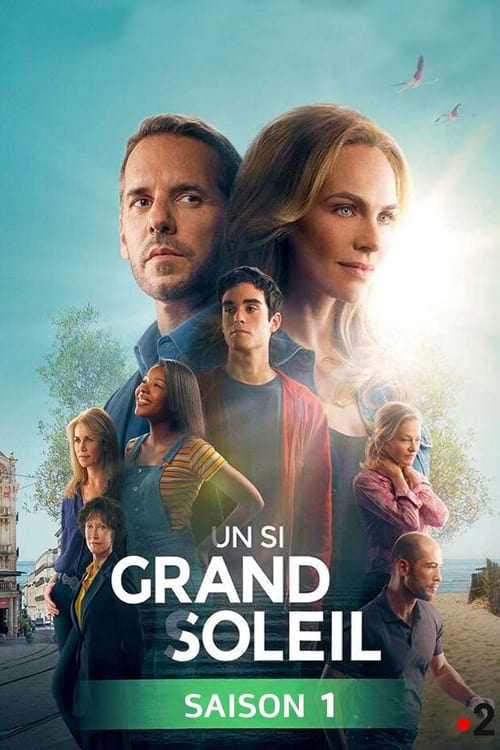
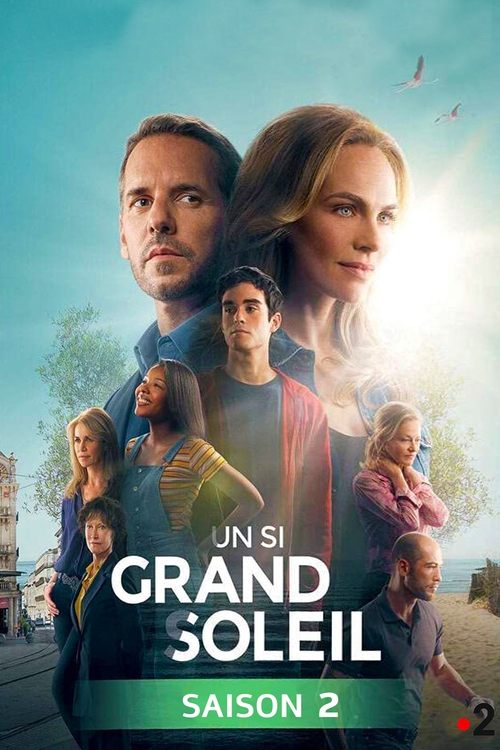
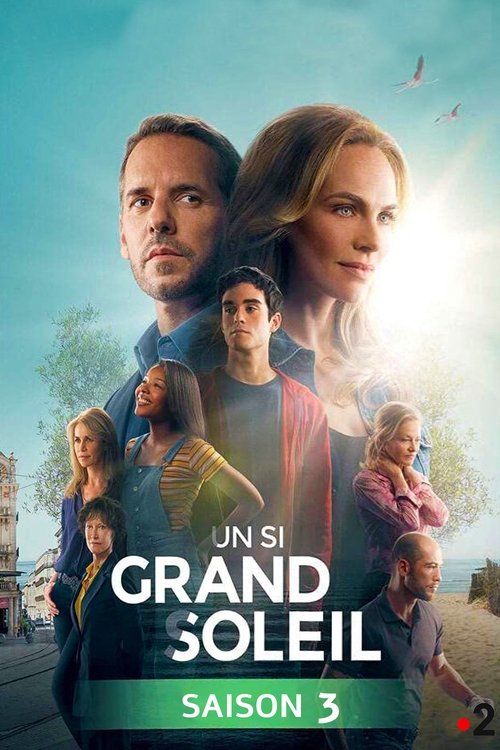
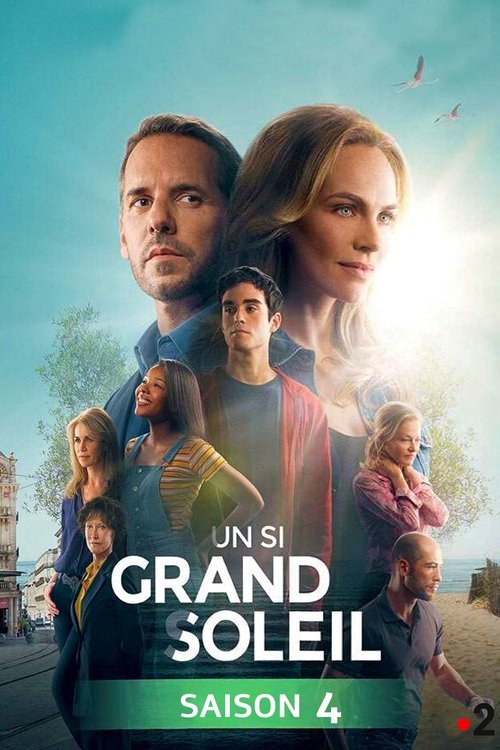
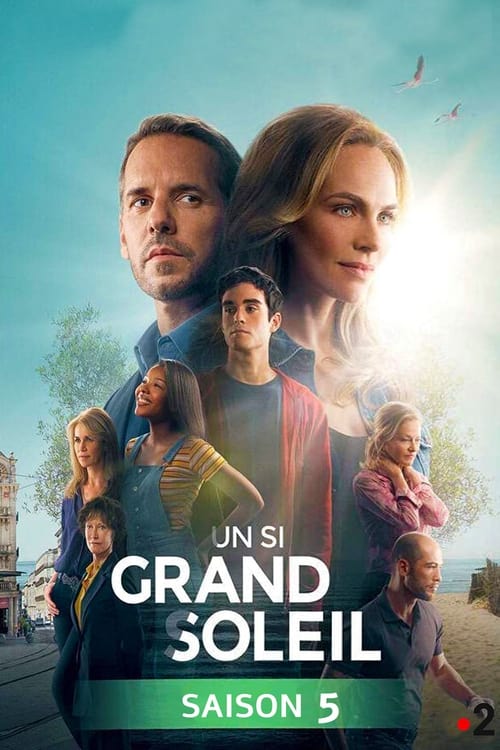
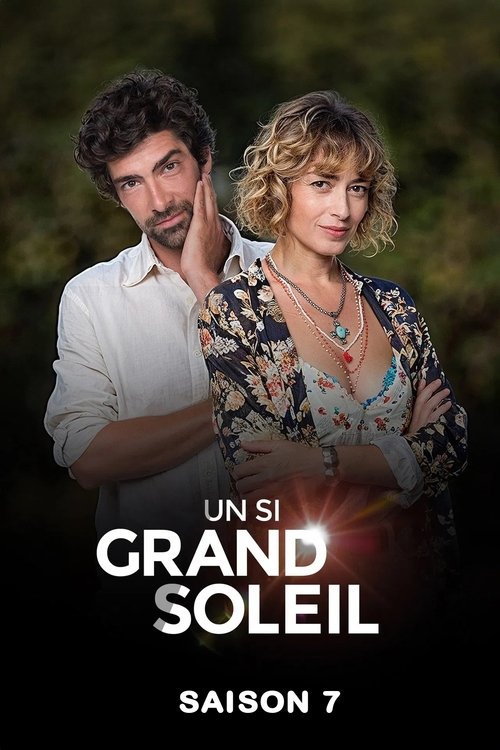
When Chronicles of the Sun debuted on France 3 back in August 2018, it arrived with a deceptively simple premise: a woman returns to her hometown after 17 years and becomes entangled in a murder accusation. What unfolded over the following seasons, however, was something far more ambitious—a meditation on how the past refuses to stay buried, and how a single moment can ripple through generations. Creators Olivier Szulzynger, Eline Le Fur, Cristina Arellano, and Stéphanie Tchou-Cotta crafted something that transcended the soap opera formula, transforming it into genuine psychological drama.
The show’s longevity speaks volumes about its appeal. Eight seasons spanning 1,813 episodes represents an extraordinary commitment to character development and narrative complexity. That’s not the kind of staying power you build on flashy twists alone—that’s earned through genuine storytelling craft. Sure, the 6.6/10 rating reflects the reality that not every viewer will connect with the show’s methodical pacing and emotional density, but that number actually underscores something important: this isn’t a show designed to please everyone. It’s a show designed to matter to the people it does reach.
> The genius of Chronicles of the Sun lies in understanding that the best soap operas aren’t about melodrama—they’re about how ordinary people respond to extraordinary circumstances, and how guilt, family bonds, and the weight of history can reshape an entire community.
The 26-minute episode format proved to be a masterstroke. Rather than stretching moments across traditional hour-long television slots, this runtime forced the writers to be economical with their storytelling. Every scene needed purpose. Every conversation carried weight. This constraint actually enhanced the show’s intensity; you’re not waiting for commercial breaks or subplot filler, you’re watching tightly constructed episodes that build momentum across seasons. The police investigation doesn’t rush toward resolution—it deepens, complications emerge, and characters like Manu become progressively overwhelmed by confusion and revelation.
What makes the show genuinely significant to the French television landscape is how it repositioned the soap opera as a vehicle for serious character study. The central mystery—who killed this childhood friend, and what does Claire’s return mean for this tightly wound community?—becomes almost secondary to the real drama: the relationships fracturing under pressure, the lies people tell to protect themselves and their families, the ways trauma echoes through time. This is smart, crafted series work about guilt and redemption.
The creative vision shaped how audiences experienced the show:
- A protagonist returning after nearly two decades, forcing both her and the community to confront unresolved history
- An ensemble cast where every character carries their own secrets and motivations
- A narrative structure that prioritizes emotional truth over sensational plot turns
- Consistent thematic exploration of how “gestures change lives and radical decisions” alter everything
The show’s cultural footprint within French television particularly reflects its success in accessibility. Broadcasting across both France 3 and France 2 meant it reached viewers across different demographics and time slots. Then arriving on the France Channel Amazon Channel expanded its reach even further, introducing Chronicles of the Sun to international audiences curious about contemporary European drama. That migration from traditional broadcast to streaming platforms speaks to how the show transcended its original context—it wasn’t a product of any single medium, but a story resilient enough to travel.
What’s particularly striking about following this show across its journey is watching how the creators balanced serialized storytelling with episodic satisfaction. Each 26-minute installment needed to feel complete while simultaneously advancing larger mysteries. That’s genuinely difficult work. You’re essentially writing serial fiction that respects both the daily viewer and the binge-watcher, accommodating both viewing habits without sacrificing narrative integrity.
The show’s designation as a “Returning Series” even now speaks to something the creators understood: stories about guilt, family, and our relationship with the past don’t have neat conclusions. People don’t resolve their trauma in a single season. Communities don’t heal on a predetermined schedule. By allowing Chronicles of the Sun to return, to explore new angles and complications, the show demonstrates faith in its own thematic material. There’s always more to unpack.
What audiences ultimately connected with:
- Character complexity – Nobody is purely villain or victim; everyone is responding to impossible circumstances
- Emotional authenticity – The show trusts its audience to sit with uncomfortable feelings rather than resolving them quickly
- Community storytelling – The true protagonist isn’t just Claire, but the entire social ecosystem of Montpellier
- Mystery with purpose – The investigation serves character development, not the reverse
The fact that Chronicles of the Sun has sustained itself for eight seasons with nearly 1,800 episodes suggests something vital about what French audiences—and international viewers discovering it through streaming—genuinely want from their television. They want depth. They want time spent with characters. They want stories that acknowledge how complicated human relationships actually are. In an era of rushed narratives and overcomplicated plots, there’s something genuinely countercultural about a show willing to take the long view, to explore the same themes across hundreds of episodes because they’re worth exploring.
If you haven’t experienced what these four creators accomplished here, you’re missing one of contemporary European television’s most underrated achievements—a soap opera that absolutely refuses to apologize for taking itself, and its characters, seriously.