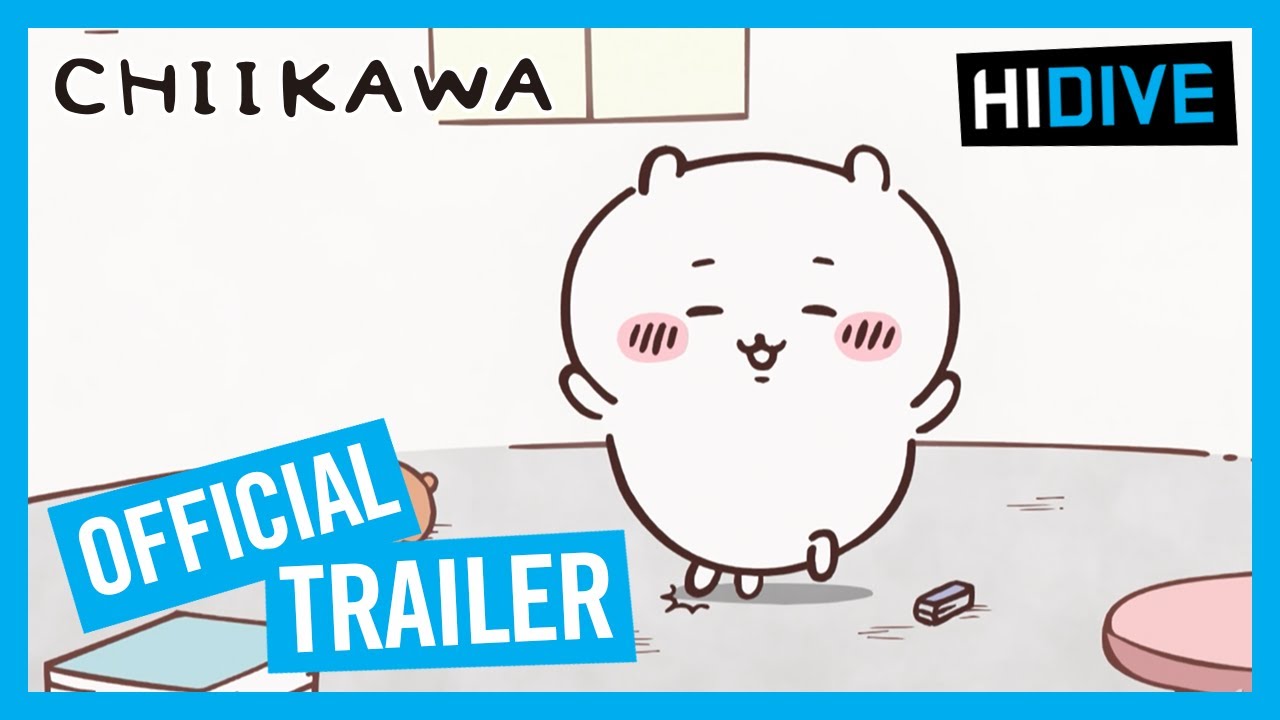
When Chiikawa premiered on April 4th, 2022, it arrived quietly—a two-minute animated short that seemed almost too slight to command serious attention. Yet what unfolded over the following year became one of the most fascinating case studies in how modest formats can generate extraordinary cultural moments. The show managed to accumulate 314 episodes across a single season while maintaining an 8.2/10 rating, a feat that speaks to something deeper than mere novelty or nostalgia-driven viewership.
This wasn’t a show coasting on a single gimmick; it was something that genuinely resonated with audiences, particularly across East Asia where fan enthusiasm reached remarkable heights—Douban users scored it an impressive 9.6, demonstrating the kind of passionate reception that transcends typical anime viewership patterns.
The Micro-Format Revolution
The genius of Chiikawa lies fundamentally in what creator Doga Kobo accomplished with severe constraints. A two-minute runtime is genuinely restrictive—it’s barely enough time to establish a conflict, let alone resolve it with narrative complexity. Yet the show’s creative team weaponized this limitation rather than fought against it. Each episode became a miniature puzzle box, exploiting the absurdist comedy and whimsical fantasy elements to craft stories that felt complete despite their brevity. The approach was deceptively simple: take the adorable character designs and fantastical world-building that could sustain a traditional 24-minute format, then compress the storytelling to its purest, most concentrated form.
- The charm of constraint: Short episodes forced ruthless editing, eliminating filler and keeping pacing brisk
- Episodic perfection: Each story stood alone while building cumulative knowledge of the world
- Accessibility: Two minutes fit easily into viewing habits, making it culturally omnipresent rather than scheduled appointment television
This structural choice had a cascading effect on how audiences engaged with the material. The show became endlessly rewatchable and shareable—the kind of thing people could experience during a commute, laugh about immediately, and instantly reference in conversation. That accessibility factor cannot be overstated in understanding Chiikawa’s cultural footprint.
A World That Rewards Curiosity
What makes Chiikawa genuinely impressive from a storytelling perspective is the consistency of its worldbuilding. Despite the short format, the show established a coherent fictional universe populated by distinct character types: there’s Chiikawa itself, the rabbit-like protagonist; Hachiware, the pragmatic badger; Usagi, the slightly anxious bunny companion; and a rotating cast of creatures ranging from helpful to mischievous. Rather than relying on slapstick or dialogue-heavy humor, the show often derives comedy from the logic of its world—how its inhabitants interact with an environment full of Wishes (the currency that drives their adventures), strange quests, and recurring situations that develop surprising depth.
The opening episodes—”Firm Custard Pudding/Pancakes,” “Sphinx/The Real Thing,” and “Yocchan Squid/Pot Pie”—established the template perfectly. Each presented bite-sized narratives that introduced both comedic situations and worldbuilding details. By episode 314, viewers weren’t simply watching gags; they were following an elaborate, sprawling mythology where seemingly throwaway details from early episodes would resurface with new meaning. This created something rare: a show that valued long-term fandom investment despite its episodic nature.
> The show’s true strength wasn’t in individual moments of humor but in the cumulative effect of 314 episodes building an internally consistent, deeply detailed world that rewarded paying attention.
Why the Format Matters
The decision to premiere across streaming platforms with such a massive episode count (all in one season, no less) was unconventional enough to catch industry attention. Television traditionally measures success through weekly appointment viewing and seasonal structures that create anticipation gaps. Chiikawa instead arrived as an enormous buffet—viewers could consume it at their own pace, binge through dozens of episodes in a sitting, or savor individual entries throughout their week. This flexibility, combined with the show’s Returning Series status indicating continued production, suggested something had fundamentally shifted about what audiences wanted from animation.
The 8.2/10 rating, when contextualized against its massive episode count and global reach, becomes more impressive than those numbers alone suggest. Most shows experience rating volatility across lengthy runs; maintaining that consistency across 314 episodes indicates either exceptional creative discipline or a concept so perfectly calibrated to its format that it rarely missteps. The fact that it’s coming back for more material demonstrates that neither creator nor audience enthusiasm has waned.
The Genre-Blending Masterclass
Categorizing Chiikawa across Animation, Comedy, Family, Kids, Sci-Fi & Fantasy simultaneously might seem like a marketing cop-out, yet the show genuinely occupies all those spaces authentically. It functions as comedy through character interactions and absurdist situations, as family content through its wholesome approach to relationships and problem-solving, and as fantastical science fiction through its system of Wishes and quest-based narrative structure. This tonal balance is remarkably difficult to maintain, particularly across 314 episodes.
What becomes apparent to anyone seriously engaging with the show is that it respects its audience’s intelligence regardless of age. Young viewers find accessible humor in physical comedy and silly character behavior, while older viewers discover deeper patterns, callbacks, and character development that unfolds across dozens of episodes. This layered approach to entertainment—where content works simultaneously on multiple levels—remains relatively rare in animated series.
Cultural Footprint and Fandom
The conversations sparked by Chiikawa extended beyond typical fan spaces. The show became emblematic of how animation could explore unconventional formats and succeed wildly without chasing prestige through length or dramatic intensity. Social media became flooded with episode clips, character appreciation posts, and fan theories about the metaphysical nature of Wishes and the world’s underlying logic. In Asian markets particularly, the fanatic engagement suggested the show had tapped into something culturally resonant—perhaps a appreciation for gentleness and whimsy in an increasingly chaotic world.
The inevitable streaming availability question—the show’s absence from mainstream platforms despite its popularity—only deepened the mystique. Scarcity created demand, and dedicated fans sought out every episode through available channels, further amplifying its legendary status.
Chiikawa stands as proof that television innovation doesn’t require budgets, runtime, or conventional distribution. Sometimes it just requires a crystal-clear creative vision, meticulous execution, and genuine understanding of what audiences actually crave. That’s why it genuinely deserves your attention.