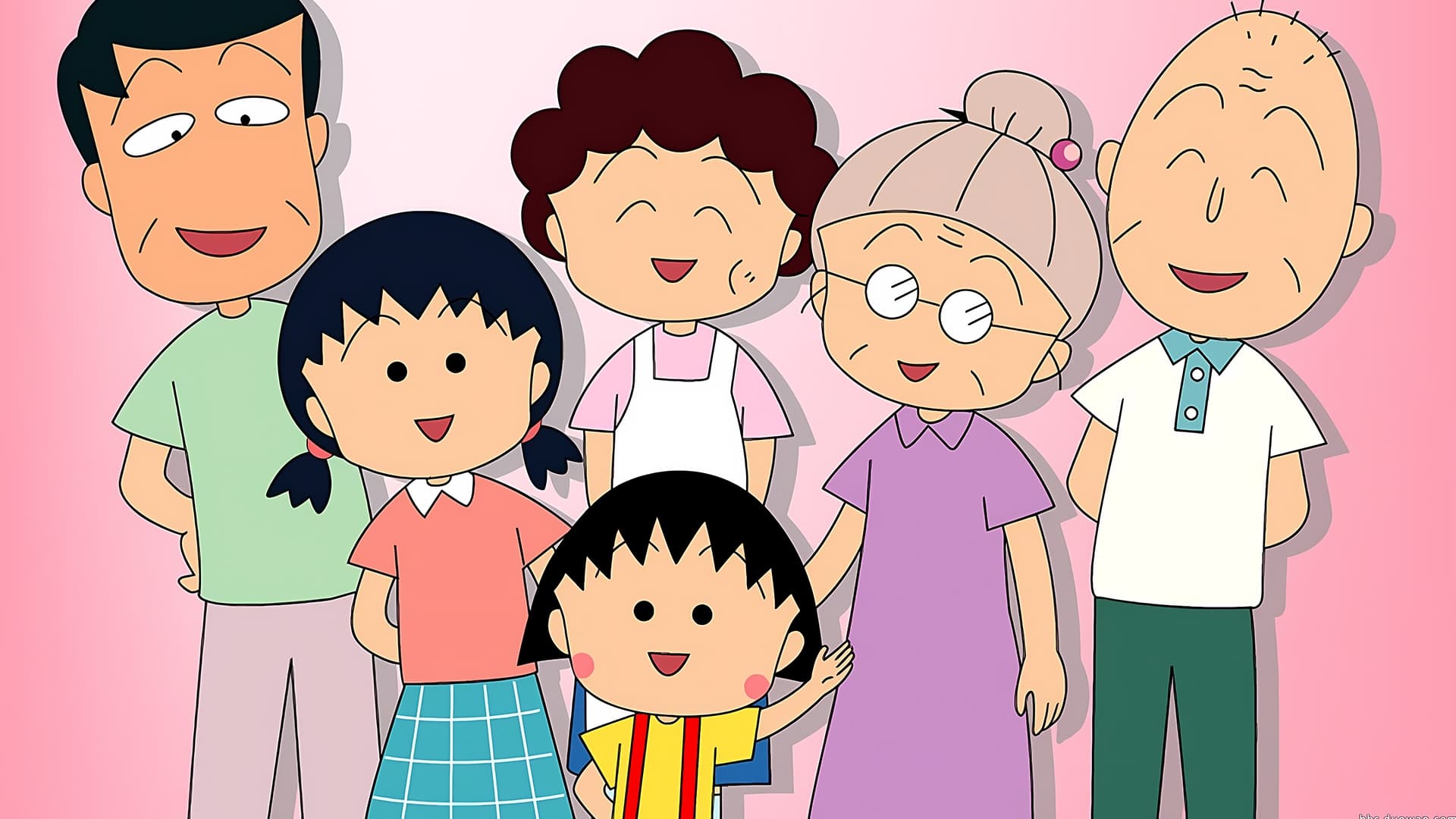
When Chibi Maruko-chan premiered on January 7, 1990, it arrived with modest expectations—just another slice-of-life comedy about an elementary school girl navigating family dynamics. What nobody anticipated was that this hand-drawn animated series would become a cultural phenomenon, eventually commanding a staggering 39.9% television rating and fundamentally reshaping how audiences viewed animated storytelling in Japan. The show proved that animation wasn’t just for children’s entertainment; it could capture the genuine, messy, hilarious reality of everyday life in ways that live-action sometimes couldn’t quite manage.
The genius of Chibi Maruko-chan lies in its deceptive simplicity. At its core, the series follows Maruko Sakura, a spirited elementary school student living with her parents, grandparents, and elder sister—a setup so ordinary it could have been forgettable. But creators understood that the most relatable stories aren’t about saving the world; they’re about the small moments that define our existence. That sibling rivalry in the opening episode? That’s universal. The awkward school interactions? We’ve all lived them. The way grandparents embarrass you in public? Transcendent across cultures.
> The show’s 7.9/10 rating on modern platforms reflects something crucial: audiences across generations recognize its quality, even as viewing habits have transformed completely since 1990.
What makes the 25-minute runtime particularly effective is how it refuses to overstay its welcome. Each episode feels precisely calibrated—enough time to establish a scenario, develop genuine humor, and resolve with a satisfying emotional beat, but never so long that the joke gets tired. This pacing became the show’s signature. In an era where storytelling often valued grandiosity and epic arcs, Chibi Maruko-chan whispered that ordinary moments deserved the spotlight too. The animation style, with its charming hand-drawn aesthetic, became inseparable from this intimate approach. Those slightly exaggerated expressions and the fluid physicality of the characters made the comedy land harder while keeping everything grounded in recognizable reality.
The longevity speaks volumes about creative sustainability. With 1,629 episodes across its run and subsequent returns, the series maintained remarkable consistency in quality and relevance. That’s an astonishing achievement—writers could have easily exhausted the premise, defaulting to tired tropes or increasingly absurd scenarios. Instead, the show kept mining genuine comedy from character interactions and life observations. Early episodes established Maruko’s world so thoroughly that even later episodes felt fresh, finding new angles on family, school, and friendship that hadn’t been fully explored.
The Cultural Impact Extended Far Beyond Ratings:
- It sparked conversations about representation in animation, proving female protagonists could anchor entire series
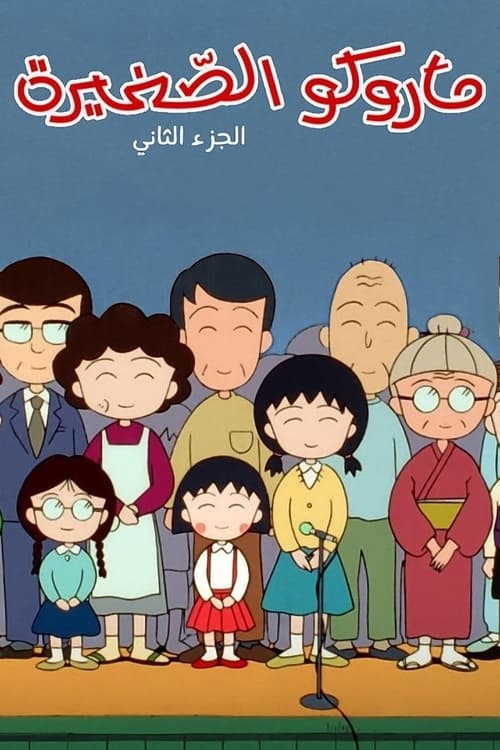
- International releases demonstrated that Japanese sensibilities could resonate universally—the show aired in Arabic by 1995 and Germany by 2000
- It influenced how networks approached slice-of-life comedies, validating storytelling that focused on character over plot mechanics
- The show became a cultural touchstone, referenced and celebrated across generations who grew up with it
What particularly resonates with modern audiences is how Chibi Maruko-chan captures something essential about childhood without becoming saccharine. Yes, there’s warmth and genuine affection in how the family unit is portrayed, but the show never shies away from showing how annoying siblings can be, how confusing school social dynamics are, or how embarrassing parents truly become once you reach a certain age. This honesty created an emotional authenticity that transcended the animation medium entirely.
The creative vision behind maintaining this balance across such an enormous episode count deserves recognition. The team could have coasted on the formula after the initial success, yet the show consistently found new scenarios, new character angles, and new emotional textures to explore. Whether dealing with academic pressures, friendship dynamics, or family quirks, each episode maintained the show’s core philosophy: life’s greatest stories are the ones we live every day.
The “Returning Series” status is particularly telling. Chibi Maruko-chan never really left Japanese culture; it simply evolved, adapted, and came back stronger. Modern audiences discovering the series through streaming platforms find themselves just as captivated as 1990 viewers were by that opening episode about sibling rivalry. The animation style, once cutting-edge, now carries nostalgic charm that enhances rather than diminishes its appeal. Those hand-drawn expressions carry emotional weight that digital animation sometimes struggles to replicate.
Why This Show Matters Today:
In an era of prestige television obsessed with plot twists and narrative complexity, Chibi Maruko-chan reminds us that television’s greatest power lies in capturing the human experience authentically. It proved animation could be sophisticated without being pretentious, funny without being mean-spirited, and deeply moving through the smallest moments. The show’s enduring 7.9/10 rating isn’t just a number—it’s a testament to how audiences consistently recognize genuine craftsmanship and emotional truth when they encounter it.
What makes Chibi Maruko-chan absolutely worth watching, whether you’re discovering it for the first time or revisiting it, is precisely what the archival notes captured: it has rewatchable value that never diminishes. The humor lands just as hard on the fifth viewing as the first. The character moments feel just as genuine. The hand-drawn animation style provides visual comfort that resonates differently in each era. This is television that understands the fundamental appeal of storytelling—making us feel less alone by showing us characters we recognize, families we understand, and lives that mirror our own. That’s remarkable. That’s why it endures.