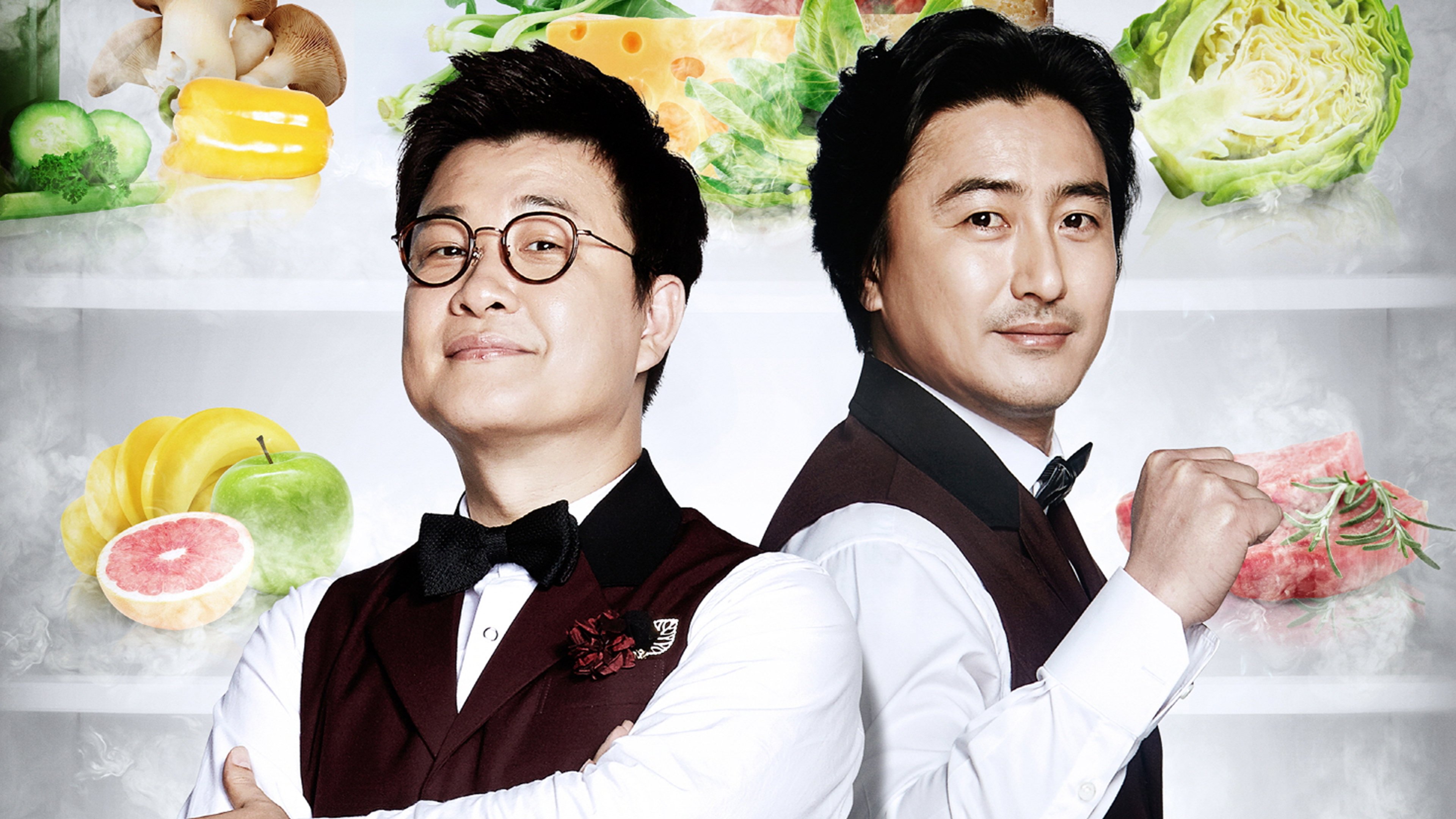
When Chef & My Fridge debuted on JTBC back in November 2014, nobody could have predicted that a show about opening someone’s refrigerator would become a television phenomenon that audiences would still be seeking out a decade later. Yet here we are, with the series not only maintaining an impressive 8.5/10 rating but also experiencing a revival after its initial run, proving that some concepts transcend trends and cultural moments.
What makes this show genuinely special is its deceptive simplicity. The premise sounds almost absurdly straightforward: Korea’s best chefs open the refrigerators of guest stars and create gourmet dishes from whatever leftovers and forgotten groceries they find inside. But that simplicity is exactly where the show’s genius lies. Within that constraint, something magical happens—the chefs aren’t just cooking; they’re storytelling through improvisation, transforming mundane ingredients into art while racing against time and expectations.
The 90-minute runtime deserves real credit for shaping what this show became. These aren’t quick cooking segments or flash-in-the-pan culinary moments. Each episode gives the chefs genuine space to think, experiment, and occasionally stumble. That length allows viewers to watch the creative process unfold naturally, seeing the hesitation, the sudden inspiration, the problem-solving. It transforms the show from simple entertainment into something closer to a master class in culinary thinking and creative adaptation.
> The real magic isn’t in the final plated dish—it’s in watching elite professionals work with the ordinary, the expired, and the forgotten, and somehow finding excellence within those constraints.
Over two seasons spanning 297 episodes, the show built an astonishing amount of content while somehow maintaining freshness. That’s no small feat. Each new episode brings different chefs, different guests, different refrigerators—a format that could easily have felt repetitive instead became endlessly engaging. The variety kept audiences coming back because they genuinely didn’t know what they’d see next.
The show’s cultural footprint in Korean television and beyond speaks volumes about what audiences actually want from reality content. This isn’t manufactured drama or forced competition. There’s no backstabbing, no villainous edit, no manufactured conflict. Instead, there’s genuine respect between competitors, authentic reactions to ingredients, and real moments of culinary problem-solving. In an era of increasingly chaotic reality television, Chef & My Fridge offered something refreshingly grounded.
What audiences connected with was the democratization of cooking itself. By using ingredients from ordinary people’s refrigerators—the half-empty bottles, the slightly aging vegetables, the condiments nobody remembers buying—the show made an argument about food that resonated widely:
- Excellence exists in constraint – The best cooking happens within limitations, not unlimited resources
- Waste and abundance coexist – Fridges hold forgotten potential alongside everyday staples
- Adaptation is a skill – Professional expertise means solving problems nobody anticipated
- Hospitality transcends ingredients – The soul of cooking is about caring for the people you’re feeding
The streaming landscape has been kind to Chef & My Fridge, and for good reason. Netflix’s decision to add the series to its library introduced the show to international audiences who might never have caught it on JTBC, and the response warranted a revival. There’s something almost poetic about a show that celebrates working with what you have, what you find, what you can repurpose—suddenly finding new life through streaming platforms and second chances.
That 2024 revival after five years away raises interesting questions about what the show means in a contemporary context. The format doesn’t feel dated because it was never dependent on trends. A chef creating something magnificent from a fridge full of basics in 2014 and a chef doing the same thing in 2024 are both engaging for the exact same reasons—the creativity, the skill, the respect for ingredients and guests alike.
The creator’s vision, even if not widely publicized, clearly centered on celebrating Korean culinary excellence while creating something genuinely different from other cooking shows. Rather than eliminating variables or controlling circumstances, the show embraced the unpredictable. Rather than focusing on individual egos, it highlighted skill and ingenuity. That philosophy has aged beautifully.
For anyone who appreciates food television, what Chef & My Fridge offers is pure substance over spectacle. There’s no unnecessary music stabs, no artificial tension, no host histrionics—just brilliant cooks working with real constraints to create real magic. The 8.5/10 rating reflects something TV critics and audiences alike have recognized: this show does what it sets out to do with integrity, creativity, and genuine entertainment value.
Whether you’re watching for the culinary techniques, the occasional awkward moments when a chef pulls out something totally unusable, or simply to see what an elite professional considers a “problem ingredient,” Chef & My Fridge delivers consistently. That’s why it endured through two original seasons, why it found new audiences on Netflix, and why its return feels less like a nostalgia play and more like reconnecting with an old friend who actually has something worth saying.


![Chefs Edward, Choi Hyun-seok, and the MC are friends? | Chef and My Fridge | Netflix [ENG SUB]](https://img.youtube.com/vi/Y6cvEorResE/maxresdefault.jpg)