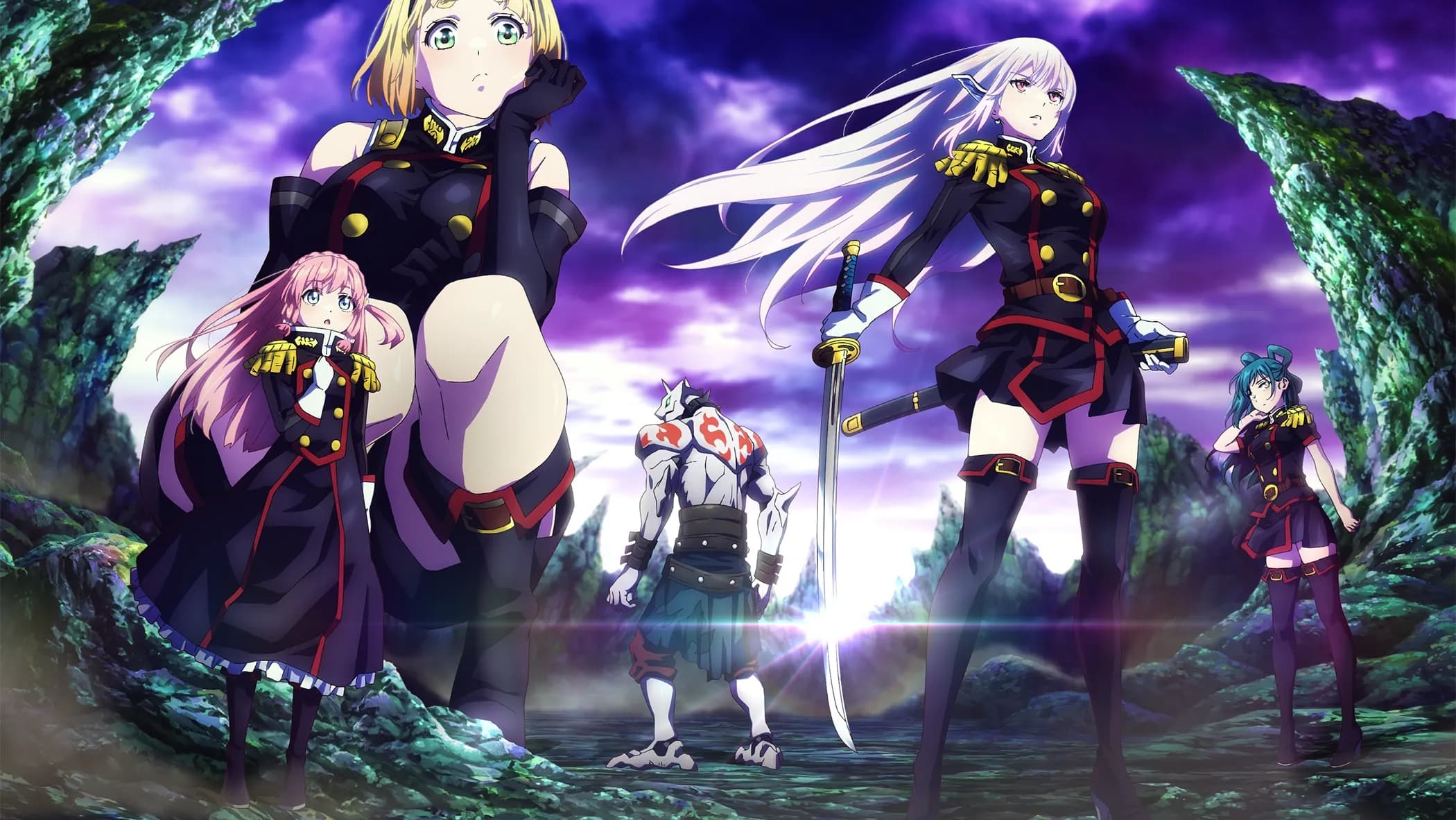
When Chained Soldier premiered on January 4th, 2024, it arrived with a premise that felt genuinely fresh in the crowded landscape of anime television. The concept of Mato—this mysterious realm where people gain extraordinary powers from magical peaches—became the hook that drew viewers in, but what kept them invested was something far more nuanced. The show’s central emotional core, revolving around protagonist Yuuki’s determination to restore Aoba to her human form, elevated what could have been a standard action-adventure narrative into something deeply personal and compelling. This emotional through-line transformed what might otherwise feel like a monster-hunting procedural into a story about sacrifice, connection, and the lengths we’ll go for those we care about.
The show’s performance across its two-season, 24-episode run tells an interesting story about how audiences responded to its creative ambitions. While the overall 7.7/10 rating reflects a show that audiences appreciated but didn’t universally embrace, the trajectory of critical reception reveals something crucial: Chained Soldier found its footing. Season 2 clearly outperformed its predecessor, with the Season 2 premiere “Commanders’ Meeting” hitting an impressive 8.1/10—a genuine high point that demonstrated the creators’ ability to elevate their storytelling when they hit their stride.
> The beauty of Chained Soldier lies in how it uses its concise 24-minute runtime with surgical precision. In an era where shows often feel bloated with exposition, this series understood that constraints breed creativity.
What’s particularly fascinating is how the show’s structure on AT-X and subsequently through the Hidive Amazon Channel allowed it to reach an international audience more directly. This distribution strategy meant that conversations about the show weren’t confined to regional anime communities—Chained Soldier became part of a broader global discussion about what contemporary anime could achieve. The show sparked genuine conversations about character development, the cost of power, and how sci-fi fantasy frameworks could explore deeply human themes.
The Creative Architecture Behind the Action
The animation and action direction in Chained Soldier deserves particular recognition. This isn’t a show that relies on flashy spectacle alone, though the action sequences certainly deliver on that front. Instead, the creators understood that every fight scene should reveal character, advance plot, or deepen our understanding of the world’s rules. The 24-minute format forced disciplined storytelling—there’s no room for filler, no space for dialogue that doesn’t earn its place. This constraint became the show’s greatest strength, resulting in episodes that feel purposeful and tightly constructed.
The supernatural mechanics introduced through Mato and the magical peaches create fascinating narrative possibilities:
- The power system feels earned and has real consequences
- Characters gain abilities that often come with psychological or physical costs
- The mystery of Mato itself unfolds gradually, rewarding attentive viewers
- The distinction between gaining powers and maintaining humanity becomes increasingly central
Yuuki’s journey toward finding a way to return Aoba to her human form became the emotional anchor that elevated individual episodes into something cohesive. This isn’t just about fighting monsters; it’s about the desperation of trying to save someone you love from the very transformation that gave them power. That thematic tension resonates because it addresses something real beneath the fantasy trappings.
Where the Show Found Its Voice
Looking at the episodic breakdown, Season 1 had growing pains—”United Front, Tenka, Soar” (S1E07) stands out as the weakest entry at 6.3/10, suggesting the creators were still discovering their rhythm. But that’s entirely natural. What matters is that they clearly learned and adjusted. The average episode rating of 6.7 across the series might seem modest, but it masks the reality that later episodes climbed significantly higher. The show’s Returning Series status confirms that what the creators built in that first season was substantial enough to warrant continuation, and that Season 2 justified the investment.
The show’s cultural footprint, while perhaps not as mainstream as some contemporary anime, carved out a dedicated space in fan communities. Viewers appreciated that Chained Soldier didn’t condescend to its audience—it trusted viewers to follow complex character relationships and worldbuilding without over-explaining. The “Commanders’ Meeting” episode became iconic precisely because it represented the show operating at peak efficiency, balancing action, character moments, and plot progression with remarkable grace.
Why This Show Matters
What ultimately makes Chained Soldier significant is its demonstration that anime television can balance commercial appeal with genuine artistic vision. The creators—working within the constraints of AT-X’s format, a 24-minute runtime, and an increasingly competitive streaming landscape—produced something that felt distinctive. In a medium often criticized for derivative storytelling, this show dared to ask interesting questions about power, humanity, and the cost of transformation.
The fact that it’s returning for more seasons speaks to both creator ambition and audience hunger. Chained Soldier proved that there’s room for thoughtful sci-fi fantasy action anime that respects both its characters and its viewers. If you haven’t experienced it yet, it’s absolutely worth your time—a show that earns its 7.7 rating through consistent quality and demonstrates that sometimes, the most compelling television emerges when creators understand that less can absolutely be more.





![Trailer 2 [Subtitled]](https://img.youtube.com/vi/ZSJKYvZwXaM/maxresdefault.jpg)
![Trailer [Subtitled]](https://img.youtube.com/vi/omxZ7pi8zLo/maxresdefault.jpg)