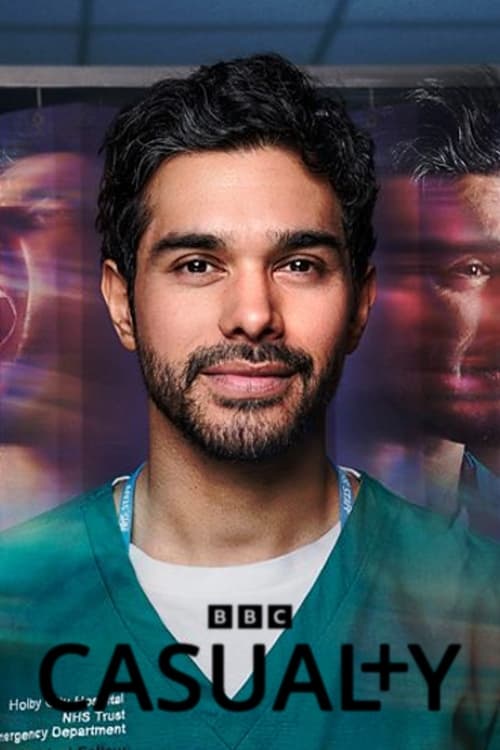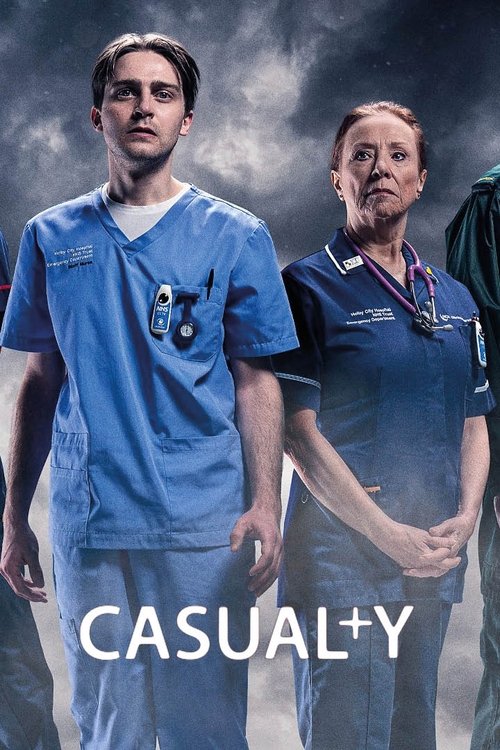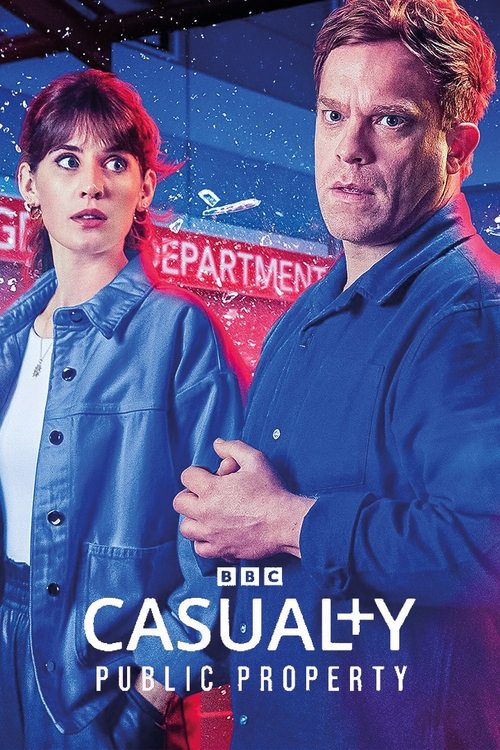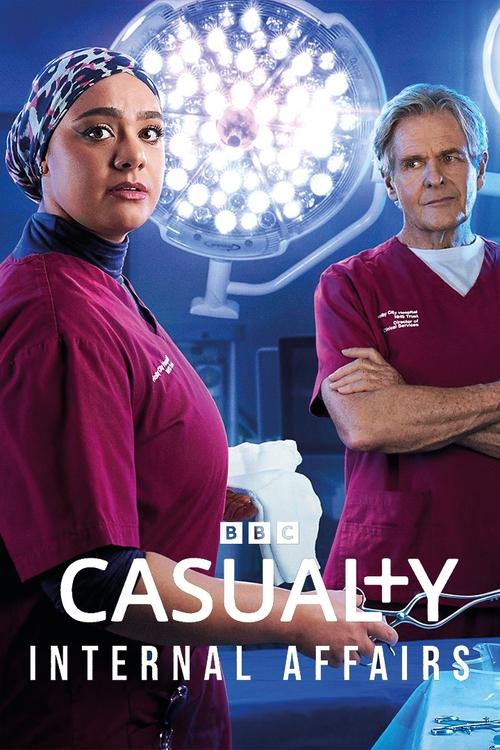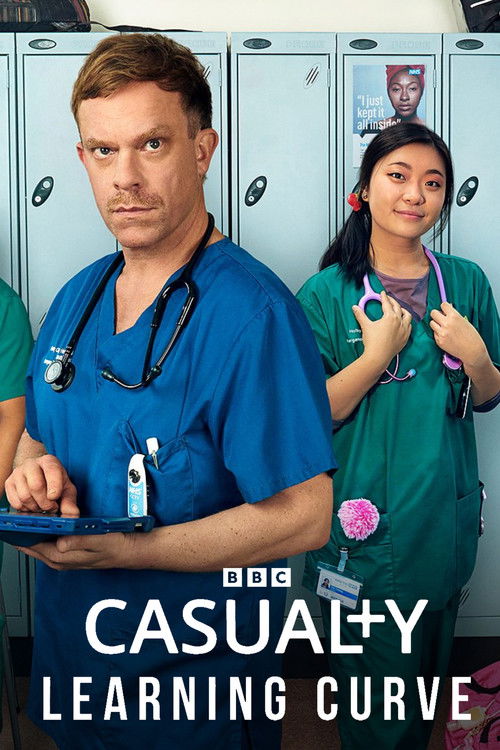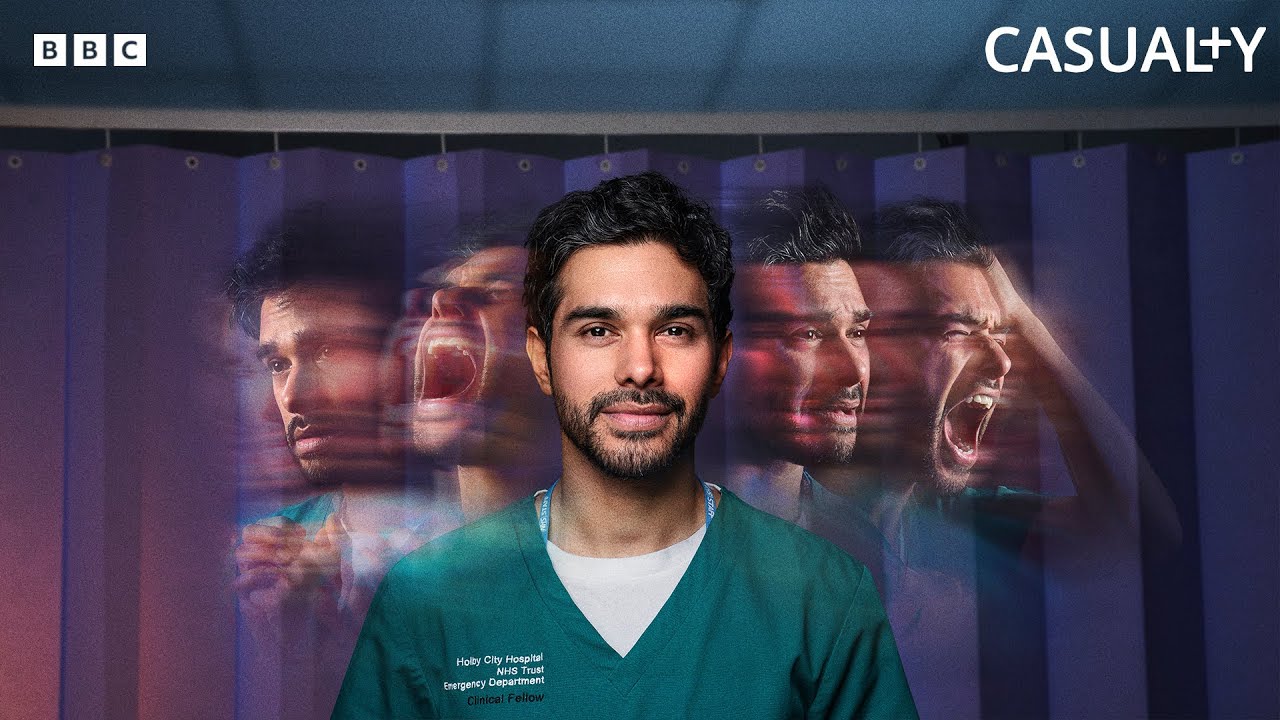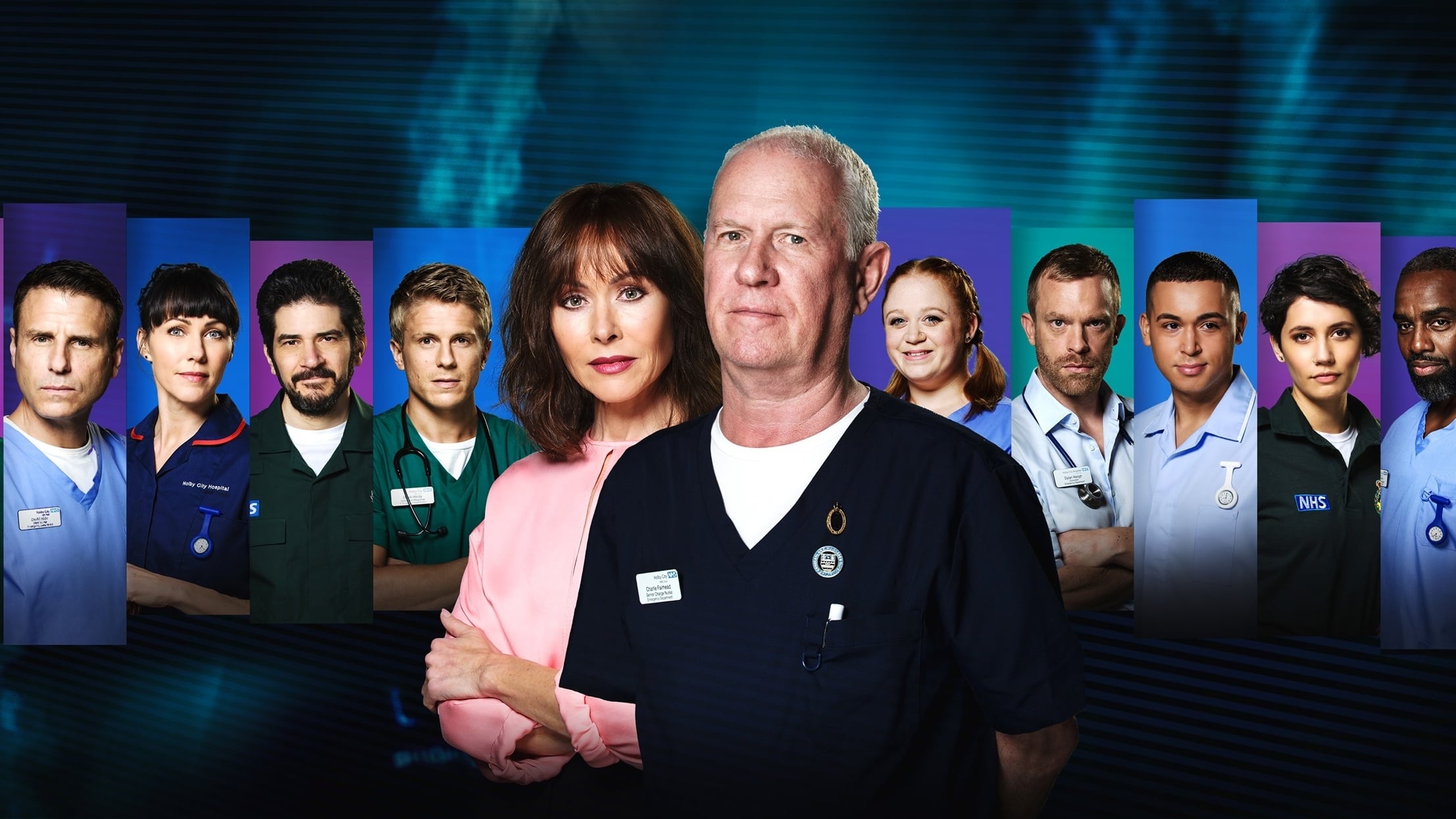
When Casualty premiered on BBC One back in September 1986, nobody could have predicted it would become one of British television’s most durable institutions. What creators Jeremy Brock and Paul Unwin envisioned was deceptively straightforward—a drama centered around the controlled chaos of an Accident & Emergency department—but what they actually created was a blueprint for intimate, character-driven storytelling that would sustain itself across four and a half decades. The show didn’t just premiere; it fundamentally established itself as the kind of series that could blend soap opera sensibilities with genuine medical drama, creating something that felt simultaneously urgent and deeply personal.
The sheer longevity speaks volumes. With 1386 episodes sprawled across 45 seasons and counting, Casualty represents a kind of commitment to sustained narrative that’s increasingly rare in modern television. Early seasons boasted remarkably strong ratings—Season 3 peaked at 8.3, Season 5 matched that figure, and the show consistently maintained the 7-8 rating range through its first decade—which tells you audiences immediately recognized something special here. While the current 6.1 rating might seem modest compared to those halcyon days, it’s actually a testament to how the show has remained relevant enough to keep attracting viewers across multiple generations. That’s not decline; that’s adaptation.
> Casualty proved that weekly episodic drama didn’t need to be a disposable format. It could accumulate meaning, develop characters across years rather than seasons, and still feel urgent and unpredictable.
What made the show stand out from the beginning was its refusal to treat the hospital setting as mere backdrop. The A&E department became a genuine character itself—a pressure cooker where personal dramas collided with medical emergencies, where staff relationships deepened through shared trauma and triumph, and where every shift brought unexpected moral complications. This wasn’t ER before ER existed (though the comparison is tempting), nor was it purely soap opera melodrama. Instead, Brock and Unwin had found the sweet spot between both worlds.
The creative decision to work with flexible runtimes meant episodes could breathe naturally—some cases resolved quickly, others demanded extended examination. There was no artificial constraint forcing a neat resolution by the 50-minute mark. A patient’s journey, the emotional fallout on staff, the ethical questions raised—these could unfold at their own pace. This flexibility became essential to the show’s methodology, allowing it to tell stories that felt authentic rather than manufactured.
The cultural impact extended far beyond ratings figures. Casualty became a national conversation point in ways few medical dramas achieve. When major storylines unfolded—character deaths, ethical dilemmas, staff romances—they circulated through British popular culture, discussed in offices and on television review programs. The show didn’t shy away from difficult subjects either. Episodes could address alcoholism, violence, social neglect, and systemic healthcare failures without becoming preachy. That balance—drama without sermon—is harder to achieve than it looks.
What’s particularly impressive is how the show managed to remain relevant across genuinely transformative periods:
- The 1980s and 1990s, when it built its loyal foundation
- The 2000s, when it adapted to changing television consumption habits
- The 2010s and 2020s, when it navigated streaming platforms and fragmented audiences
- Throughout it all, maintaining enough core identity to feel like Casualty while genuinely evolving its storytelling
The creative achievement here is substantial but often underestimated. Maintaining quality across nearly 1400 episodes requires exceptional discipline. You need writers who understand pacing, producers who know when to refresh and when to honor tradition, and an ensemble capable of carrying weekly television for decades. The show’s structure—balancing continuing storylines with self-contained cases—meant it could satisfy viewers watching religiously while remaining accessible to newcomers. That’s a genuinely difficult balance to maintain across 45 seasons.
The availability across BritBox, Apple TV, and other platforms suggests the BBC clearly believes there’s ongoing value in this archive. Casualty isn’t being preserved as historical artifact; it’s being actively distributed to contemporary audiences. That streaming presence has introduced the show to international viewers and younger audiences who might never have experienced it during its original airings, extending its cultural footprint in ways that wouldn’t have been possible even a decade ago.
The 6.1 rating sitting beneath 45 seasons of television history is worth contextualizing. That’s not mediocrity—that’s a show that’s found its sustainable level, that knows its audience, and that continues delivering what people want from it. Some shows flare brightly and vanish; Casualty chose the marathon path. It premiered when Margaret Thatcher was Prime Minister, and it’s still returning for new seasons in 2025. That kind of endurance, that refusal to disappear, might be the most significant achievement of all.