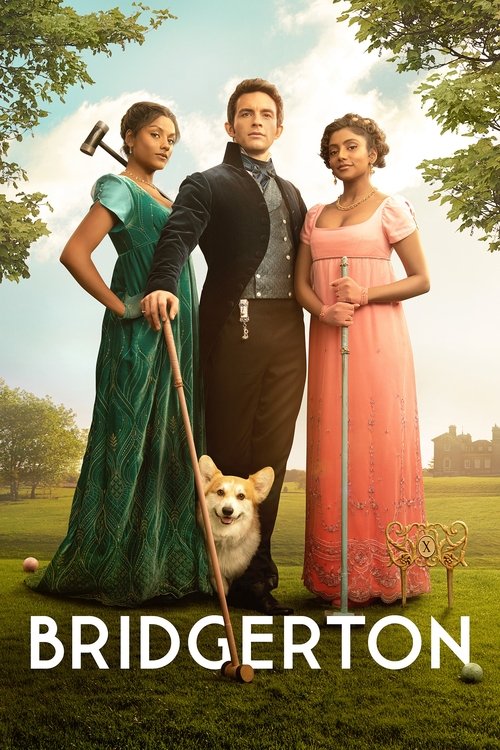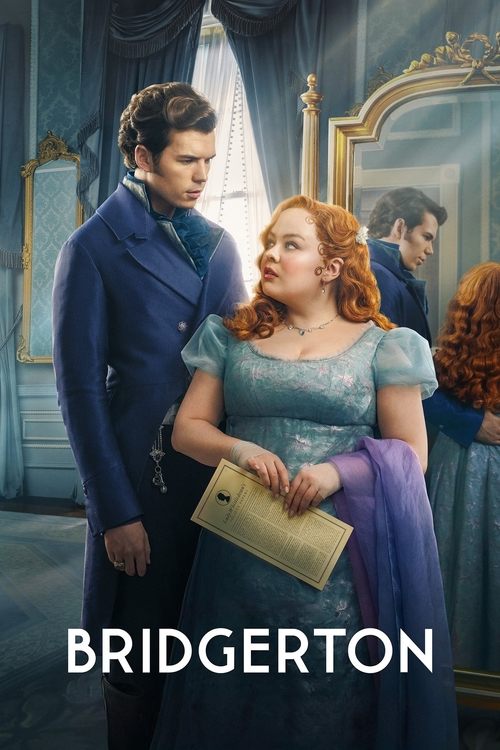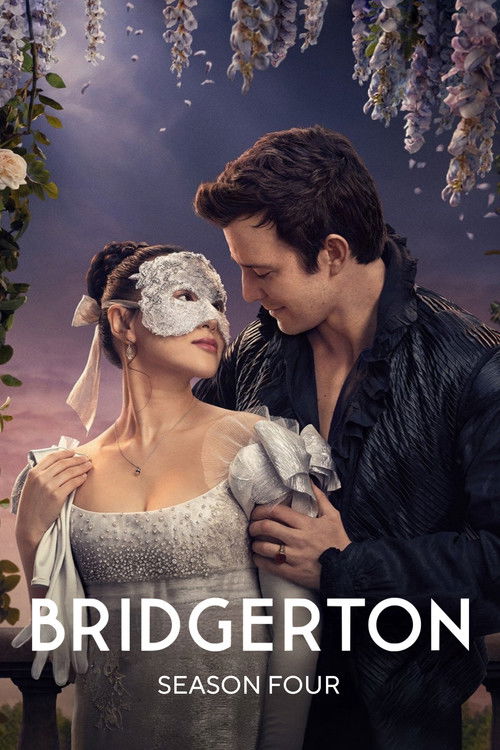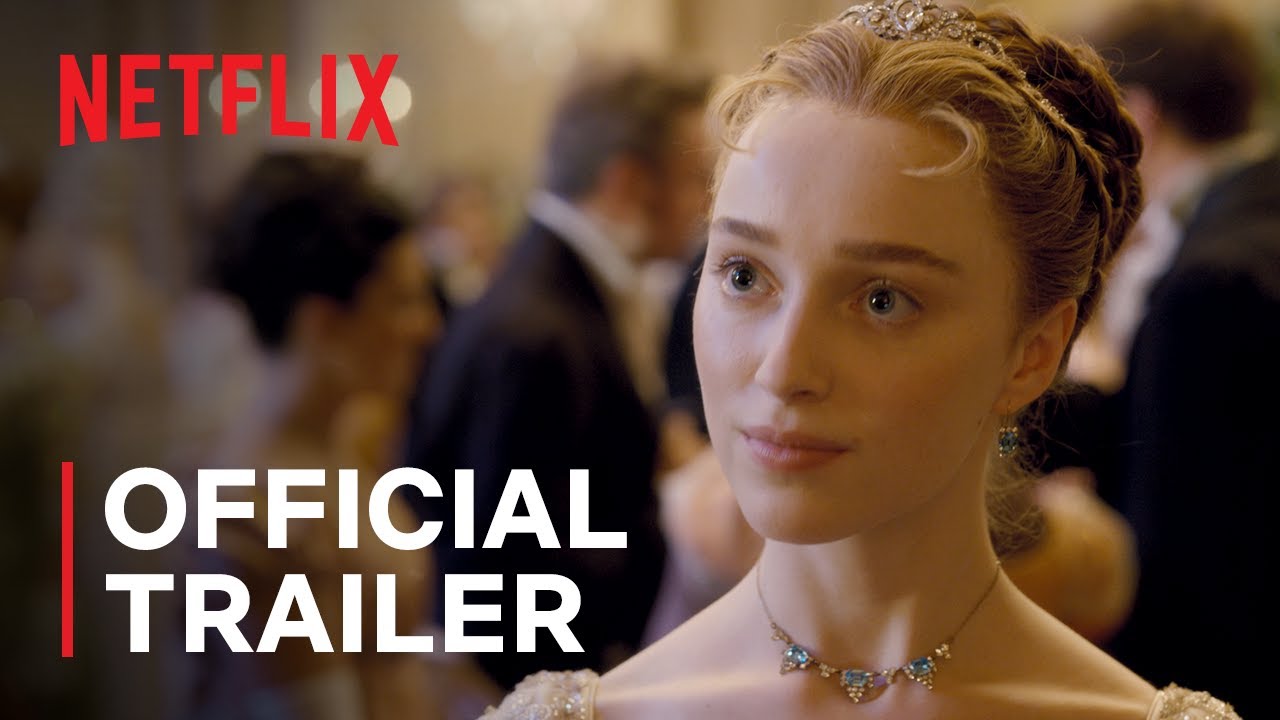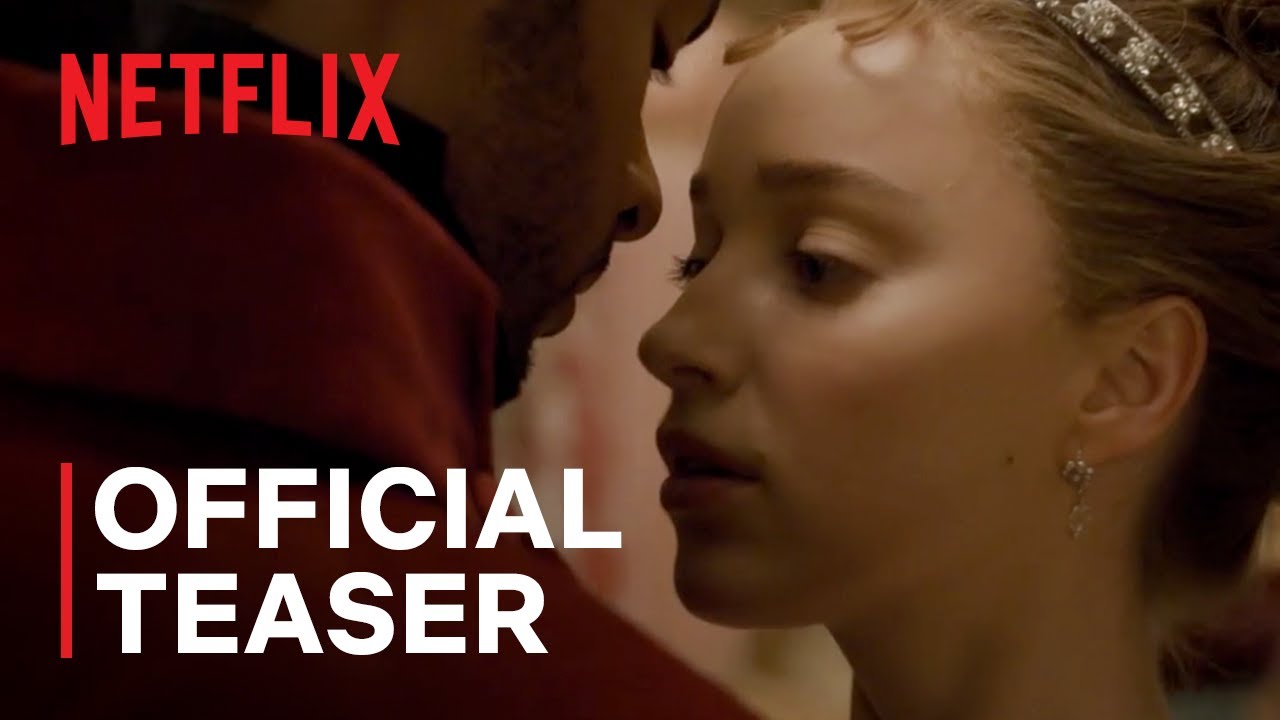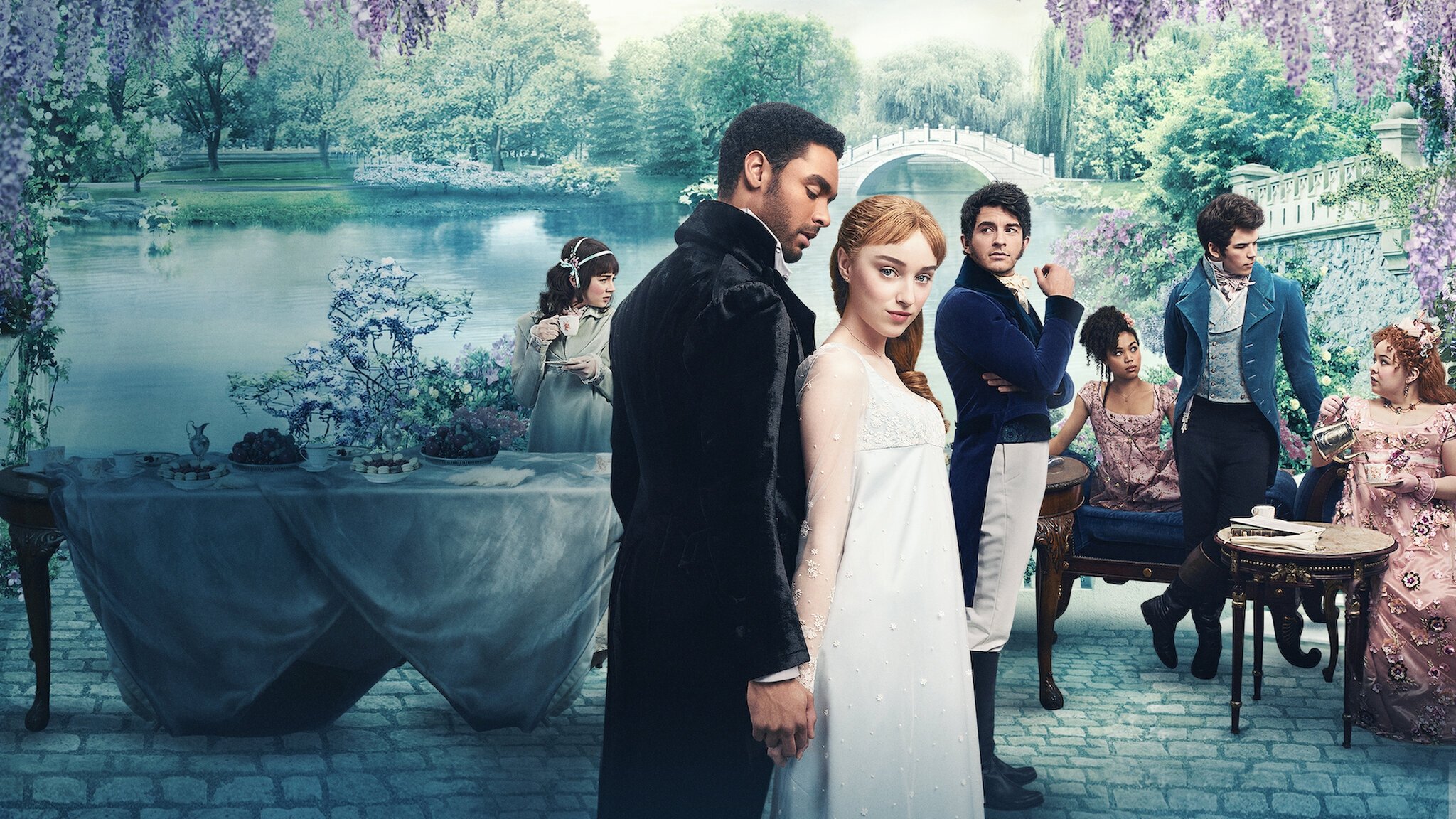
When Bridgerton premiered on Christmas Day 2020, few could have predicted that a Shonda Rhimes-produced period romance would become Netflix’s defining cultural phenomenon. Yet here we are, four years later, with a series that’s accumulated a devoted global fanbase, spawned think pieces about representation in historical drama, and proven that prestige television doesn’t need to abandon joy and romance to command critical respect. Chris Van Dusen’s vision created something that feels increasingly rare in the current television landscape—a show that’s simultaneously escapist and purposeful, visually sumptuous yet emotionally intelligent.
What makes Bridgerton genuinely significant is how it fundamentally challenged the gatekeeping around who gets to tell Regency-era stories and who gets to exist within them. The diverse casting wasn’t merely a checkbox; it became woven into the DNA of the narrative itself. By refusing to explain or apologize for the presence of Black nobility, Asian nobility, and people of color throughout positions of power and beauty, the show created an alternate historical reality that felt more genuinely utopian than preachy. Audiences didn’t just watch the Bridgerton family navigate marriage markets and scandal—they watched a television landscape shift in real time.
> The show’s 8.1/10 rating reflects something interesting: Bridgerton occupies a unique space where it’s beloved by masses while maintaining genuine artistic credibility, which is an increasingly difficult balance to strike.
The creative achievements across its six seasons and 32 episodes reveal an intentional architecture to the storytelling. Van Dusen structured the series so that each season could pivot focus—moving from Daphne to Anthony to Colin and Penelope, allowing for deeper character exploration while maintaining the addictive ensemble dynamics. This rotating protagonist approach gave the show longevity and something television often struggles with: the ability to evolve while staying true to its core identity.
The cultural footprint this series left behind deserves serious discussion. Certain episodes became instant landmarks in streaming television. The chemistry between lead couples sparked genuine cultural conversations about race, sexuality, and desirability in ways that transcended the typical “TV hot take.” When Season 3 dominated Nielsen’s streaming charts with 2.19 billion viewing minutes, it wasn’t just numbers—it represented millions of people collectively choosing to spend hours in this world. That kind of sustained engagement speaks to the quality of what Van Dusen and his team were crafting.
Key elements that elevated the show beyond typical period romance:
- Visual storytelling: The costume design became almost a character unto itself, with each gown and tailored coat conveying plot, status, and emotional stakes
- Diverse representation: Not as tokenism, but as a natural reimagining of historical space that felt more inclusive than exclusive
- Character depth: Supporting players like Lady Whistledown, the Queen, and various Bridgerton siblings developed genuine arcs across seasons
- Tonal balance: Successfully weaving comedy, genuine drama, and steamy romance without letting one overtake the others
What’s particularly clever about Bridgerton‘s approach to drama is how it understands that period pieces don’t require grimness to feel sophisticated. The show commits fully to the romance elements while treating social maneuvering, family dynamics, and emotional stakes with real weight. That balance is harder to achieve than it appears, and it’s part of why audiences keep returning season after season.
The unknown episode runtime across the series actually became part of its strength. Unlike shows locked into rigid 42-minute or 50-minute structures, Bridgerton allowed scenes to breathe where they needed to. A crucial conversation between characters could extend; a ball sequence could flourish. This flexibility in pacing meant storytelling wasn’t forced into predetermined boxes, and viewers appreciated the luxury of scenes that felt naturally concluded rather than artificially truncated.
Returning Series status means the story continues, and that’s significant. In an era where beloved shows get canceled abruptly or limp toward unsatisfying conclusions, Bridgerton‘s commitment to seeing its vision through multiple seasons represents a kind of faith in quality storytelling that Netflix has learned to recognize as valuable. The network’s investment in allowing the show to span six seasons reflects what audiences have demonstrated: they want to live in well-crafted worlds for as long as those worlds maintain their integrity.
The conversations this show sparked extended well beyond typical fan enthusiasm. It reshaped expectations for what period drama could be—proof that historical settings don’t mandate historical limitations, that romance can be central to prestige television, and that diverse casting strengthens narrative rather than complicating it. These aren’t small contributions to the television landscape; they’re seismic shifts in what audiences now demand and expect.
What ultimately makes Bridgerton deserving of sustained attention is its fundamental respect for the audience. The show doesn’t condescend; it luxuriates. It trusts viewers to care about social intrigue and heartbreak with the same intensity they invest in more conventionally “serious” dramas. That combination of visual splendor, emotional authenticity, and genuine entertainment value represents the best of what streaming-era television can accomplish—prestige without pretension, spectacle grounded in character. That’s why, nearly four years after its Christmas debut, Bridgerton continues to matter.