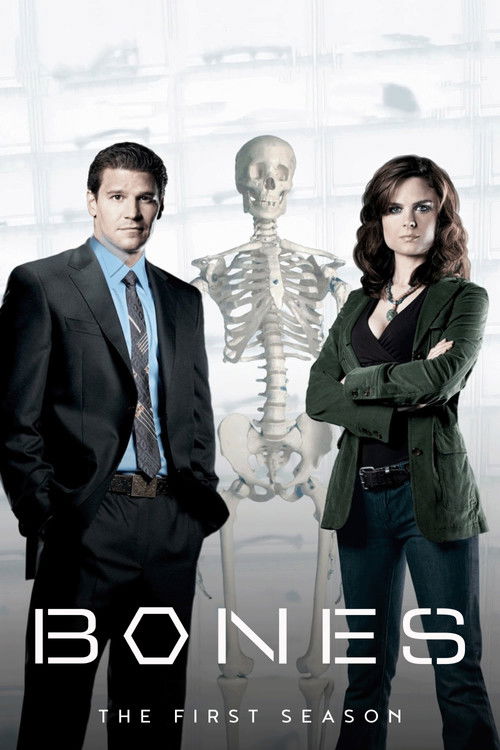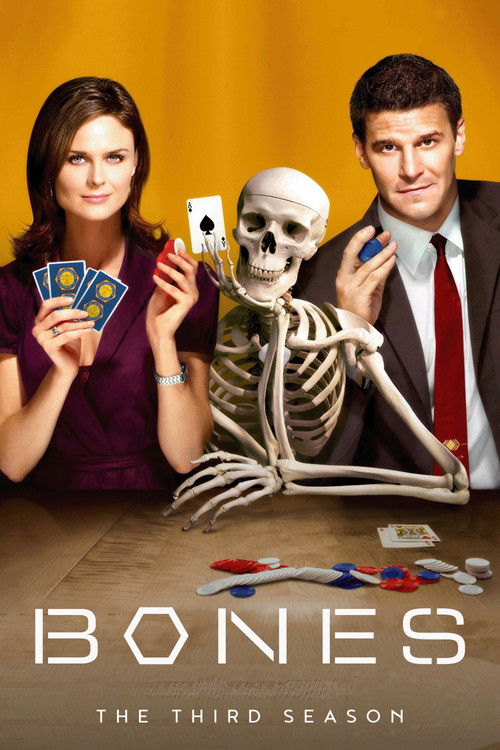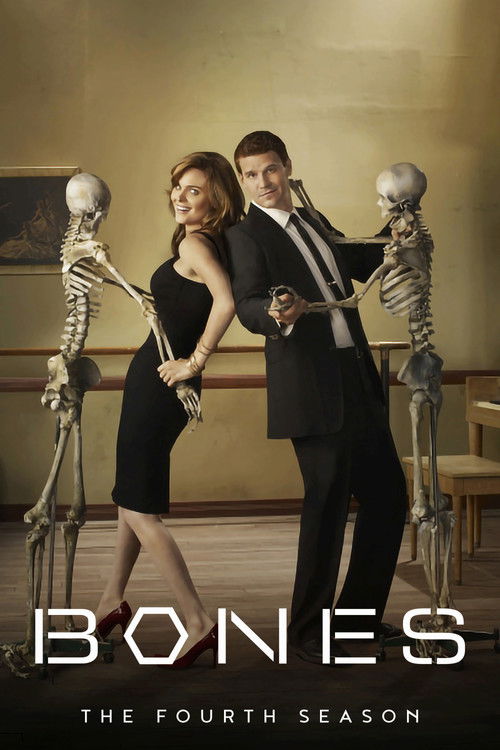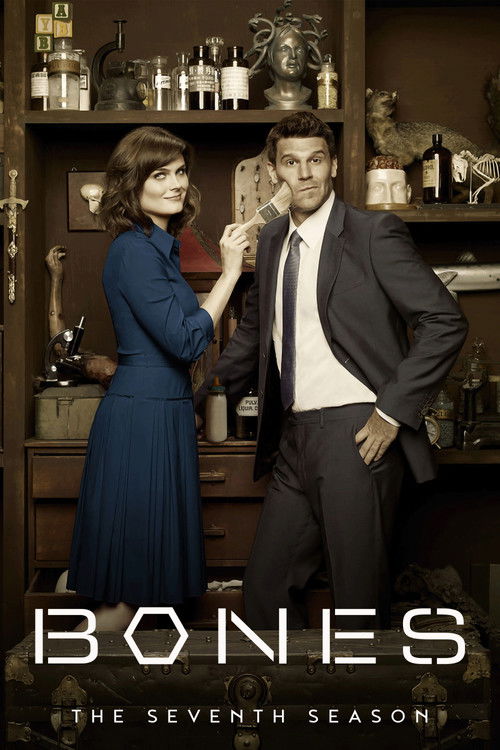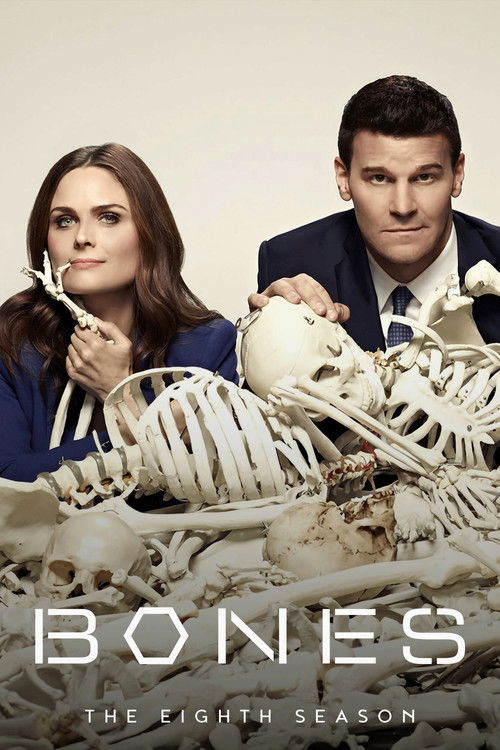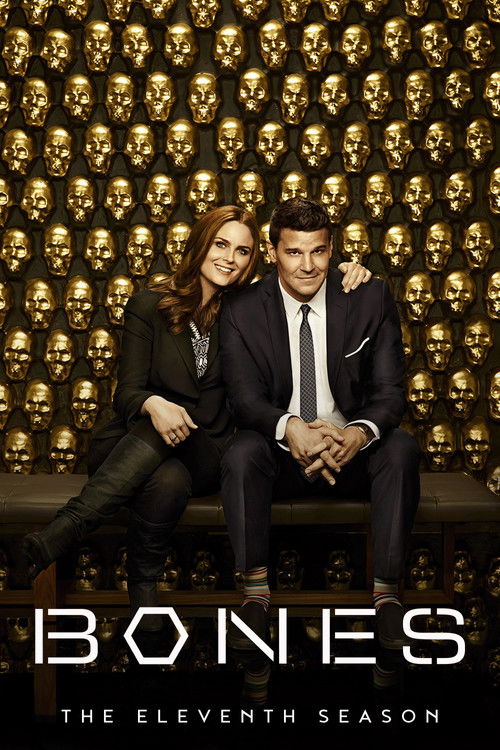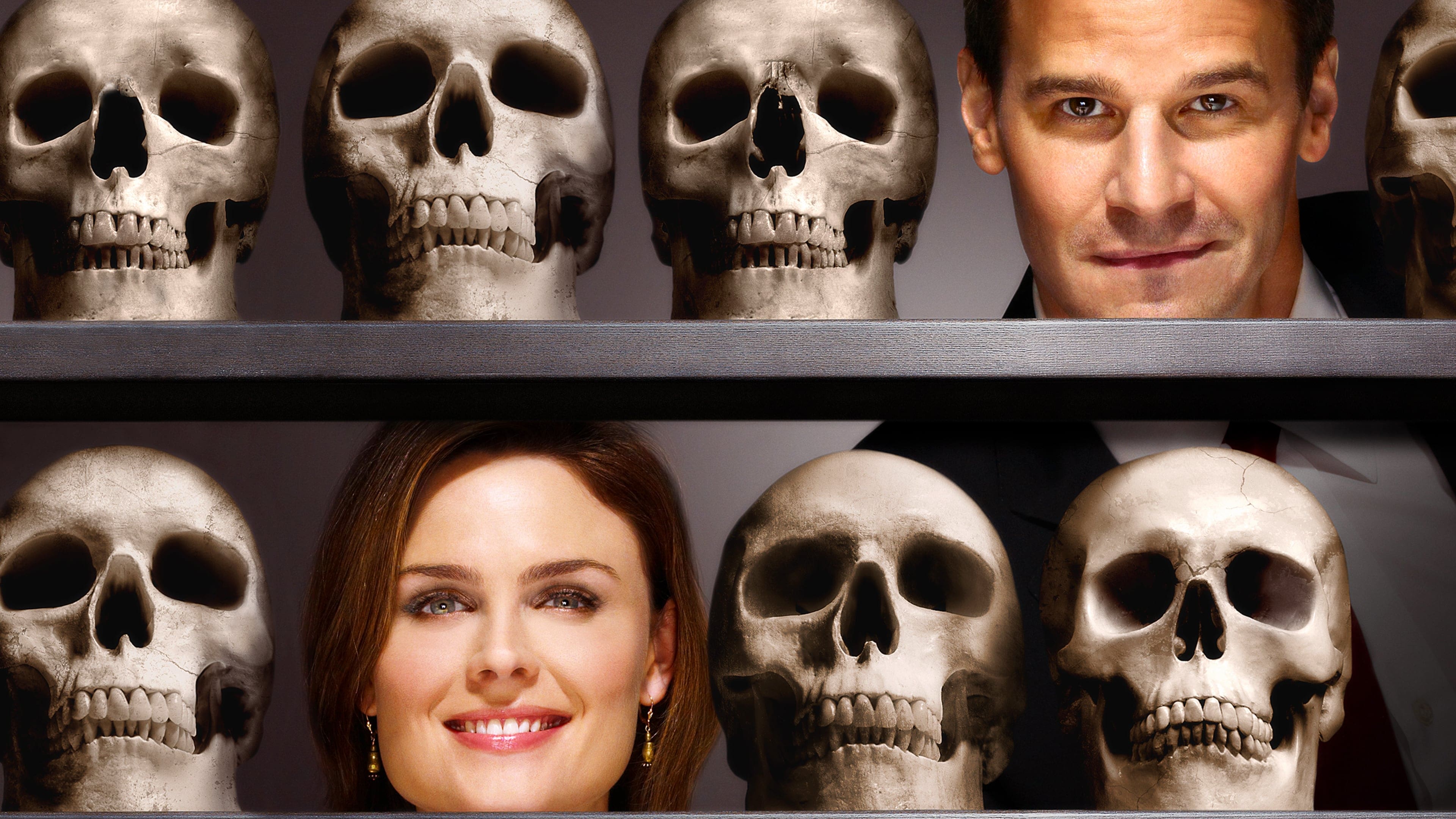
When Bones debuted on Fox back in September 2005, it arrived as something refreshingly different in the crowded crime drama landscape. Here was a show that didn’t just want to solve murders—it wanted to build an entire world around the intersection of science, humor, and genuine human connection. Hart Hanson’s creation tapped into something audiences were hungry for: procedural storytelling with actual character development, where the mysteries mattered as much as the relationships solving them. Over twelve seasons and 246 episodes, the show proved it had staying power, maintaining an impressive 8.2/10 rating that speaks to its consistent quality across nearly a decade-and-a-half of television.
What made Bones truly stand out was its central premise: pairing Dr. Temperance Brennan, a brilliant but socially awkward forensic anthropologist, with Seeley Booth, an FBI agent who relied on instinct and interpersonal skills. This wasn’t just a buddy cop dynamic—it was a genuine exploration of how two completely different approaches to the world could not only coexist but strengthen each other. The show understood something fundamental about television: audiences connect with characters first, cases second. Yes, the procedural elements kept you watching week to week, but it was Bones and Booth’s evolution that kept you coming back season after season.
> The show managed something remarkably difficult: it sustained a will-they-won’t-they tension for years without letting it become exhausting, and then it actually committed to the relationship in a way that deepened rather than resolved the narrative.
The technical achievement here deserves recognition too. Every episode dealt with human remains, forensic analysis, and the intricate puzzle of piecing together how someone died. Rather than shying away from the science, Hanson leaned directly into it. The show educated viewers about forensic anthropology while never letting the technical details overshadow the emotional stakes. This balance—between being genuinely informative and deeply human—separated Bones from countless other crime dramas that treated procedure as mere backdrop.
What’s particularly impressive when you look back at Bones‘ journey is how it navigated the treacherous waters of the “will they, won’t they” romance. Television is littered with shows that either resolved romantic tension too early (killing the spark) or dragged it out until audiences stopped caring. Bones managed to find the sweet spot, weaving Brennan and Booth’s relationship arc throughout the series in ways that felt earned and organic. When they finally did become a couple, it wasn’t the finale of their story—it was a new chapter that continued to develop in interesting ways.
The supporting cast deserves equal praise for the show’s longevity. Brennan’s team in the lab—including the enthusiastic Daisy Wick, the sardonic Jack Hodgins, and the no-nonsense Angela Montenegro—became just as essential to the show’s DNA as the leads. These weren’t just comic relief or exposition machines; they were fully realized characters with their own arcs, relationships, and growth. The show trusted its ensemble, which allowed for episodes that could shift focus while maintaining the overall quality.
Culturally, Bones had an interesting footprint that often went underappreciated by critics who dismissed it as “just a procedural.” But procedurals, when done well, become part of the cultural conversation in subtle ways. The show tackled complex social issues—indigenous rights, religious extremism, government conspiracy—alongside its murder mysteries. It presented a female protagonist who was brilliant, successful, and didn’t need to compromise her values or personality to fit traditional television archetypes. Bones Brennan was awkward, obsessive about her work, and often socially inept—and the show never suggested she needed to change who she fundamentally was.
The series’ consistency across its 246 episodes is genuinely remarkable when you consider the trajectory of most television shows. While individual season ratings naturally fluctuated—ranging from 7.7 to 7.9 depending on the season—the overall 8.2/10 average indicates an unusual level of quality control. That’s the kind of consistency that builds loyal fanbases, the kind that keeps shows available on multiple streaming platforms years after they end.
Why audiences stayed for twelve seasons:
- The procedural format provided immediate, satisfying mysteries while the serialized elements gave long-term narrative momentum
- The chemistry between the two leads felt genuinely earned, not manufactured for ratings
- Supporting characters evolved and deepened rather than remaining static archetypes
- The show balanced humor, heart, and genuine drama without losing sight of its identity
- Scientific accuracy was treated with respect, making viewers feel intelligent for watching
- Character relationships extended beyond the investigation-of-the-week
The fact that Bones ended after its twelfth season, rather than being cancelled or limping along for diminishing returns, speaks to something often lost in modern television discourse: sometimes shows end because they’ve told their story, not because they’ve run out of ideas. The series finale brought closure while respecting everything that came before, a rarity in television that many shows can’t manage.
Looking at Bones‘ legacy now, it’s a show that deserves recognition as one of the smarter procedurals ever made. It proved that crime dramas didn’t need to be grim, that character development and case-solving could be equally important, and that audiences would show up consistently for a show that treated them with intelligence and respect. In an era of peak TV where everything seems designed to shock or maximize drama, revisiting Bones‘ twelve-season run reveals something more valuable: a show that understood that consistency, heart, and genuine character growth never go out of style.