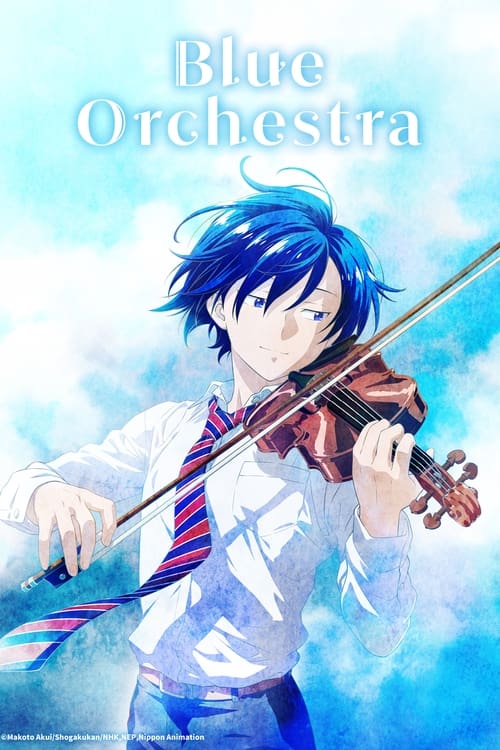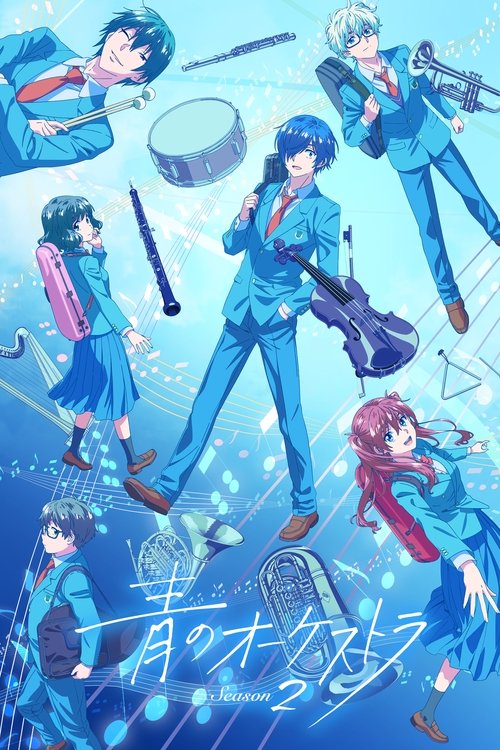
When Blue Orchestra premiered on NHK Educational TV in April 2023, it arrived without fanfare—just another anime entry in a crowded season. Yet something about this series captured the hearts of viewers in a way that transcended typical music anime fare. What started as a modest educational broadcast evolved into a genuine phenomenon, and two seasons later, with 45 episodes under its belt, the show has earned a loyal following that continues to advocate for its return. That 7.1/10 rating, while perhaps not astronomical, actually tells a fascinating story about a series that polarizes some but deeply moves others—the kind of show that inspires passionate discourse rather than universal acclaim.
At its core, Blue Orchestra understood something fundamental about television storytelling: sometimes the most profound narratives emerge from intimate, character-driven moments rather than sweeping drama. The show’s 25-minute episode format became not a limitation but a creative advantage. Those tight episodes forced the creators to distill emotional beats to their essence, eliminating filler and ensuring that every scene carried weight. In an era where prestige television often equates length with depth, Blue Orchestra proved that disciplined storytelling could achieve remarkable emotional resonance within a compact timeframe.
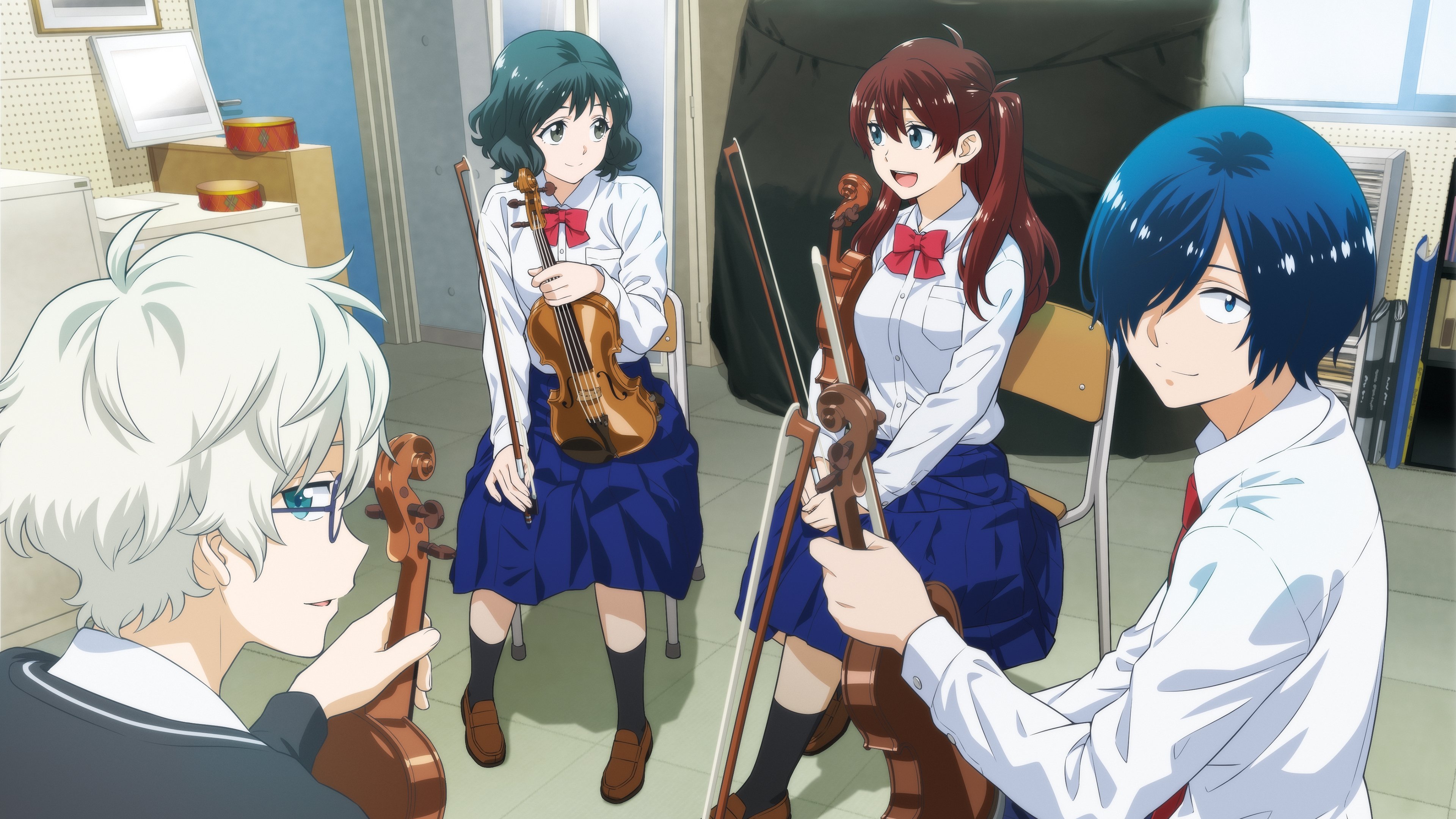
What distinguished Blue Orchestra most was its commitment to authenticity in depicting the world of orchestral music. Rather than relying on melodrama or exaggerated rivalries typical of music anime, the series took seriously the genuine struggles of young musicians—the technical challenges, the collaborative dynamics, the vulnerability required to perform at your best. This grounded approach created a space where audiences invested in character growth felt earned rather than manufactured.
> The show’s greatest achievement wasn’t just telling a story about music—it was making music, in all its complexity, feel accessible and emotionally vital to viewers who might never have picked up an instrument.
The first season established the foundational relationships and introduced the core cast in ways that prioritized authenticity over convenience. Characters weren’t assembled into a perfect ensemble overnight; instead, they developed through genuine musical collaboration, where personalities clashed, improved, and eventually harmonized both literally and figuratively. This patient character work created an investment that paid dividends as the narrative progressed.
By the time season two arrived, Blue Orchestra had built enough goodwill with its audience to explore more ambitious thematic territory. The show deepened its exploration of what it means to pursue artistry seriously, whether that meant grappling with self-doubt, navigating competitive pressures, or discovering your individual voice within a collective endeavor. These aren’t flashy storylines, but they’re honest ones—the kind that resonate long after the episode concludes.
Why audiences connected so deeply:
- The show treated young musicians with genuine respect, neither condescending nor romanticizing their struggles
- Character arcs felt organic, emerging naturally from the group’s musical journey rather than external plot devices
- The animation captured the subtlety of instrumental performance—the physical precision required, the emotional vulnerability of performing
- Supporting characters received meaningful development, avoiding the trap of centering everything on a single protagonist
The cultural footprint of Blue Orchestra emerged quietly but persistently. Within music education communities and among classical music enthusiasts, the series became a talking point—a show that authentically represented the orchestral experience. Online discussions often centered on how accurately it depicted the dynamics of ensemble playing, the particular anxiety of auditions, and the complex emotions surrounding performance. Musicians themselves praised its respect for their craft, which speaks to a level of care in the production that extended beyond surface-level aesthetics.
What’s particularly striking about the show’s current status as a returning series is that it didn’t ride a wave of initial hype into a greenlighting for season three. Instead, Blue Orchestra earned its renewal through the sustained passion of its audience and the clear storytelling potential that remained unexplored. The creators clearly had more to say about these characters and their musical journey, and viewers wanted to hear it.
The animation style itself deserves recognition as part of what made Blue Orchestra special. Rather than opting for flashy visual extravaganzas during performance sequences, the animators maintained visual consistency while finding elegance in precision. When characters performed, you could almost sense the technical skill required—the finger placements, the breathing, the minute adjustments that separate a good performance from an exceptional one. This technical attention created an unexpected intimacy with the characters’ musicianship.
The show’s lasting influence on television:
- Demonstrated that educational broadcasting could produce creatively ambitious drama without sacrificing educational value
- Proved that niche subject matter—in this case, orchestral music—could find passionate audiences when treated with genuine respect
- Showed that anime drama could achieve emotional depth through character work and patience rather than melodramatic plot escalation
- Influenced how music-focused series approach authenticity in depicting their subjects
Looking forward to Blue Orchestra’s return, what’s most exciting is anticipating how the creators will continue developing these characters and their musical world. The foundation they’ve built across two seasons—45 episodes of patient, thoughtful storytelling—suggests they understand the long game. This isn’t a show trying to shock you into engagement or manipulate you through convenient emotional beats. It’s a show that trusts its audience to find meaning in the genuine struggles and triumphs of young people pursuing something they love.
In a television landscape often dominated by spectacle, Blue Orchestra remains a quiet testament to the power of authenticity, character development, and respect for both your audience and your subject matter. That’s the kind of show worth returning for.