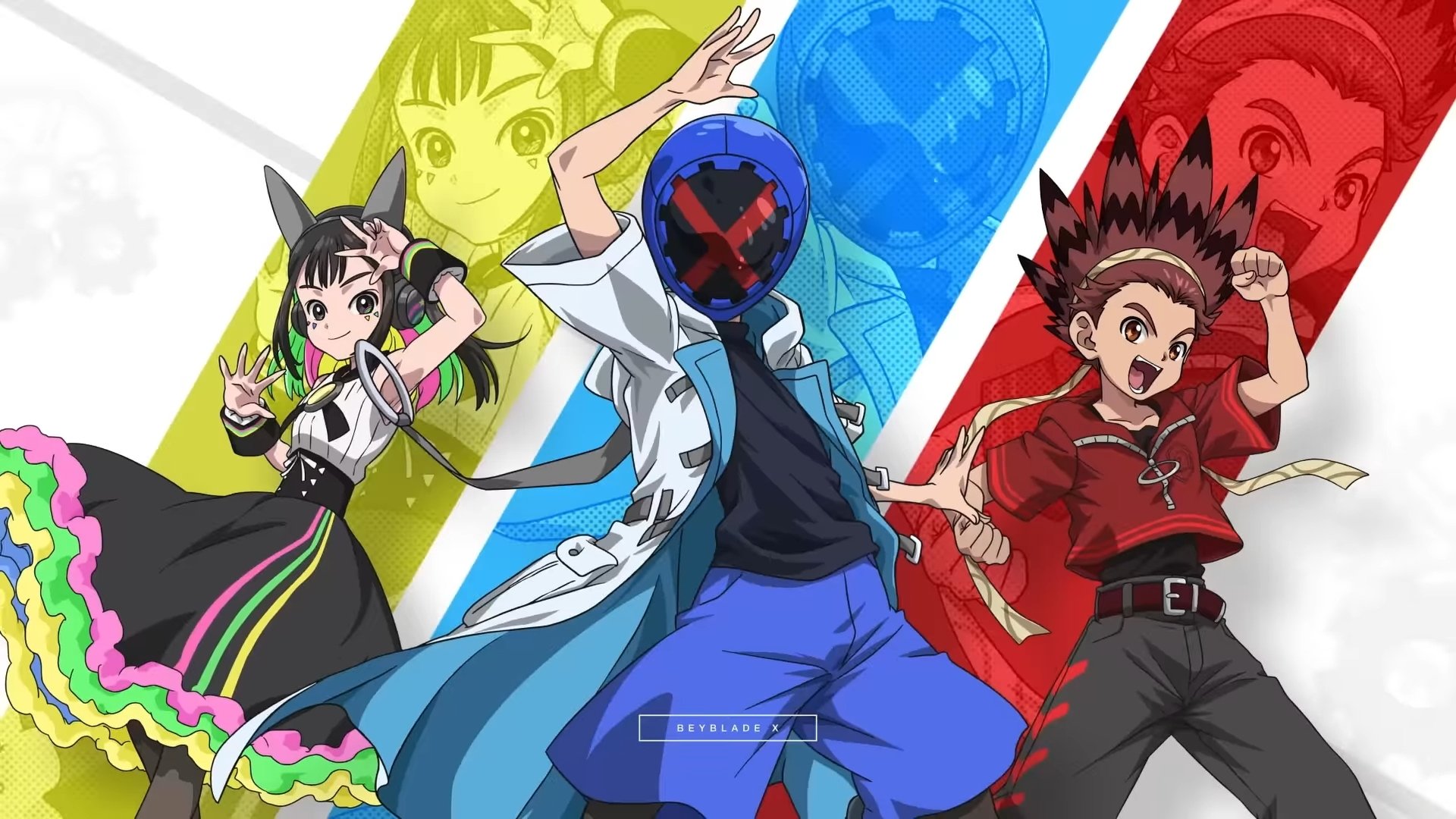
When Beyblade X premiered on October 6th, 2023, it arrived during a peculiar moment in children’s television—a landscape where traditional broadcast networks were hemorrhaging viewers, yet anime continued to find passionate audiences through streaming platforms. What makes this series worth discussing isn’t just that it succeeded in that environment, but how it managed to do something genuinely interesting with a familiar premise: a kid with dreams of becoming a professional player in a competitive sport. It’s a formula we’ve seen countless times, yet the creative team of Homura Kawamoto, Hikaru Muno, and Posuka Demizu found ways to make it feel fresh and urgent.
The show’s 115-episode first season tells you something important about its philosophy. Rather than chasing quick, 12-13 episode arcs designed for easy consumption, the creators committed to extended storytelling that built momentum across a full season. That’s a bold choice in 2023, when streaming platforms encourage binge-ability and networks obsess over retention metrics. Yet this decision allowed the narrative to breathe, to develop characters beyond surface-level archetypes, and to create genuine stakes that audiences could actually invest in.
What made Beyblade X stand out amidst a crowded marketplace:
- The integration of sci-fi and fantasy elements into what could have been a straightforward sports narrative
- A visual storytelling approach that maximized the 25-minute episode runtime for both action sequences and character development
- The willingness to blend comedy and action without letting either undercut the other
- Recognition that “kids’ programming” doesn’t require talking down to its audience
The 6.8/10 rating on aggregated platforms tells an interesting story—it’s respectable but not phenomenal, suggesting the show resonated strongly with core fans while perhaps not achieving universal acclaim. But here’s where that metric becomes context rather than criticism: the show’s actual trajectory across its season proved more revealing. Early episodes built foundation and character relationships, mid-season arcs escalated complexity and emotional investment, and later entries deepened the thematic exploration of ambition, failure, and growth.
What became clear as the season progressed was that this show understood something fundamental about its audience. Kids’ television often assumes young viewers want either pure escapism or simplified moral lessons. Beyblade X offered something more sophisticated: a world where failure mattered, where rivals could be sympathetic, where the protagonist’s journey toward X Tower—that mythical destination where professional players gathered—involved genuine obstacles that couldn’t be overcome through simple determination alone. The show’s action sequences weren’t just spectacle; they were windows into character and motivation.
The streaming distribution strategy amplified the show’s reach in ways traditional broadcast never could have. Available on Netflix, Hulu, fuboTV, Netflix Kids, DisneyNOW, and Netflix Standard with Ads, Beyblade X existed everywhere simultaneously. Consider the context: between 2016 and 2023, Nickelodeon’s ratings plummeted 86%, while Disney Channel fell 90%. The traditional infrastructure for reaching children was collapsing. Yet anime through streaming platforms had become the new primary pathway, and Beyblade X positioned itself perfectly within that ecosystem.
> The show’s real achievement wasn’t just surviving in this landscape—it thrived by understanding that modern audiences, especially younger viewers, expect quality storytelling regardless of runtime or target demographic.
The creative vision behind Beyblade X reflected a confident understanding of how to pace a narrative across 25-minute episodes. This runtime, often dismissed as restrictive, became an advantage. It forced discipline in storytelling—no meandering subplots, no filler episodes masquerading as character development. Instead, every beat served purpose. Action sequences illustrated character growth. Comedic moments provided genuine relief rather than padding. The sci-fi and fantasy elements weren’t window dressing but integral to how the world functioned and how competition actually worked.
What’s particularly noteworthy is the show’s status as a returning series, signaling that despite the middle-of-the-road aggregate rating, networks and streaming platforms saw enough audience engagement to greenlight additional seasons. This reflects a shift in how success is measured—away from broad appeal toward targeted, loyal fanbases willing to follow a show across multiple seasons. Beyblade X built that kind of loyalty by respecting its audience’s intelligence and patience.
The character of our protagonist—this unnamed young boy chasing dreams at X Tower—became iconic not because he was revolutionary but because the show allowed him to be genuinely flawed. He struggled. He lost. He had to learn and adapt. That might sound elementary, but it’s surprisingly rare in children’s television, where protagonists often bend narrative around their immediate success. By positioning growth as earned rather than guaranteed, Beyblade X created something that resonated across its 115-episode arc.
Key moments that defined the show’s cultural footprint:
- Episodes featuring the Tri-Blader Battle format, which became fan-favorite standoffs
- Character arcs for rivals like Meiko Myoden that subverted traditional antagonist tropes
- Sequences that demonstrated how the show could balance kinetic action animation with intimate character moments
- The consistent world-building that made X Tower feel like an actual destination rather than a narrative device
The conversation Beyblade X sparked centered on a simple but important observation: kids’ entertainment could be sophisticated without being pretentious, action-packed without sacrificing narrative, and genuinely entertaining for both children and adults watching alongside them. In an era when children’s television had been reduced to algorithm-optimized content on fractured platforms, this show proved that intentional storytelling still mattered.
What will ultimately define Beyblade X‘s legacy isn’t its rating or its 115-episode count, but rather how it demonstrated that anime remains a vital force in children’s television precisely because it refuses to accept limitations. The show asked audiences to invest in a world, characters, and a journey—and enough people accepted that invitation to ensure it would continue.


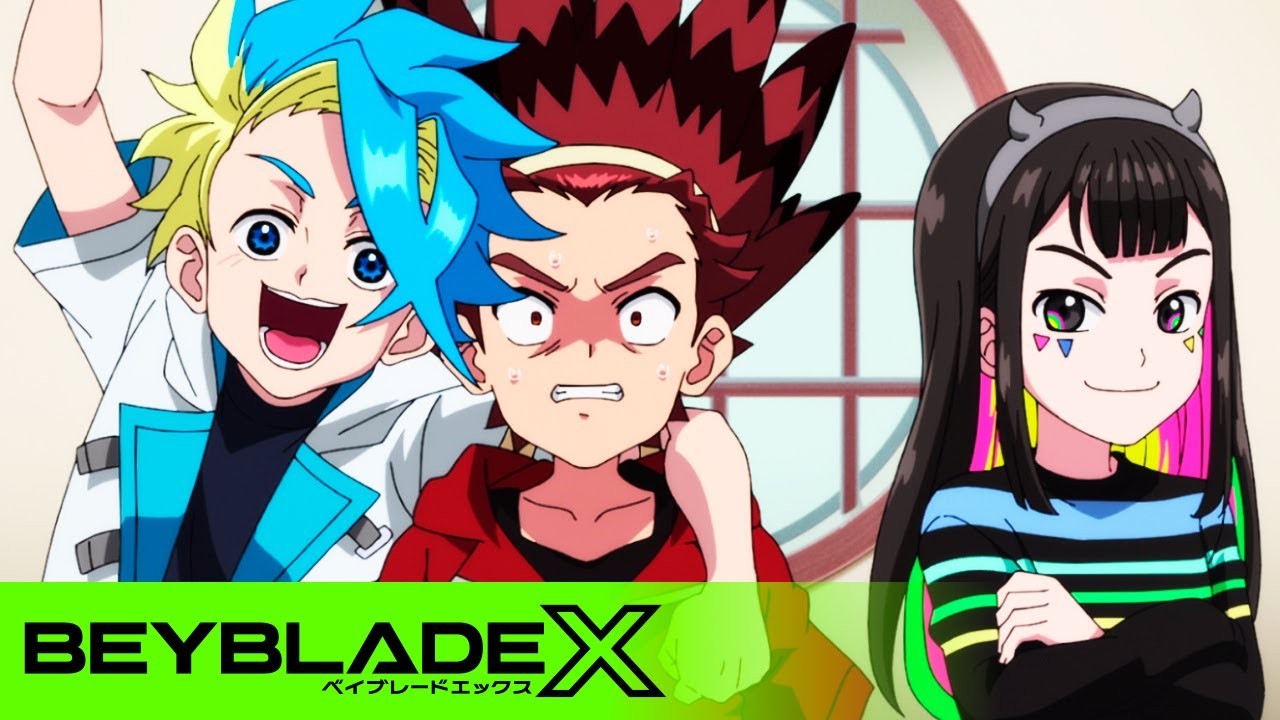

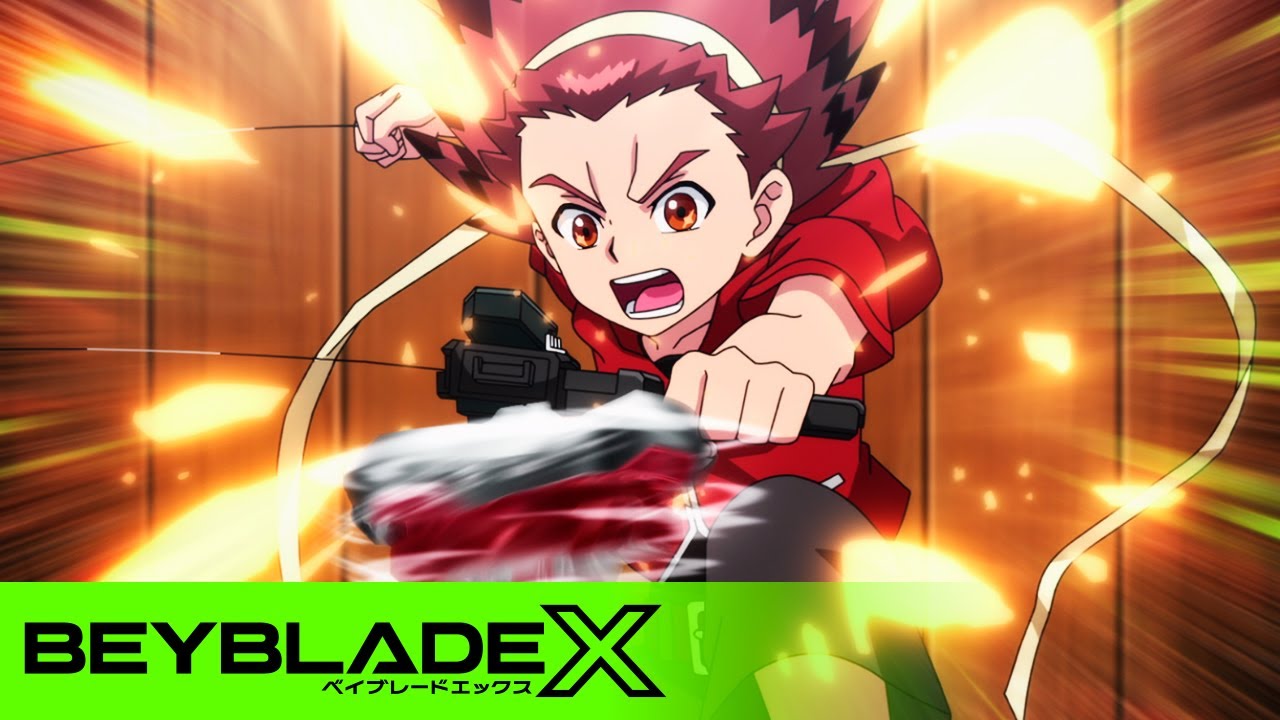
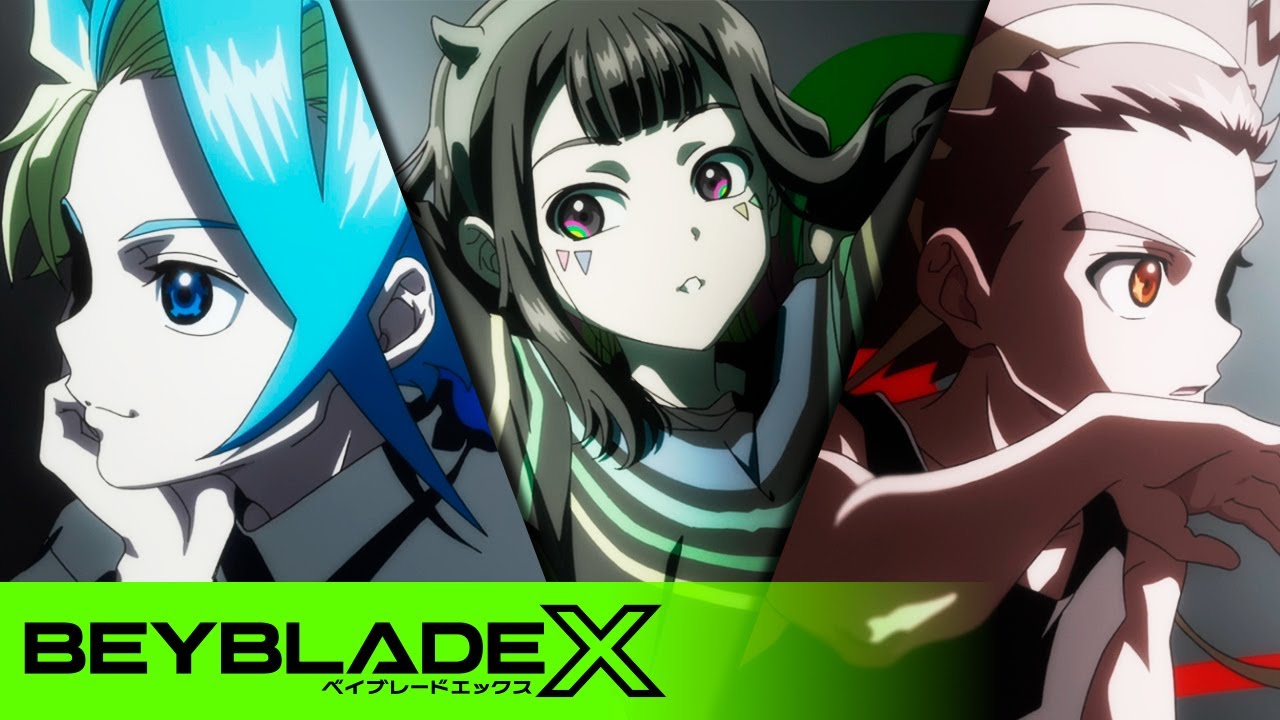


![Opening Theme | Prove - ONE OK ROCK [Subtitled]](https://img.youtube.com/vi/QUm1Q2HfYM4/maxresdefault.jpg)