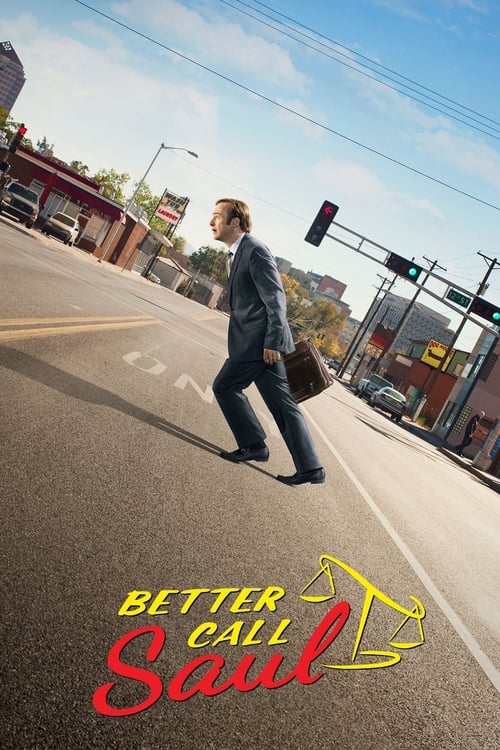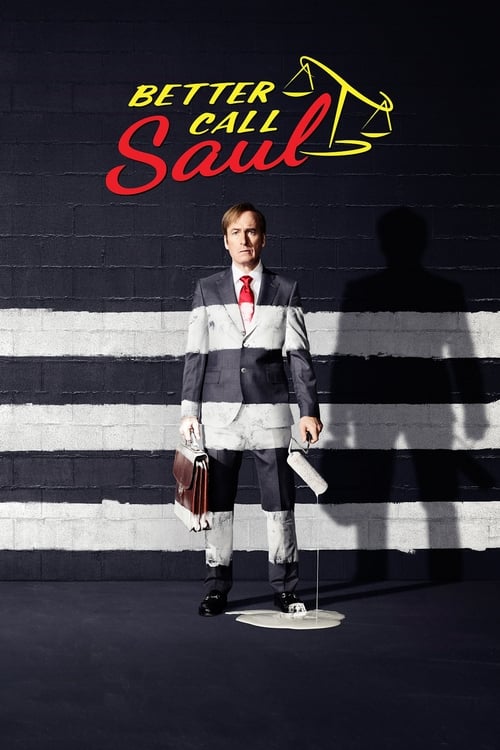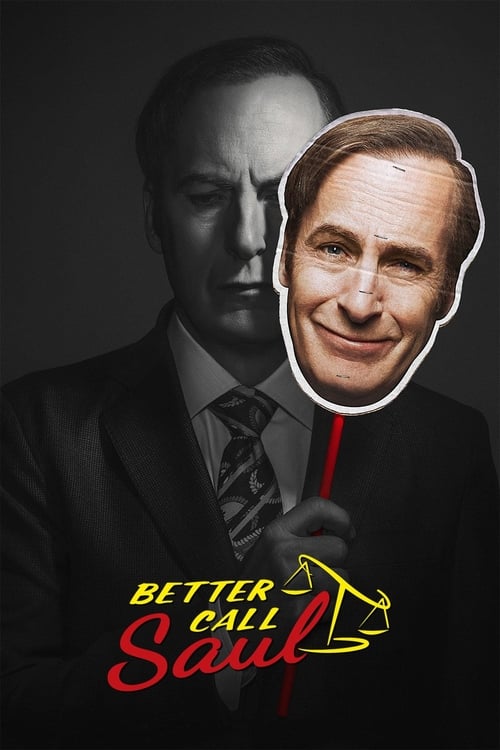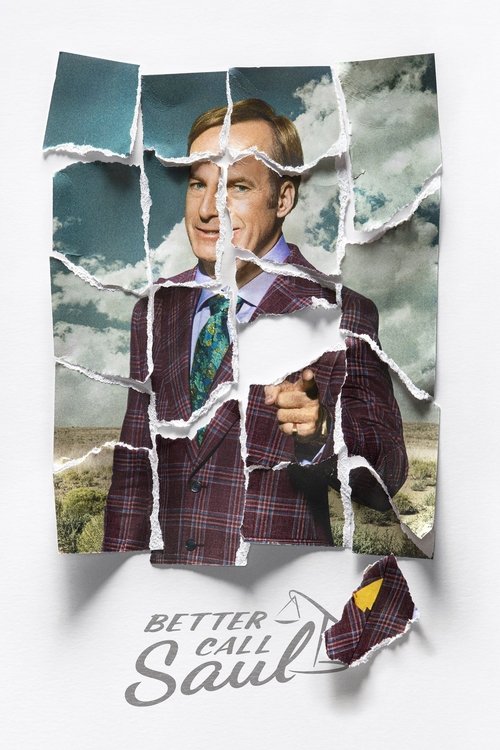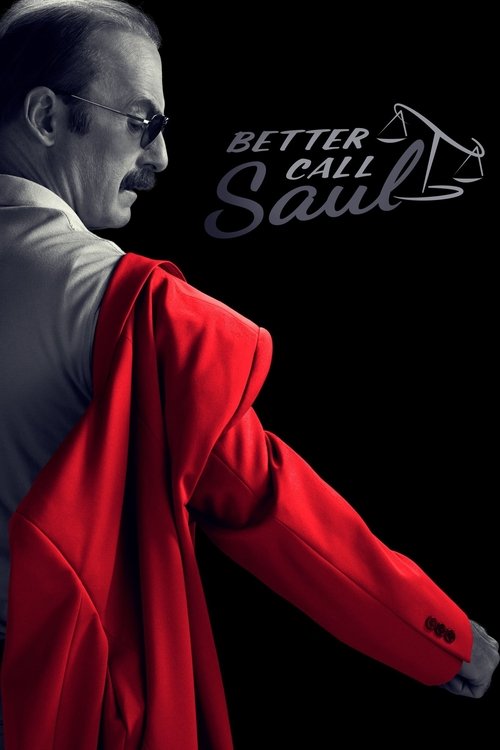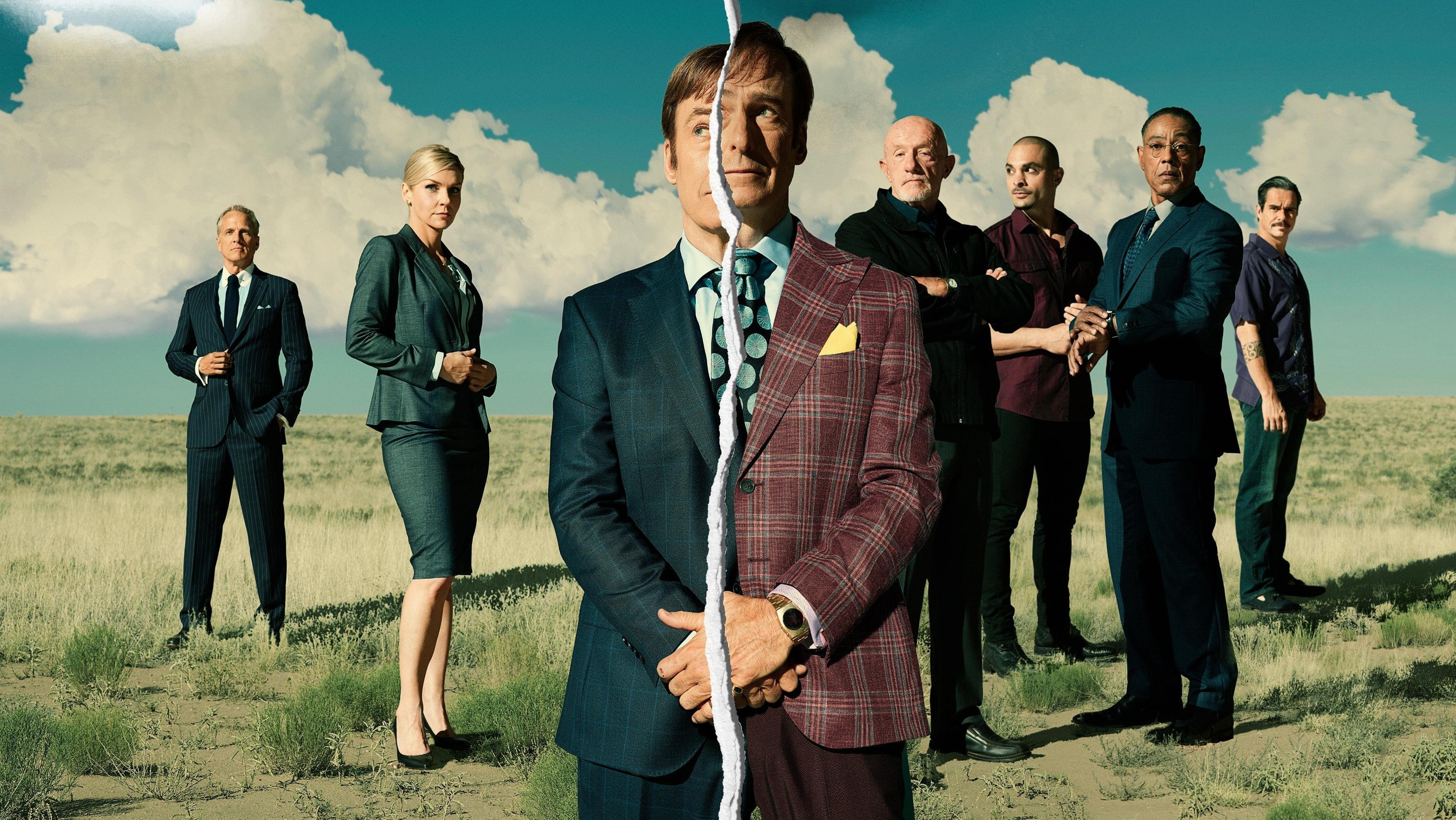
When Better Call Saul premiered on AMC in February 2015, nobody expected what would follow. Here was a spinoff of Breaking Bad—a show that had already achieved legendary status—and it had the audacity to be a prequel about a morally flexible lawyer and a former cop trying to reinvent themselves. It could’ve easily been a cash grab, a nostalgia play that coasted on the goodwill of its predecessor. Instead, it became something far more ambitious: a meditation on transformation, moral decay, and the impossibly thin line between circumstance and choice that stands as one of television’s greatest achievements.
What makes Better Call Saul remarkable is how it refused to be Breaking Bad 2.0. While that show was fundamentally about Walter White’s descent into villainy—a thrilling, operatic tragedy—Better Call Saul asked a different question entirely: What if descent was less about a dramatic turn and more about a thousand small compromises? Over six seasons and 63 episodes, creators Vince Gilligan and Peter Gould constructed something far subtler than spectacle. They built a character study that proved you could sustain dramatic tension not through explosions and murder plots, but through the slow erosion of a person’s principles.
The show’s structural brilliance lies partly in what those unknown runtimes allowed. Without being locked into a rigid format, the writers could let scenes breathe. A conversation between Jimmy McGill and Kim Wexler could unfold at its own pace. A sequence of Jimmy’s con artistry could develop with meticulous detail. This flexibility became essential to the show’s DNA—it trusted audiences to sit with quiet moments, to understand that sometimes the most devastating scenes are the ones where someone simply realizes they’ve become who they swore they’d never be.
> “The show understood that the most interesting drama isn’t always about what happens next—it’s about why it happens, and what it costs.”
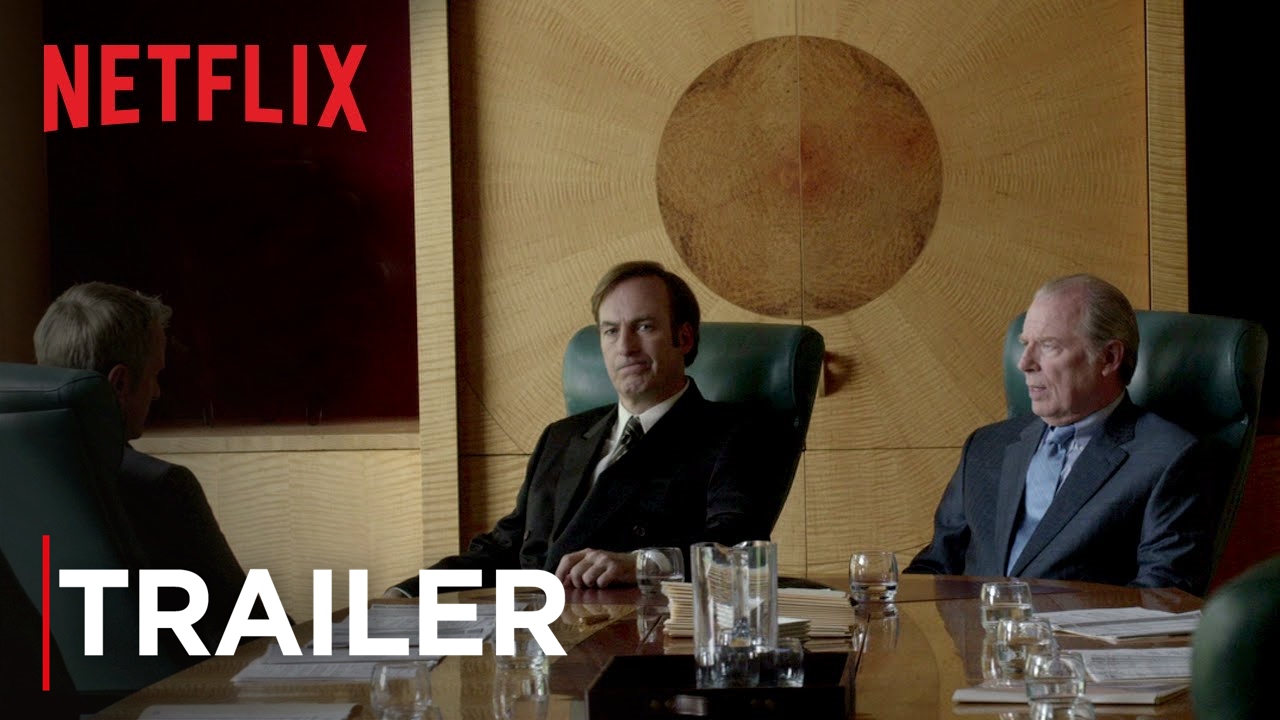
The performances, particularly Bob Odenkirk as Jimmy McGill and Rhea Seehorn as Kim Wexler, became the emotional anchors that made this work. Odenkirk gave us a protagonist who was somehow sympathetic even as he manipulated nearly everyone around him. His Jimmy was desperate in a way that felt painfully human—not evil, just someone trying to survive in a game he didn’t fully understand. And then there was Seehorn, delivering what may be one of television’s most underrated performances, making Kim’s journey from straight-laced lawyer to Walter White’s closest criminal accomplice feel inevitable and heartbreaking in equal measure.
The critical reception tells its own story. Starting at a solid 8.7/10 in season one, the show maintained remarkable consistency before hitting new heights in its final two seasons, both earning 9.1/10 ratings. That upward trajectory in the final stretch is unusual—most shows fade or become parodies of themselves. Better Call Saul somehow got better, which meant the writers knew exactly where they were going and had the skill to land it. Those final episodes didn’t just conclude a story; they recontextualized everything that came before.
What Better Call Saul contributed to television culture extends far beyond its plot mechanics. It became part of a larger conversation about character arcs and moral philosophy in prestige drama. Social media lit up with theories and debates about whether certain characters had crossed a point of no return, whether redemption was even possible, whether we were rooting for the wrong people. The show forced audiences to reckon with their own complicity—we were asked to follow someone into genuinely dark territory and examine why we kept following.
The show’s approach to the crime and drama genres also proved influential. Instead of fetishizing criminal activity, Better Call Saul presented it as corrosive and exhausting. Crime wasn’t cool or exciting in this universe—it was soul-crushing, repetitive, and trapped you in cycles of compromise. This distinction mattered enormously. By the time the final season aired, the emotional weight of Jimmy’s transformation into Saul Goodman hit differently than it would have in season one. We’d watched every step of the fall, and that accumulation of small betrayals—of Kim, of himself, of his principles—created something far more impactful than any grand villainy.
The show also demonstrated the value of patience in storytelling. In an era of streaming demands for immediate gratification, Better Call Saul insisted on taking its time. Character development happened slowly. Conflicts resolved in unexpected ways. The writers understood that an audience sophisticated enough to appreciate nuance would stick with a show that respected their intelligence. The streaming platforms eventually recognized this value too, making the series available globally and allowing new audiences to discover what they’d been missing.
- Season Five and Season Six represented the creative peak, with ratings jumping to 9.1/10
- The final arc of Jimmy’s transformation completed what the show had been building toward from day one
- The relationship between Jimmy and Kim became the emotional core that everything else orbited around
- The Breaking Bad universe’s expansion felt earned rather than forced through authentic character connections
Looking back at the full six-season run, what’s stunning is how Better Call Saul never traded quality for comfort. It could have given audiences what they expected—more colorful characters, bigger twists, faster pacing. Instead, it kept asking harder questions. It kept making its protagonist less likeable even as it made him more human. It ended on a note that wasn’t redemptive in any traditional sense, which takes tremendous confidence.
Better Call Saul will endure because it mastered something increasingly rare in television: the ability to be both intimate and epic, both darkly funny and genuinely tragic, both a continuation of a beloved universe and entirely its own thing. It proved that a prequel could be superior to its source material, that moral ambiguity could be more compelling than clear villainy, and that television could be art without ever sacrificing the fundamental craft of storytelling. That’s a legacy that lasts.