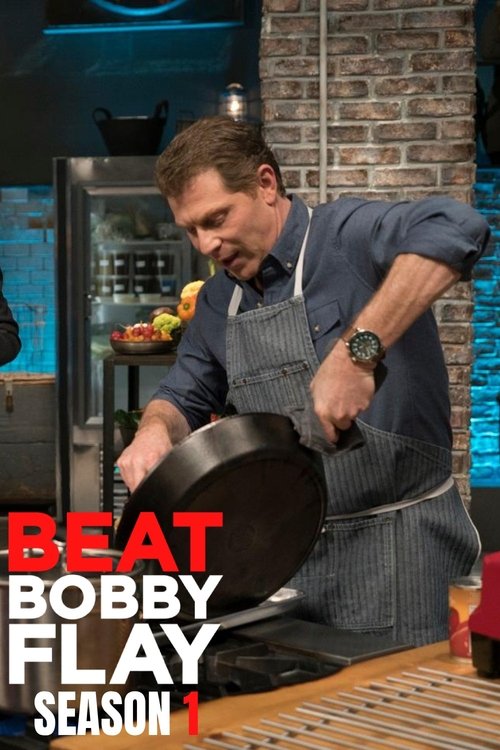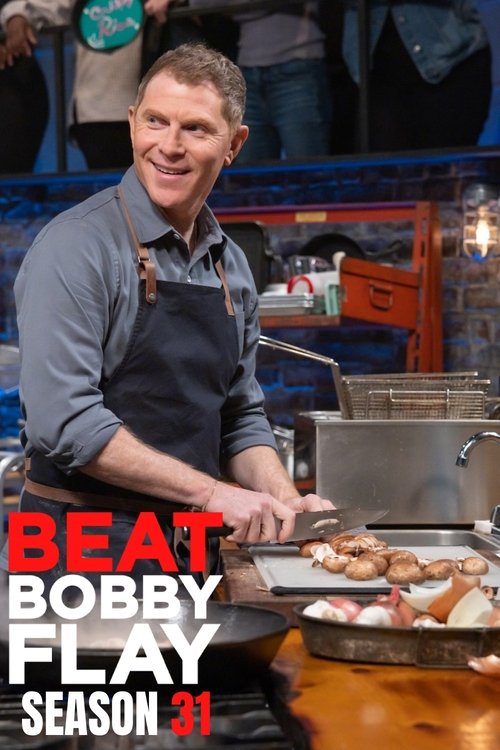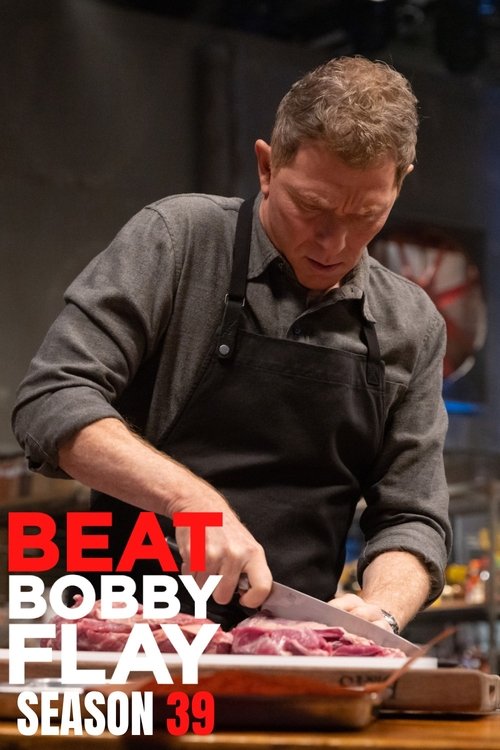
When Beat Bobby Flay premiered back in August 2013, nobody quite knew they were tuning into what would become one of Food Network’s most durable and beloved competition formats. What started as a straightforward cooking competition—two chefs battling for the chance to face off against Bobby Flay himself—evolved into something far more significant than its premise suggested. Over the past decade-plus, this show has become a masterclass in how to sustain engaging reality television through sheer competitive integrity and the magnetic appeal of a genuinely formidable opponent.
The genius of the format lies in its elegant simplicity. You’ve got three rounds: two chefs compete in the first round, the winner moves to face Bobby Flay in the second, and then there’s the final showdown where everything’s on the line. It sounds straightforward enough, but within that structure, the show found something that resonates deeply with viewers. There’s a democratizing quality to it—any chef, from any background, gets to test themselves against one of America’s most recognizable culinary figures. That tension is real, and audiences can feel it.
> The premise itself speaks to a kind of American fantasy: the underdog challenger given a fair shot at greatness.
Across 42 seasons and 529 episodes, Beat Bobby Flay has maintained a consistency that’s remarkable in television. The 30-minute runtime is crucial here—it’s tight enough to maintain momentum without feeling rushed, allowing each competition to breathe while keeping the pacing relentless. There’s no filler, no manufactured drama. The tension comes organically from the competition itself and the genuine stakes for these chefs. Bobby Flay may have become something of a household name, but watching contestants face him in his element reveals why: the man genuinely knows how to cook, and beating him means something.
The show’s cultural footprint became most apparent in how it shifted conversations about cooking competition shows. Rather than focusing on elimination drama or personal conflicts between contestants, Beat Bobby Flay asks a simpler, more compelling question: Can you out-cook this particular person? It’s refreshingly straightforward in an era when reality television often prioritizes interpersonal conflict over actual competition. The show proved that audiences didn’t need manufactured tension—they wanted to see skilled people test their abilities.
What’s particularly interesting is how the ratings trajectory tells a story in itself. Starting strong at 7.6 in its first season, the show settled into a sustainable range in the 7.0-7.4 zone for years, which speaks to a loyal, dedicated audience rather than a sensationalist spike-and-crash phenomenon. The current 6.1 overall rating, when averaged across 42 seasons, suggests the show has found its groove as an enduring presence rather than a breakout sensation—which is arguably more impressive for longevity.
The cultural significance extends beyond just the competition itself:
- The show became a launching pad for lesser-known chefs to gain national exposure, democratizing visibility in food media
- It established a template that other networks attempted to replicate, but none quite captured the same magic
- Bobby Flay’s persona evolved from celebrity chef to something more interesting: a legitimate benchmark for culinary skill
- The episodes created countless “upset” moments that became talking points in food communities and on social media
Bobby Flay’s vision for the show was deceptively simple but brilliantly executed. Rather than being a vehicle for his own stardom, he essentially created a format where he’s the final boss in a game anyone can enter. That’s generous programming, and it explains why the show has attracted such a broad spectrum of competitors over the years. From established restaurant chefs to food truck operators to home cooks who’ve developed signature dishes, everyone gets a chance.
The streaming ubiquity of the show—available on Netflix, Hulu, HBO Max, Discovery+, and numerous other platforms—speaks volumes about its enduring appeal. It’s the kind of show that works whether you’re investing in a full episode or catching clips. In our fragmented media landscape, that flexibility has kept Beat Bobby Flay relevant and accessible to audiences discovering it for the first time while longtime fans continue their viewing habits.
What makes this series particularly worthy of attention is how it’s aged compared to other reality competition shows from the same era. While many cooking competitions have been canceled or reinvented, Beat Bobby Flay just keeps rolling, returning season after season because the core formula works. It doesn’t need gimmicks or shocking twists. A talented chef and a well-structured competition where skill genuinely determines outcomes—apparently that never gets old.
The show’s achievement lies in understanding that sometimes the simplest concepts, executed with integrity and genuine competitive spirit, create the most durable television. In an industry often chasing viral moments and controversy, Beat Bobby Flay has quietly become one of Food Network’s anchor programs by doing something almost radical: letting the cooking speak for itself.