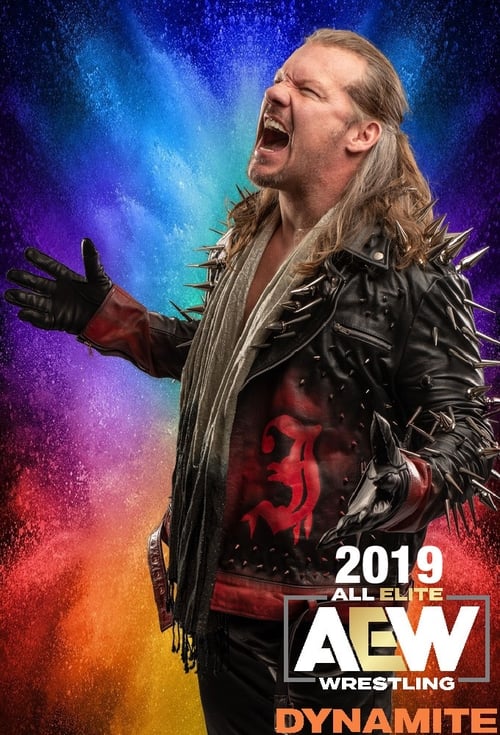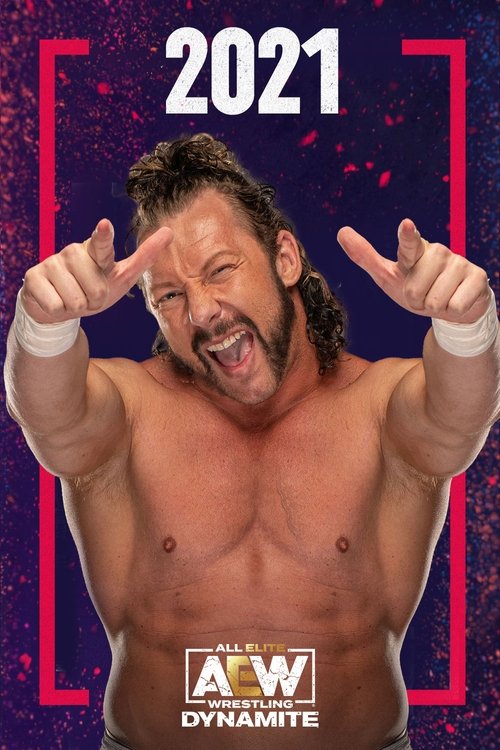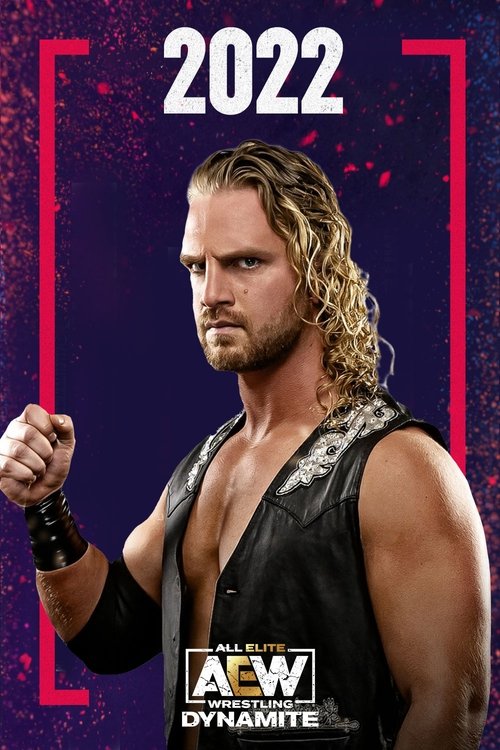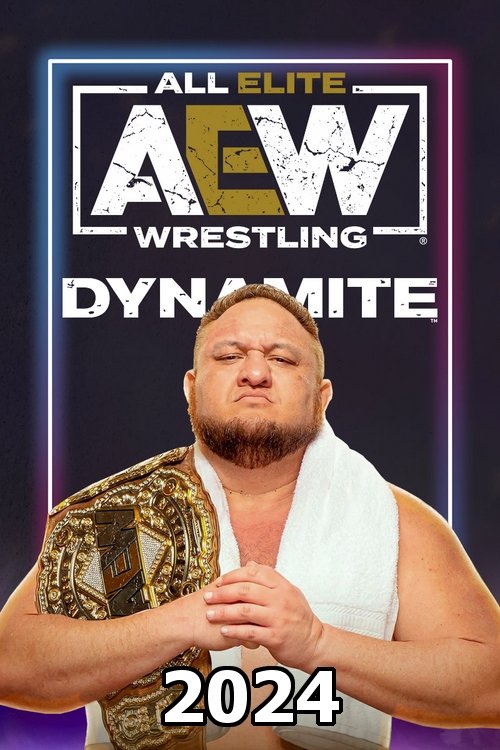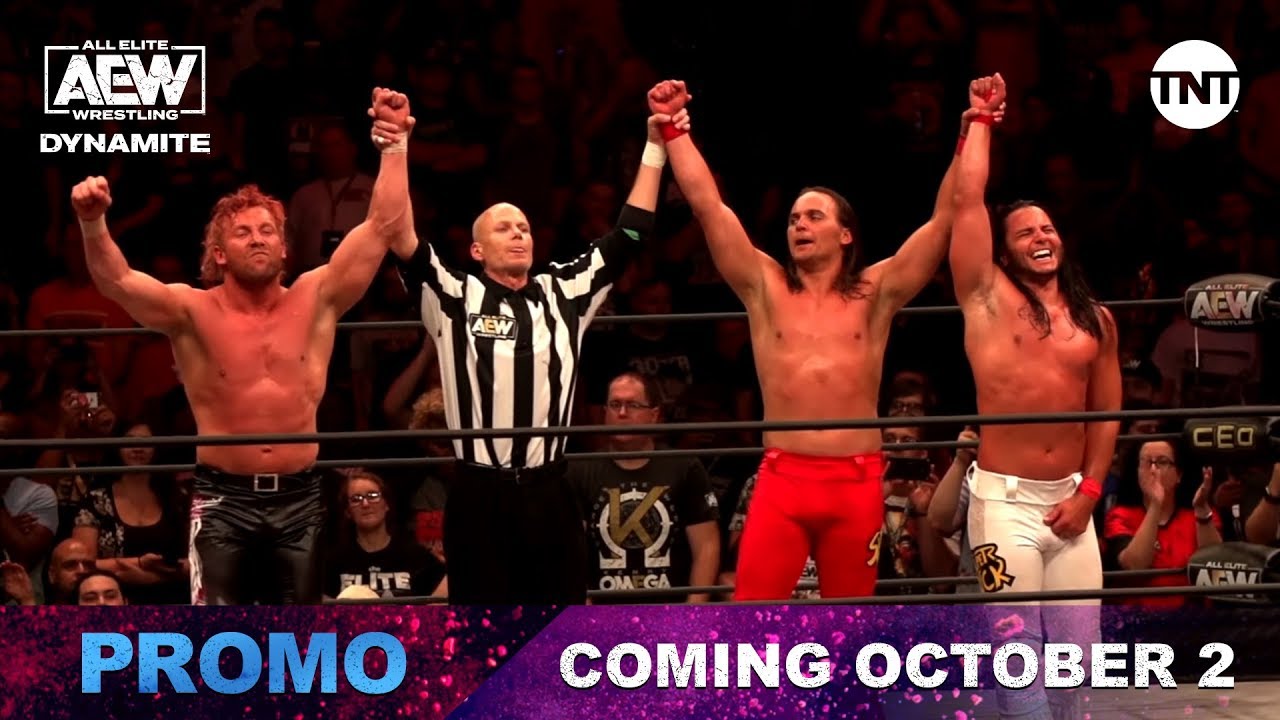
When All Elite Wrestling: Dynamite debuted on October 2, 2019, it arrived as something genuinely disruptive to American television. Here was a wrestling program that didn’t just want to entertain—it wanted to fundamentally challenge what professional wrestling storytelling could be on television. With nearly 1.41 million viewers tuning in for that inaugural episode, audiences clearly sensed they were witnessing something different. Eight seasons and 330 episodes later, the show has cemented itself as a remarkable achievement in action television, one that proved wrestling could sustain critical acclaim and cultural relevance in ways the industry hadn’t quite demonstrated before.
What makes Dynamite stand apart is its willingness to treat professional wrestling with the narrative weight typically reserved for prestige drama. The 86-minute runtime wasn’t arbitrary—it allowed the creators to craft episodes with genuine pacing and story development rather than simply stringing together matches. This wasn’t throwaway entertainment; it was serialized storytelling that demanded viewer investment week after week. The show’s 8.0/10 rating speaks to audiences recognizing this quality, respecting a program that seemed to understand wrestling could be both athletically impressive and dramatically compelling.
The show’s journey reflects broader industry evolution. Those early seasons, when viewership hovered above 1 million, represented a watershed moment—proof that there was an appetite for wrestling presented differently. Creators envisioned a space where:
- Character development mattered as much as in-ring performance
- Long-form storytelling could unfold across months, not just within a single match
- Wrestlers were given creative freedom to develop authentic personas
- The narrative earned emotional investment from audiences
This approach fundamentally shifted conversations about what wrestling television could achieve artistically.
> The real innovation wasn’t just bringing wrestling to TNT and TBS—it was demonstrating that wrestling could occupy the same dramatic space as prestige television.
What’s fascinating about Dynamite’s eight-season arc is how it navigated the inevitable challenges of a wrestling program. Those ratings numbers show a gradual decline from season to season, which might seem concerning on the surface. Yet this trajectory tells a more nuanced story about television in the streaming age. The show didn’t collapse—it stabilized into a devoted, quality audience. In an era where cable viewership across the board shifted dramatically, Dynamite maintained cultural relevance and critical respect. The program evolved from a startling debut to a cornerstone of its network’s identity.
The creative achievement here extends beyond in-ring work. The writers understood that wrestling audiences crave narrative complexity. They delivered:
- Interconnected storylines that rewarded long-term viewership
- Character arcs that suggested genuine growth and transformation
- Consequences that felt meaningful within wrestling’s unique storytelling framework
- Moments designed to become iconic—not just for wrestling fans, but for television discourse broadly
The 86-minute episodes created breathing room for this storytelling. Rather than compressing narratives into quick hits, Dynamite allowed stories to unfold with dramatic intention.
What’s particularly noteworthy is how the show influenced the broader wrestling landscape and conversation. By treating wrestling with seriousness while maintaining its theatrical nature, Dynamite opened permission structures for the entire industry. It demonstrated that wrestling didn’t have to choose between authenticity and spectacle—that audiences could embrace both simultaneously. Other promotions took notice. Networks reconsidered wrestling’s potential. And most importantly, wrestlers themselves felt empowered to develop more sophisticated, character-driven work.
The cultural footprint extends beyond ratings. Dynamite became appointment television for a specific audience that valued craft and commitment. Episodes sparked genuine conversation about storytelling, character psychology, and what television could accomplish when it took its subject matter seriously. Wrestlers who debuted on the show early became household names within their sphere of influence. Moments from the program circulated across social media and influenced how people discussed wrestling. The show created a community of viewers invested not just in outcomes, but in narrative quality.
Streaming on TBS represents another evolution in the show’s journey. The shift from TNT reflected changing media consumption habits, yet Dynamite adapted while maintaining its identity. The program’s status as a Returning Series indicates it hasn’t exhausted its creative potential—that there’s still more story to tell, still audiences willing to show up.
The real legacy of All Elite Wrestling: Dynamite may ultimately be about permission. It gave wrestling permission to be ambitious. It gave wrestlers permission to take their craft seriously. It gave audiences permission to appreciate wrestling as genuine television. Eight seasons in, with 330 episodes behind it and more ahead, the show stands as proof that when you trust your audience’s intelligence and commit to meaningful storytelling, they’ll meet you there. That’s not just significant for wrestling television—it’s significant for how we think about all television built on sport and spectacle.