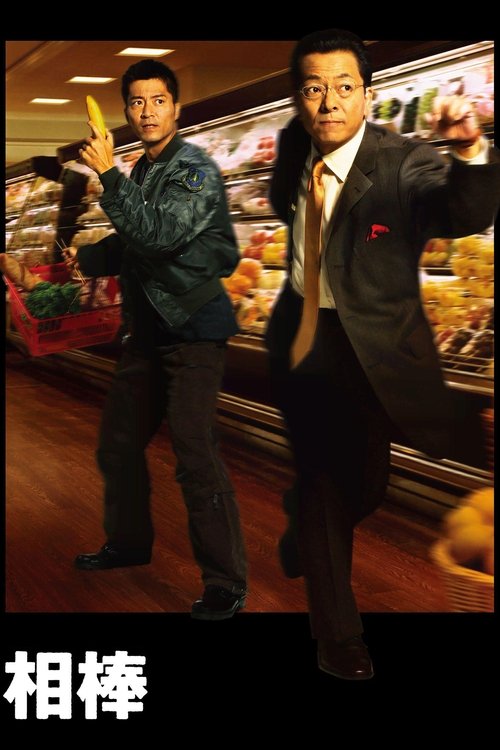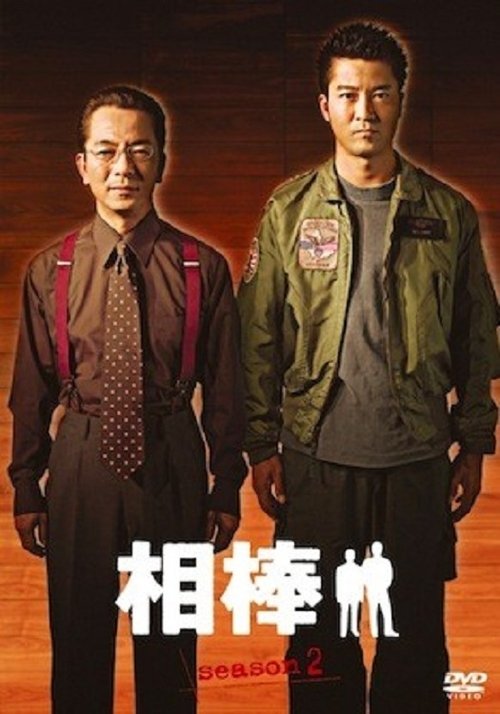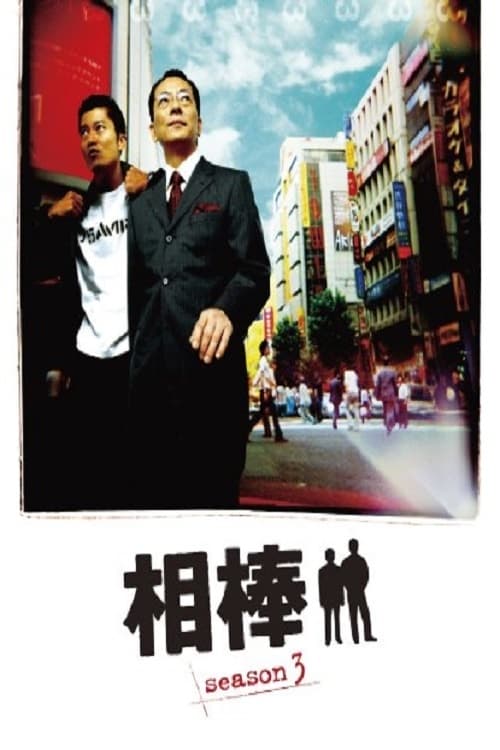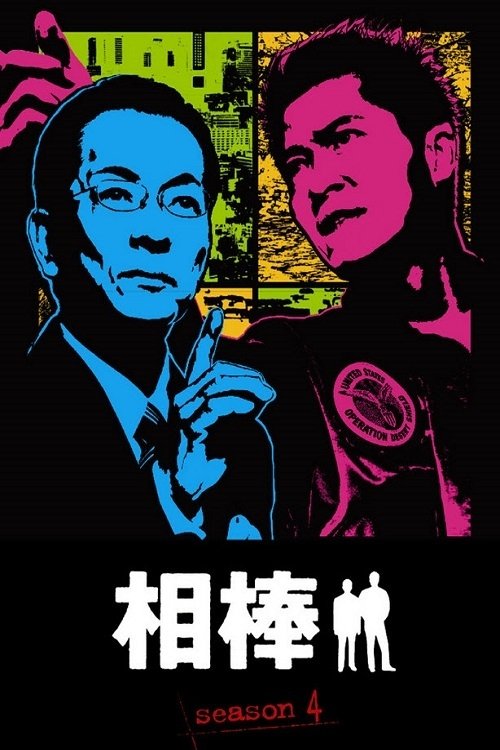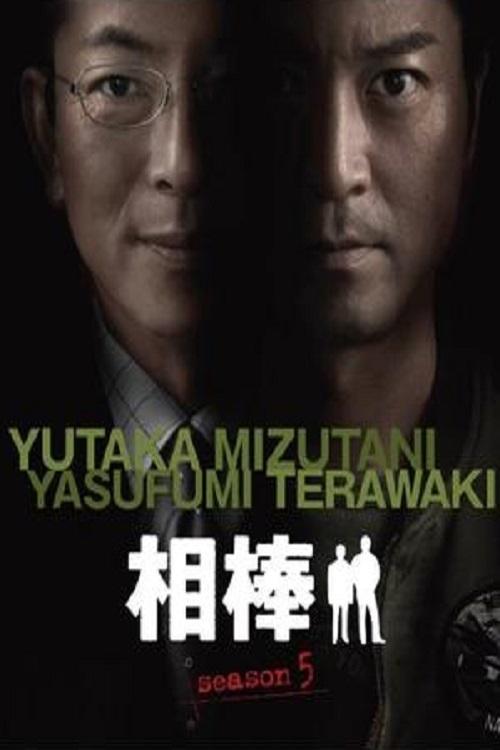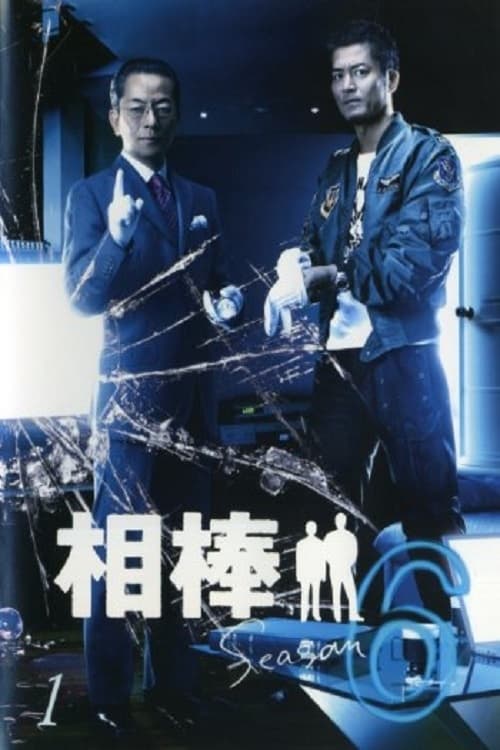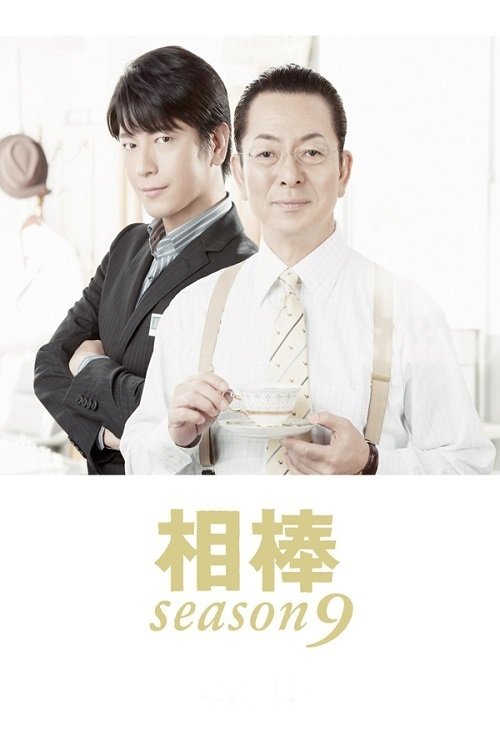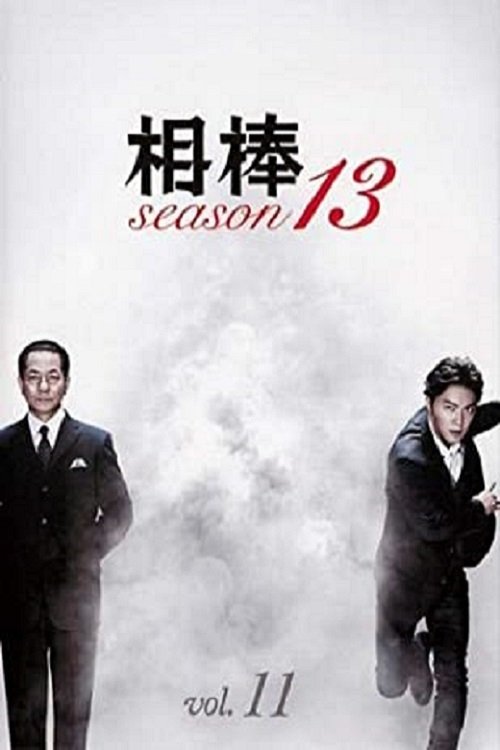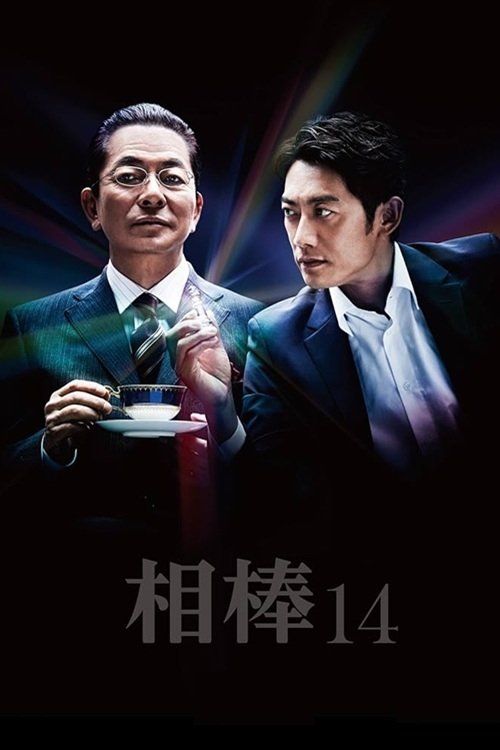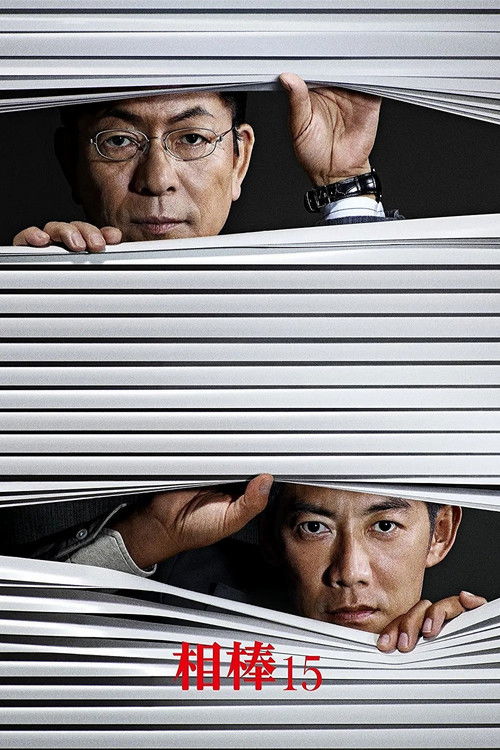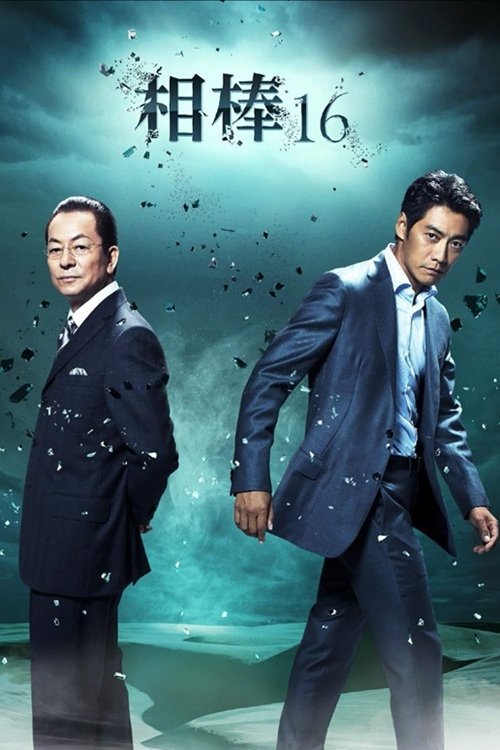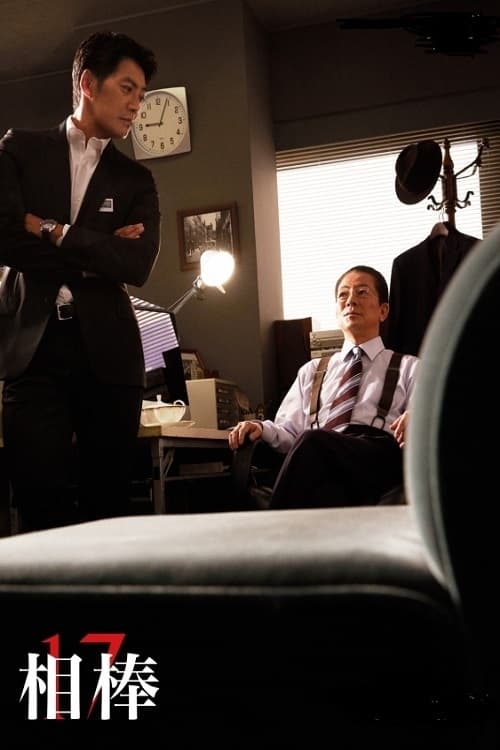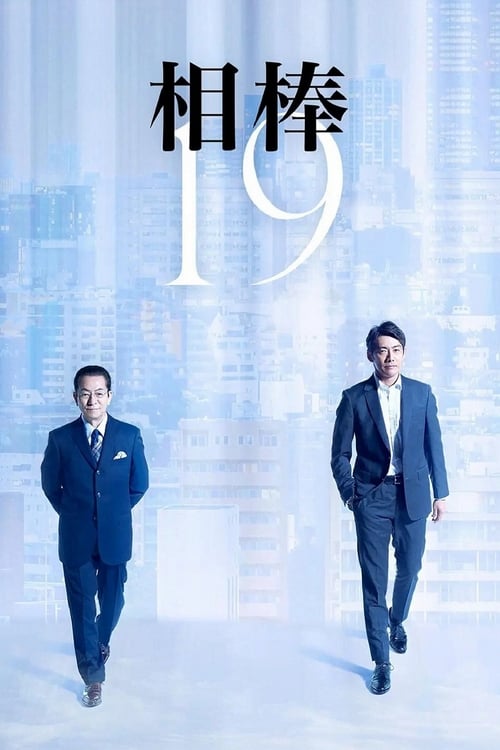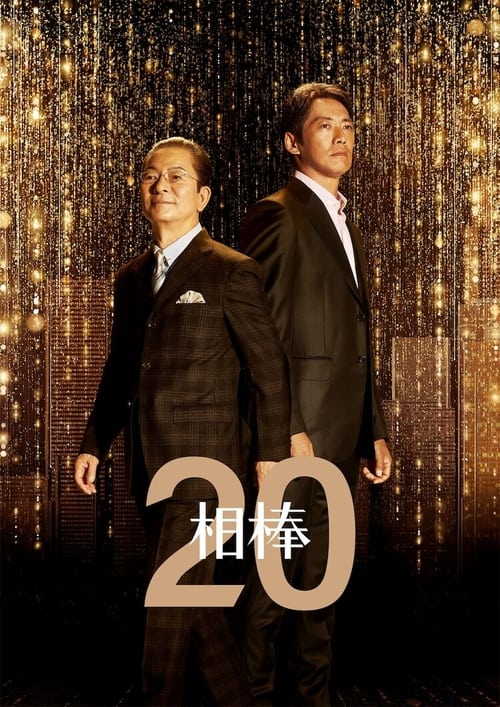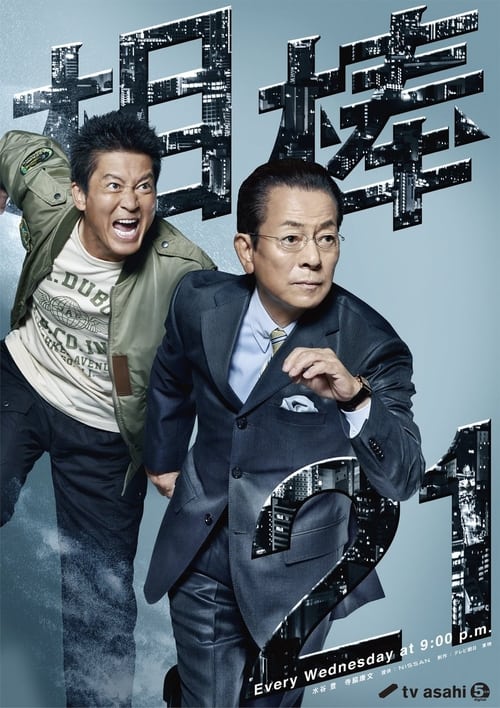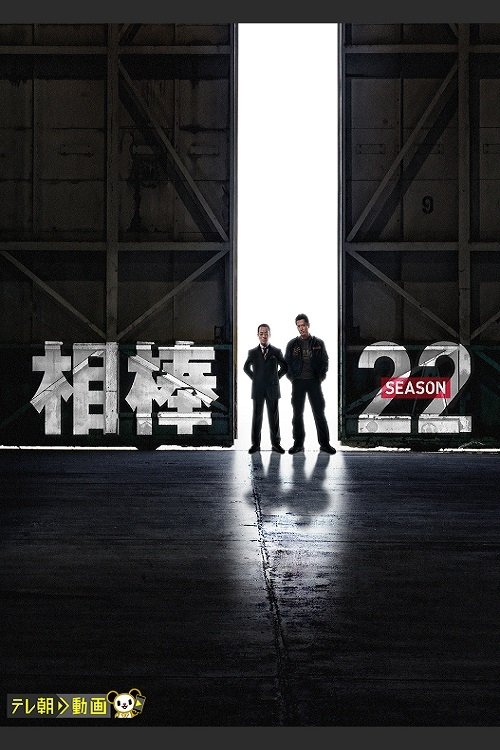
When AIBOU: Tokyo Detective Duo premiered on TV Asahi back in October 2002, nobody could have predicted it would become one of the most enduring crime dramas in Japanese television history. Twenty-four seasons and 445 episodes later, the show has carved out an undeniable place in the medium—not just through sheer longevity, but through a thoughtful approach to detective storytelling that refuses to compromise on character development. With a solid 7.6/10 rating that speaks to its consistent quality across two decades, this is a series that understands something fundamental about what audiences crave: real partnership, genuine mystery, and the kind of storytelling that knows when to take its time.
The genius of AIBOU lies in its deceptively simple premise. At its core, this isn’t about flashy forensics or convoluted conspiracy theories—it’s about two detectives who actually work together. Detective Ukyo Sugishita and his partner operate as the backbone of the show’s Special Task Unit, a division populated by demoted officers and second chances. That setup alone is brilliantly human. Rather than fetishizing heroism, the show acknowledges that these are people working within a system that doesn’t always recognize their value, and that constraint creates natural, compelling tension.
What makes the 111-minute episode runtime particularly significant is how it fundamentally shaped the show’s storytelling philosophy. Most television programs are constrained by rigid formats—the procedural beat, the commercial break, the 42-minute resolution. But AIBOU chose differently. That extended runtime allowed the creators to breathe, to let mysteries unfold without artificial acceleration, to develop character moments that wouldn’t survive in a tighter format. It’s a bold choice that signals respect for the audience’s patience and intelligence.
> The partnership between these two detectives became the show’s true mystery—not just solving crimes, but understanding each other.
The series launched during a particularly interesting moment in Japanese television. While crime dramas existed, few had committed to exploring the interpersonal dynamics with such nuance. The early seasons established what would become the show’s trademark: cases would be interesting, certainly, but the real investigation was always into the relationship between the partners. Season 1’s opening episodes (which debuted with a strong 7.8 rating) demonstrated this immediately, establishing that audiences would be invited into something deeper than typical procedural fare.
The cultural impact of AIBOU can’t be overstated. This show didn’t just entertain—it became a conversation about partnership, redemption, and institutional loyalty in ways that resonated far beyond the crime drama audience. Japanese viewers found themselves invested in these demoted detectives, rooting for characters working in a system that had failed them. That’s powerful storytelling, and it’s the kind of thing that keeps audiences returning season after season. The show became essential viewing, spawning film adaptations and becoming a genuine cultural touchstone in its home country.
Looking at the seasonal arc from premiere to present reveals a show that understood how to sustain itself:
- Early seasons (1-3) established the core dynamic and aired with ratings between 6.4 and 7.8, building a dedicated audience
- Mid-run seasons maintained consistent quality despite inevitable fluctuations in viewership
- Later seasons proved the format could sustain itself without gimmickry or ratings-chasing
- The show’s willingness to evolve partners and dynamics kept the formula fresh without abandoning what made it work
The 445 episodes represent something increasingly rare in modern television: a show willing to tell its stories at their natural pace rather than bowing to algorithm-driven episode counts. Each case receives the attention it deserves. Each character moment has room to develop. That’s craftsmanship, and it shows in the ratings—even as AIBOU maintained a respectable 7.6/10 average across 24 seasons, critics and viewers consistently noted the show’s reliability and consistency.
The drama inherent in the format deserves particular attention. By narrowing focus to two detectives solving cases, the show creates an intimacy that procedurals with sprawling casts simply cannot achieve. Every conversation matters. Every disagreement becomes meaningful. The mystery genre typically asks “whodunit?”—AIBOU asks that too, but it’s always secondary to “how do these two people understand each other?” That’s a fundamentally different question, and it’s one that keeps audiences invested across decades.
The show’s current status as a Returning Series speaks volumes about its resilience and relevance. In an era where television trends shift rapidly and audience attention spans are fragmented, AIBOU has managed to remain vital. Part of this is surely due to TV Asahi’s understanding that some shows don’t need constant reinvention—they need space to do what they do exceptionally well. The partnership between these detectives, the mysteries they unravel, and the institutional dynamics that frame their work remain compelling because they’re fundamentally about human nature.
For anyone discovering AIBOU now, whether through streaming availability or retrospective appreciation, the draw is immediate and profound. This is detective fiction that trusts its audience, that understands that a genuine partnership is more interesting than any plot twist, and that the best mysteries are often about understanding the people standing beside you. After more than two decades, that’s not just surviving in television—that’s the definition of excellence.