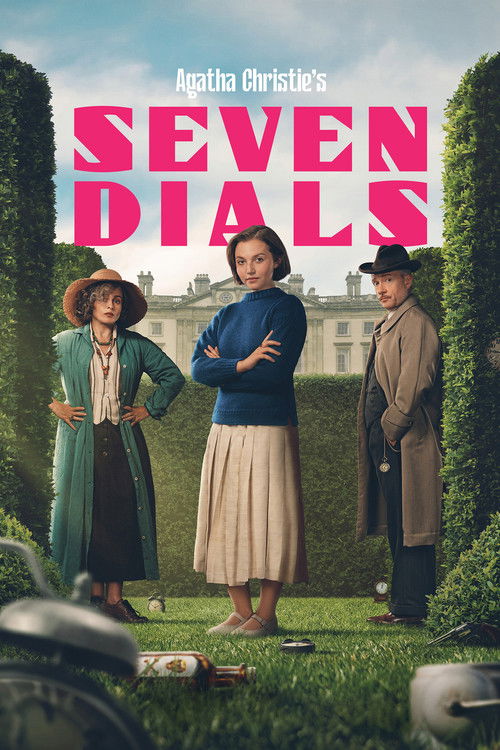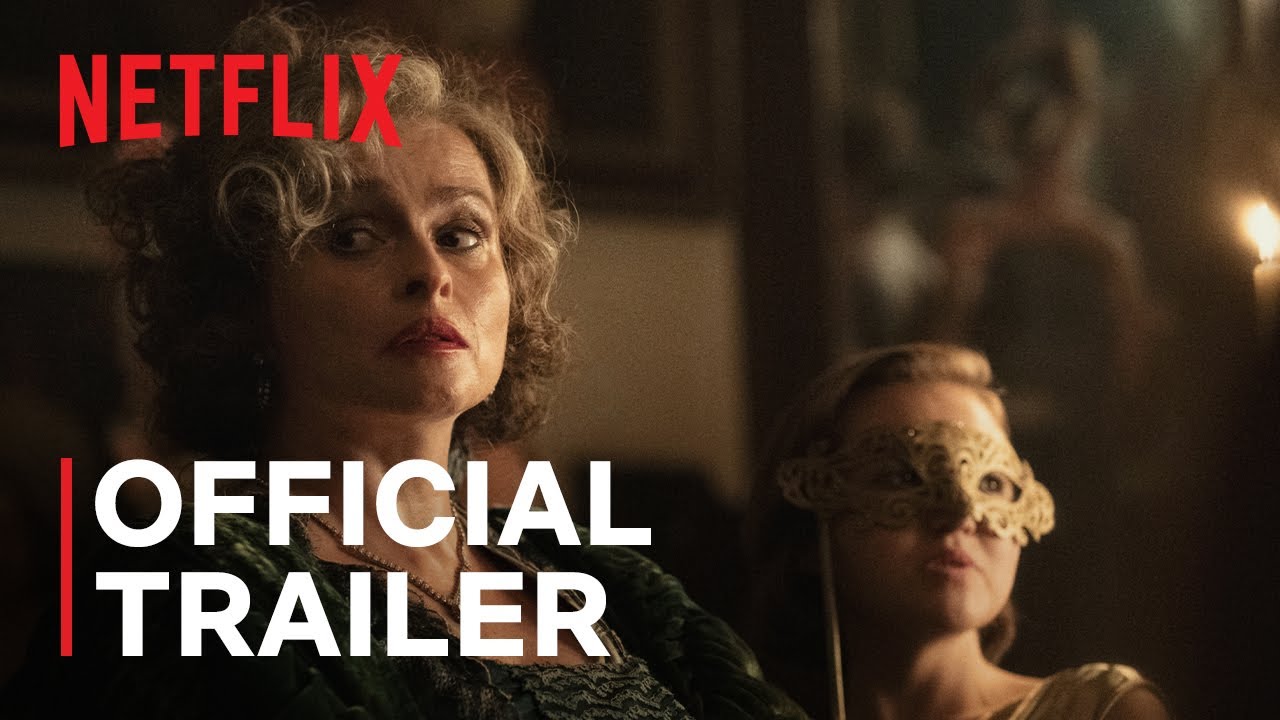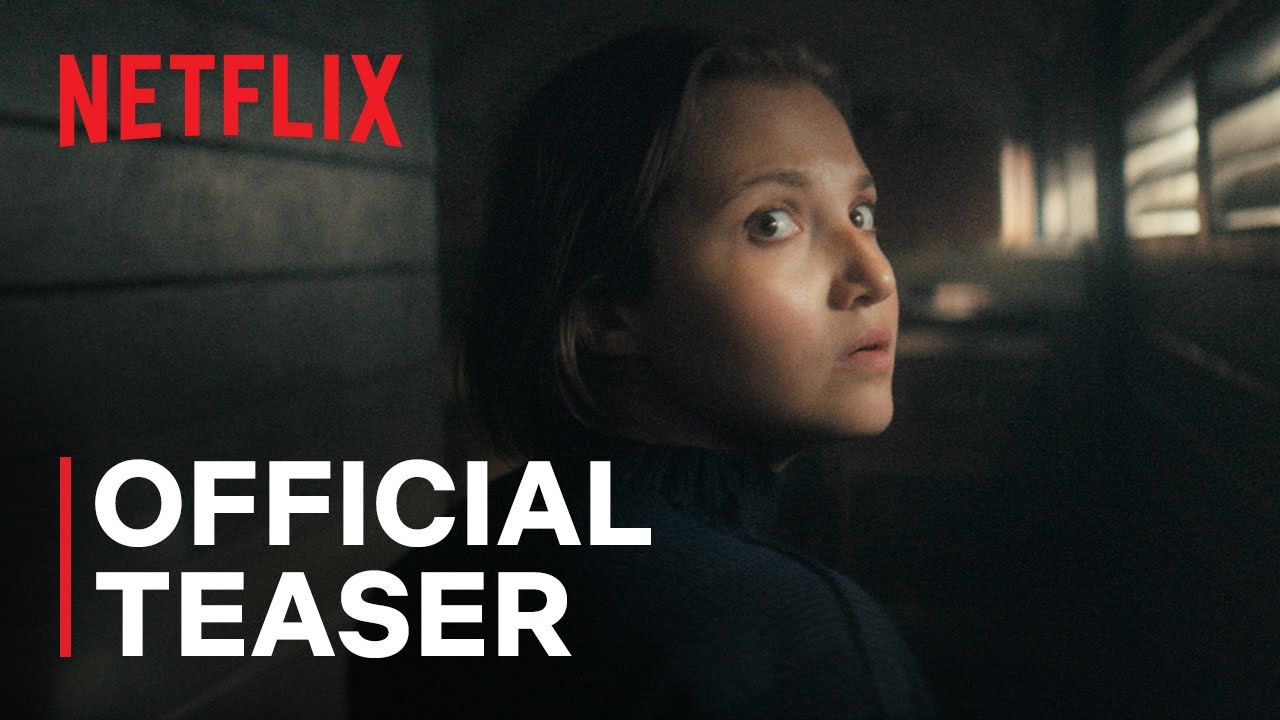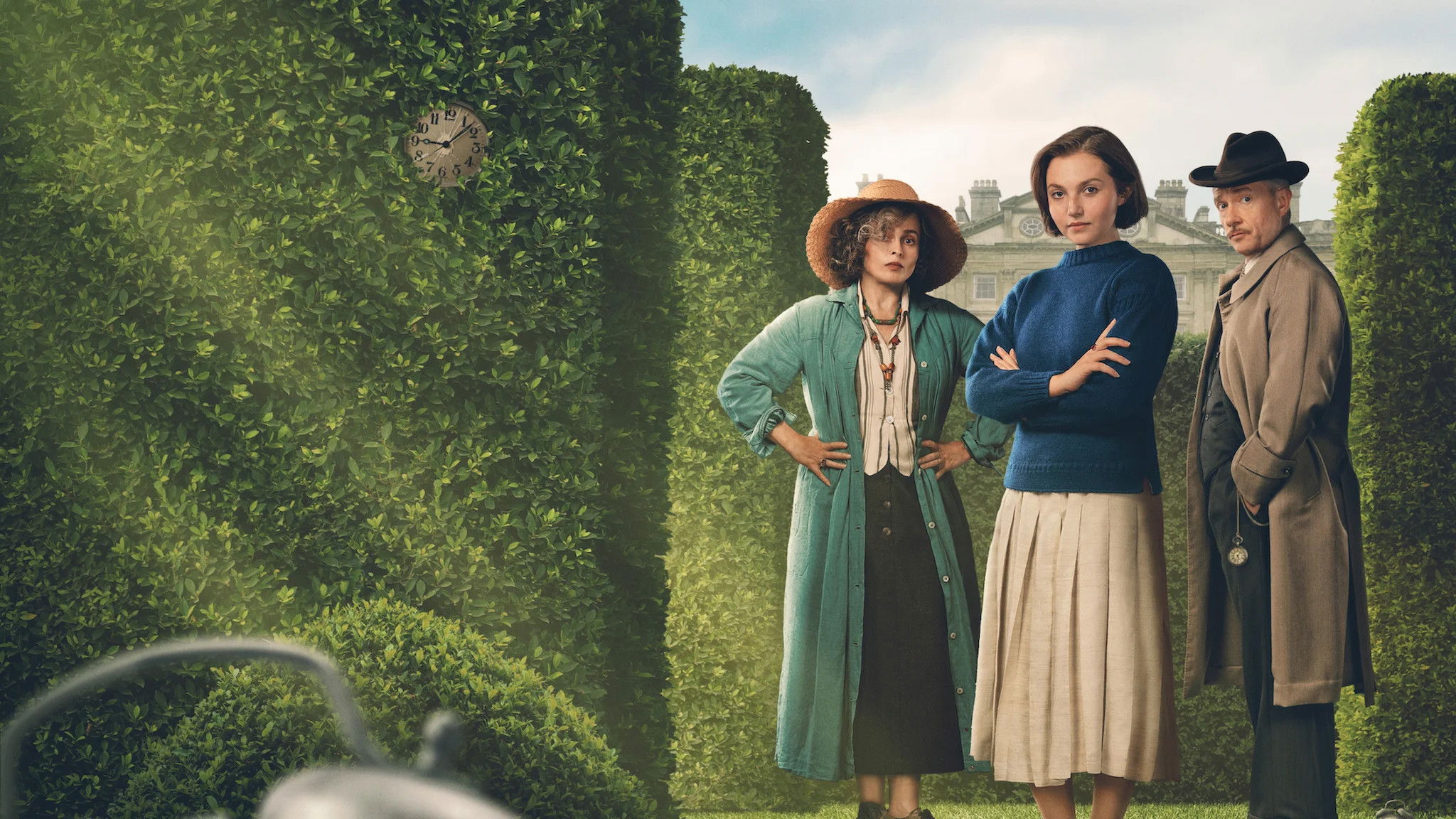
When Agatha Christie’s Seven Dials premiered on Netflix on January 15, 2026, it arrived with considerable expectations. Here was Chris Chibnall, fresh from his successful tenure on Doctor Who, taking on one of Agatha Christie’s most intriguing standalone mysteries—a 1929 novel about a seemingly simple country house prank that spirals into something far deadlier. The premise alone felt ripe for television adaptation: Lady Eileen “Bundle” Brent, a sharp-witted amateur detective investigating a murder plot that unfolds across 1925 England. Yet what actually aired told a more complicated story about the challenges of contemporary period drama storytelling.
The show’s brief three-episode arc—totaling roughly three hours of content—became something of a lightning rod for discussion about how Netflix approaches classic literature. Rather than expanding the source material across multiple seasons, Chibnall’s team opted for a compressed, focused miniseries format. This structural choice revealed both the show’s greatest strength and its most glaring limitation.
The Core Mystery: A country house party takes a dark turn when what begins as an elaborate prank transforms into genuine murder investigation, forcing Bundle to navigate aristocratic intrigue, hidden motives, and the unsettling reality that someone among the guests has genuinely deadly intentions.
What the show got right deserves genuine recognition. The central mystery itself remains genuinely engaging—there’s real intrigue in watching the pieces fall into place, and the three-episode format never allows tension to fully dissipate. The performances, particularly in capturing Bundle’s determination and resourcefulness, delivered moments of authentic character work that elevated the material above straightforward procedural territory. The decision to anchor the narrative around a determined female protagonist investigating her own social circle added contemporary resonance without feeling anachronistic.
However, the 5.9/10 rating that eventually settled around the series tells you something important: audiences felt stretched. Critics and viewers alike noted a peculiar tension in the execution—interesting directorial choices and dialogue moments would surface, only to be abandoned in favor of more conventional visual language. The pacing, compressed as it was, somehow still managed to feel slack. Some suggested the mystery itself, however clever, simply didn’t have enough meat on its bones to justify even three hours, let alone fill them with compelling television.
The conversation that emerged around Seven Dials touched on something deeper about contemporary period adaptations. On forums and social media, viewers debated whether the problem was the cast, the script, or the fundamental approach to bringing vintage mysteries into 2026 television. The consensus seemed to land on direction and writing—specifically, that Chibnall’s vision, while competent, never quite found the distinctive voice that would separate this from countless other prestige mystery dramas. The material deserved something with more visual flair, more narrative ambition, something that would commit fully to either heightened stylization or gritty realism rather than hovering in an unsatisfying middle ground.
The Show’s Key Creative Challenges:
- Compressing a standalone novel into a three-episode arc
- Establishing period authenticity while engaging modern audiences
- Balancing classic mystery conventions with contemporary storytelling expectations
- Finding a visual language that distinguished itself from similar adaptations
What’s particularly worth examining is how the unknown runtime shaped the actual storytelling choices. Without traditional episode length conventions to guide pacing, the series seemed to drift—neither quite embracing the brevity that could have made it razor-sharp, nor expanding enough to develop the psychological complexity that might have elevated it beyond “pleasant whodunit” territory. It’s the kind of production choice that sounds liberating in theory but can actually paralyze creative decision-making in practice.
Yet dismissing Seven Dials entirely misses what it accomplished within its limitations. The show premiered, completed its full run, and sparked genuine discussion about how classic mysteries should be adapted for streaming audiences. It didn’t revolutionize television—its 5.9/10 rating and swift conclusion make that clear—but it did contribute to an ongoing conversation about period drama, amateur detective narratives, and the particular challenges of compressing literary mysteries for visual media. That’s not nothing.
The cultural footprint, while modest, remains genuine. Viewers remember the central mystery’s twist, they remember Bundle’s determination, and they remember the specific dissatisfaction of watching an adaptation that had all the right ingredients but somehow didn’t quite achieve the chemistry it needed. It became a reference point in discussions about why some mystery adaptations click and others simply feel like competent executions of familiar formulas. In that sense, Seven Dials served a purpose—it demonstrated what happens when talented creators approach familiar material with professionalism but without the additional spark that transforms good television into necessary television.