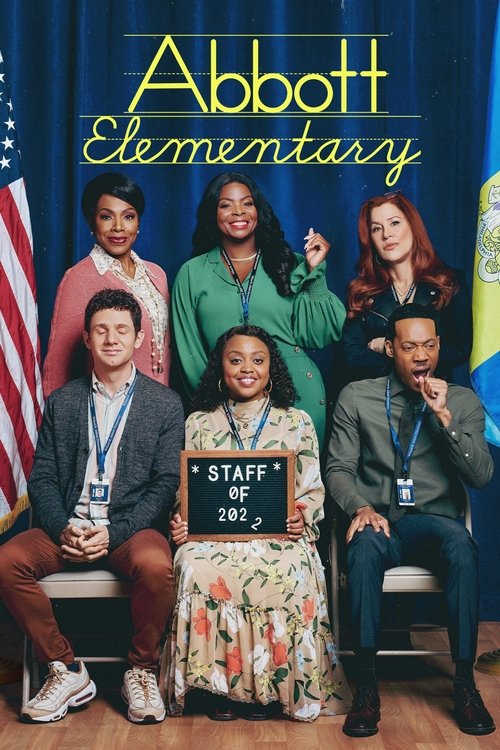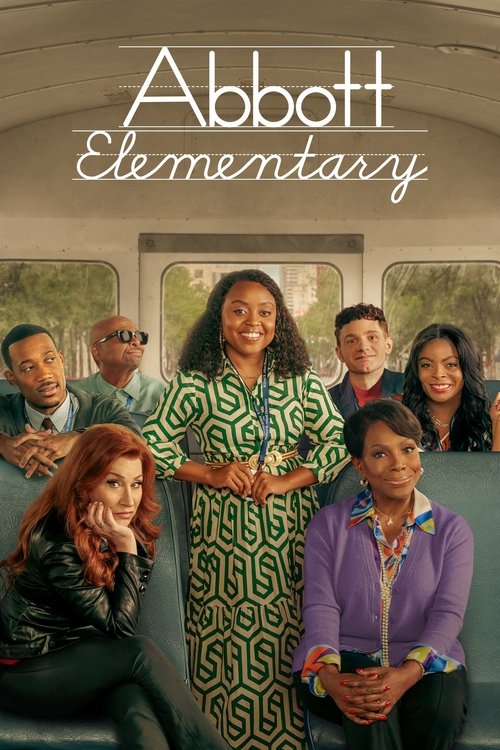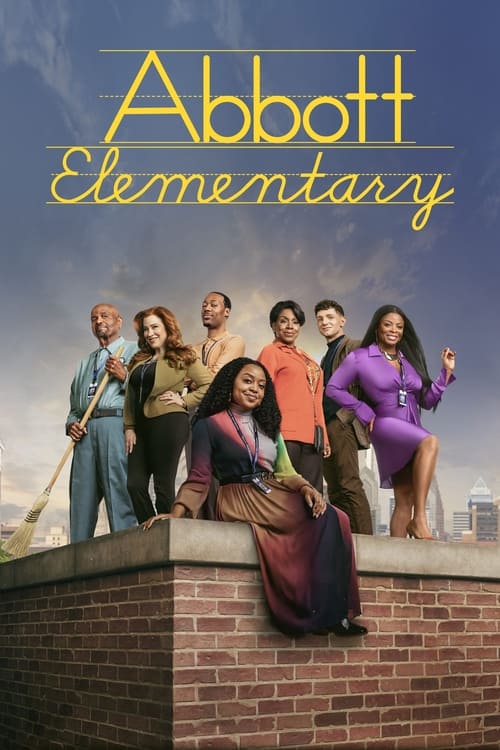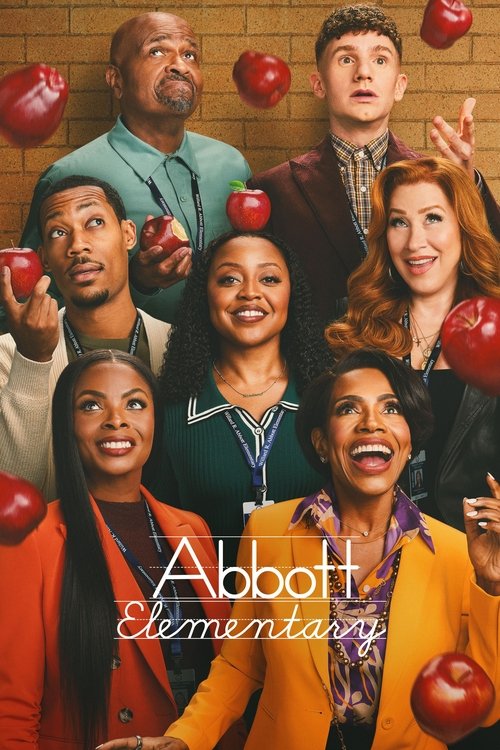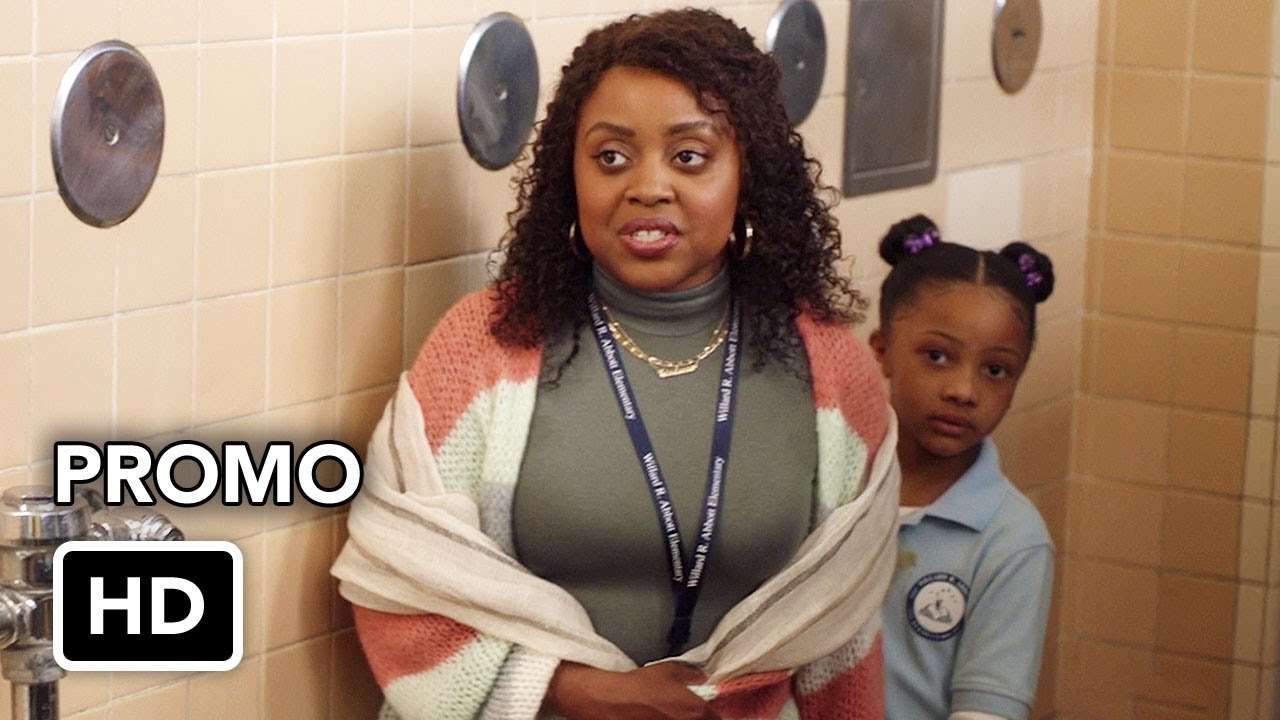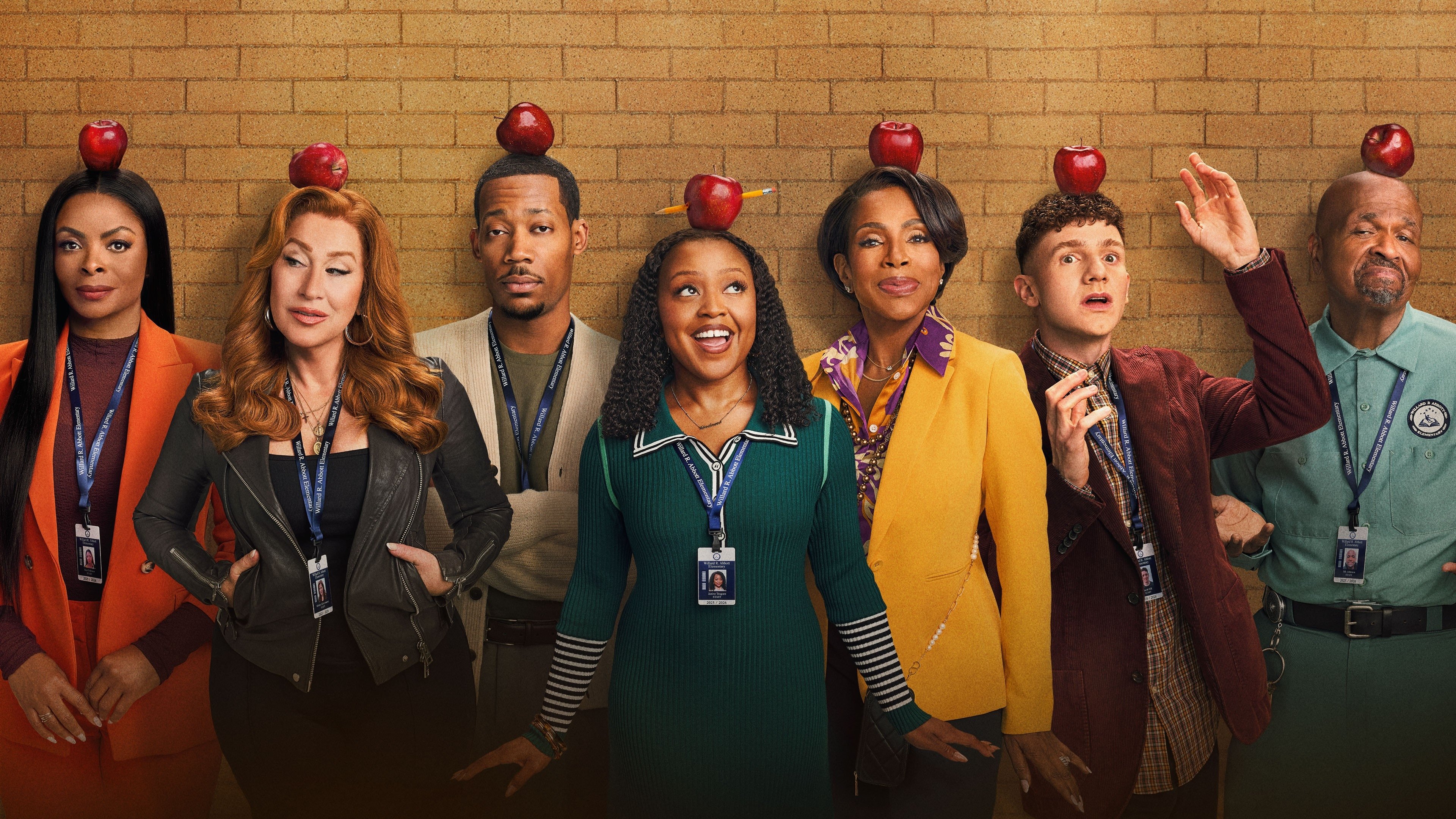
When Abbott Elementary premiered in December 2021, it arrived during a crowded television landscape saturated with workplace comedies, yet it managed to carve out something distinctly its own. Quinta Brunson’s creation didn’t just succeed—it became a cultural touchstone, a show that reminded audiences why the workplace comedy genre still had untapped potential. What started as a single-camera mockumentary about underfunded Philadelphia public school teachers evolved into something far more meaningful: a genuine celebration of educators and the communities they serve, wrapped in genuinely funny storytelling that never talked down to its audience.
The show’s structural brilliance lies in how it balances humor with heart. Those mockumentary-style asides to the camera became more than just comedic beats; they transformed into genuine character moments that deepened our understanding of why these teachers do what they do despite systemic failures. Brunson understood that the best comedy emerges from authentic situations, not from punchlines dropped into contrived scenarios. The teachers at Abbott Elementary aren’t caricatures—they’re competent professionals dealing with real institutional problems while maintaining their humanity and humor.
> “Abbott Elementary” proved that a show rooted in social consciousness doesn’t have to sacrifice comedy for message, or message for comedy.
Across five seasons spanning 92 episodes, the series has maintained a remarkably consistent quality level, with season ratings clustering between 7.7 and 8.0, proving this wasn’t a one-hit wonder riding on novelty. That 7.5/10 overall rating actually reflects something important: this show appeals broadly enough to reach mainstream audiences while maintaining critical credibility. It’s the rare comedy that works for both network television viewers and prestige television critics.
The cultural footprint this show created extended far beyond typical television discourse. Abbott Elementary sparked genuine conversations about educational funding, teacher burnout, and systemic inequality—conversations that didn’t feel preachy because they emerged organically from the characters’ lived experiences. Janine Teagues’ journey, Ava Coleman’s arc from antagonist to complex character, and Barbara’s quiet wisdom became reference points in how television handles character growth and redemption. The show demonstrated that you could be explicitly political without being didactic, and morally clear without being moralistic.
What makes Brunson’s vision particularly striking is the structural flexibility she built into the format. The unknown episode runtime became an asset rather than a limitation—certain episodes needed to breathe, to sit with character moments or extend a comedic sequence. This wasn’t a show constrained by rigid formulas. Some episodes prioritized the emotional core of a storyline; others leaned harder into the satirical institutional critique. This flexibility allowed the show to evolve season to season without feeling scattered.
The ensemble cast itself deserves recognition as a creative achievement. Brunson didn’t just write strong characters—she cast actors capable of bringing nuance to what could have been stock types. Sheryl Lee Ralph’s Barbara Howard became an unexpected emotional anchor, Tyler James Williams brought genuine vulnerability to Gregory, Lisa Ann Walter made Ava’s transformation feel earned, and Janelle James turned the principal into something unexpectedly sympathetic despite her incompetence. The chemistry between these performers created something that transcended the script, generating comedy and pathos in equal measure.
Season-by-season consistency:
- Season 1 (7.8) – Established the foundation with perfect pilot execution
- Season 2 (8.0) – Deepened character relationships and sociopolitical commentary
- Season 3 (7.8) – Navigated expanding cast dynamics while maintaining core appeal
- Season 4 (7.9) – Balanced multiple storylines with increasing confidence
- Season 5 (7.7) – Continued exploring established relationships while keeping narratives fresh
The show’s availability across multiple platforms—ABC, Hulu, HBO Max, fuboTV, and YouTube TV—meant it could find audiences wherever they preferred to watch. But more importantly, this distribution strategy reflected the show’s cultural significance. Networks and streamers all wanted a piece of Abbott Elementary because they recognized it was appointment television that generated conversation, maintained strong metrics, and represented something culturally important.
One of the most significant achievements is how Abbott Elementary has positioned itself as ABC’s flagship comedy. In an era where network television is increasingly marginalized, this show proved that broadcast television could still produce culturally relevant, critically respected content that builds dedicated fanbases. It wasn’t trying to be prestige television—it was prestige television while remaining accessible and funny.
The mockumentary format, which could have felt gimmicky, instead became a vehicle for authentic character development. When a character looked at the camera and silently reacted to institutional absurdity, it created complicity with the audience. We weren’t being told how to feel; we were being invited to share in the characters’ perspective. This approach made the show’s social commentary feel participatory rather than didactic.
As the series continues as a returning series, with Season 5 demonstrating the show’s ability to maintain quality and audience investment, Abbott Elementary stands as a masterclass in modern comedy construction. It proved that workplace comedies could address real issues, that network television could generate cultural conversations, and that audiences hungered for shows that respected both their intelligence and their desire to laugh. Quinta Brunson created something that will likely endure as a significant entry in comedy television history—not because it was groundbreaking in form, but because it was excellent in execution and meaningful in message.