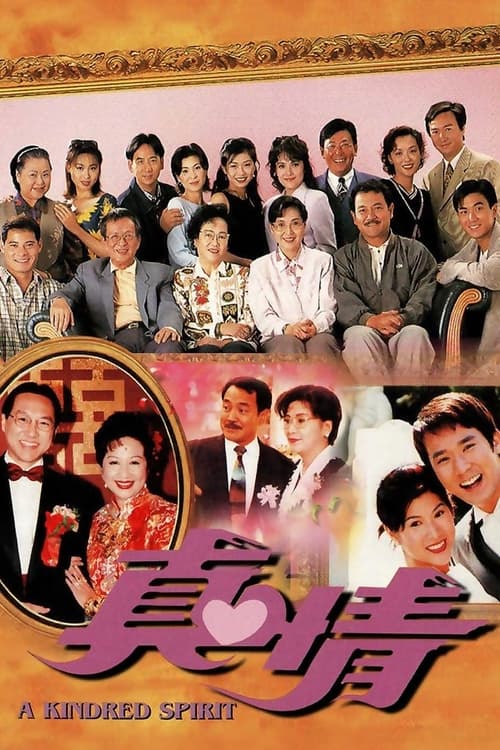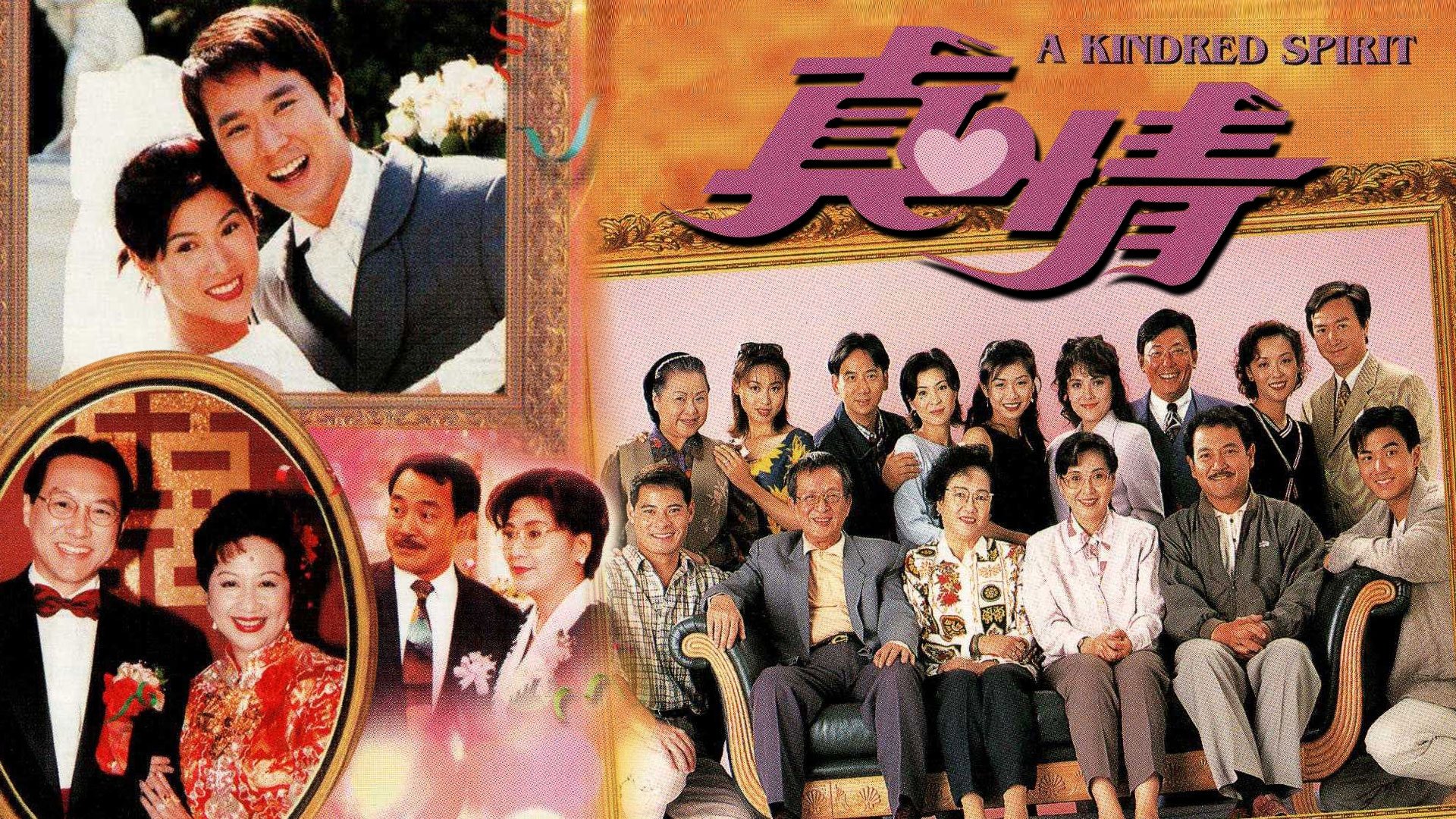
When A Kindred Spirit debuted on TVB Jade on May 15, 1995, it arrived at a moment when Hong Kong television was hungry for something different. What followed was nothing short of extraordinary—a single season that would stretch across nearly five years and encompass a staggering 1,128 episodes. That’s not just a television run; that’s a cultural phenomenon that deserves serious reconsideration, especially when you consider how uniquely it approached the drama-comedy format in ways that still feel relevant today.
The sheer scale of this production is almost incomprehensible by modern standards. To maintain narrative momentum across 1,128 episodes—each clocking in at a lean 40 minutes—required a creative vision that was simultaneously ambitious and adaptable. Rather than view this as a weakness or a sign of filler content, it’s worth understanding this format as a deliberate choice. The creators built A Kindred Spirit to breathe, to evolve, to let storylines develop with the kind of patient pacing that allowed audiences to genuinely invest in characters over months and years of viewing.
> The show’s approach to blending drama and comedy wasn’t about cheap laughs or melodramatic plot twists—it was about capturing the messy, contradictory nature of real human experience.
What made A Kindred Spirit particularly significant was how it positioned itself within Hong Kong’s television landscape during the mid-to-late 1990s. This was a period when TVB Jade dominated local viewing habits, and serialized storytelling was the lifeblood of the network. But A Kindred Spirit distinguished itself through its commitment to character-driven narratives. The 40-minute format, which might sound restrictive, actually became a strength—it forced the writers to be economical with storytelling while still allowing room for genuine emotional depth and comedic moments to coexist naturally.
The series ran from May 1995 through November 1999, creating a four-and-a-half-year cultural conversation among Hong Kong viewers. During this period, the show became woven into the fabric of daily television consumption, the kind of program people planned their evenings around. It sparked discussions about relationships, morality, humor, and human connection—exactly the kinds of conversations that indicate television is doing something meaningful.
Key aspects that defined the show’s creative achievement:
- Sustained character development: With over 1,100 episodes, characters weren’t static archetypes—they evolved, contradicted themselves, grew, and sometimes regressed in ways that felt authentic
- Tonal balance: The blend of drama and comedy didn’t feel forced; comedic moments provided genuine relief while dramatic beats carried real emotional weight
- Cultural relevance: The show spoke directly to Hong Kong audiences’ experiences and values during a transformative period in the city’s history
- Serialized storytelling mastery: Maintaining viewer engagement across such an extended run demonstrated sophisticated narrative architecture
It’s curious and somewhat frustrating that A Kindred Spirit carries a 0.0/10 rating in some modern databases—this appears to be more a function of outdated or incomplete data rather than any reflection of the show’s actual quality or reception. Contemporary accounts and viewer testimonies paint a starkly different picture: devoted fans who recall the series as genuinely moving and entertaining. This disconnect between its current numerical rating and its actual cultural footprint is itself a fascinating case study in how television history gets recorded and preserved.
The show’s influence on Hong Kong television shouldn’t be underestimated. It demonstrated that audiences had tremendous appetite for long-form storytelling where character and relationship development took priority. The success of A Kindred Spirit likely influenced subsequent programming decisions at TVB Jade and contributed to the broader cultural conversation about what television drama could achieve. By proving that audiences would commit to 1,128 episodes of a single series, it established a template—or at least a proof of concept—for how serialized television could function in the Hong Kong market.
What’s particularly noteworthy is that A Kindred Spirit achieved this cultural resonance without relying on the kind of sensationalism or artificial drama that sometimes characterized television of that era. Instead, it built its power from nuance, from the accumulation of small moments and genuine character interactions that collectively created something meaningful. The drama and comedy weren’t there to manipulate—they were there to illuminate human experience.
The title itself carries significance. “A kindred spirit” suggests connection, understanding, empathy—the recognition of something familiar in another person. And that’s precisely what the show seemed to offer its viewers: characters who felt like genuine people navigating real emotional terrain, individuals whose struggles and triumphs resonated because they reflected recognizable human truths. Over nearly 1,128 episodes, A Kindred Spirit built a world where that kind of connection could flourish.
In retrospect, A Kindred Spirit stands as a testament to what committed storytelling can achieve. It’s a show that deserves reexamination, not as a curiosity from the 1990s, but as a genuine achievement in long-form television drama. For anyone interested in understanding Hong Kong television history, in exploring how serialized storytelling can sustain engagement, or simply in discovering characters and narratives that meant something to millions of viewers, A Kindred Spirit remains remarkably worth seeking out.