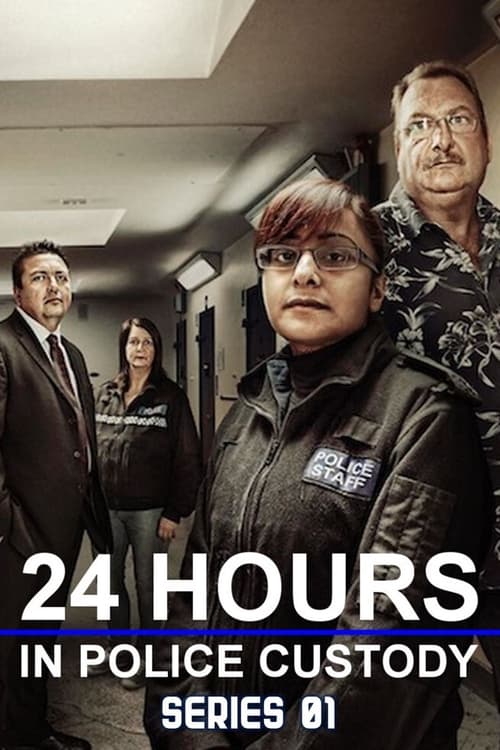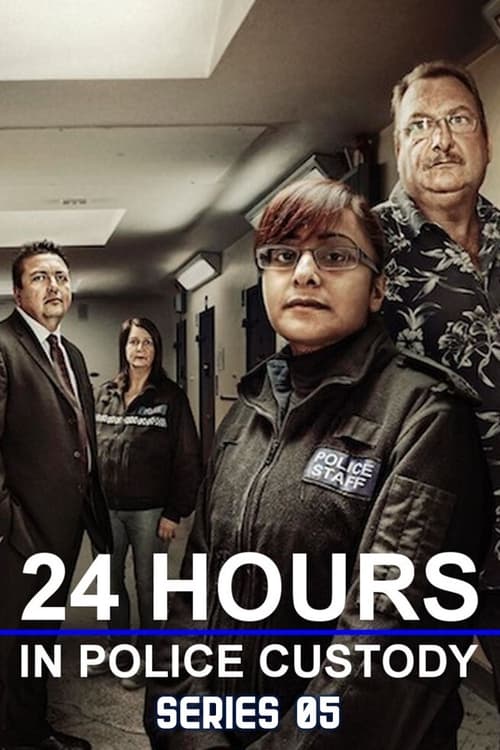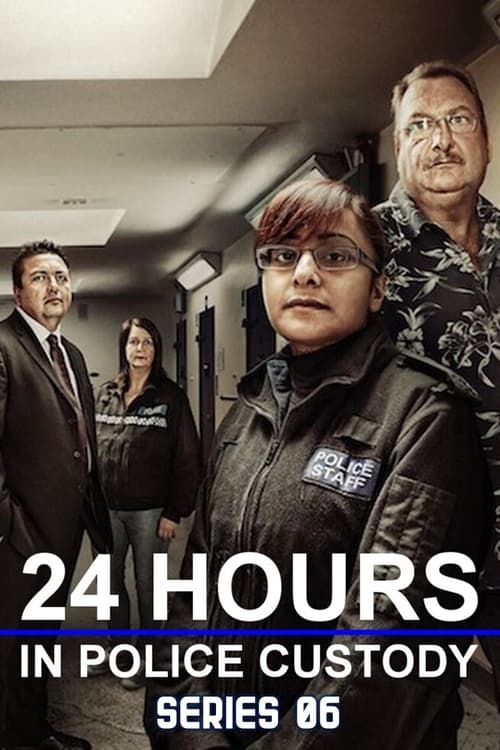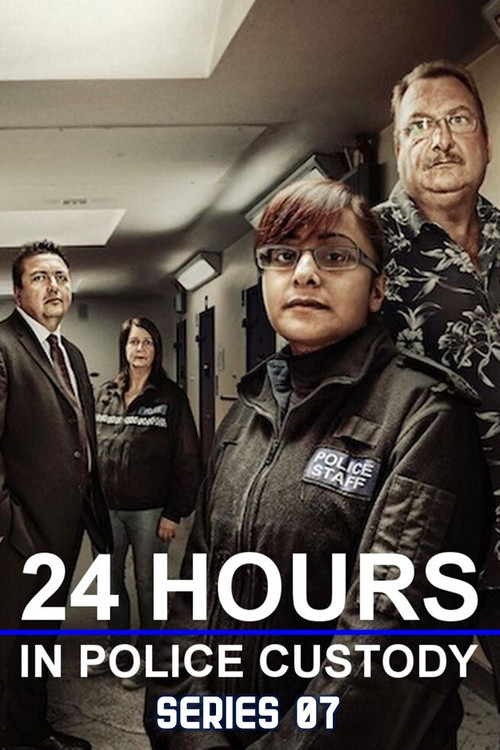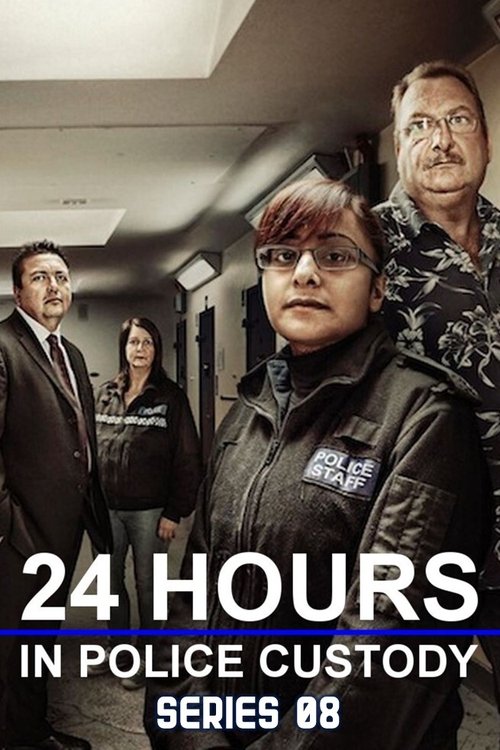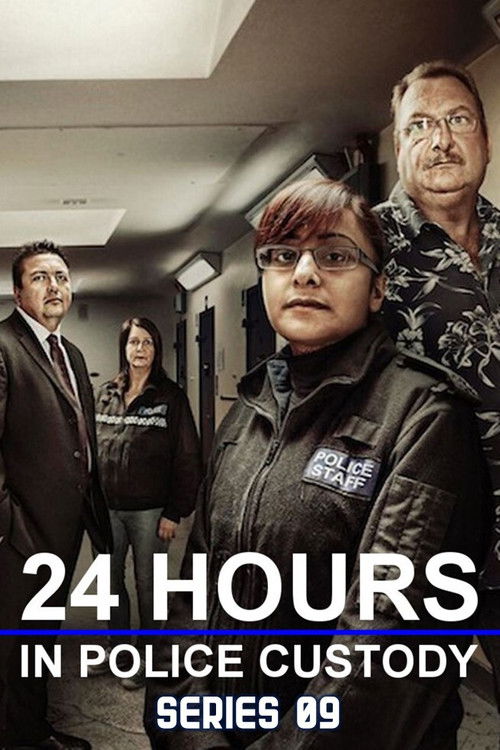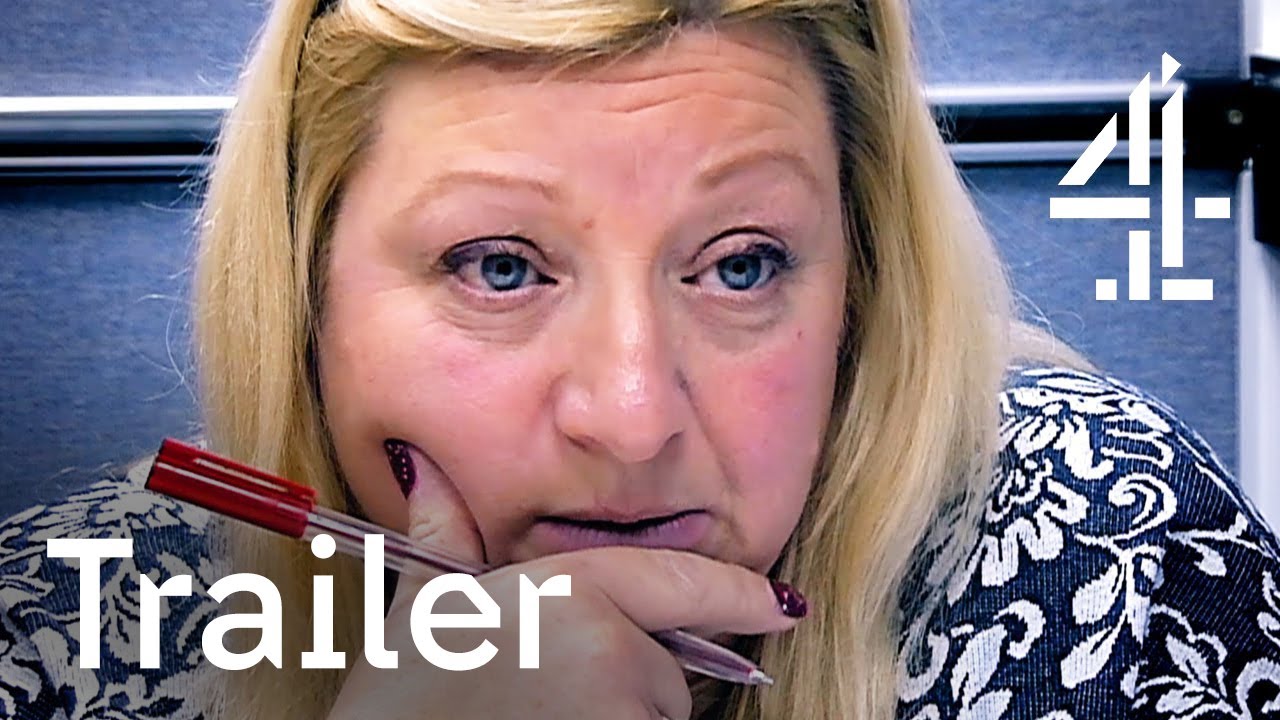
When 24 Hours in Police Custody debuted on Channel 4 in September 2014, it arrived at a moment when British television audiences were hungry for something rawer and more unflinching than the traditional crime documentary. What the show delivered was access—genuine, unfiltered access to police stations during their most consequential hours. Rather than recreating events or relying on retrospective interviews, here was a program willing to sit in custody suites and interrogation rooms while real investigations unfolded in real time. That commitment to immediacy became the show’s defining strength, and it’s why audiences kept returning across a 10-season arc that would eventually comprise 60 episodes.
The genius of the format lies in its refusal to manufacture drama. There’s no narrator guiding you toward predetermined conclusions, no manipulative music cues signaling emotional beats. Instead, the show trusts the inherent tension of the situation itself—the uncertainty, the moral complexity, the human vulnerability that emerges when someone’s freedom hangs in the balance. This approach was bold enough to feel genuinely transgressive when it premiered, and it fundamentally changed how crime documentaries could operate. The show proved that authentic observation could be more gripping than any dramatic recreation.
> What made this format revolutionary was simple: real stakes, real consequences, and real people trapped in extraordinary moments of their lives.
What strikes you most across those 60 episodes is the relentless moral ambiguity. 24 Hours in Police Custody never simplifies its subjects into heroes or villains. You’ll watch officers attempting to extract the truth through interrogation techniques that are simultaneously procedurally sound and emotionally wringing. You’ll see suspects who might be guilty protesting innocence, and you’ll genuinely wonder which is true. The show’s willingness to hold these contradictions without resolution speaks to something profound about the criminal justice system itself—that certainty is harder to achieve than we’d like to believe.
The rating of 7.2/10 actually tells an interesting story about the show’s reception. It’s not a universally beloved phenomenon in the way of some prestige dramas, but that score reflects something more important: it’s a show that divided viewers thoughtfully. Some found the access uncomfortable, even ethically troubling. Others celebrated it as essential viewing. That conversation itself—about privacy, about policing, about who deserves to be judged—became part of the show’s cultural impact. It sparked genuine debate rather than consensus, which is precisely what serious documentary television should do.
The show’s technical approach was as innovative as its conceptual framework. Working without predetermined runtime structures allowed episodes to breathe naturally, expanding or contracting based on what was actually happening in those custody suites. A case might resolve in an hour, or it might require the full 24-hour window to reach its conclusion. This flexibility in storytelling rhythm became a signature of the program, distinguishing it from the more formulaic structure of typical documentaries. The unknown runtime wasn’t a limitation—it was a liberation.
Channel 4’s investment in this series spoke volumes about their commitment to challenging, substantive documentary work. By maintaining the show across a decade and ten seasons, the network signaled that audiences wanted material that treated them as intelligent, capable of handling complexity and moral ambiguity. The availability across multiple platforms—BritBox, Apple TV Channel, Amazon Channel—expanded its reach significantly, allowing international audiences to discover what had become a British documentary institution.
What’s particularly remarkable is how the show sustained itself creatively across 60 episodes without relying on sensationalism or repetition. Each new season introduced different police forces, different cases, different ethical dilemmas. The format remained consistent, but the human stories varied wildly—from white-collar crime to violent offenses, from seemingly clear-cut cases to bewildering tangles of evidence and testimony. This variation kept the series feeling fresh and prevented it from becoming formulaic.
The cultural footprint of 24 Hours in Police Custody extends beyond television criticism into broader conversations about criminal justice reform, police accountability, and the nature of evidence itself. Viewers didn’t just watch these episodes passively; they engaged with them, debated outcomes on social media, and questioned their own assumptions about guilt and innocence. The show became a vehicle for understanding how the system actually works—not as it’s portrayed in courtroom dramas, but as it functions in those unglamorous custody suites where real people face real jeopardy.
Its sustained status as a Returning Series speaks to the durability of the concept. A decade in, the show hasn’t exhausted its possibilities because the situations it documents are genuinely inexhaustible. There will always be investigations unfolding, always be new moral complexities to explore, always be moments where human fragility intersects with institutional procedure. That’s what separates 24 Hours in Police Custody from programs that feel conceptually spent after a few seasons.
What ultimately makes this show essential viewing is its commitment to looking directly at uncomfortable truths. It refuses easy answers about justice, guilt, and the mechanisms that determine freedom or imprisonment. In an era saturated with crime content, it stands apart precisely because it doesn’t exploit its subjects for entertainment—it witnesses them, documents them, and trusts the audience to draw their own moral conclusions. That’s a rare and valuable thing in documentary television, and it’s exactly why audiences have kept showing up for ten seasons.