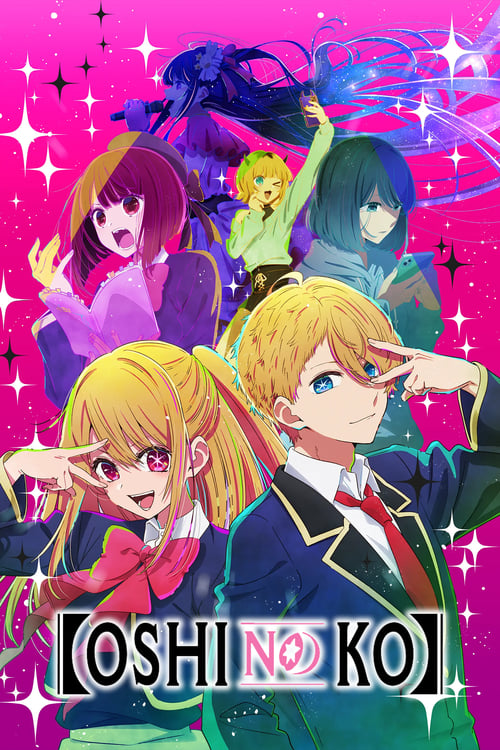
If you haven’t already jumped into Oshi no Ko, you’re missing one of the most refreshingly ambitious anime dramas to emerge from the 2023 television landscape. When this show debuted on April 12, 2023, it arrived with an almost quiet confidence—not the kind of bombastic premiere that announces itself with fireworks, but rather the kind that settles into your consciousness and refuses to leave. What makes it genuinely special is how it refuses to be categorized neatly, instead operating at the intersection of idol culture commentary, psychological thriller, and deeply human character study.
The premise alone—following twin siblings born into the entertainment industry through extraordinary circumstances—could have been melodramatic nonsense in lesser hands. But the creative team behind this project understood something fundamental about storytelling: the best dramas come from real stakes and authentic character moments. The show opened with an absolutely devastating premiere episode titled “Mother and Children” that immediately signaled this wasn’t going to be standard idol anime fare. That first episode earned a remarkable 9.2 rating, and honestly, once you experience that cold open, you understand why audiences were completely hooked.
The show’s genius lies in how it examines the dark underbelly of entertainment while maintaining genuine warmth for its characters. It’s not cynical about the industry—it’s heartbroken and angry on behalf of those trapped within it.
What really sets Oshi no Ko apart from similar properties is its willingness to sit with uncomfortable truths. The series doesn’t shy away from depicting:
- The parasocial relationships fans develop with idols
- The psychological manipulation inherent in talent management
- The pressure young performers face to maintain an image
- The exploitation that occurs behind closed doors
- The collision between public persona and private reality
These aren’t plot devices—they’re examined with genuine weight and consequence. When the narrative shifts to focus on the idol group B-Komachi and their meteoric rise through a strategically brilliant music video, it’s not just spectacle. It’s a commentary on how images are manufactured, how audiences are manipulated, and how success in entertainment often comes at hidden costs.
Spanning 35 episodes across its first season, Oshi no Ko demonstrated remarkable pacing discipline. Rather than stretching moments thin or padding runtime with filler, the series moved with intentional momentum. The fact that it maintained an 8.3/10 rating across this extended arc—with individual episodes fluctuating but the overall quality remaining strong—speaks to its consistency. Compare that to how Season 2 actually improved to 8.5/10, and you’re looking at a show that’s genuinely getting better as it develops, not declining into the sophomore slump so many anime experience.
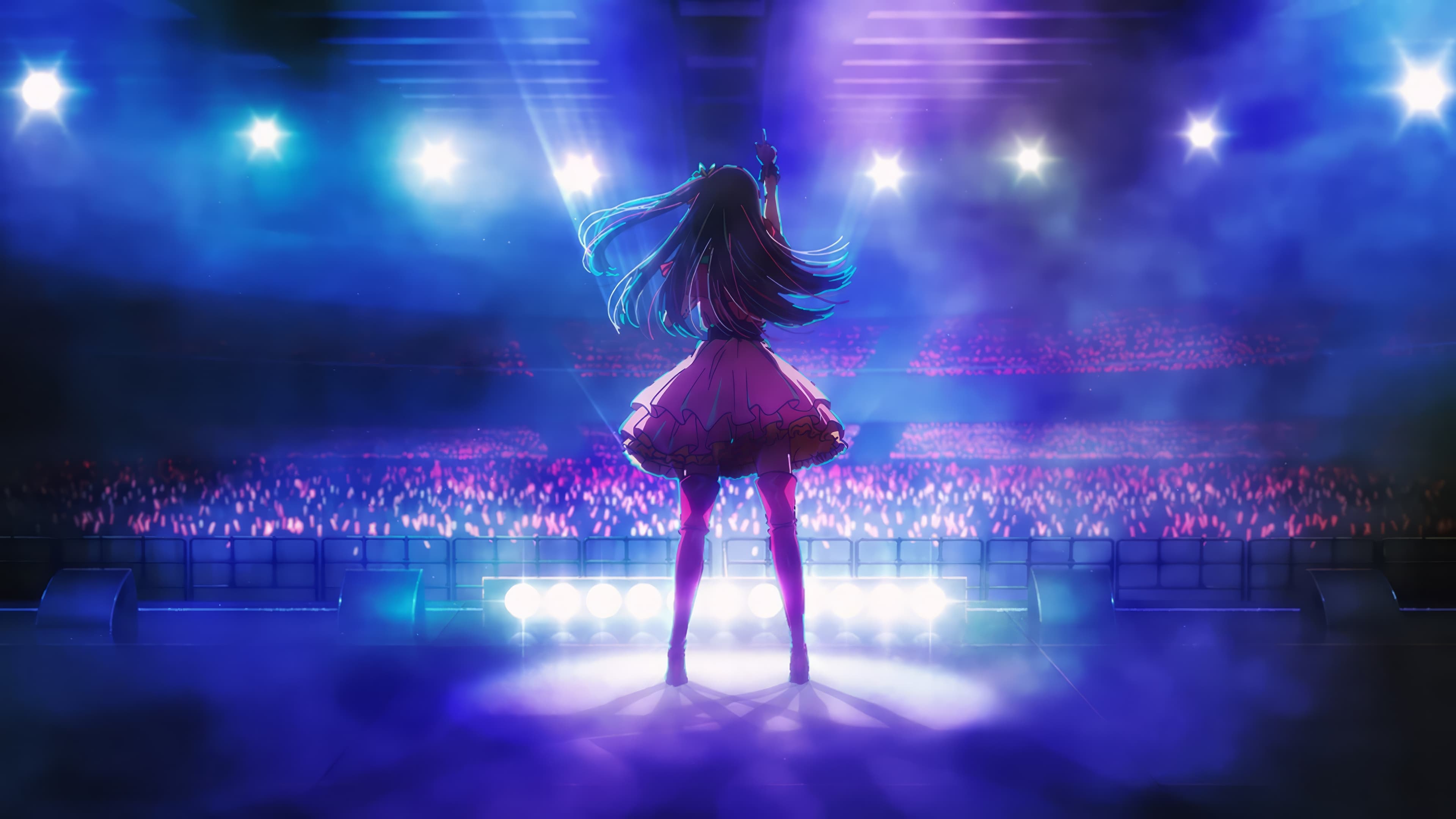
The animation itself deserves special mention. Produced with meticulous attention to detail, every frame carries visual storytelling weight. The contrast between performance scenes—rendered with stunning energy and vibrant choreography—and the quieter, shadowy moments of manipulation creates a visual language that reinforces the show’s thematic concerns. When characters step into the spotlight, the animation literally brightens. When they’re dealing with the industry’s darker realities, the palette shifts. It’s sophisticated visual direction masquerading as entertainment.
Character development emerged as the show’s true north star. Rather than treating its cast as archetypes, Oshi no Ko invested deeply in understanding motivations and contradictions:
- Aqua and Ruby: Not your typical heroic protagonists, but complex teenagers with their own agendas and trauma responses
- Mem-cho: A seemingly straightforward idol character who reveals unexpected depth
- Akane: A rival who becomes something far more nuanced than competition
- The supporting cast: Even minor characters felt like actual people with stakes and desires
This character work is what transformed the series from a interesting premise into something genuinely affecting. You found yourself invested not because the plot demanded it, but because you cared about these people navigating an impossible system.
The show’s cultural footprint extended well beyond typical anime circles. Oshi no Ko sparked legitimate conversations about parasocial relationships in the streaming era, about fan culture and its toxicity, about the cost of fame in an attention economy. Social media discourse centered around specific plot developments indicated that audiences weren’t just passively consuming—they were actively wrestling with the show’s ideas. That’s the mark of television that matters, regardless of medium.
The fact that Oshi no Ko was greenlit for a second season within months of its premiere speaks volumes. Networks don’t renew shows with uncertain futures. This show clearly demonstrated both critical acclaim and audience appetite for more.
What’s particularly interesting is how the show avoided easy resolutions or comforting narratives. The entertainment industry isn’t redeemed in Oshi no Ko—if anything, the show becomes increasingly aware of how systemic the problems are. Characters don’t simply overcome exploitation through determination; they navigate it, survive it, sometimes succumb to it. There’s a maturity in that refusal to provide cathartic solutions to structural problems.
As we await what comes next with the show’s returning series status, Oshi no Ko has already secured its place as a significant entry in anime television. It proved that animation could handle sophisticated dramatic material without sacrificing visual artistry. It demonstrated that stories about the entertainment industry could be both entertaining and critically incisive. Most importantly, it showed audiences that thoughtful, character-driven storytelling—exploring complex ideas about fame, identity, and exploitation—could absolutely resonate in 2023 and beyond. That’s exactly why you should be watching it.


![Trailer 2 [Subtitled]](https://img.youtube.com/vi/FQLfj75E2JI/maxresdefault.jpg)
![Trailer 1 [Subtitled]](https://img.youtube.com/vi/owauGV029V8/maxresdefault.jpg)