Look, when xXx came out in August 2002, it arrived at a pretty specific moment in action cinema. The spy thriller genre was already well-established—James Bond was doing his thing, Matt Damon’s Jason Bourne was about to blow everyone’s minds—but there was something distinctly different about what Rob Cohen was cooking up here.
This wasn’t about tuxedos and martinis or intense espionage realism. Instead, Cohen took the secret agent formula and asked: what if we made this for the extreme sports generation? What if our hero was a skateboarder and musician instead of a polished operative?
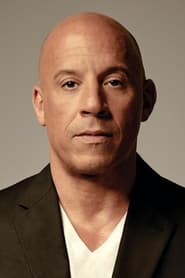
That central concept, honestly, is what made xXx matter in the broader landscape of action filmmaking. Vin Diesel didn’t just star in this movie—he embodied a new archetype. His character, Xander Cage, was deliberately positioned as the antithesis of what audiences expected from a spy protagonist. He was tattooed, irreverent, tied to underground culture, and absolutely unconcerned with espionage tradition.
Diesel brought genuine charisma to the role, a raw energy that suggested he was having fun rather than performing duty. This wasn’t a calculated performance; it felt lived-in, especially against the polished menace of Marton Csokas as the villain and the cool, knowing presence of Asia Argento, who brought European sophistication to counterbalance all that American adrenaline.
The film’s opening weekend told you everything you needed to know about its cultural resonance: $44.5 million across 3,374 theaters. That’s not just a successful opening—that’s a phenomenon. When a $70 million action vehicle grosses nearly $280 million worldwide, you’re looking at a film that connected with audiences in a way that transcended typical spy-thriller demographics.
What’s fascinating about the critical response is how it reveals the gap between audience enthusiasm and critical skepticism. The film landed with a 6.0/10 rating from critics, which… fair enough. It’s not a perfect film by any stretch. The plot is fairly straightforward action-thriller boilerplate, the dialogue occasionally awkward, and at two hours and four minutes, it’s not exactly lean storytelling.
But here’s the thing: audiences didn’t care. They showed up, they returned for sequels, and they made this franchise viable precisely because Cohen understood something that critics sometimes miss—that cinema serves multiple functions beyond narrative perfection.
- Revolutionary casting choice – Positioning Vin Diesel as a leading action star was genuinely bold in 2002
- Extreme sports integration – The film used skateboarding, snowboarding, and BASE jumping as core plot elements, not just window dressing
- Cultural specificity – Diesel’s character existed in a recognizable subculture rather than the generic “cool guy” template
- Soundtrack-as-narrative – Music and visual style conveyed character in ways that dialogue couldn’t
Rob Cohen’s directorial vision was essentially about accessibility through attitude. He wasn’t making a film for people who lived in penthouses; he was making it for people who lived in garages and skateparks. The action sequences reflected that sensibility—they were kinetic, propulsive, and designed to feel like documentations of real-world extreme activity amplified to cinematic scale.
That opening skydiving sequence? That wasn’t just spectacle; it was thematic shorthand for everything the film was about: controlled chaos, living on the edge, rejecting conventional limitation.
The supporting cast around Diesel deserves real credit here. Asia Argento could have been a stock “spy handler” character, but she played agent Yelena Federova with enough ambiguity and presence to suggest complexity beneath the surface.
The film gives her real moments—particularly in how she navigates betrayal and allegiance—that elevate her beyond typical love-interest territory. And Csokas, playing the villainous Gibbons with aristocratic menace, provided exactly the right counterweight to Diesel’s rough-edged protagonist.
Here’s what really matters about xXx in retrospect: it created space for a certain kind of action hero that Hollywood had previously marginalized. Before this film, you didn’t cast tattooed guys from underprivileged backgrounds as leading men in $70 million action tentpoles. The financial success essentially gave permission.
The cultural impact extended beyond just Vin Diesel’s subsequent career trajectory, though that’s certainly part of the story. The film signaled that action cinema could be refreshed by authentically representing contemporary youth culture rather than making that culture feel like an outsider’s interpretation of “cool.” That’s partly why the franchise persisted, spawning sequels and expanding the universe. Studios took note: audiences wanted their action heroes to feel like they lived somewhere real, not just in generic thriller space.
In awards recognition, while xXx nabbed some nomination attention—including Saturn Award nods from the Academy of Science Fiction, Fantasy & Horror Films—it wasn’t going to win critical prizes for screenwriting or direction. That was fine. The film made its argument through box office returns and cultural penetration, not through academy consideration.
Sometimes cinema works that way: the mass audience verdict matters more than critical consensus, especially when we’re talking about entertainment that’s explicitly designed to entertain rather than provoke artistic examination.
What’s genuinely interesting looking back is how xXx anticipated conversations about representation in action cinema that would become much more prominent in subsequent decades. It wasn’t making political statements about inclusivity, but it was nonetheless reflecting and amplifying communities and cultures that mainstream Hollywood typically ignored. That legacy matters.
The film didn’t invent anything revolutionary narratively, but it fundamentally shifted what a major studio action hero could look like and come from. That’s not nothing—that’s actually pretty significant cinema.