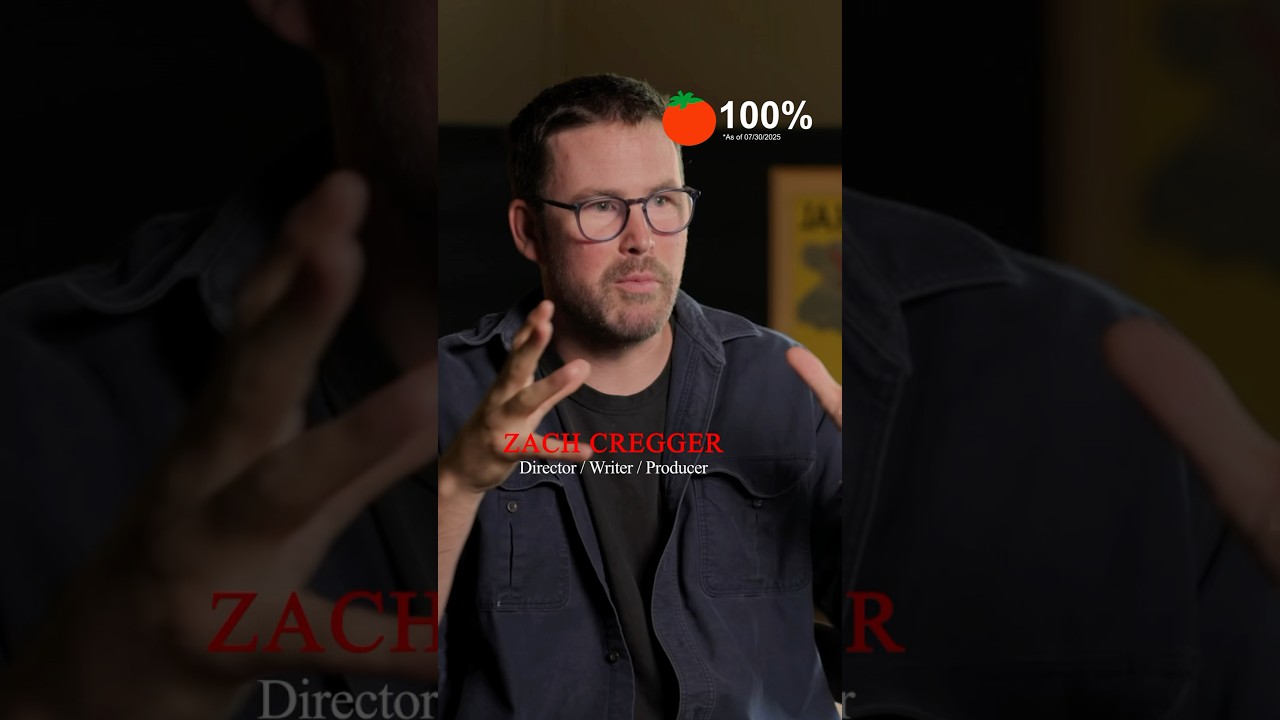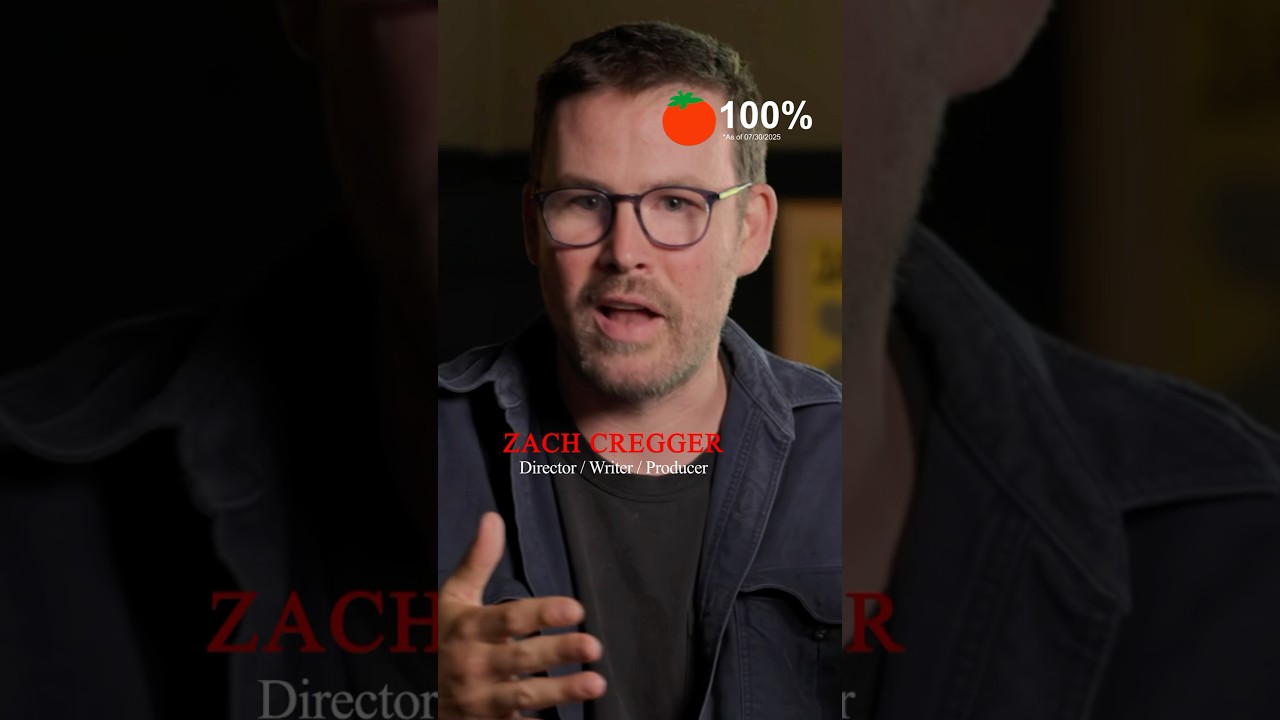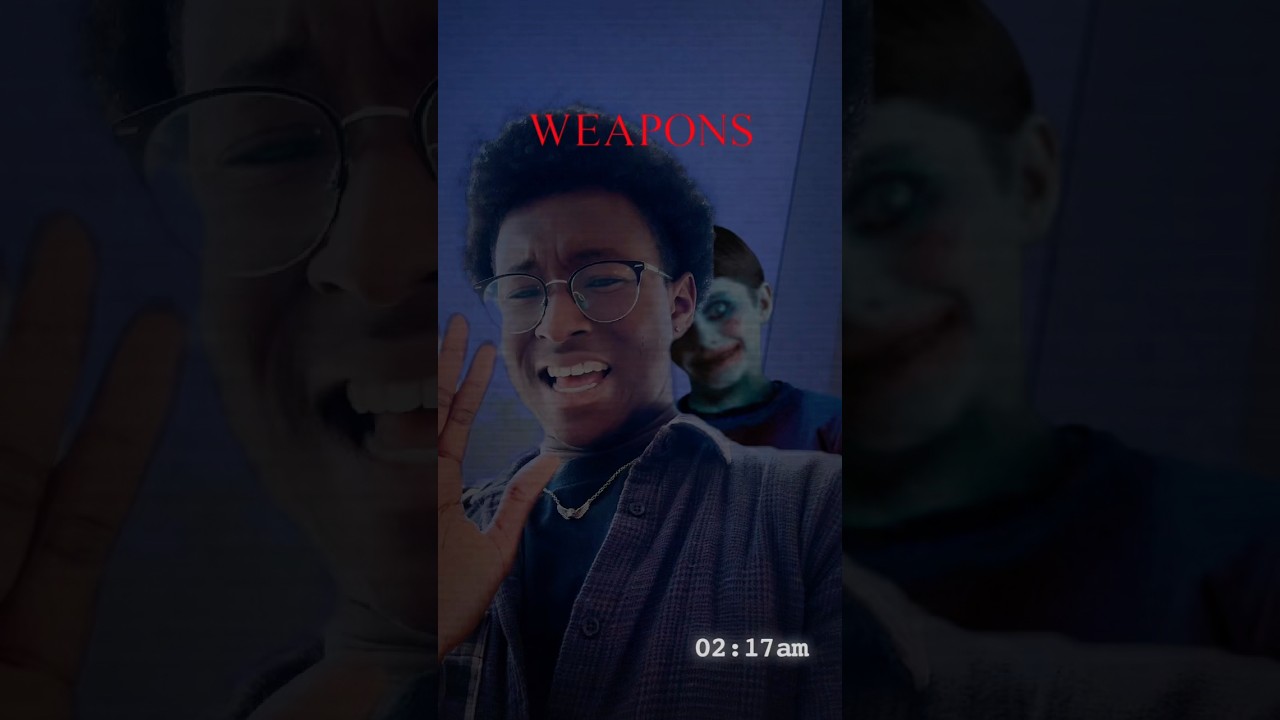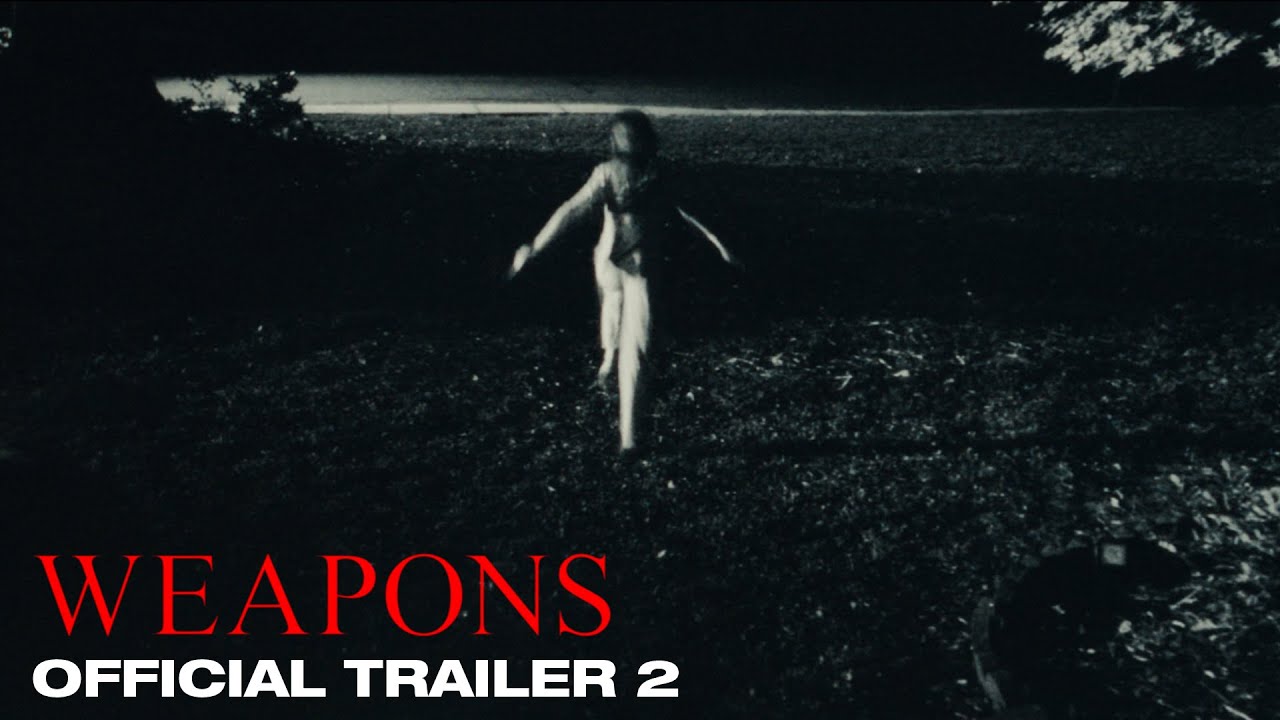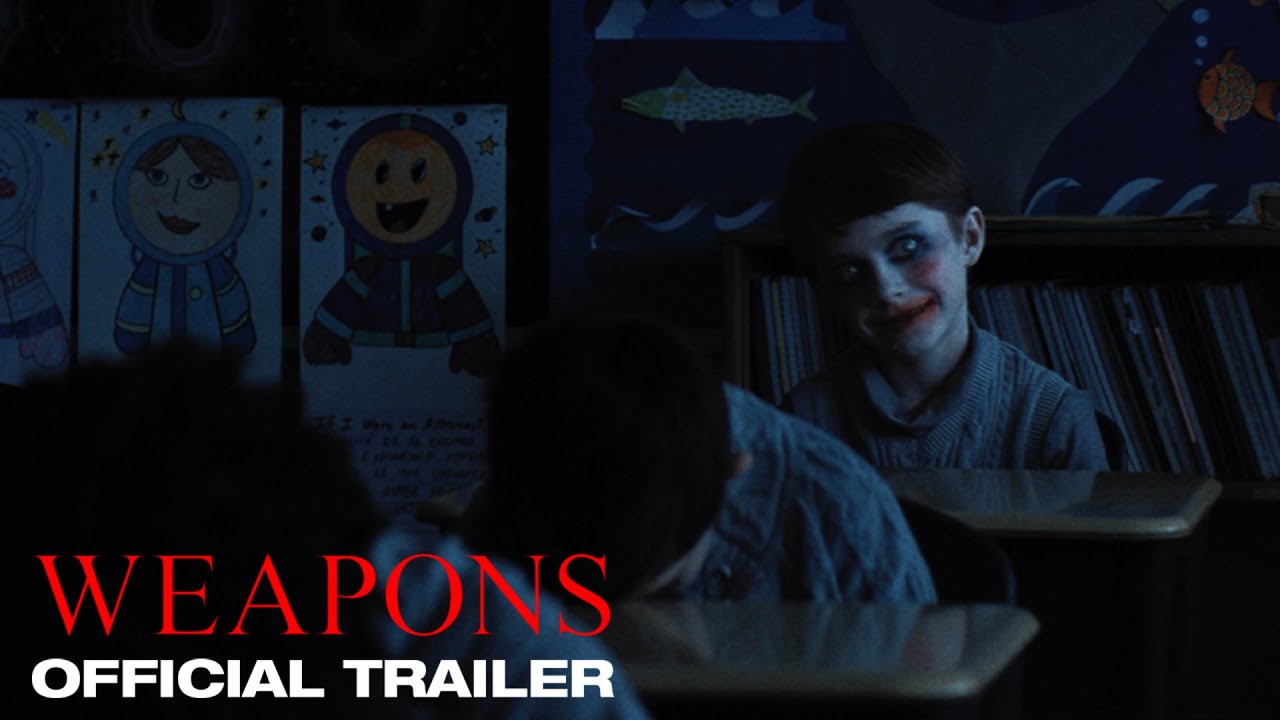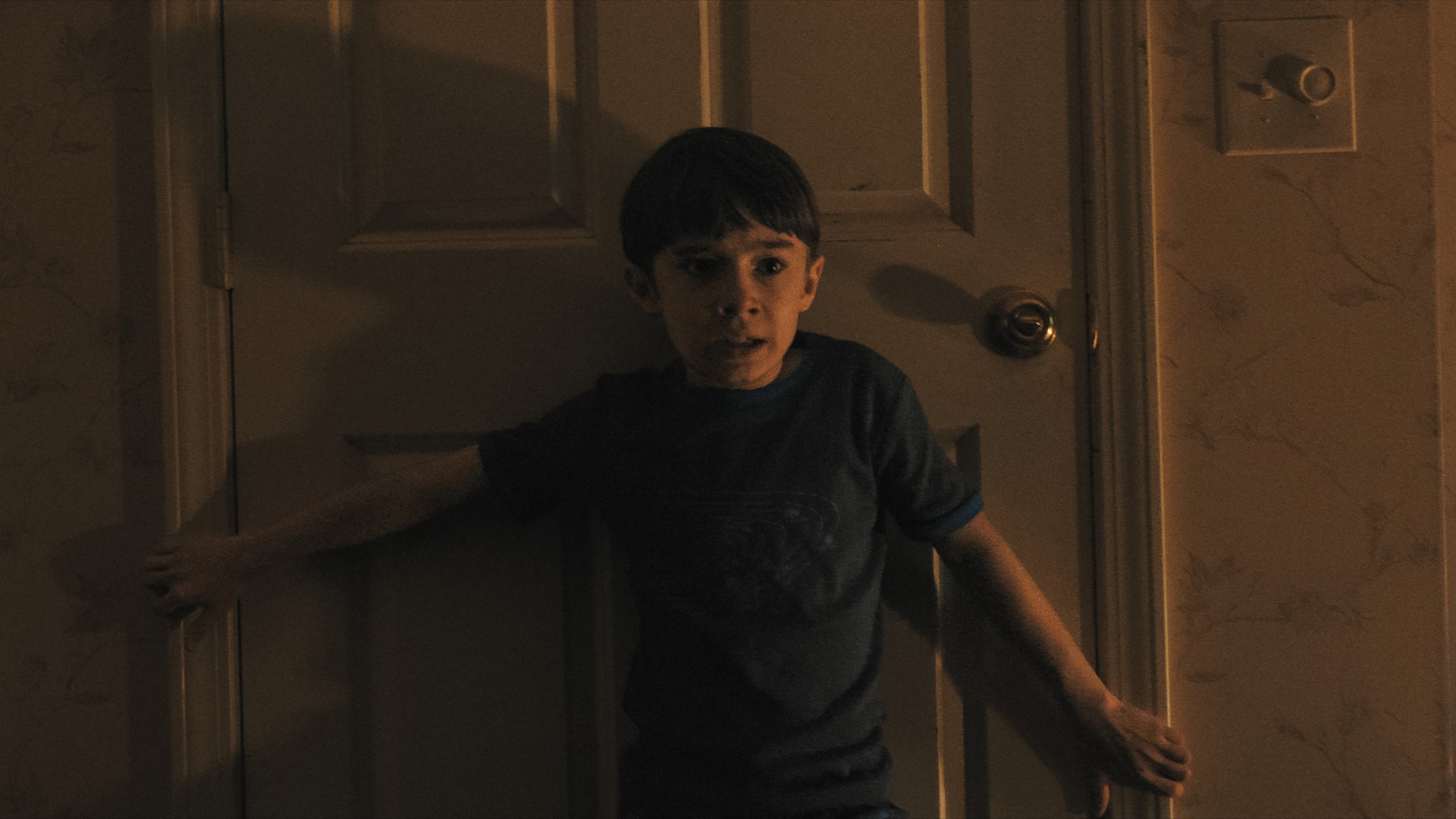
When Zach Cregger’s Weapons came out in August 2025, it arrived with a premise so deceptively simple it felt almost dangerous: children from a single classroom vanish in the dead of night, and no one can explain why. That tagline—capturing the exact moment of disappearance at 2:17 AM—became instantly iconic, and the film’s $43.5 million opening weekend proved audiences were desperate to uncover the mystery behind it. But what’s genuinely fascinating isn’t just that the movie connected with viewers; it’s how it connected, and what that tells us about where horror cinema is headed.
Cregger, coming off the wild success of Barbarian, had already proven he understood something crucial about modern audiences: we’re tired of being spoon-fed explanations. With Weapons, he doubled down on ambiguity and dread in a way that feels increasingly rare. The film’s 129-minute runtime never feels bloated because Cregger uses every minute to build an atmosphere where the not knowing becomes more terrifying than any reveal could be. That pacing discipline—knowing exactly when to pull back and when to push forward—is what separates this from dozens of other mystery-horrors that came out around the same time.
What makes this collaboration particularly memorable:
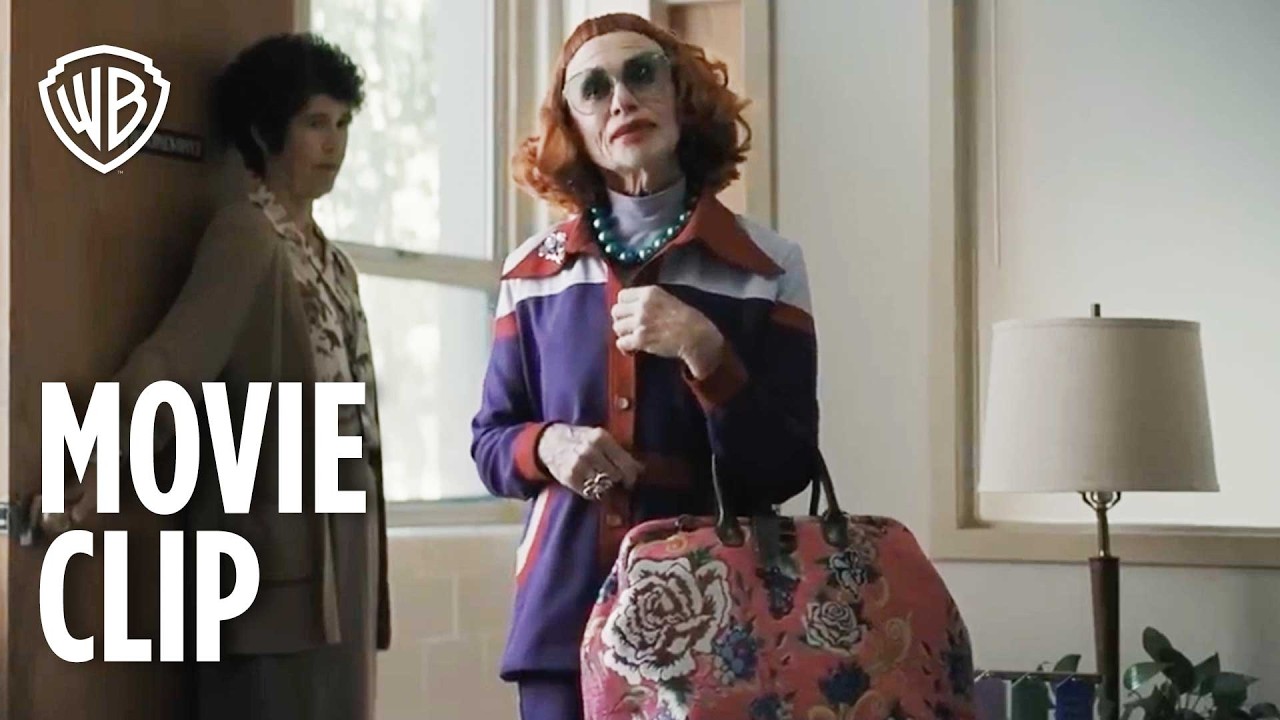
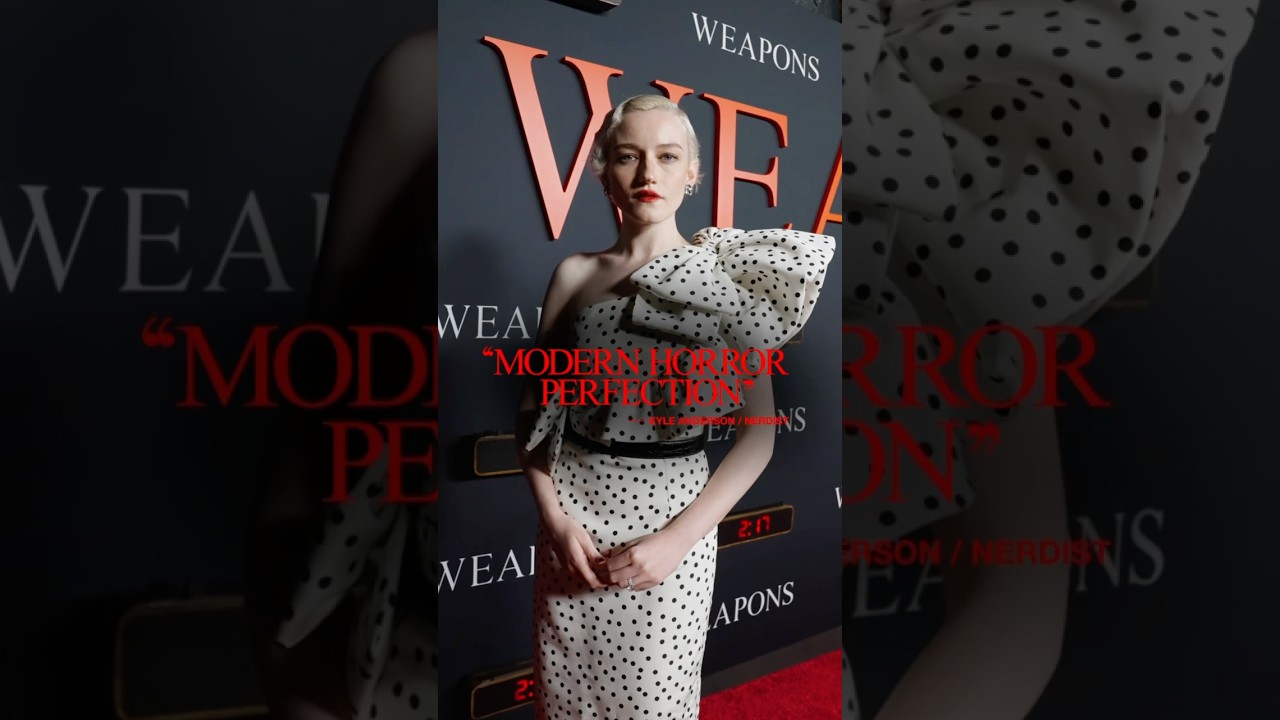
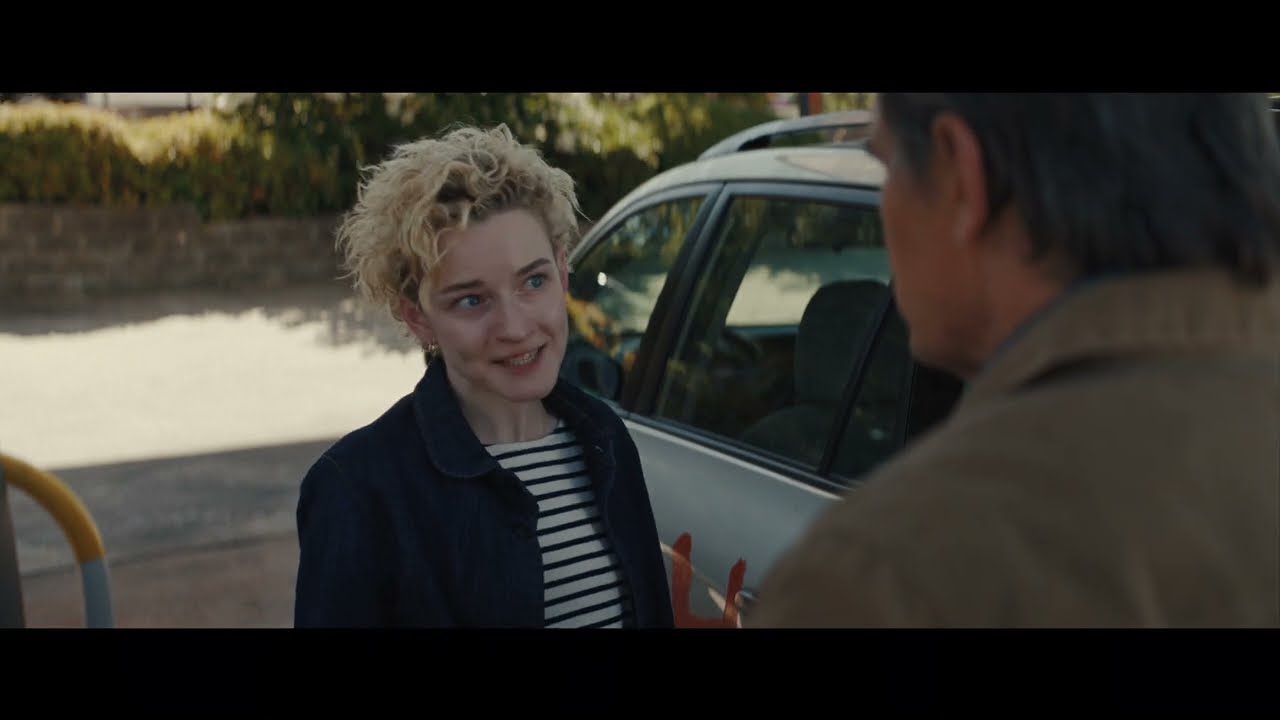
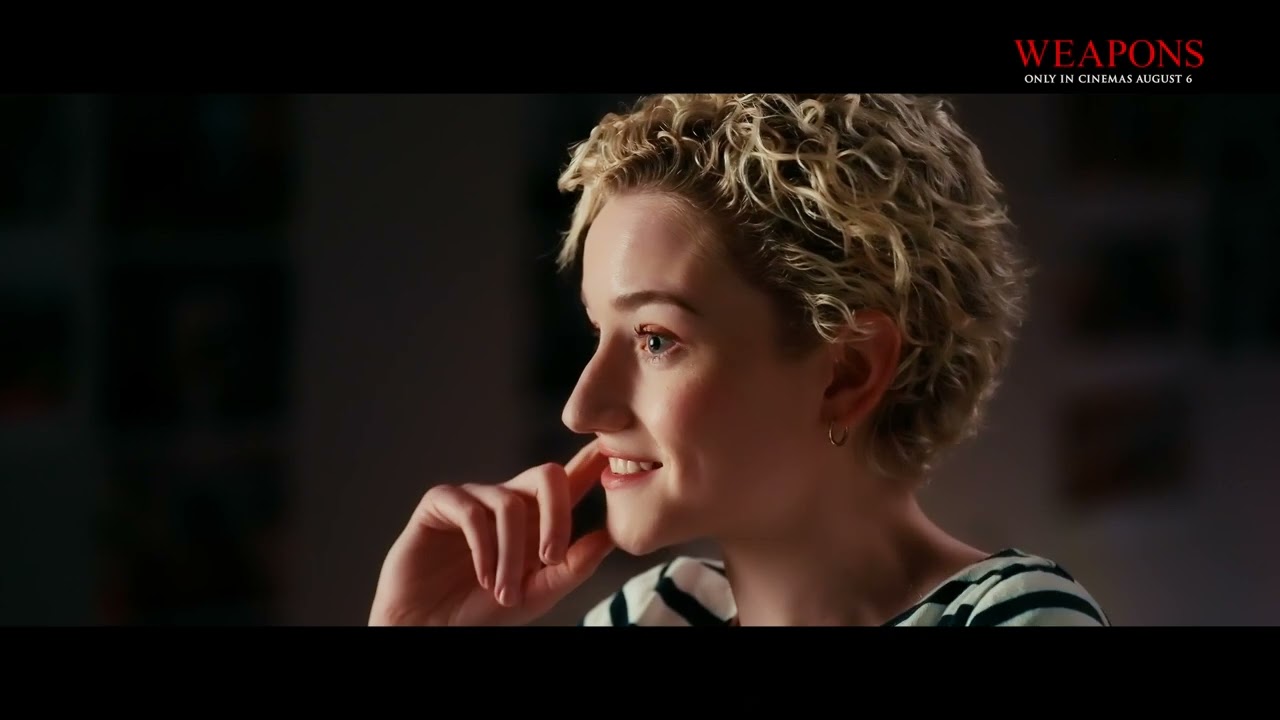
- Julia Garner’s transformative lead performance grounds the film in genuine human complexity rather than just genre mechanics
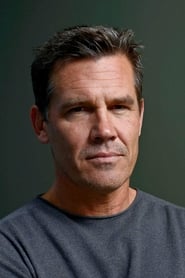
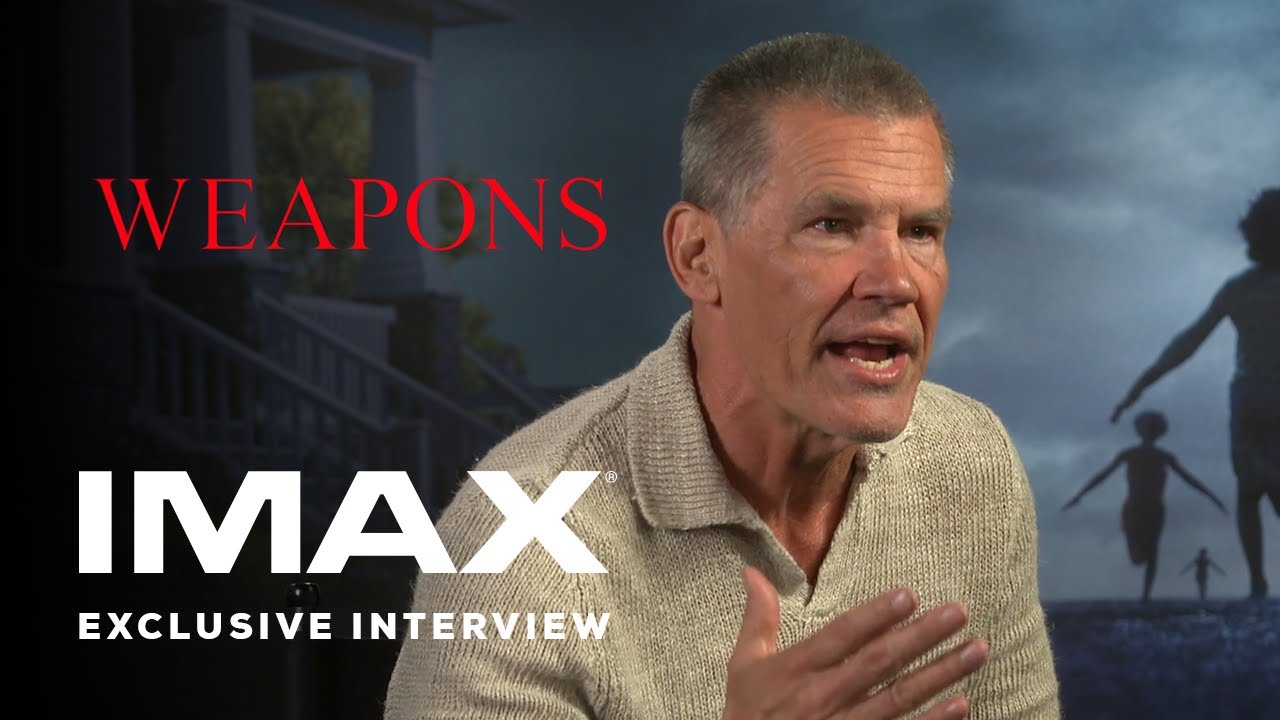
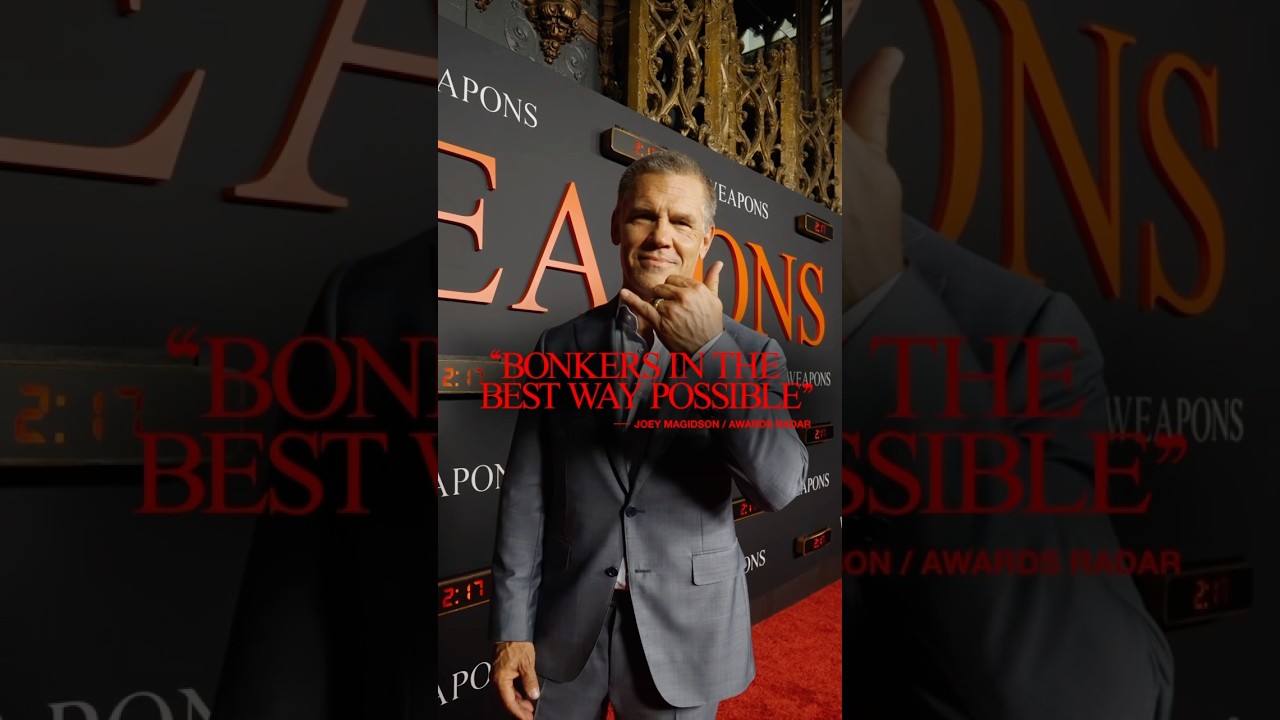
- Josh Brolin’s weathered presence brings an almost No Country for Old Men sensibility to a character caught between skepticism and horror
- Alden Ehrenreich’s supporting work adds unexpected emotional weight to what could’ve been a thankless role
- The ensemble chemistry between these three creates an interpersonal tension that mirrors the external mystery
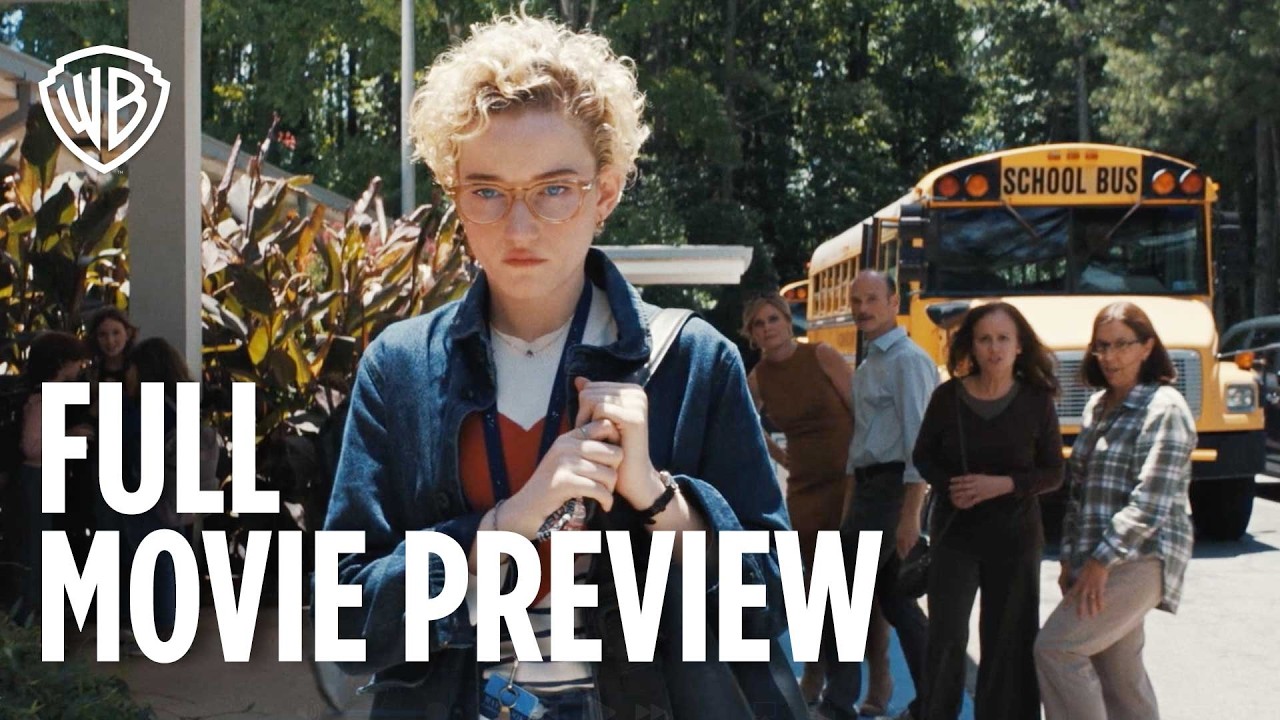
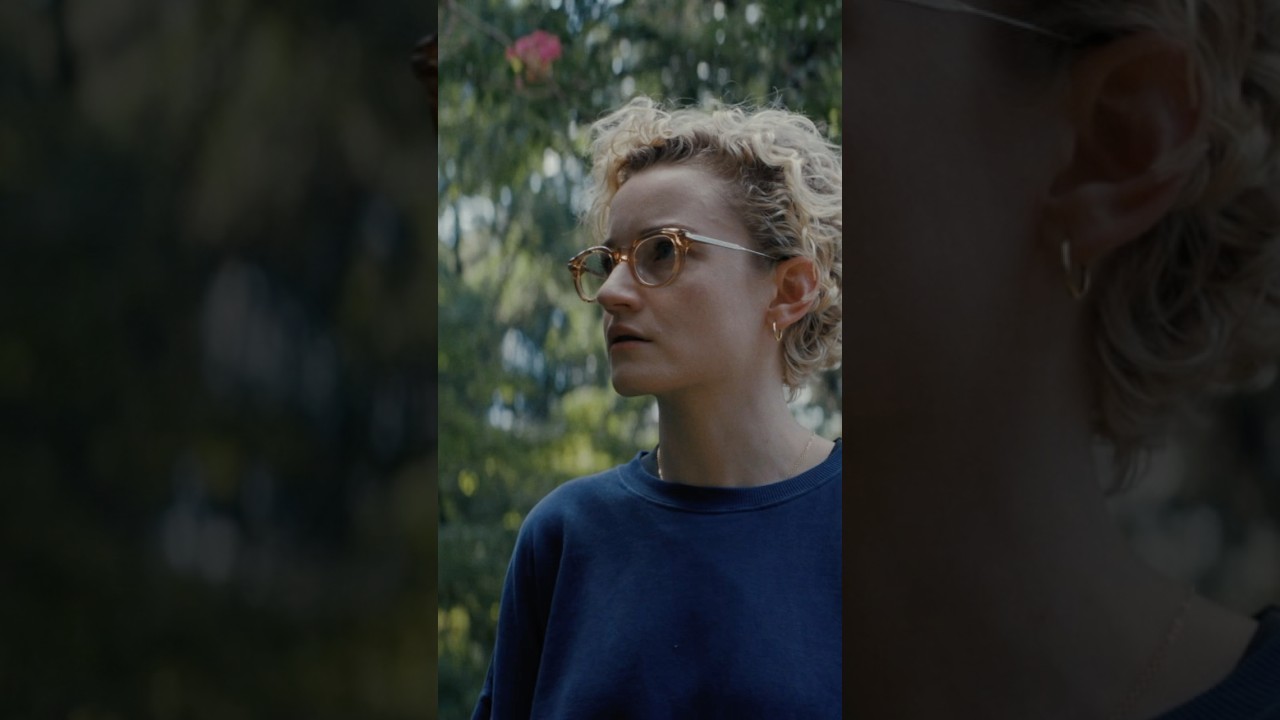
The cast deserves particular credit because Weapons refuses to let anyone be a simple archetype. Garner doesn’t play the hysterical mother or the detective figure—she plays someone genuinely unmoored by catastrophe, and that’s messier and more affecting. Brolin brings the kind of gravitas usually reserved for prestige dramas, which elevates every scene he’s in. It’s the sort of casting that signals creative ambition, and audiences picked up on that signal immediately.
The financial performance tells its own interesting story. On a $38 million budget, Weapons eventually grossed over $269 million worldwide, making it one of New Line Cinema’s biggest successes in recent years. But here’s what matters more than the numbers themselves: the film sustained its audience. Hitting $100 million globally in just one week, then continuing to climb week after week, suggests word-of-mouth was genuinely strong. In an era where most films front-load their box office and vanish, Weapons had legs. People weren’t just seeing it; they were talking about it. They were recommending it.
> The 7.3/10 rating on major platforms represents something more nuanced than a typical “mixed” response. It’s the score of a film that divides rather than disappoints—critics and audiences respected what Cregger was attempting, even when they didn’t fully embrace the execution.
The critical response sits at that fascinating middle ground where a film becomes genuinely culturally significant precisely because it refuses easy consensus. Some reviewers felt the mystery’s resolution didn’t justify the setup; others praised the commitment to ambiguity. This fracture is actually where Weapons finds its lasting power. Horror films that everyone agrees on tend to fade quickly. Horror films that provoke argument—that make you want to text a friend about what you think happened—those stick around.
The film’s influence on the genre has already become visible:
- A noticeable uptick in mystery-horror hybrids prioritizing atmosphere over jump scares
- Renewed interest in “event cinema” horror that doesn’t rely on franchises or IP
- Studios becoming more willing to trust auteur-driven horror with substantial budgets
- A shift away from explaining everything, toward embracing productive uncertainty
What’s particularly compelling is how Weapons landed at a specific cultural moment. In 2025, we’re oversaturated with content designed to provide immediate answers and closure. There’s something almost radical about a $38 million studio horror film that says, “We’re going to spend two hours making you uncomfortable, and we’re not entirely sure how to resolve it either.” That’s not a bug—that’s the feature. That’s what audiences are increasingly hungry for: art that respects their intelligence enough to leave questions unanswered.
The collaboration between New Line Cinema, Subconscious, Vertigo Entertainment, and the other production companies behind Weapons resulted in something that feels genuinely auteurial despite being a substantial studio production. That’s harder to achieve than it sounds. Cregger managed to make a film that works as both commercial entertainment and as genuine artistic statement—the kind of balancing act that usually gets directors torn apart by competing interests. Here, everyone seemed aligned on the vision.
Looking back now, Weapons represents a turning point: the moment when horror audiences and critics started explicitly valuing uncertainty as a feature rather than a flaw. That shift has consequences. It means filmmakers feel empowered to trust audiences more. It means studios become slightly more willing to fund unconventional visions. It means the genre continues evolving past its predictable formulas. For a film that cost $38 million and earned nearly seven times that amount, its real value might be in reshaping what audiences expect from horror cinema itself.