So here’s the thing about War of the Worlds (2025)—this film arrived quietly, without fanfare, and that’s actually the most honest thing about it. Released straight to Amazon Prime Video on July 30, 2025, it bypassed theaters entirely, which in hindsight feels like a preview of its critical reception. When a studio with Universal’s resources sends a big-budget sci-fi thriller directly to streaming without critic screenings, you have to wonder what happened behind the scenes.
And the numbers tell part of the story: a 4.2/10 rating from 840 voters, negative reviews across the board, and the kind of buzz you get when something doesn’t quite land. But here’s where it gets interesting—because this film’s real significance isn’t what it achieved; it’s what it represents about filmmaking in 2025.
Director Rich Lee brought a specific sensibility to the project, one rooted in visual storytelling and conceptual clarity. The tagline—“Your data is deadly”—hints at something genuinely contemporary: a science fiction narrative built around digital surveillance and information warfare rather than pure alien invasion spectacle. That’s not nothing. In an era where audiences are increasingly paranoid about data privacy and corporate control, the premise had teeth. The question becomes: did the execution match the concept?
The shift to streaming wasn’t a sign of confidence, but it wasn’t necessarily a death sentence either. Amazon Prime Video has become a testing ground for films that don’t fit traditional theatrical models, and War of the Worlds represents a particular kind of gamble—the mid-budget sci-fi thriller that couldn’t secure theatrical distribution.
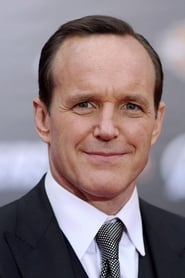
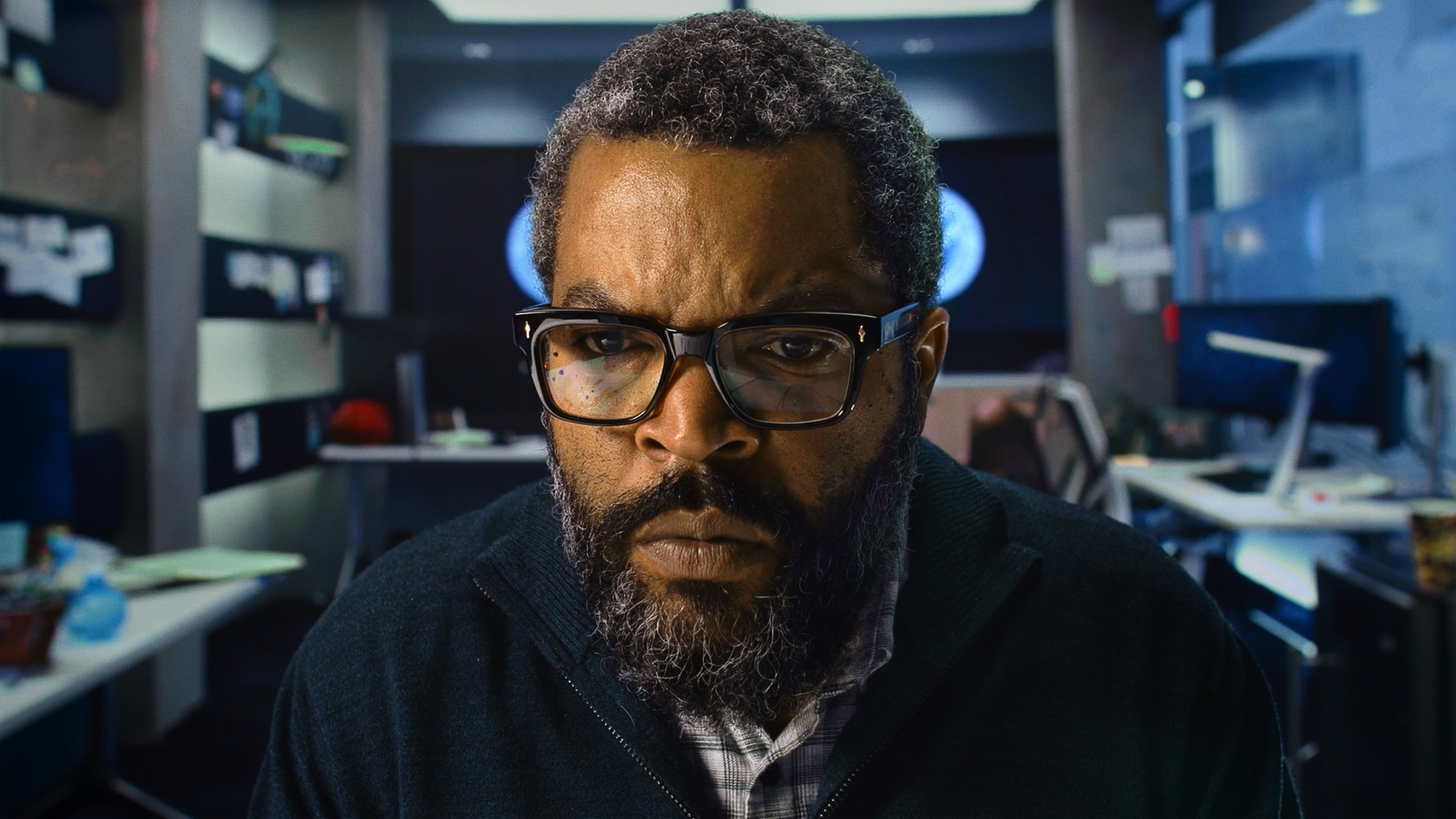
The cast assembled here is genuinely intriguing when you think about it. Ice Cube brought star power and credibility, an actor who’s spent decades crafting a public persona separate from any single role. Eva Longoria carries her own considerable presence—someone who understands how to command a scene. Clark Gregg, often known for ensemble work, provided the kind of steady, reliable talent that grounds thriller narratives. These aren’t A-list action heroes, but they’re not unknowns either. They’re character actors and established personalities trying to elevate material that, based on reception, may not have given them much to work with.
The 1 hour and 31-minute runtime is telling. That’s genuinely short for a modern science fiction thriller—barely longer than a feature-length episode of prestige television. It suggests either lean, efficient storytelling or material that struggled to sustain feature length. Given the critical response, you have to suspect the latter. A truly compelling narrative usually demands more time to breathe, to develop tension, to make audiences invest in stakes. A thriller that runs under 92 minutes needs to be precisely calibrated to maintain momentum.
- Here’s what makes War of the Worlds (2025) worth discussing, though, even with its poor reception:
- It represents changing distribution models – The complete bypass of theatrical release signals how aggressively streaming services are reshaping where and how films premiere
- The tagline captured genuine cultural anxiety – Data privacy and digital surveillance are legitimate modern fears, not dated sci-fi tropes
- It assembled competent talent that couldn’t save the material – Sometimes execution simply fails, regardless of who’s involved
- It came out during a challenging summer – Mid-summer 2025 saw box office struggles industry-wide, and theatrical releases were already struggling
What’s remarkable is how little cultural footprint this film left. No awards buzz, no think pieces analyzing its themes, no lasting memes or viral moments. In the streaming era, that’s increasingly common—films arrive, are briefly available, and disappear into the algorithm.
Rich Lee’s work here exists in that strange space where direction meets material limitations. You can have tremendous visual sensibility and still be constrained by script, budget, or simply the limitations of what can be achieved in post-production. The collaboration between Lee and the producers at Bazelevs and Patrick Aiello Productions was meant to deliver something, but whatever that something was, it didn’t resonate with critics or audiences.
The larger cultural legacy of this film might actually be about the business of filmmaking rather than the film itself. It’s a case study in how even Universal Pictures, with all its resources and distribution infrastructure, cannot guarantee success when a project doesn’t click. It’s a reminder that star power and experienced directors aren’t sufficient if the core narrative doesn’t compel. And it’s evidence of how streaming has fundamentally altered the stakes—a theatrical bomb is a public failure; a streaming misfire is just another title in the queue.
What lingers isn’t nostalgia or affection for War of the Worlds, but rather a kind of clear-eyed understanding about what happened. A competent director, established actors, and an interesting premise somehow combined to create something that audiences actively avoided and critics actively dismissed. That’s not tragedy—it’s just the harsh mathematics of entertainment. Sometimes films simply don’t work, and that’s the story worth telling.