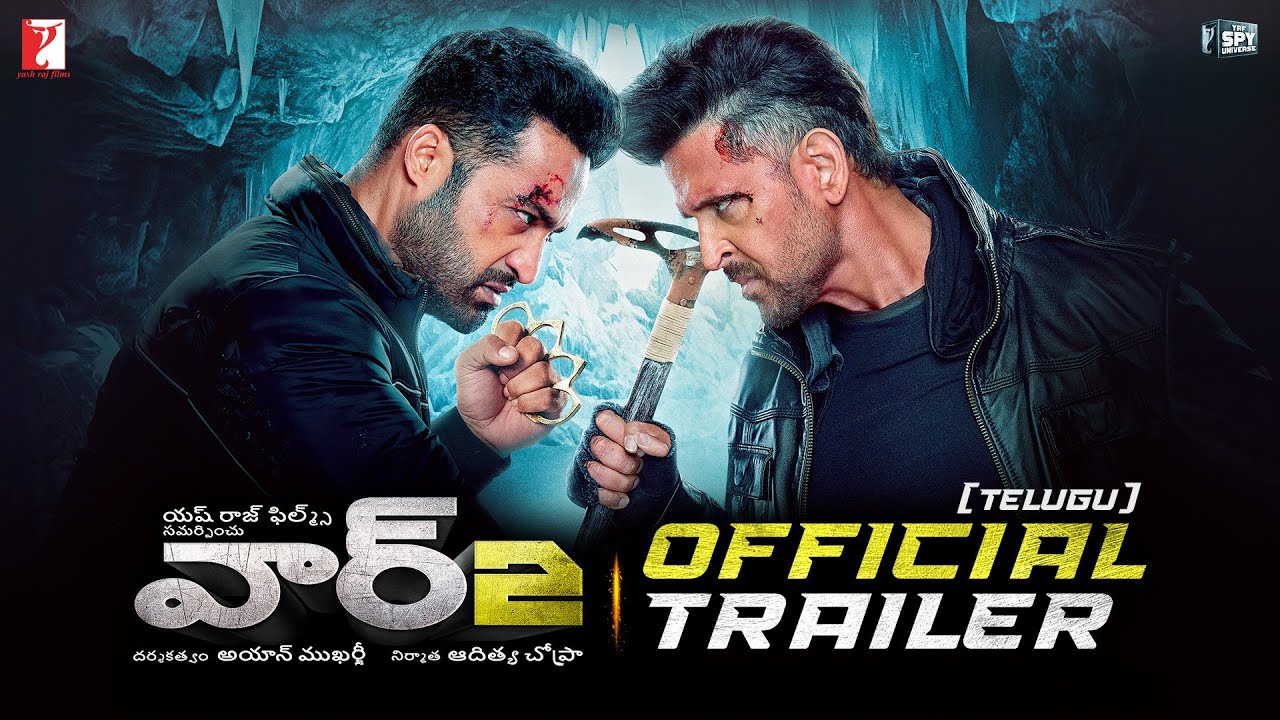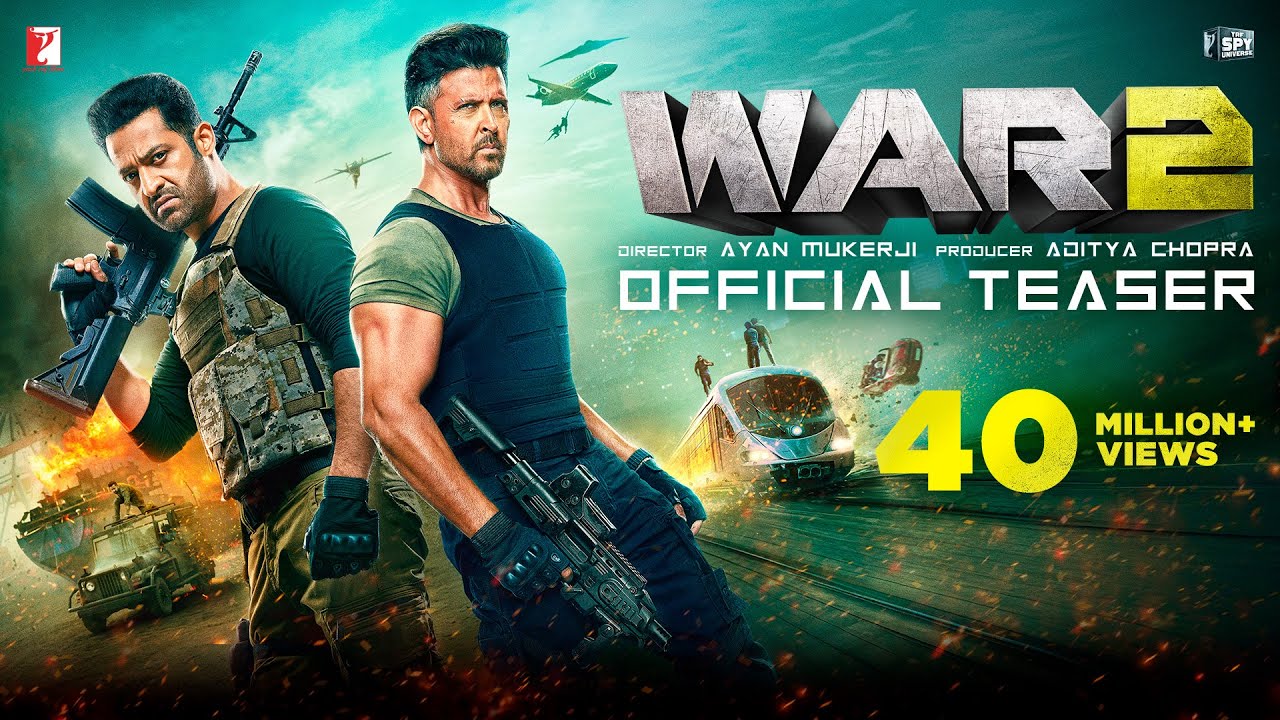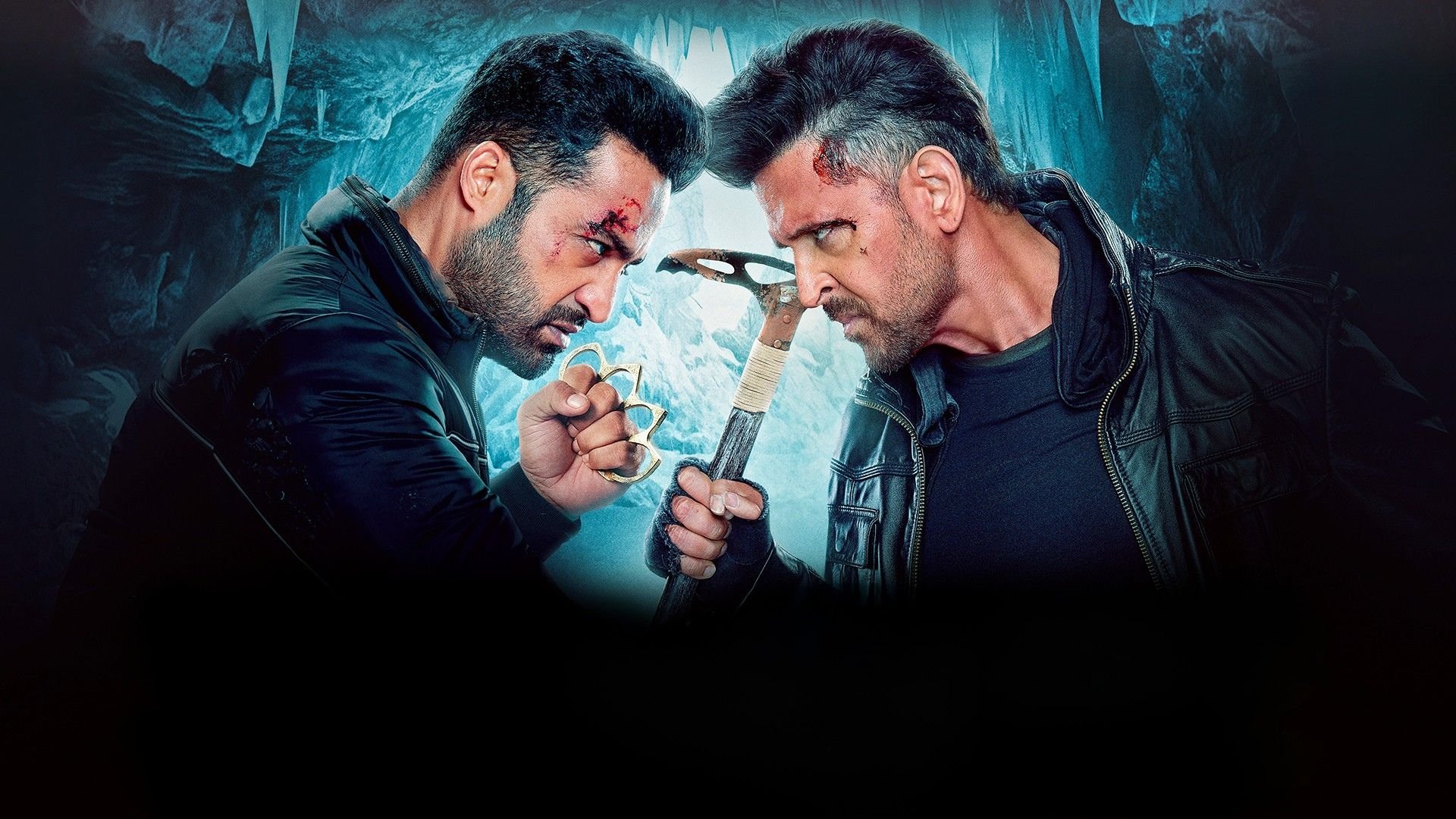
When War 2 premiered in August 2025, it arrived with enormous expectations and an equally enormous budget of $47 million. Ayan Mukerji’s film was positioned as a high-stakes action thriller that would bring together two of Hindi cinema’s biggest names—N.T. Rama Rao Jr. and Hrithik Roshan—alongside Kiara Advani. On paper, it had all the ingredients for a blockbuster spectacle. What happened next, however, tells a more complicated story about what audiences actually want from cinema, and what it means when a film’s ambition outpaces its execution.
The runtime of 2 hours and 53 minutes alone suggests Mukerji wasn’t interested in restraint. This was filmmaking at scale, the kind of project that demands your attention for nearly three hours and expects you to be thoroughly invested in its world. For a certain kind of viewer—the one who loves sprawling action sequences and high-concept spy thrillers—that promise probably felt exciting. The problem was that when audiences finally got to experience it, something critical didn’t click.
> The film’s box office performance tells the real story here: a $47 million investment that returned just $3,096,145 worldwide. That’s not just a disappointment—it’s a cautionary tale.
Let’s be honest about what those numbers mean. This wasn’t a marginal underperformance or a “slow-burn” situation that would eventually find its audience. This was a catastrophic financial outcome that would reshape conversations about risk, budget allocation, and creative decision-making in Indian cinema. When you’re looking at a return that represents roughly 6-7% of your production spend, something fundamental went wrong—and it wasn’t about the cast or the concept.
The Creative Vision’s Ambition
What Mukerji clearly wanted to achieve was ambitious. Action, adventure, and thriller elements woven together in a sophisticated spy narrative framework—this is the kind of material that works beautifully when executed with precision. The director has shown elsewhere that he understands spectacle and emotional stakes. But War 2 arrived at what might have been the worst possible moment, or perhaps it simply didn’t find the right balance between its three-hour runtime and narrative payoff.
The casting of Rama Rao Jr. and Hrithik Roshan represented a genuine collision of two different cinematic worlds. Hrithik brings that Bollywood mainstream polish and established action credibility, while Rama Rao Jr. represented something newer, the Telugu film industry’s expansion into Hindi cinema. Kiara Advani, meanwhile, occupied that crucial middle ground—a performer who could anchor emotional scenes while keeping pace with the action demands. On paper, this should have been dynamic. On screen, it apparently felt like different films existing simultaneously, judging by both the box office rejection and the middling critical response.
The Critical Reception
The 5.8/10 rating from audiences who did see it wasn’t a matter of “critics vs. general audiences” division—it was a genuinely mixed reaction from the people who paid to watch. That score, based on 52 votes at the time, suggests that even those enthusiastic enough to rate the film on a database had significant reservations. This wasn’t people angry about artistic choices or misunderstanding the director’s vision. This was confusion about whether a $47 million investment was actually worth anyone’s time.
That critical indifference might actually be worse than outright hostility. Hostility sparks conversation, debate, and sometimes cult followings. Indifference means people forget about your film before they even leave the theater. It means they don’t recommend it to friends, don’t discuss it online, and certainly don’t return for a second viewing.
What This Moment Reveals About Cinema
What War 2 represents, perhaps unintentionally, is a crisis in how mega-budgeted action films are greenlit in Indian cinema. The film came out at a time when audiences were increasingly selective about what deserved their attention and their money, especially after the pandemic-era reset of viewing habits. Just throwing enormous resources at a project with established names no longer guaranteed results—if it ever did.
The legacy of War 2, if we’re being honest, won’t be about influence or cultural impact in the traditional sense. It won’t inspire a wave of similar films or establish new aesthetic standards for the genre. Instead, it will be remembered as a lesson: a concrete example of how creative vision, talented actors, and massive budgets can still fail spectacularly when the fundamental storytelling or creative coherence doesn’t land.
What Remains
That said, there’s something worth respecting about films that swing for the fences, even when they miss. Mukerji took genuine risks here, assembling an unusual cast combination and committing to an ambitious vision. The performances from Roshan and Rama Rao Jr. likely contained interesting work, even if the film’s overall architecture didn’t support it. Kiara Advani probably had moments that would shine in isolation.
The real significance of War 2 might be that it forced the industry to confront uncomfortable questions about sustainability, audience trust, and what actually translates to theater seats. In that sense, even a failure of this magnitude teaches valuable lessons—if the industry is willing to learn from it. Whether it actually does remains to be seen.