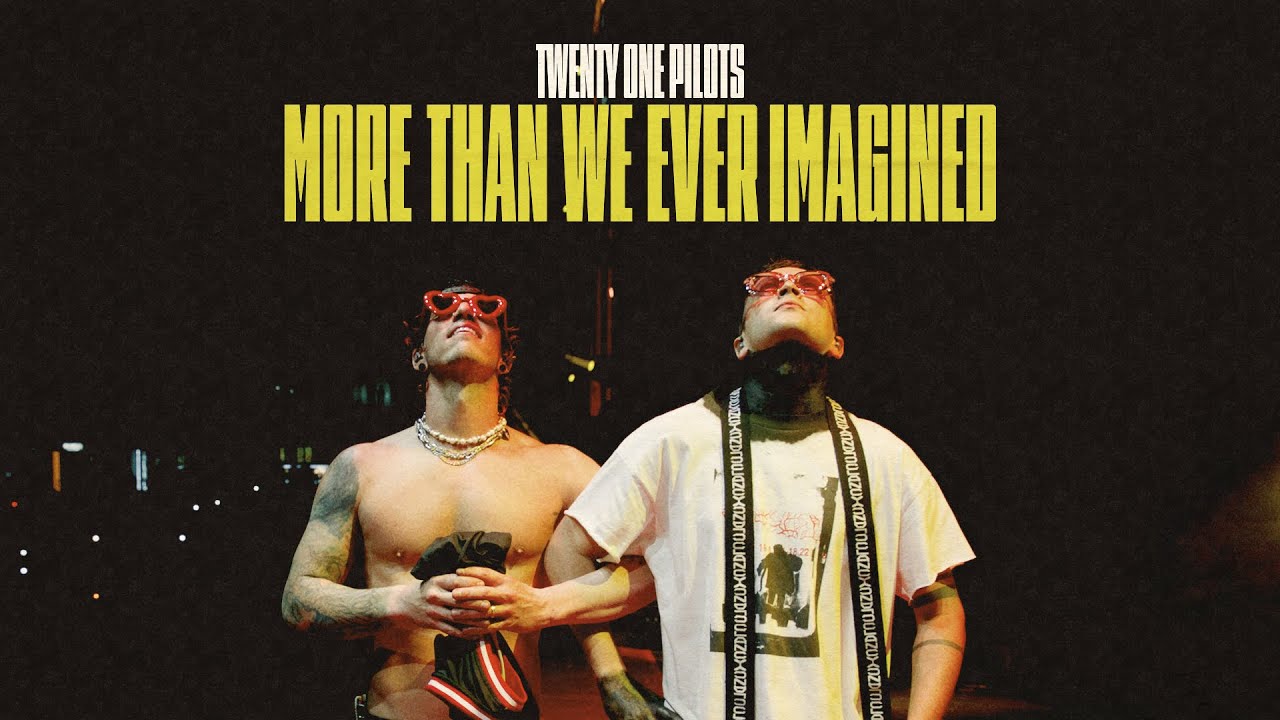
There’s something genuinely electric happening in the anticipation around Twenty One Pilots: More Than We Ever Imagined, and honestly, it’s not hard to understand why. When Trafalgar Releasing announced this documentary project, fans and casual observers alike perked up—because here’s a band that has spent nearly two decades building something genuinely unique, and now we’re about to see an intimate look at what goes into their world. This isn’t just another music doc destined for streaming algorithms; it’s a carefully curated cinematic experience that’s scheduled for theatrical release on 2026-02-25, and the filmmaking team behind it is taking that responsibility seriously.
Director Mark C Eshleman is bringing a perspective to this project that feels particularly thoughtful. Rather than opting for the typical concert-film formula we’ve seen countless times before, he’s framing this as something more expansive—a genuine exploration of what Twenty One Pilots means, both as a creative force and as a cultural phenomenon. The tagline alone tells you everything: “We have never captured a show quite like this.” That’s not hyperbole-laden marketing speak; that’s a genuine statement of intent. Eshleman seems committed to finding something new to say about a band that’s already had so much said about them.
The casting of Tyler Joseph, Josh Dun, and Tyler “Shap” Shapard as the central figures feels essential rather than obvious. Joseph and Dun are, of course, the heart and soul of Twenty One Pilots—the songwriting partnership and instrumental foundation that’s defined the project since its early days. But bringing Shap into the frame is where things get interesting. His presence suggests that Eshleman isn’t just interested in mythologizing the main duo; he’s examining the full ecosystem that supports their creative output. That’s a more nuanced documentary instinct than we might expect.
What makes this film particularly anticipated heading into 2026 is the broader question it’s asking at a specific cultural moment:
- How does a band this idiosyncratic maintain relevance and authenticity across two decades?
- What does it take to create music that speaks to millions without compromising artistic vision?
- How has their fanbase—one of the most dedicated in modern music—shaped and been shaped by their work?
- What does “never captured a show quite like this” actually mean in practical, creative terms?
These are the conversations that will likely define critical and audience response when the film releases early next year.
The runtime of 1 hour and 59 minutes is particularly worth noting. This is a full theatrical experience, not a condensed Netflix special or a quickie YouTube documentary. That suggests Eshleman has substantial material to work with and the confidence to let scenes breathe, to let moments have weight. For a band known for their theatrical live performances and conceptual depth, that kind of temporal commitment feels appropriate. You’re not squeezing Twenty One Pilots into a convenient format; you’re giving the film—and the band—the space they deserve.
There’s a meaningful difference between documenting what happens on stage and capturing why it matters to the people making it happen. Everything about this production suggests Eshleman understands that distinction.
What’s genuinely fascinating is how this documentary arrives at a particular inflection point in music cinema. We’ve moved beyond the era where music documentaries felt like ancillary products—bonus content for already-committed fans. Now, they’re increasingly seen as legitimate cinematic statements, worthy of theatrical distribution and serious critical consideration. The fact that Trafalgar Releasing—a company with real theatrical presence and credibility—is handling the distribution tells you that there’s genuine confidence in the film’s cinematic value beyond just the fandom factor.
The production’s “Coming Soon” status has only built anticipation, honestly. There’s no flooded market of behind-the-scenes footage or leaked rehearsal clips undermining the theatrical experience. Trafalgar seems committed to preserving the discovery element, which in 2026 feels almost quaint. That’s a respectful approach to both the filmmaking and the audience.
As for the 0.0/10 rating currently registered? That’s simply a function of the film not yet existing in a releasable state. Once Twenty One Pilots: More Than We Ever Imagined actually arrives on February 25, 2026, critics and audiences will have something substantive to evaluate. The blank slate is almost liberating—there’s no predetermined narrative about whether this “works” as a film. We’ll find that out together.
What feels most significant about this entire project is what it represents for documentary filmmaking in the music space. Directors like Eshleman are treating these films as artistic statements unto themselves, not just as supplementary material for musical careers. When Twenty One Pilots fans and cinema enthusiasts walk into theaters for this film, they’re not just seeing a concert document or a band biography. They’re engaging with a filmmaker’s interpretation of what this group means, filtered through his creative vision and sensibilities.
That’s the kind of thing that lingers long after the credits roll.