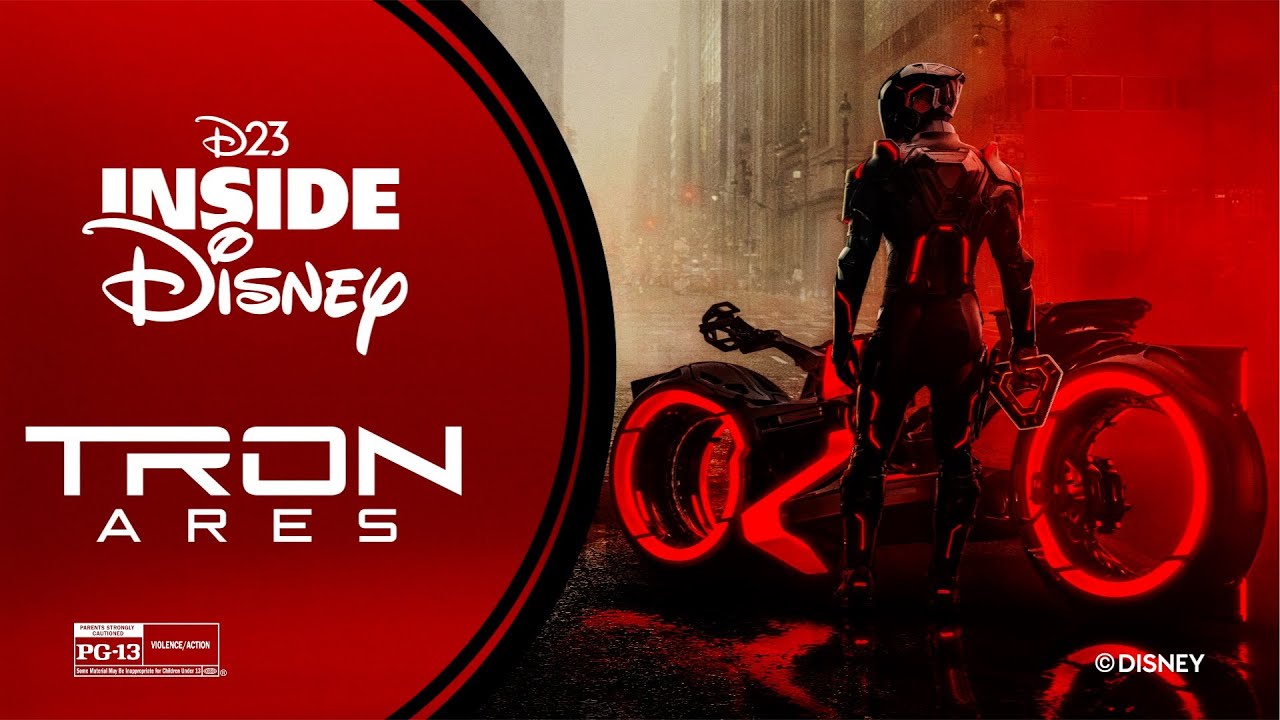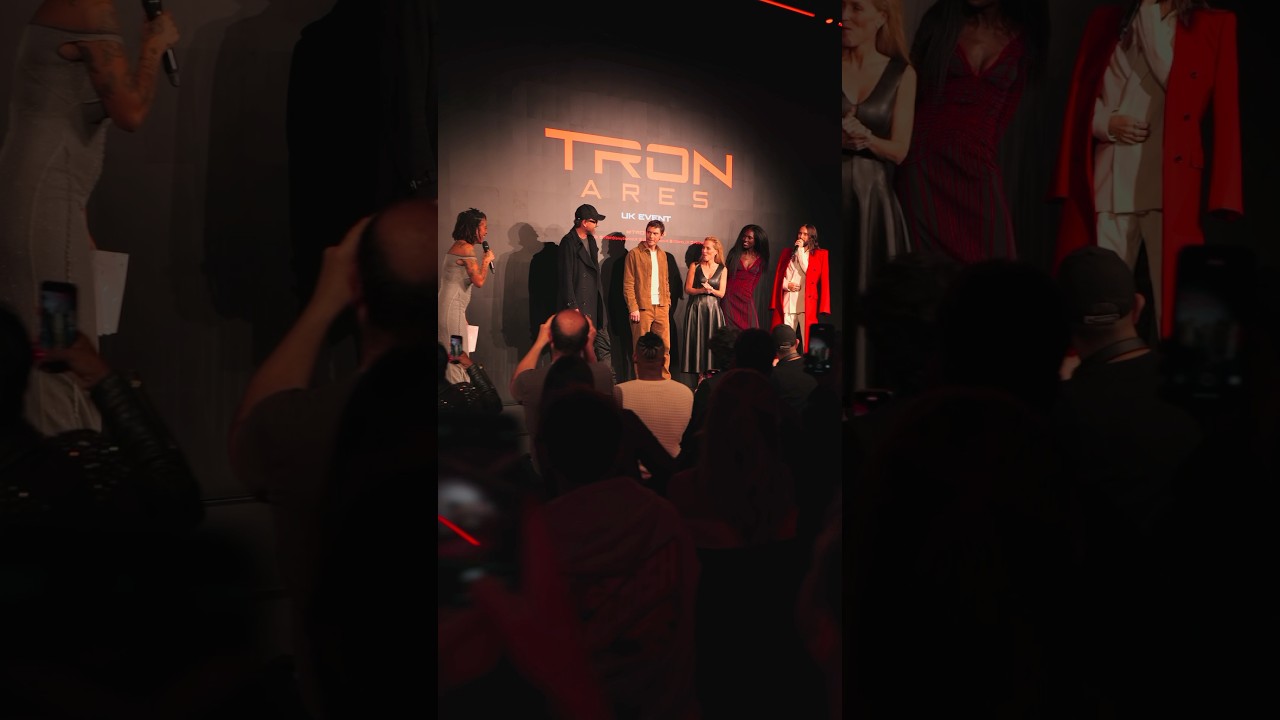
When TRON: Ares premiered in Los Angeles on October 6, 2025, and rolled out into theaters just days later, it arrived carrying the weight of legacy, expectation, and nearly a quarter-billion dollars in studio ambition. What unfolded was a fascinating case study in modern blockbuster filmmaking—a film that attempted to recapture the magic of a beloved franchise while charting new narrative territory, yet found itself at odds with both audiences and the bottom line.
Let’s address the elephant in the room: the financial reality. With a staggering $220 million budget and a final domestic haul of $142.2 million globally, TRON: Ares didn’t connect the way Disney had hoped. That opening weekend disappointment—a $33.5 million domestic debut when projections suggested stronger numbers—signaled that audiences weren’t as hungry for this particular return to the Grid as the studio had anticipated. But here’s the thing worth discussing: financial underperformance doesn’t necessarily equal creative irrelevance.
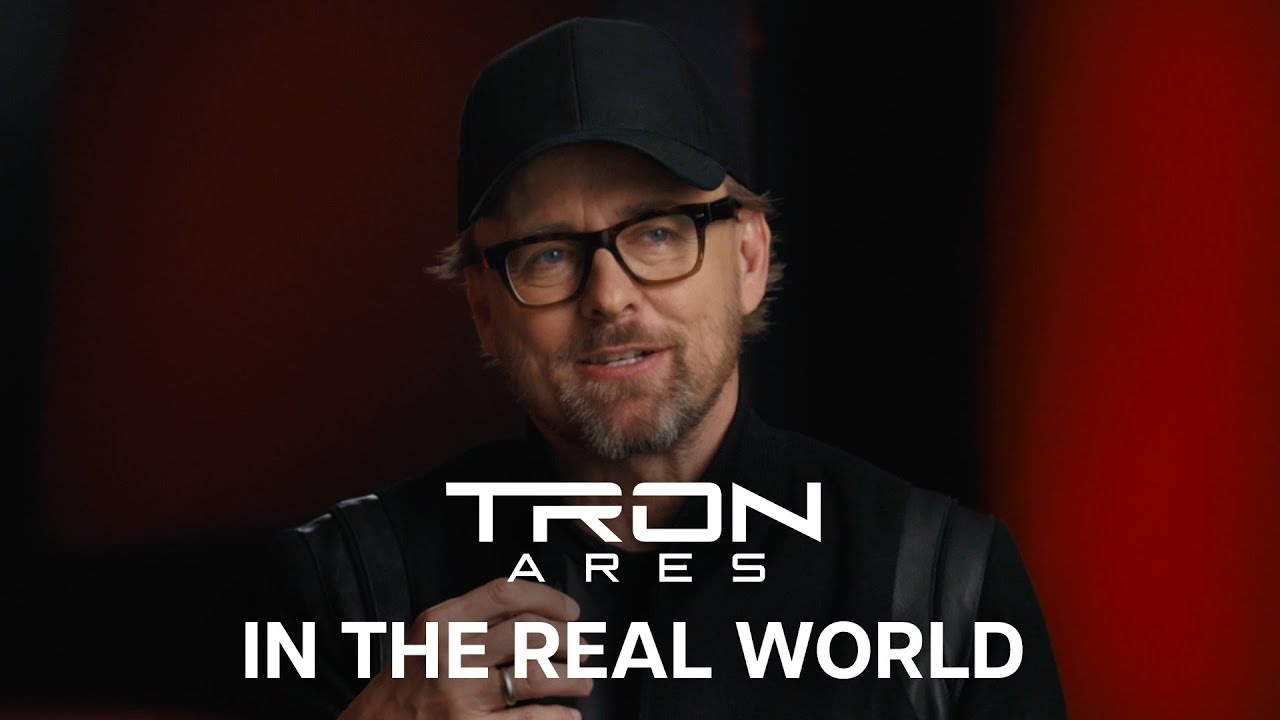
What makes TRON: Ares significant isn’t that it succeeded at the box office, but rather what it reveals about where franchise cinema stands in 2025. Director Joachim Rønning brought his distinctive visual sensibility to this project—a filmmaker known for balancing intimate human storytelling within sprawling action spectacles. His approach to the material suggested something more introspective than a typical sequel might offer, and that artistic ambition is worth examining.
The tension between commercial expectations and creative vision defines much of this film’s legacy. It’s a reminder that not every big-budget effort needs to become a franchise tentpole success story to matter.
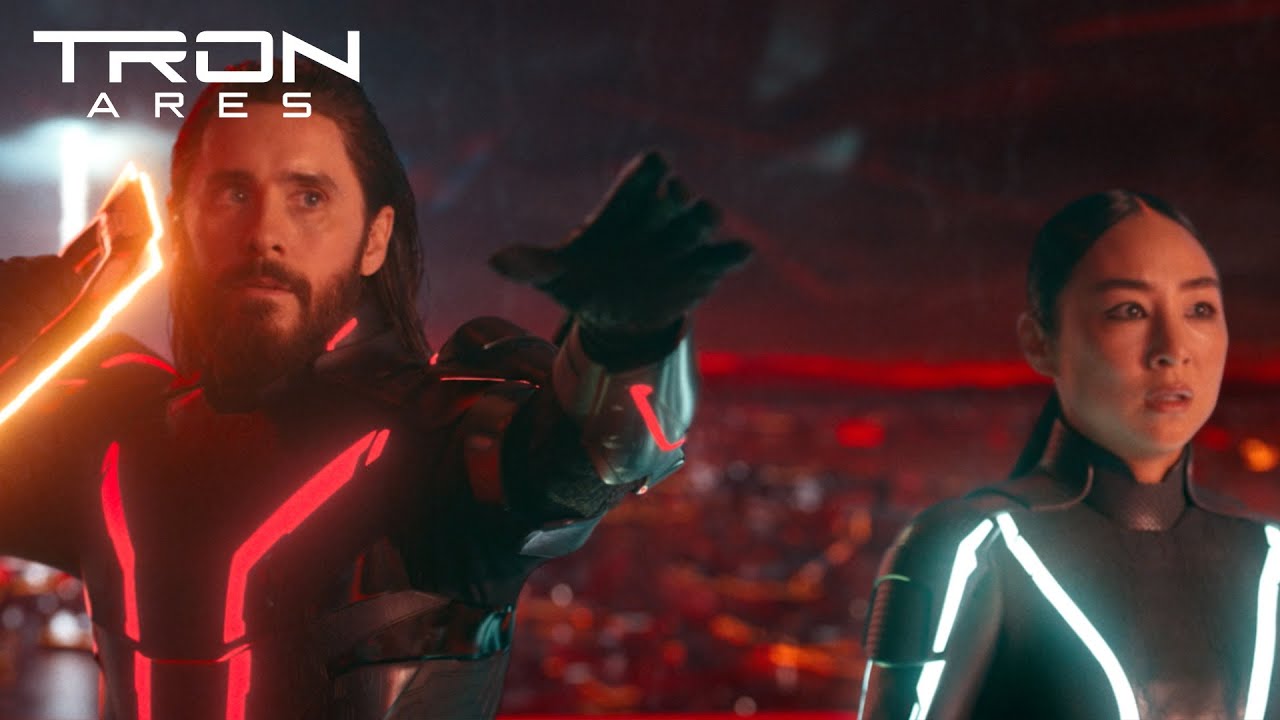
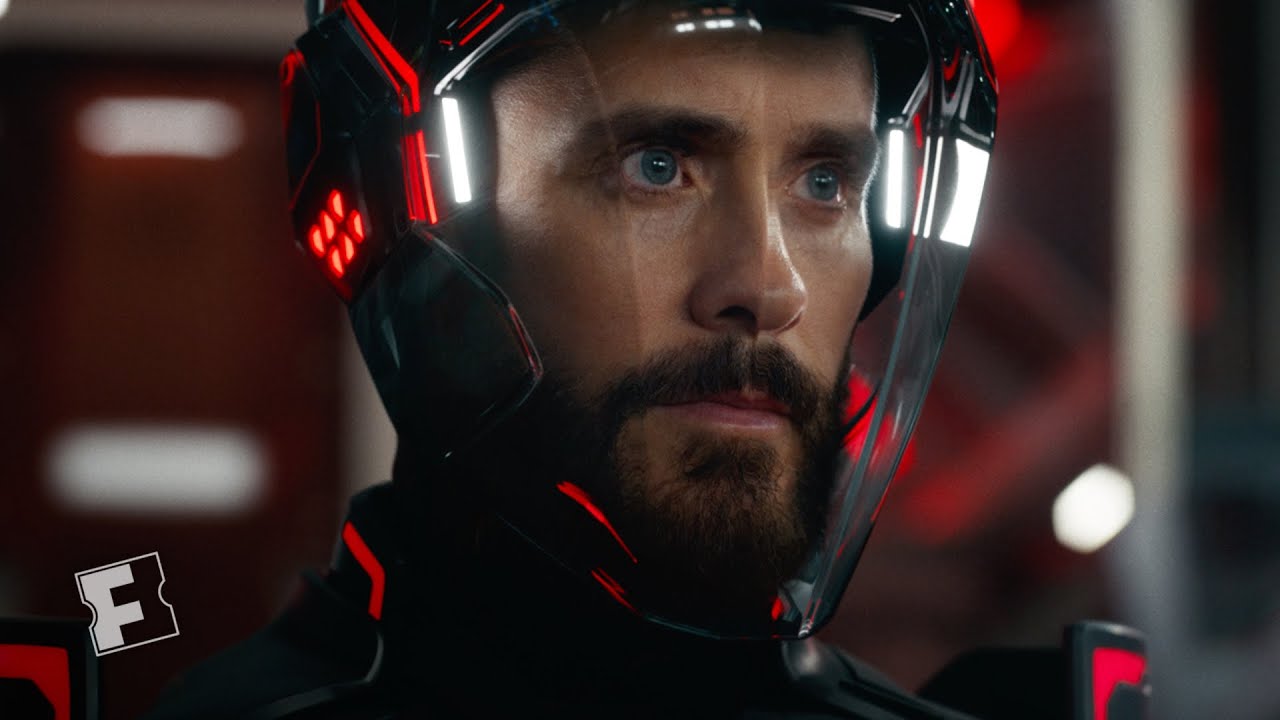
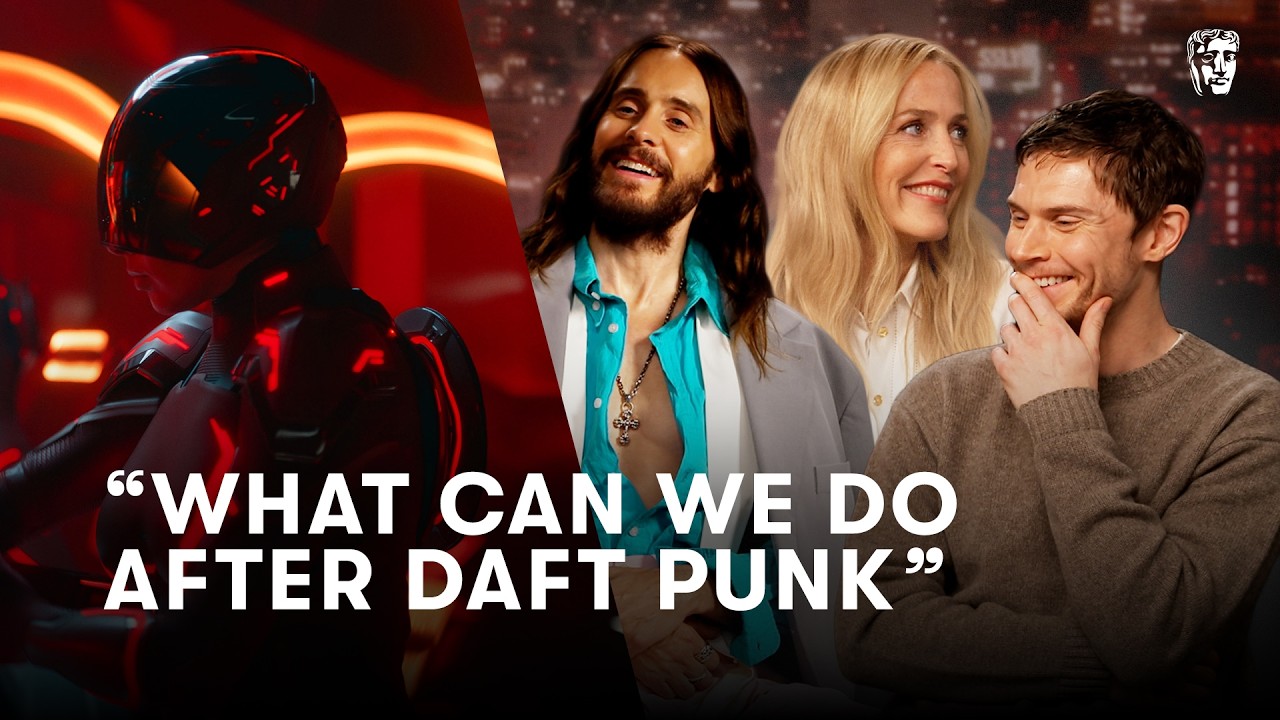
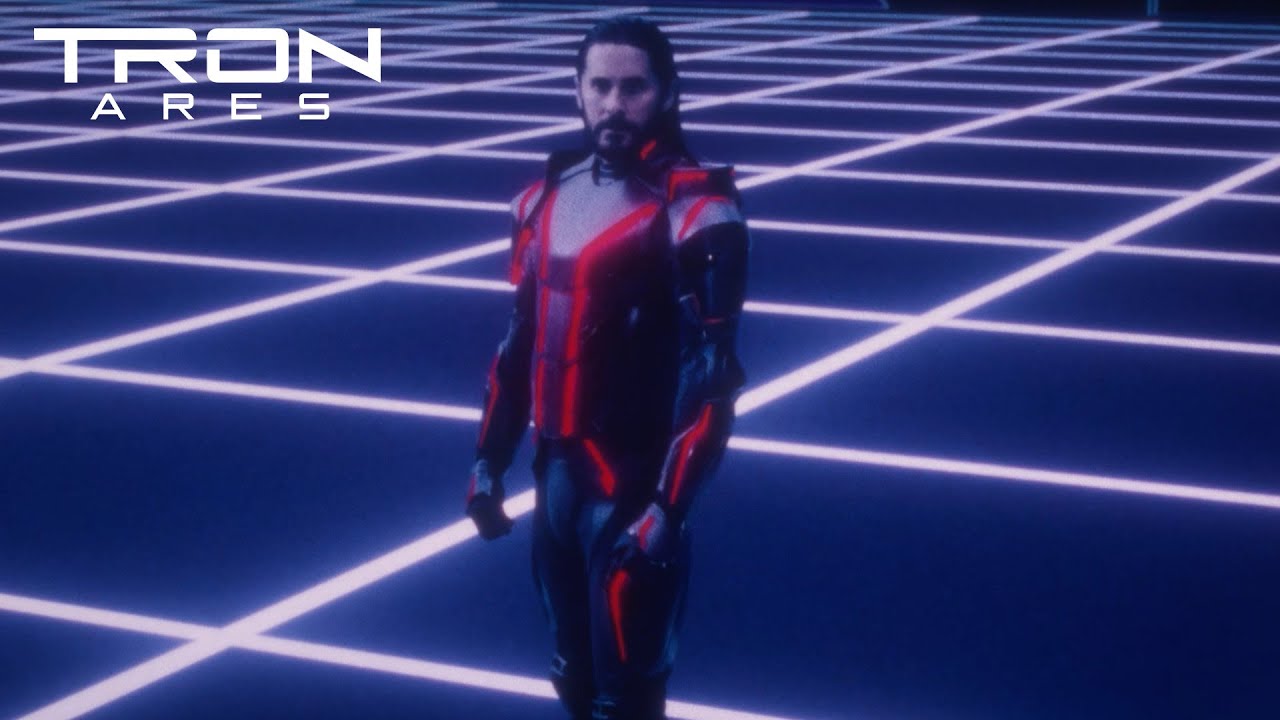
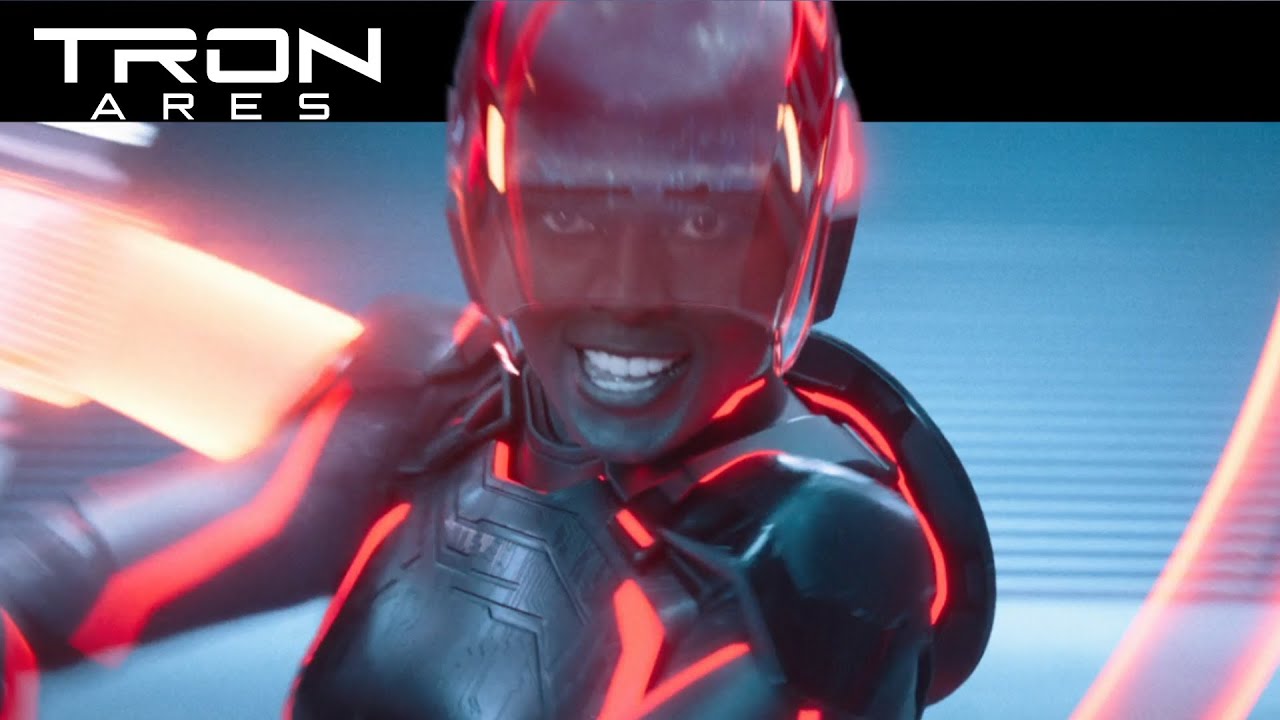
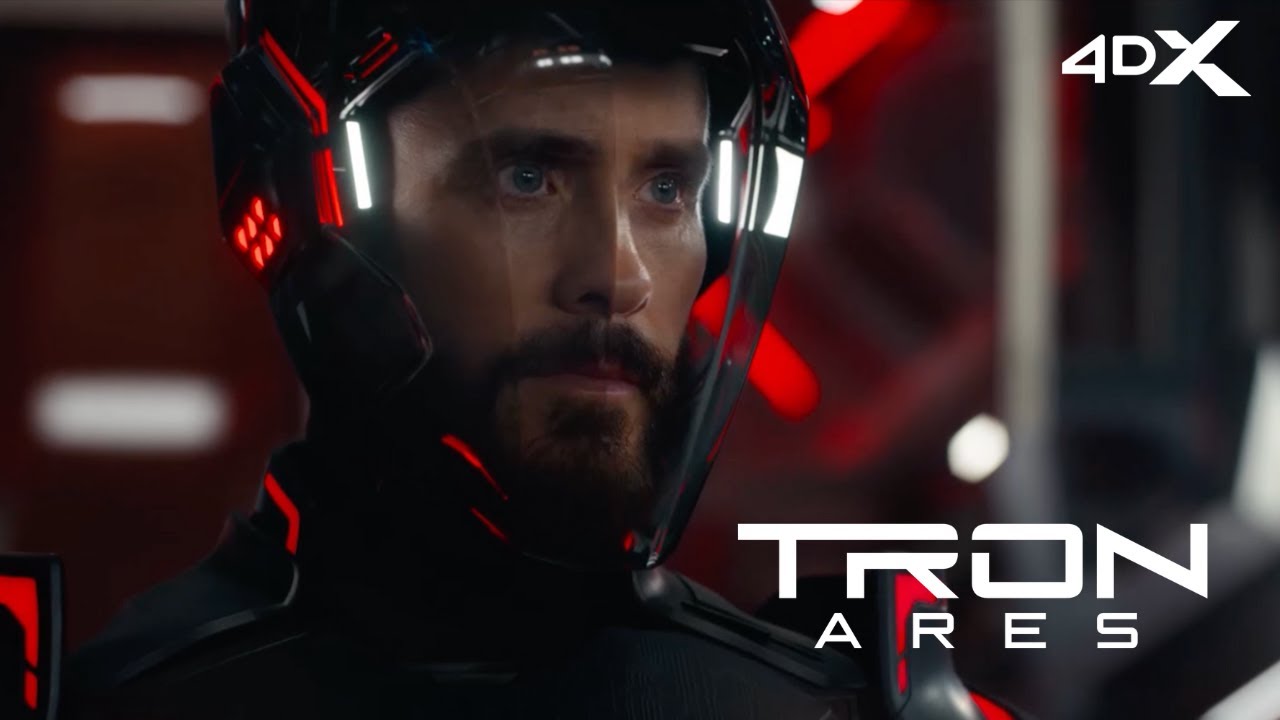
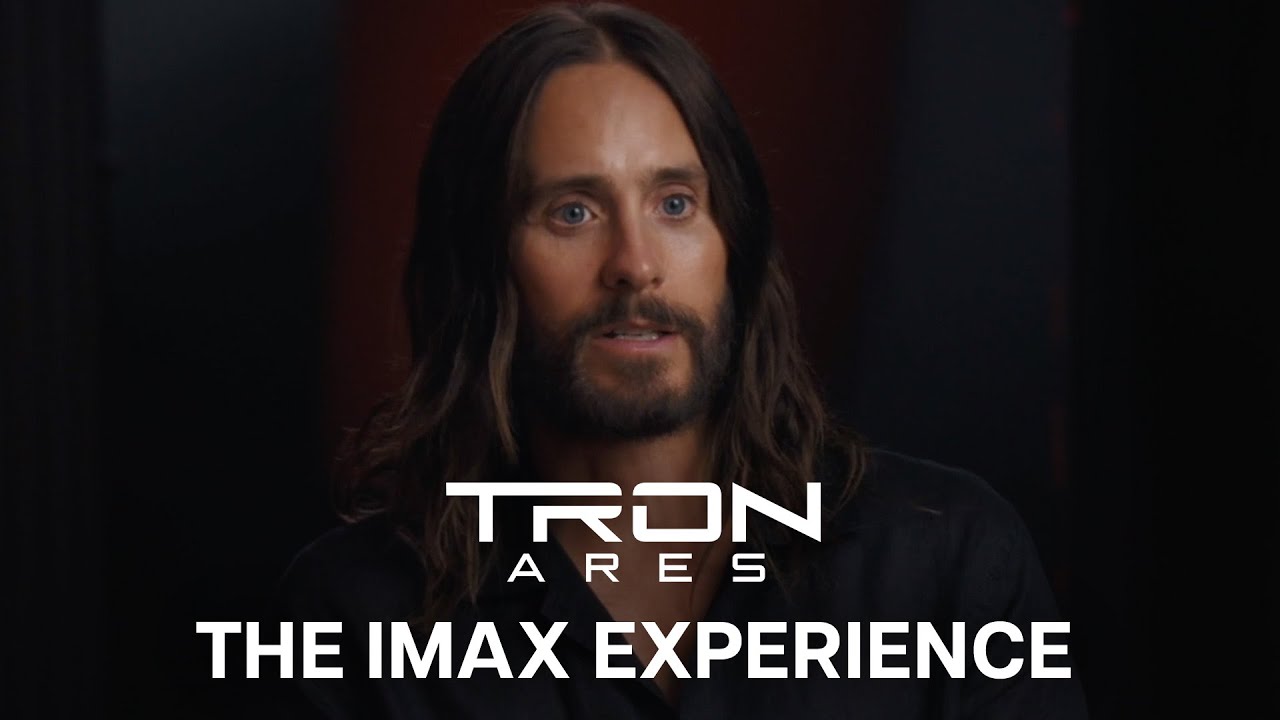
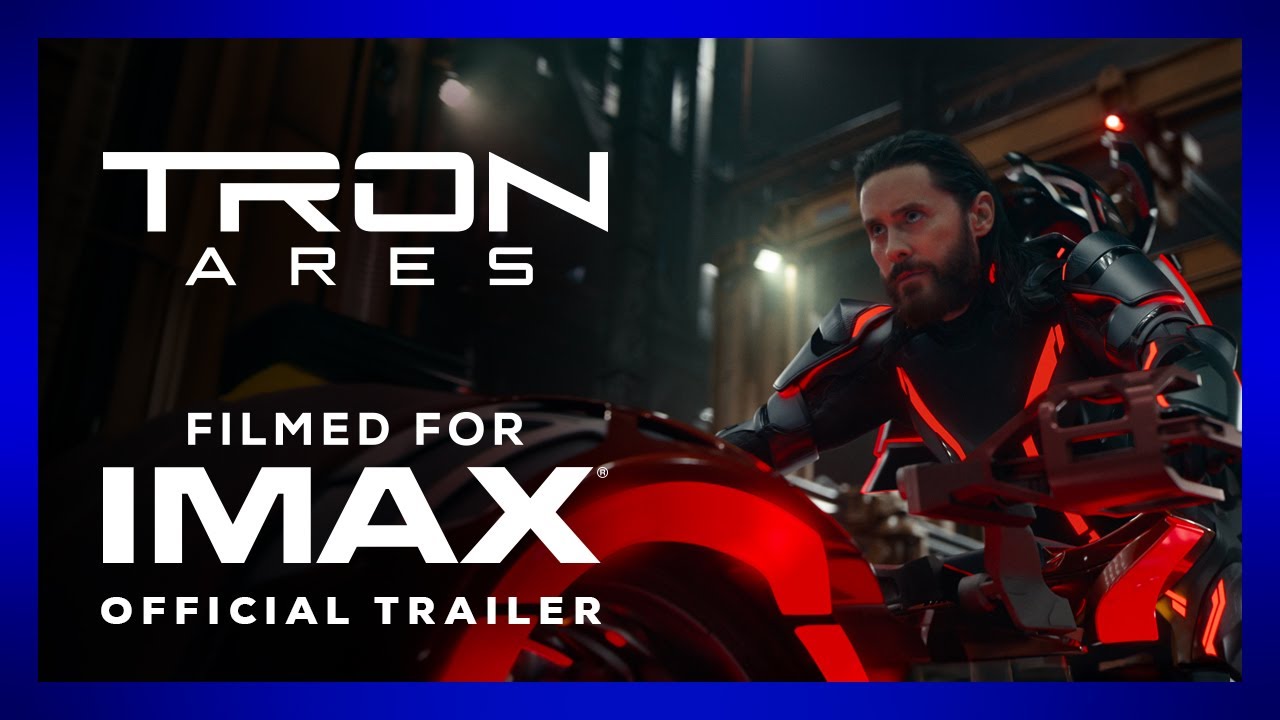
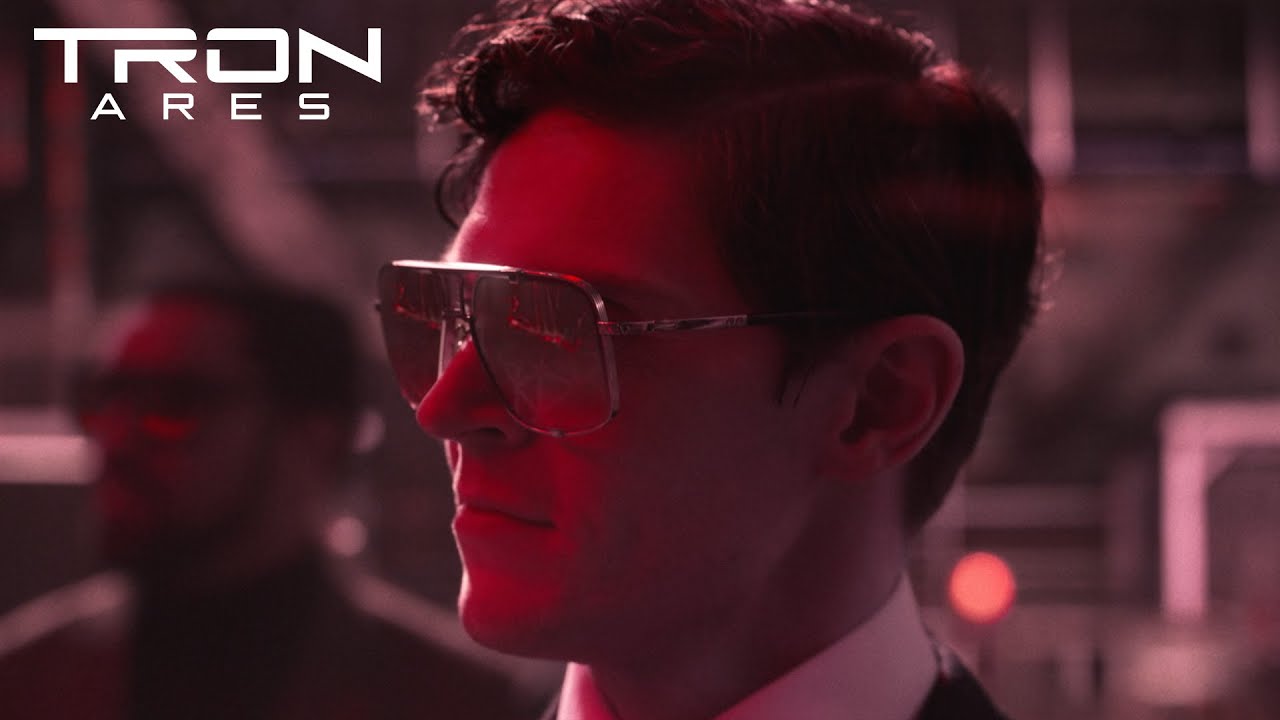
The casting choices reveal Rønning’s intent to ground the film in genuine character work. Jared Leto carries the narrative weight, supported by Greta Lee and Evan Peters—three actors capable of bringing complexity to what could have been one-dimensional roles. Their performances in a 1h 59m runtime suggests Rønning was economical with storytelling, prioritizing narrative momentum while still carving space for character development.
Here’s what the critical reception (a 6.5/10 from viewers) tells us about the film’s actual impact:
- Mixed reactions from audiences who appreciated the visual ambition but found the story uneven
- Recognition of strong performances that elevated material that might otherwise feel formulaic
- Acknowledgment of Rønning’s directorial fingerprints throughout the action sequences
- Divided opinions on whether legacy franchises should continue versus letting them rest
The real cultural conversation around TRON: Ares centers on generational nostalgia versus creative reinvention. The franchise built its identity on visual innovation and philosophical inquiry wrapped in neon-soaked action. When Rønning returned to this world, he was inheriting both massive expectations and rigid expectations. The tagline—“No going back”—signals an intent to move forward, yet the very nature of sequels demands callbacks and character returns that can feel contradictory to that promise.
What’s worth considering is how TRON: Ares influenced conversations within Hollywood studios. Its underperformance raised legitimate questions about franchise saturation and audience fatigue with legacy sequels. In an industry obsessed with IP mining, this film became a cautionary tale—one that might actually inform better decision-making going forward. Studios might look at TRON: Ares and ask themselves harder questions about why they’re making sequels, rather than simply assuming existing brand recognition guarantees audience turnout.
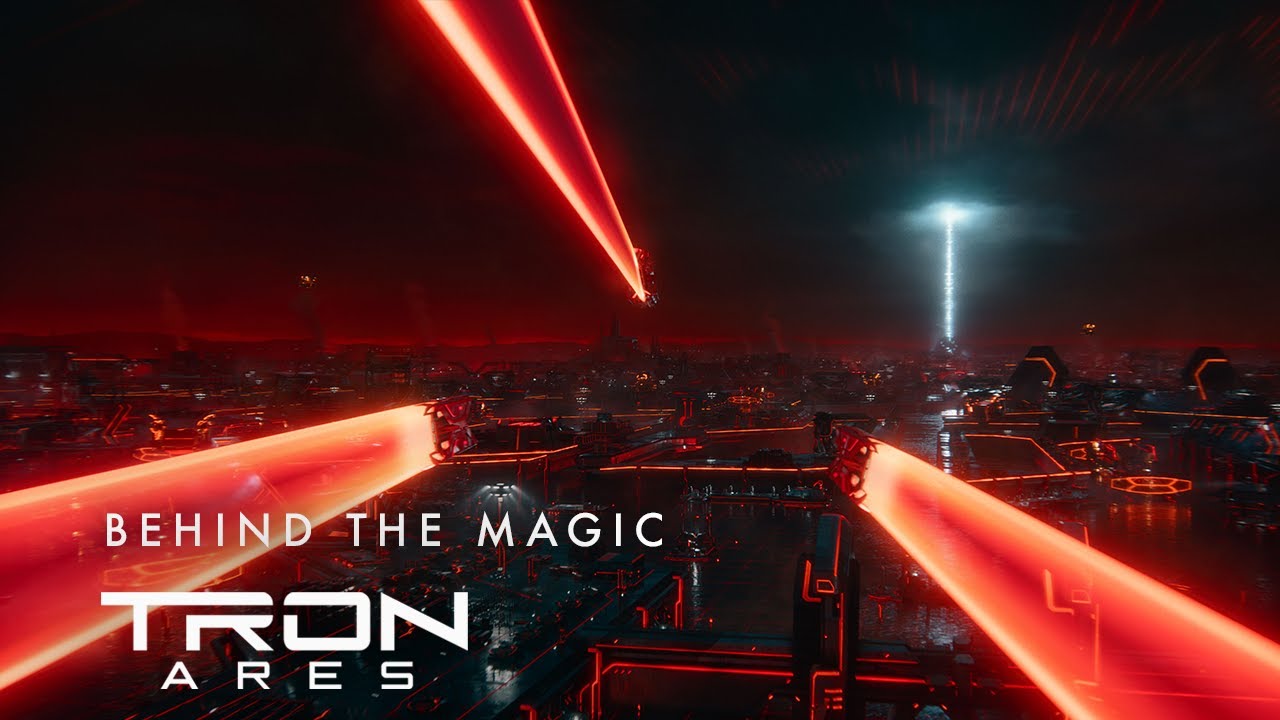
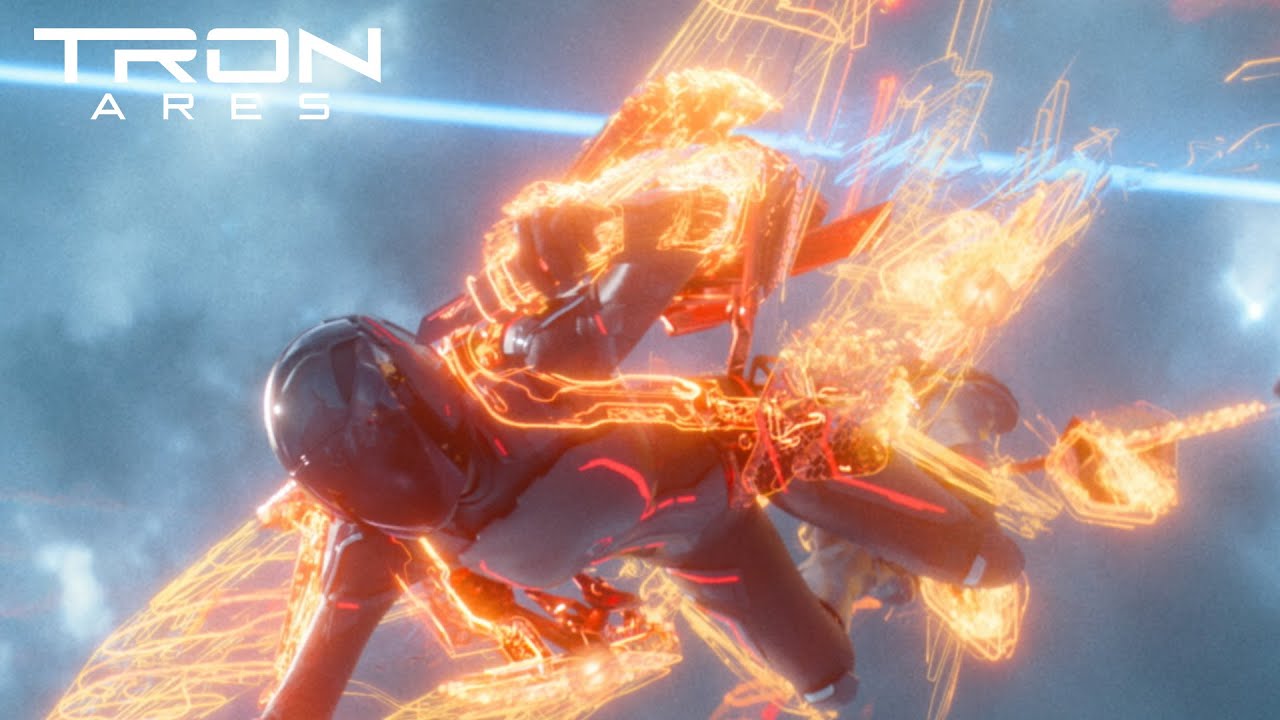
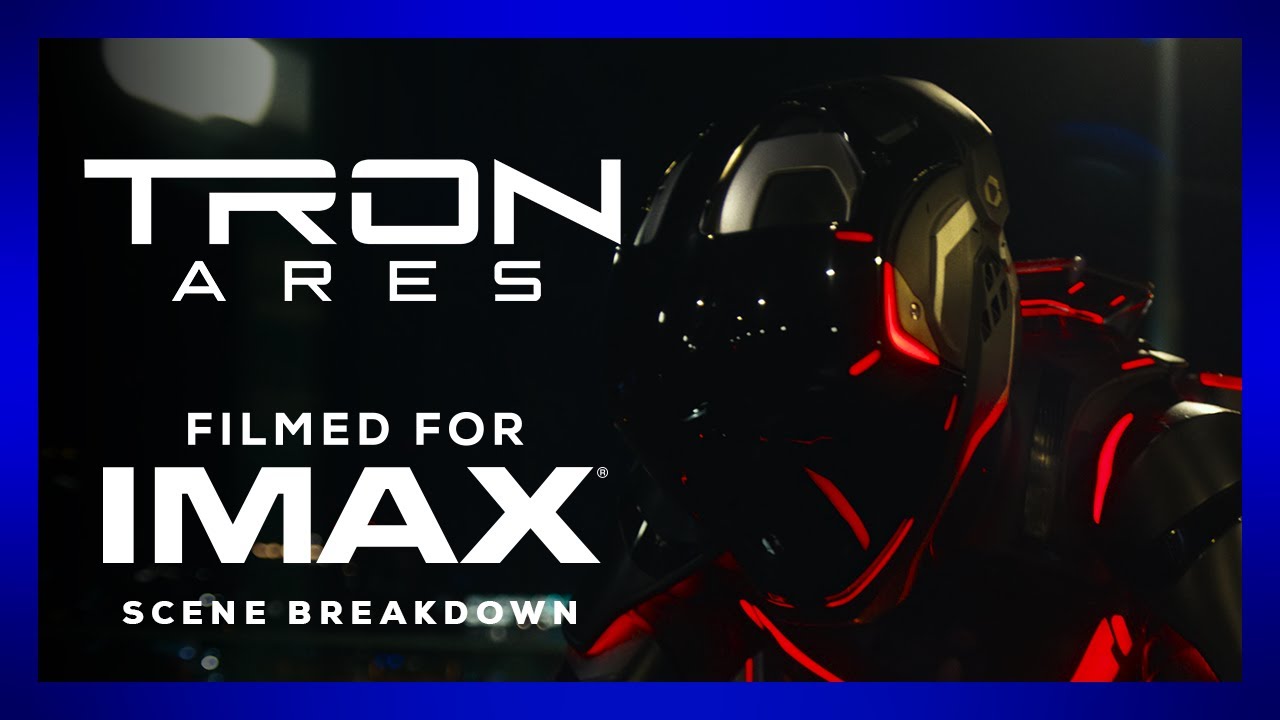
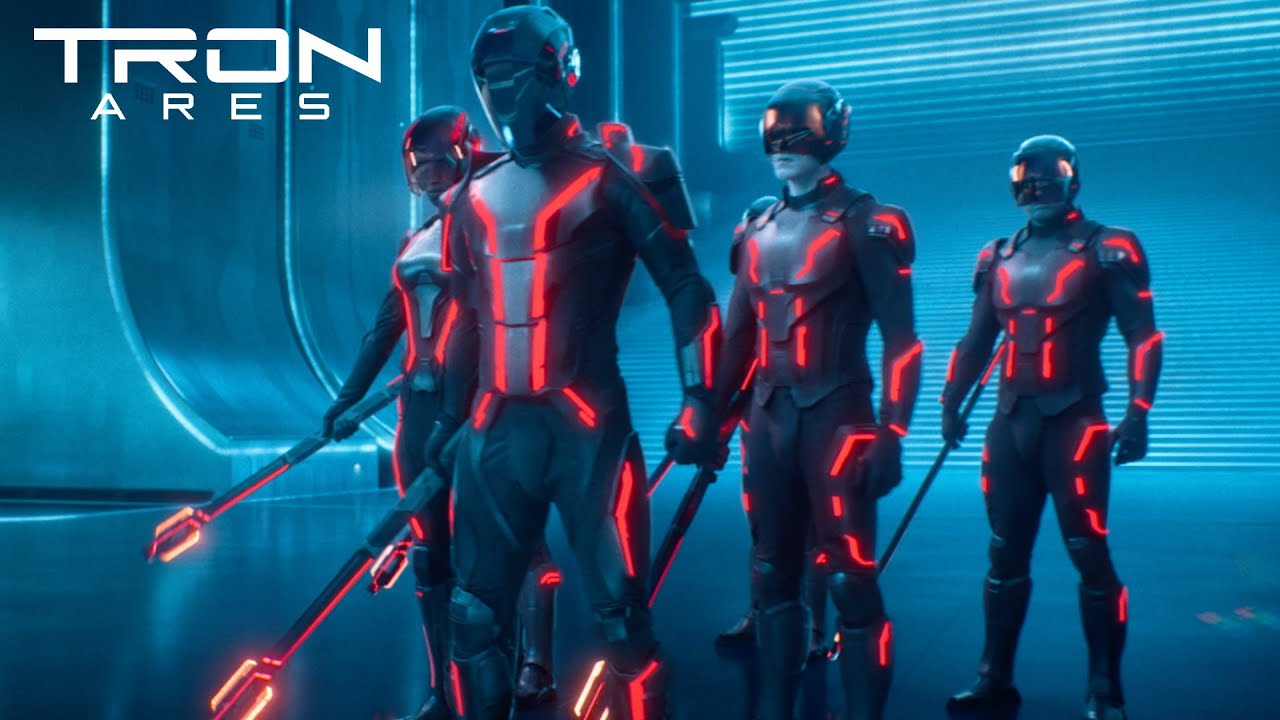
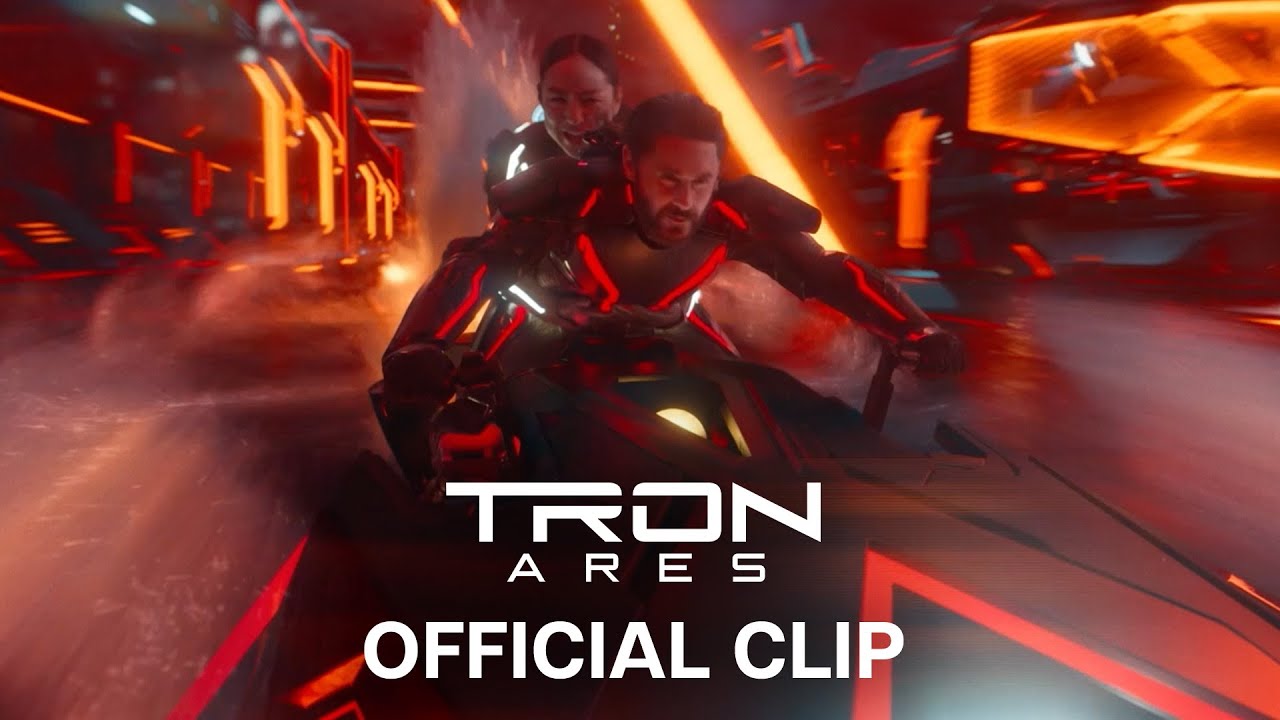
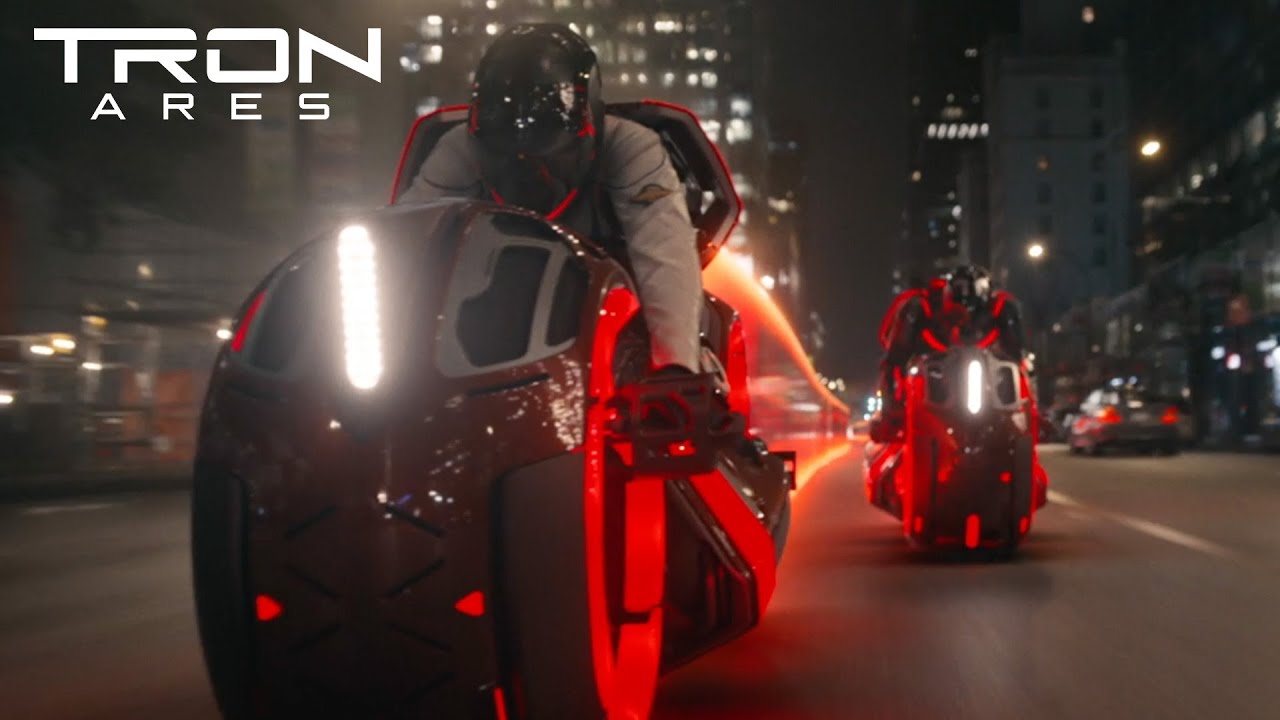
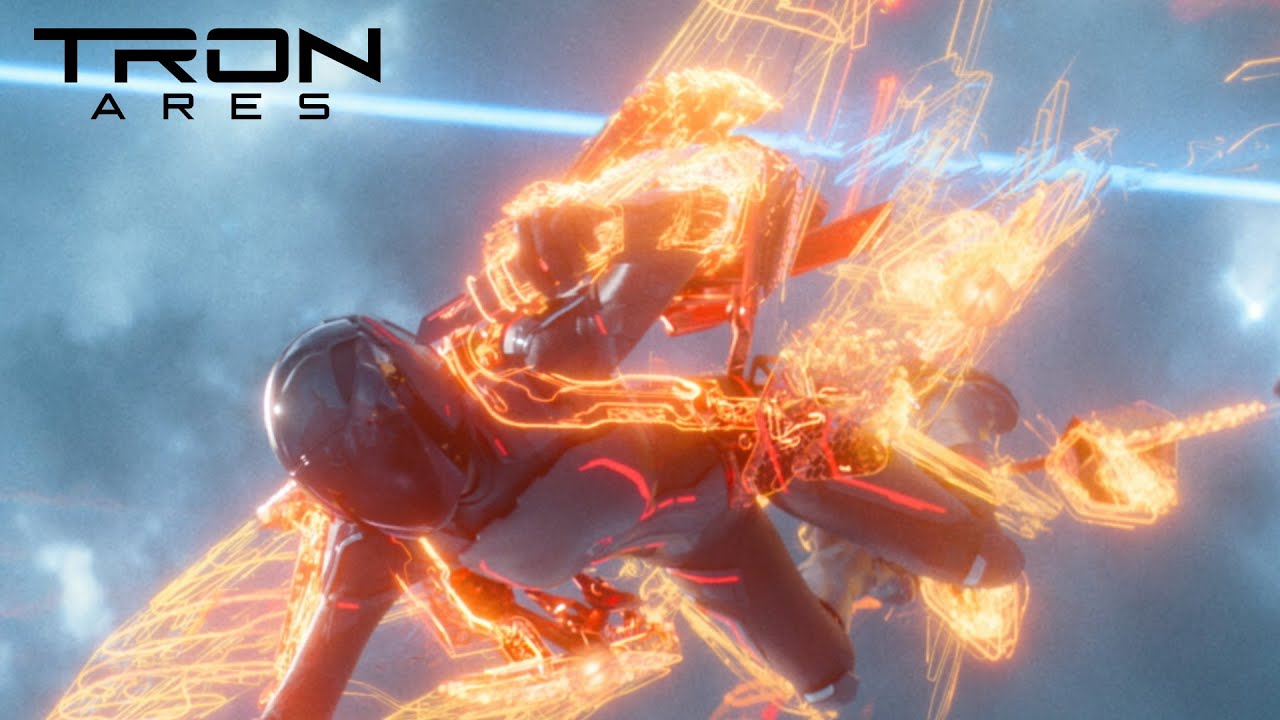
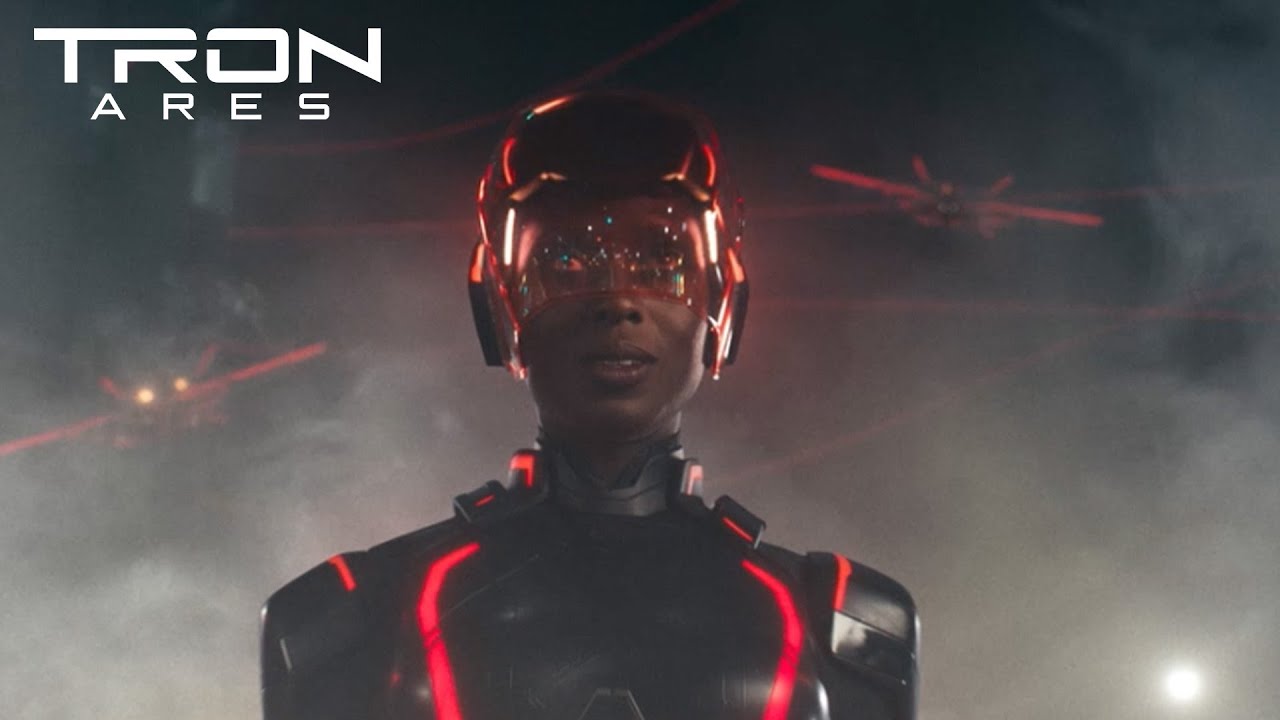
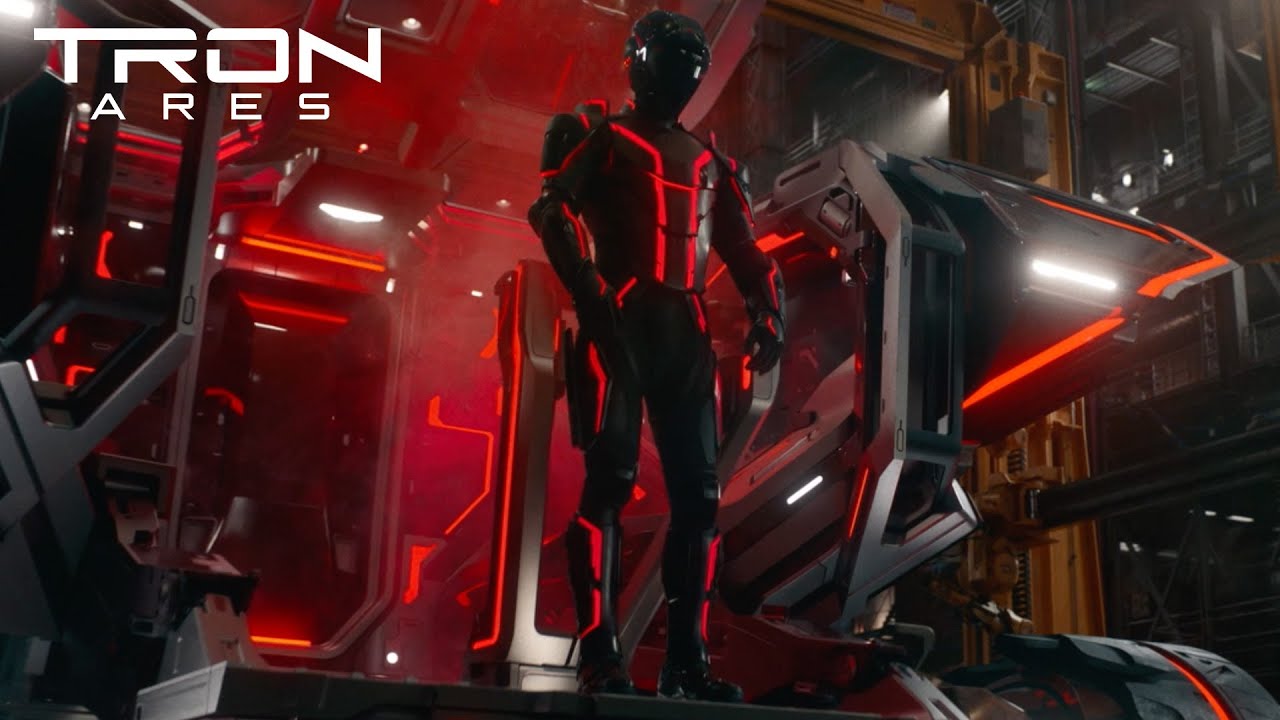
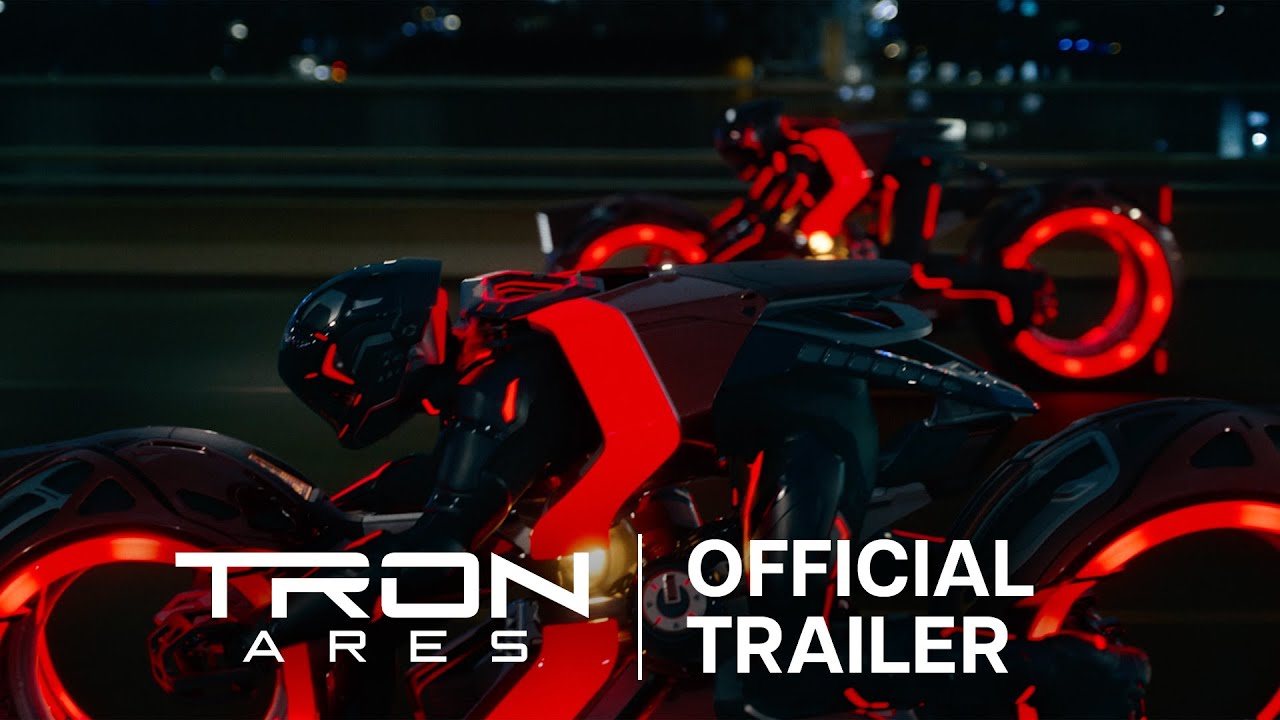
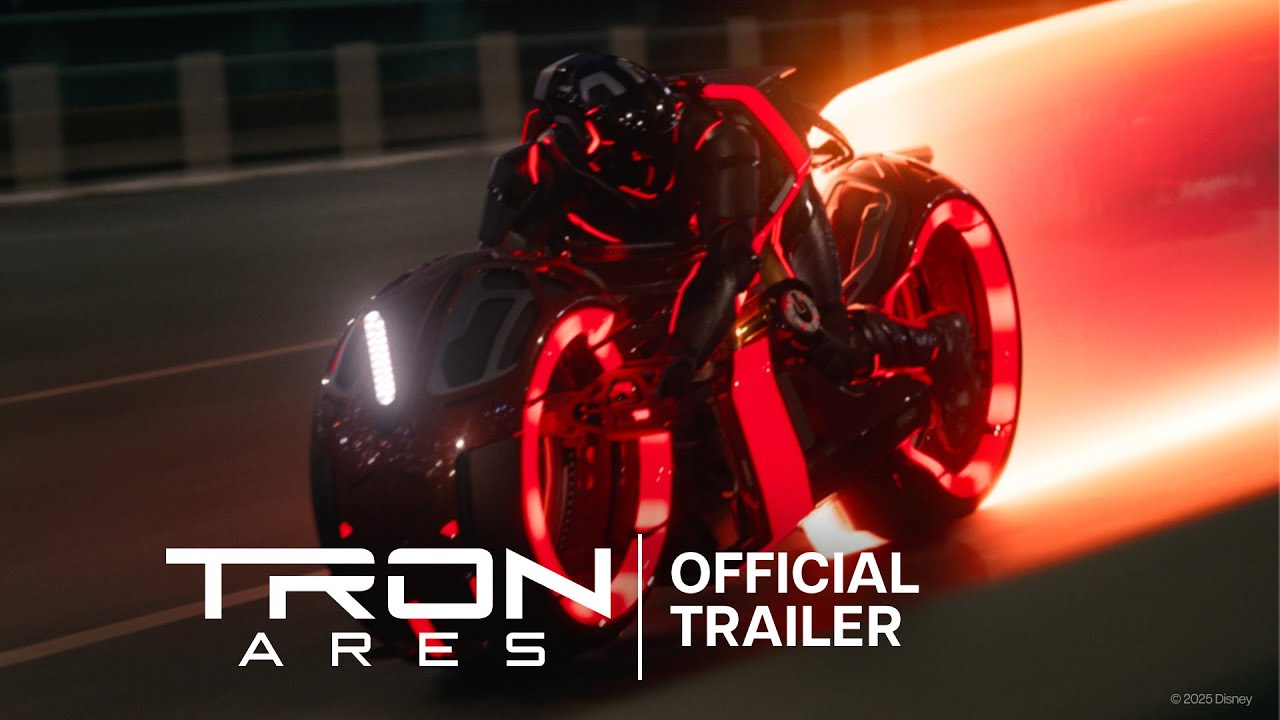
The collaborative effort between Walt Disney Pictures, Sean Bailey Productions, and Rønning’s creative team produced something technically accomplished even if narratively complicated. The production values were clearly enormous—that budget didn’t disappear into thin air. It’s visible on screen in the production design, visual effects, and scope of action sequences. The problem wasn’t execution; it was perhaps recalibration of what audiences wanted from this particular universe in 2025.
Legacy-wise, TRON: Ares will likely be remembered as a inflection point for how studios approach established franchises. Its modest critical reception combined with its box office stumble created a cultural moment worth examining. In five years, this film may be studied not for what it achieved, but for what it taught an industry about the limits of nostalgia-driven cinema.
The film remains relevant precisely because it didn’t become the runaway hit Disney envisioned. It’s a genuinely interesting failure—one made with craft and intention, populated by capable actors, helmed by a director with a distinct vision. Sometimes those are the films that stick with us longest, not because they succeeded brilliantly, but because they failed interestingly. That’s worth something in cinema, even if the balance sheet disagrees.