When Troll 2 was released in late November 2025, nobody quite expected it to become the phenomenon it did. Here was a Norwegian creature feature with a modest $11.2 million budget, directed by Roar Uthaug, arriving on Netflix with the kind of understated confidence that often precedes something genuinely special. Within weeks, the film had dominated global streaming charts, claiming the number-one spot for non-English films and fundamentally reshaping how audiences engage with international monster cinema. What’s remarkable isn’t just that it found an audience—it’s that it proved something the industry had been quietly doubting: that audiences worldwide were hungry for sophisticated, culturally rooted genre storytelling that didn’t apologize for its origins.
The film itself operates within a deceptively simple framework. At just 1 hour and 45 minutes, Troll 2 moves with remarkable efficiency, prioritizing narrative momentum and genuine scares over bloated exposition. This lean runtime becomes one of its greatest strengths, forcing Uthaug and his team to make every scene count. There’s no fat here, no lingering on setup when the mythology can unfold through action and visual storytelling. The screenplay respects its audience’s intelligence while never demanding they’ve seen the original film—a delicate balance that many sequels miss entirely.
What made this collaboration between Ine Marie Wilmann, Kim S. Falck-Jørgensen, Mads Sjøgård Pettersen, and the rest of the ensemble particularly effective was how grounded their performances felt against the fantastical elements surrounding them. These aren’t actors chewing scenery or winking at the camera. They inhabit their roles with the kind of emotional authenticity that makes audiences care whether these characters survive their encounters with the mythological forces hunting them. Wilmann, in particular, brought a weathered determination to her role that elevated the material beyond typical action-thriller fare.
> The film’s critical reception—a 6.5/10 across 367 votes—tells an interesting story about where critical consensus has shifted. This wasn’t the kind of universally acclaimed masterpiece that dominates prestige circuits, yet it resonated with audiences in ways that traditional critical metrics sometimes struggle to capture.
The cultural impact became impossible to ignore as the weeks progressed. By early December 2025, Troll 2 had topped Netflix’s global rankings for two consecutive weeks, a feat that speaks volumes about its cross-cultural appeal. More importantly, the film’s success triggered a resurgence in viewership for the original Troll, creating a virtuous cycle that proved audiences wanted to engage deeply with this mythology. This wasn’t a one-off viral moment—it was sustained, global, genuine enthusiasm.
What makes Troll 2‘s significance transcend its box office performance (which remains undisclosed but clearly substantial given its streaming dominance) is what it represents for the future of international genre cinema:
Cultural authenticity matters: The film’s Norwegian roots and mythology aren’t window dressing; they’re central to what makes it distinctive in a landscape saturated with American and European monster franchises.
Direct-to-streaming can carry blockbuster ambitions: The $11.2 million budget, modest by Hollywood standards, didn’t limit ambition—it forced creative problem-solving that resulted in a tighter, more effective film.
Global audiences transcend language barriers: Streaming’s removal of traditional distribution hurdles meant that a film made by Norwegians about Norwegian mythology could immediately reach millions of viewers worldwide.
Sequels can expand rather than repeat: Rather than simply replicating what worked in the original, Troll 2 extended the mythology while introducing new stakes and characters.
The legacy of Troll 2 will likely extend far beyond its runtime and box office numbers. It’s already influencing how studios think about international content, how Netflix prioritizes non-English films in their marketing, and how filmmakers from smaller markets approach global storytelling. Uthaug proved that you don’t need Hollywood-sized budgets or English-language dialogue to dominate the cultural conversation. You need clarity of vision, respect for your audience, and the willingness to tell stories rooted in genuine cultural mythology.
Looking back from any vantage point beyond 2025, Troll 2 emerges as one of those films that marked a turning point—not because it reinvented cinema, but because it demonstrated what cinema could be when unburdened by the assumption that “international” automatically means “niche.” It was a Norwegian film about Norse mythology that became a global phenomenon, and in doing so, it quietly expanded what we all thought was possible in genre filmmaking. That’s the kind of cultural work that matters far more than any single rating or box office figure could possibly capture.


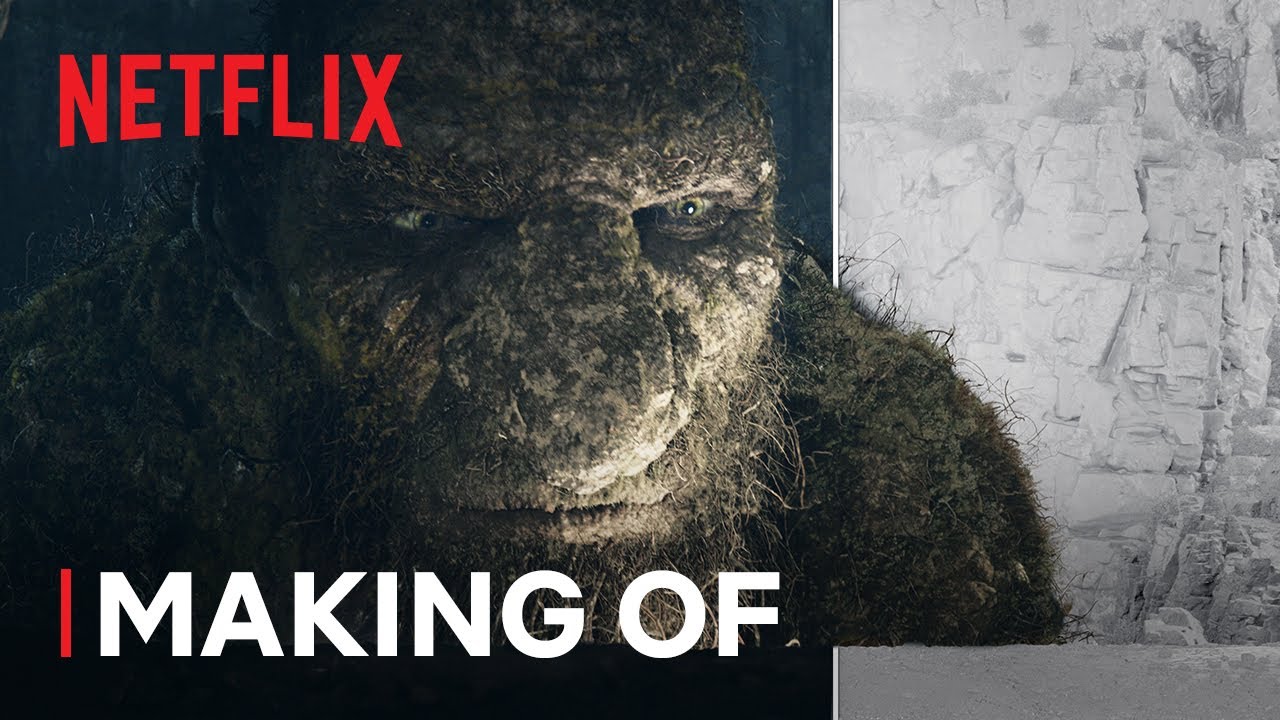
![Official Trailer [Subtitled]](https://img.youtube.com/vi/Hzk4ovnGOyw/maxresdefault.jpg)
![Official Teaser [Subtitled]](https://img.youtube.com/vi/HF3NFXPcYRg/maxresdefault.jpg)
![Official Clip [Subtitled]](https://img.youtube.com/vi/fwgcT_sTOj8/maxresdefault.jpg)