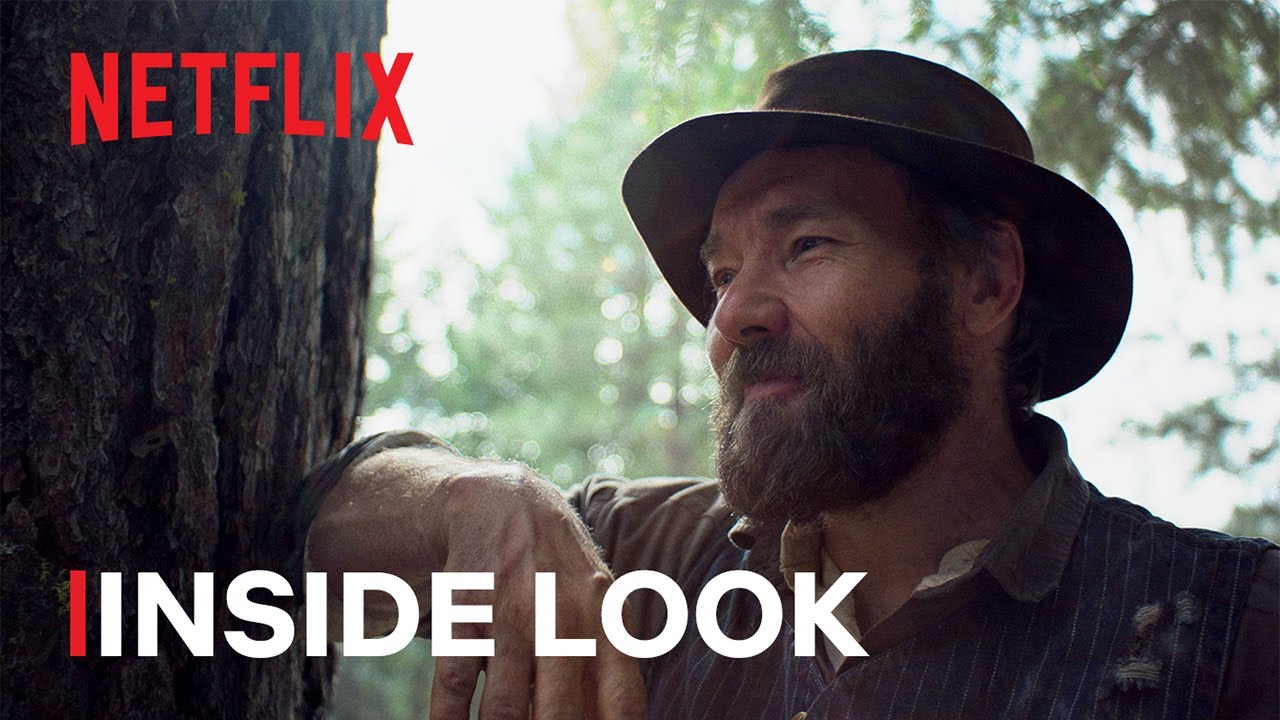
When Train Dreams was released in November 2025, it arrived quietly—a modest drama backed by a $10 million budget, the kind of film that could’ve easily disappeared into the streaming void. Instead, what Clint Bentley crafted became something far more resonant: a meditation on time, loss, and the relentless march of progress that somehow found its audience and wouldn’t let go. This isn’t a story about a film that conquered the box office or dominated multiplexes. It’s a story about a film that mattered precisely because it understood what cinema can do when it trusts its audience and stays true to its vision.
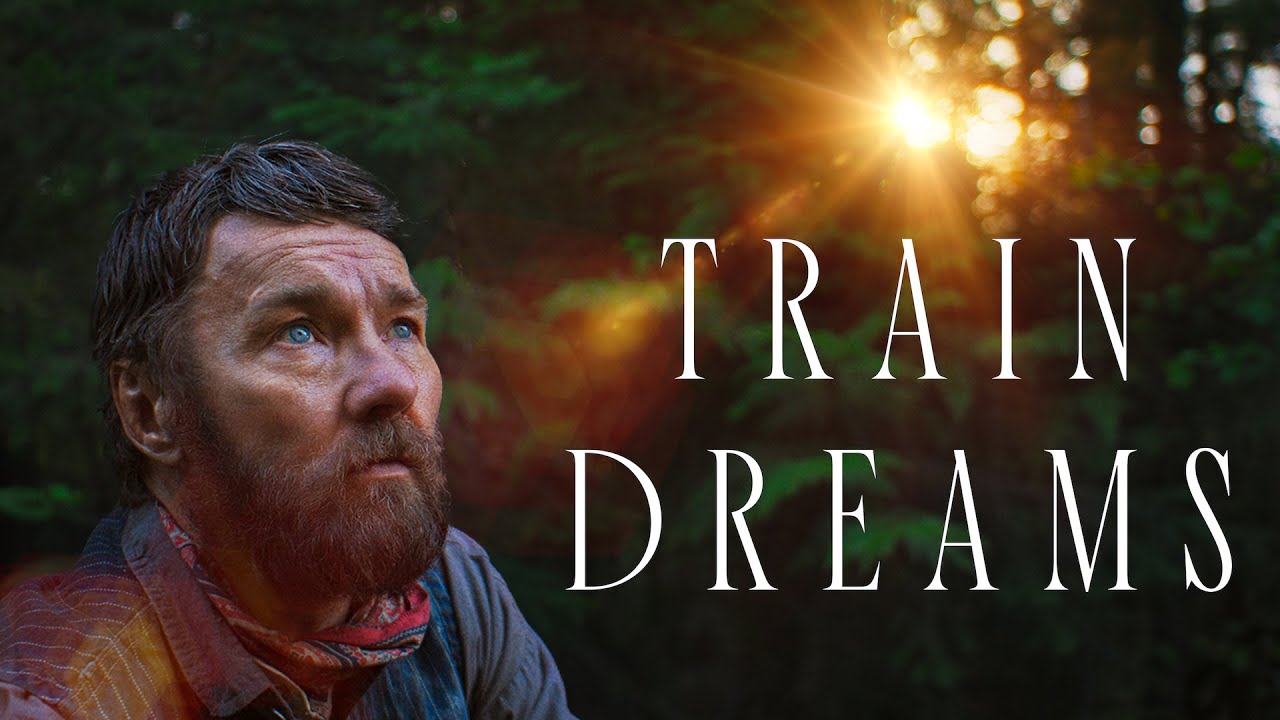
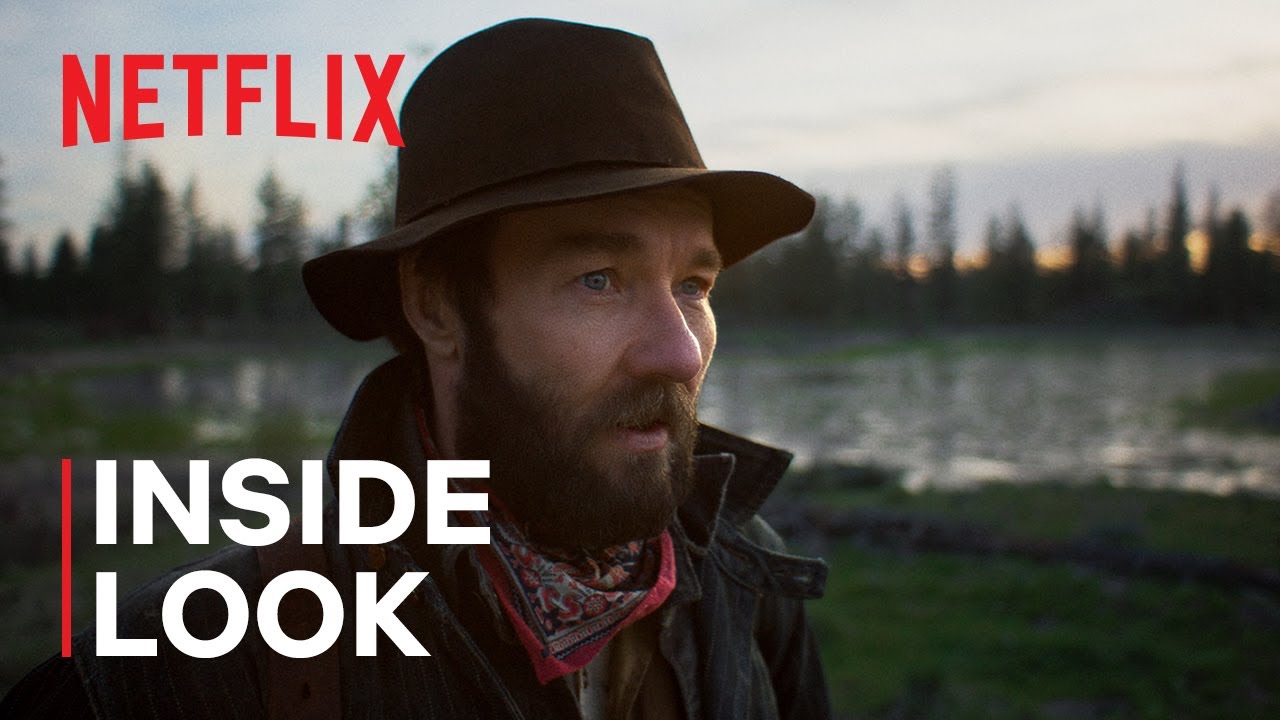
Bentley’s direction operates in a register of quiet devastation. Within its lean 102-minute runtime, Train Dreams accomplishes what many two-and-a-half-hour epics struggle with: it creates an entire world and asks us to reckon with its impermanence. The tagline—”History moves on”—isn’t hyperbole; it’s the film’s central thesis, delivered not through exposition but through images and silences. Working with cinematographer Adolpho Veloso, Bentley constructs a visual language that feels both intimate and expansive, capturing landscapes that seem indifferent to the human dramas unfolding within them.
The ensemble cast carries the emotional weight with understated precision:
- Joel Edgerton delivers what would become a career-defining performance, bringing a weathered interiority to his role—a man watching the world transform around him while he remains fixed in place
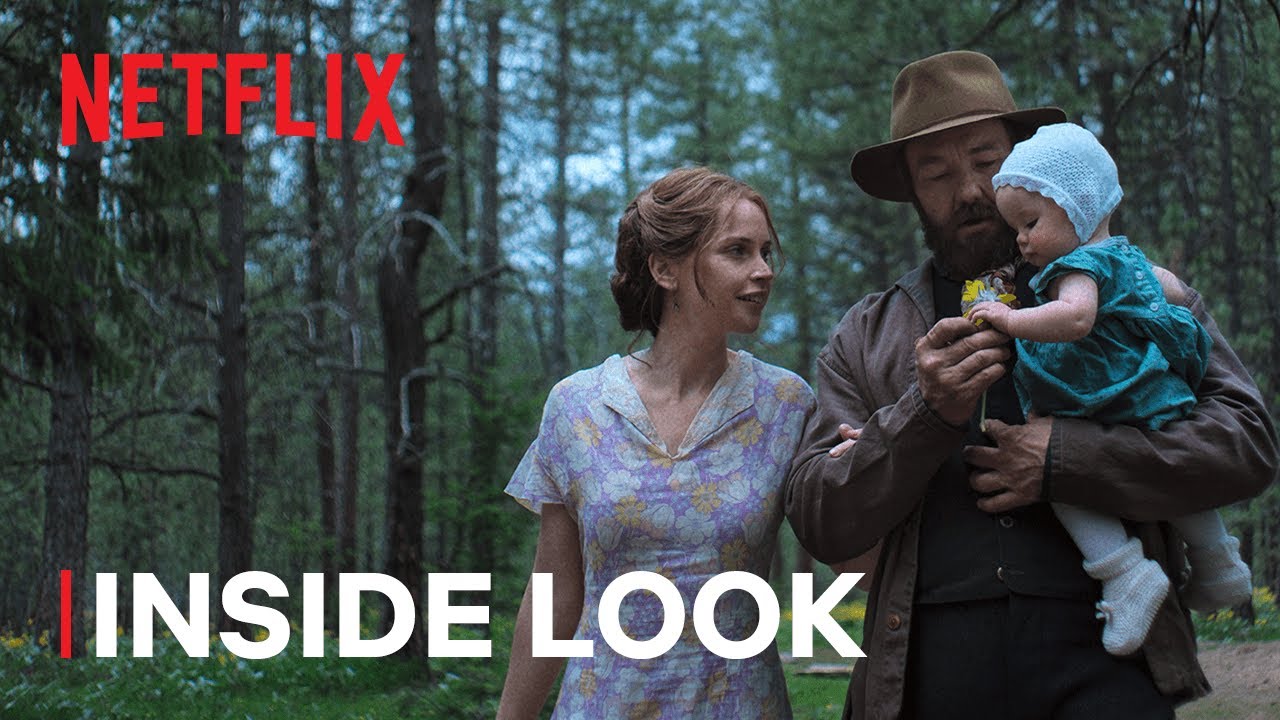
- Felicity Jones anchors the film’s emotional core with a presence that suggests entire emotional architectures beneath the surface
- William H. Macy provides the film’s moral compass, his few scenes carrying disproportionate impact through sheer authenticity
This is acting that doesn’t announce itself, the kind that reveals itself in retrospect, when you realize how deeply the performances have burrowed into your consciousness.
> The film’s critical reception settled at 7.3/10 from 520 votes—respectable but not universally lauded, which somehow feels right for a work this particular and uncompromising. There’s no hunger here to please everyone, no calculated beats designed to trigger audience responses. This is a film comfortable with ambiguity and earned melancholy.
What’s genuinely fascinating is how Train Dreams has aged since its release. The four Oscar nominations that followed—including recognition from the Academy itself—weren’t a surprise to those who understood what Bentley had accomplished, but they did signal something important: that voters and critics alike were ready to celebrate films that operate according to their own logic rather than industry templates. Edgerton’s win at the Sun Valley Film Festival felt almost inevitable once you’d sat with his performance, though the understated actor himself has been characteristically modest about the recognition, more interested in the work itself than the apparatus surrounding it.
What made this modest production from Kamala Films and Black Bear Pictures so significant wasn’t its budget or its box office trajectory—those metrics feel almost irrelevant to what the film actually is. Rather, it was Bentley’s refusal to sentimentalize either history or loss. The film moves through time with the inevitability of the trains that define its geography, and we’re asked to move with it, to accept that people and places and ways of living can be erased by progress without necessarily being wrong to resist that erasure.
The lasting impact of Train Dreams operates on several levels:
- As a formal achievement — It proved that intimate, character-driven drama could still command attention and critical respect in an industry increasingly obsessed with spectacle
- As a commentary on cinema itself — There’s something deeply meta about a film that examines obsolescence while existing in a medium perpetually anxious about its own relevance
- As a model for independent filmmaking — That the film found distribution, audiences, and awards recognition without compromising its vision offers a blueprint for what’s possible when creators trust their instincts
The film’s cultural resonance extends beyond awards talk or critical rankings. In a moment when so much cinema feels designed to be consumed rather than experienced, Train Dreams insists on being sat with, contemplated, revisited. It’s the kind of film that reveals new dimensions on a second viewing, that lingers in conversation long after the credits have rolled.
What endures about Train Dreams is its fundamental maturity:
- A refusal to explain itself or its characters’ emotional lives
- A visual approach that trusts landscape and silence as eloquently as dialogue
- A commitment to ambiguity as a more honest reflection of lived experience than neat resolution
- An understanding that some losses are irreversible and that bearing witness to that fact is what cinema does best
Bentley’s achievement here is precisely that he made a film about the impossibility of stopping change into a work that itself seems like it might stop time—or at least invite us to pause within it. In doing so, he created something that will likely age far better than more immediate, crowd-pleasing alternatives. Train Dreams isn’t asking to be liked so much as to be understood, and for those willing to meet it halfway, it offers something increasingly rare in contemporary cinema: genuine artistic integrity matched with genuine emotional power.