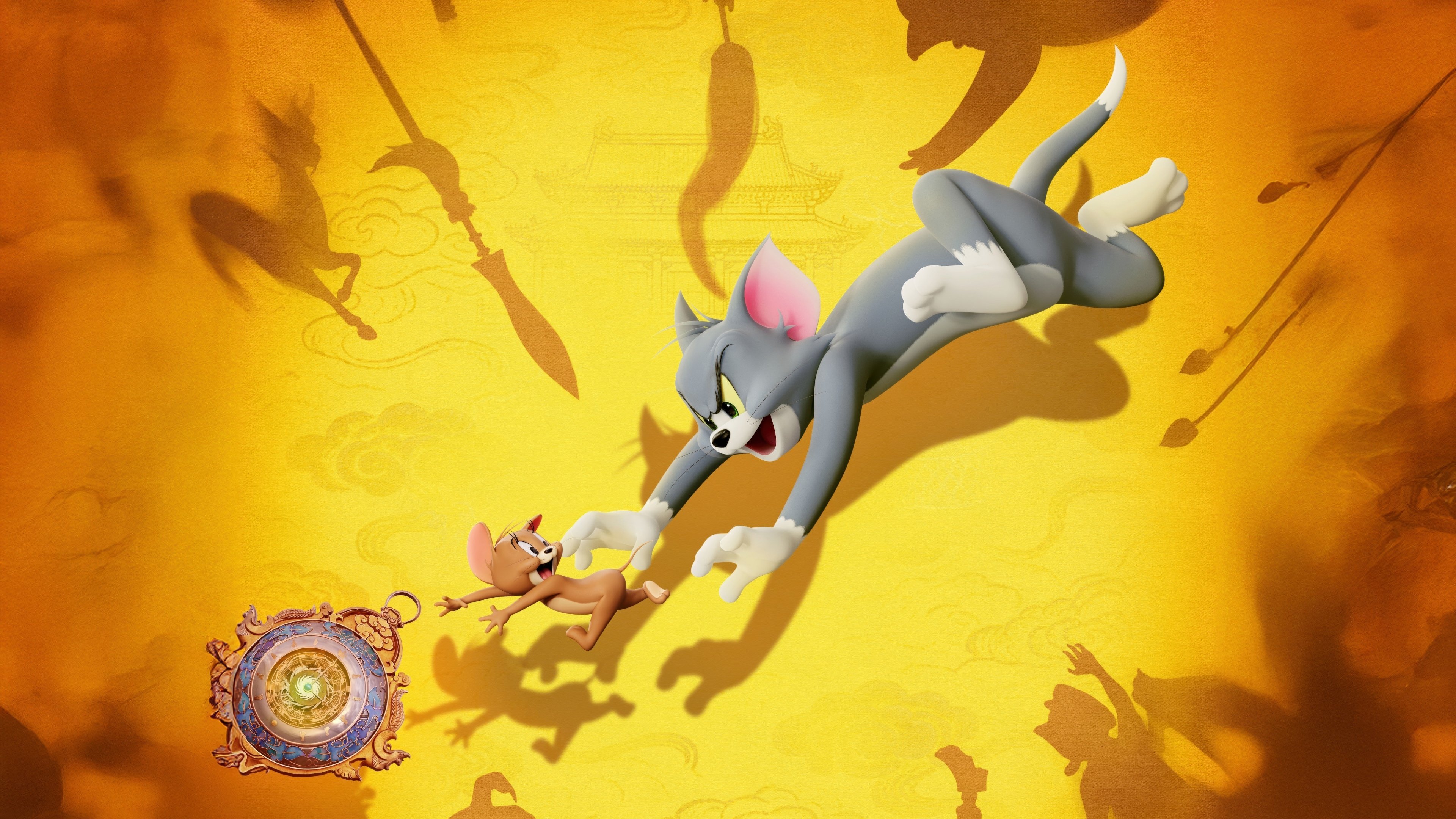
When Tom and Jerry: Forbidden Compass premiered at the Shanghai International Film Festival in August 2025, it arrived as something quietly fascinating—a co-production that embodied the increasingly complex relationship between Western animation legacies and Eastern filmmaking ambition. Director Zhang Gang took one of animation’s most beloved franchises and planted it firmly in what feels like a love letter to Chinese cinema, complete with temporal displacement, magical artifacts, and the kind of whimsical adventure that recalls classic adventure films as much as it does classic cartoons.
The film’s premise is deceptively simple: during a museum chase—because of course Tom is chasing Jerry—they stumble upon a magical compass that yanks them through time itself. It’s a concept that allows Zhang Gang to do what he does best: blend visual storytelling across different eras and aesthetics. At 1 hour and 44 minutes, the runtime feels deliberately chosen, long enough to establish this alternate world meaningfully, short enough to maintain the frenetic energy that defines Tom and Jerry’s core appeal. There’s intelligence in that pacing choice, even if audiences didn’t universally embrace the execution.
Here’s where things get complicated, and where honest conversation matters: this film didn’t connect with mainstream audiences the way Warner Bros. China, China Film, and the consortium of animation studios involved presumably hoped. The 4.3/10 rating on IMDb (drawn from 6 votes, admittedly a limited sample) tells us something straightforward—critical reception was sparse and largely dismissive. The box office performance, pulling in $751,385 against an undisclosed budget, suggests this wasn’t a commercial success in traditional theatrical markets. These numbers might initially suggest irrelevance, but that reading misses what actually matters about this project.
> The real story isn’t about box office returns or aggregate ratings. It’s about what happens when an American animation institution collaborates with Chinese production powerhouses on their own terms.
Consider the creative architecture: Zhang Gang directing, with Jiang Wen, Shun Zi, and Lan Long anchoring the voice work (likely in Mandarin, though dubbing surely followed). This wasn’t a film made in California with Chinese market considerations slapped on afterward. This was a film conceptualized and produced within a Chinese creative context, using characters licensed from Warner Bros. The distinction matters enormously for understanding cinema’s evolving geography.
What makes Forbidden Compass potentially significant—despite its rough reception—involves several interconnected elements:
- The cultural translation experiment: Taking a cat-and-mouse duo through temporal displacement allowed Zhang Gang to embed visual language from Chinese historical cinema into an animated format that Western audiences know and love
- The technical collaboration: Original Force Animation and Origin Animation working alongside Western studio infrastructure represents genuine hybridity, not mere outsourcing
- The runtime and narrative density: Attempting to tell a story with temporal stakes in under two hours for a family audience is genuinely ambitious
- The festival premiere strategy: Launching at Shanghai rather than a typical Western festival hub signaled confidence in Asian market positioning
The film’s legacy, if we’re being honest, probably won’t hinge on widespread adoration. Instead, it may represent a pivotal moment in how non-American studios approach licensed Western intellectual property. For years, the pattern was clear: take American characters, add local flavor, market to local audiences. Forbidden Compass did something slightly different—it asked what happens when you let a Chinese director’s sensibility genuinely shape the story, not just the marketing.
Jiang Wen’s involvement carries particular weight here. He’s not someone who attaches his name to projects lightly, and his participation suggests he saw something artistically legitimate in what Zhang Gang was attempting. Voice acting in animated features is often undervalued, but matching a vocal performance to animated character work across language barriers and cultural contexts requires specific skill. Same with Shun Zi and Lan Long—these weren’t marquee names carried in for box office security. They were cast because they fit the creative vision.
The real question haunting this film—the one that might matter to filmmakers and industry observers more than casual viewers—is whether Zhang Gang’s approach will influence future collaborations. Will other Chinese studios and directors feel emboldened to approach licensed properties with this level of creative ambition? Or will the modest box office performance convince studios that it’s safer to stick with formula?
What lingers about Tom and Jerry: Forbidden Compass is the attempt itself. In an era where animation increasingly feels like either prestige auteur work or corporate IP management, this film tried to exist in the middle—honoring the source material while pursuing a distinct directorial vision, respecting the international co-production model while centering Asian creative perspectives. It didn’t fully succeed, if success means critical acclaim and box office performance. But success and significance aren’t synonymous, and that’s perhaps the most important thing this little-watched 2025 release has to teach us.