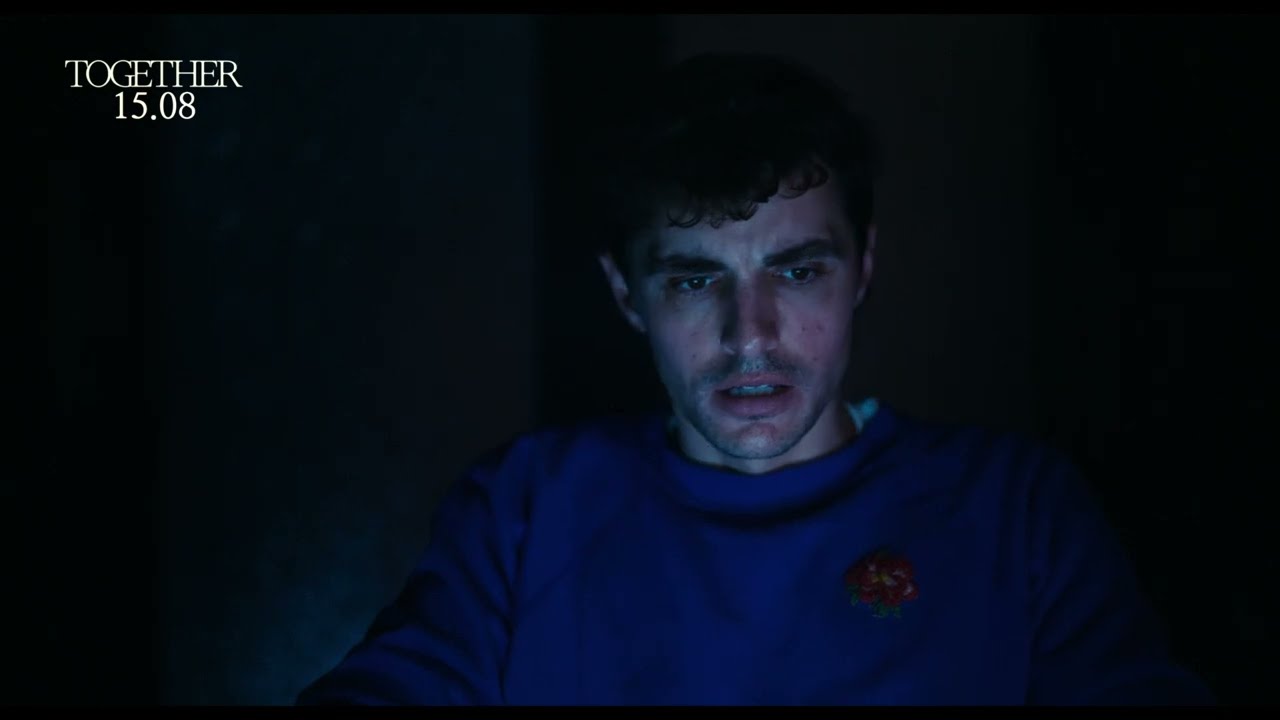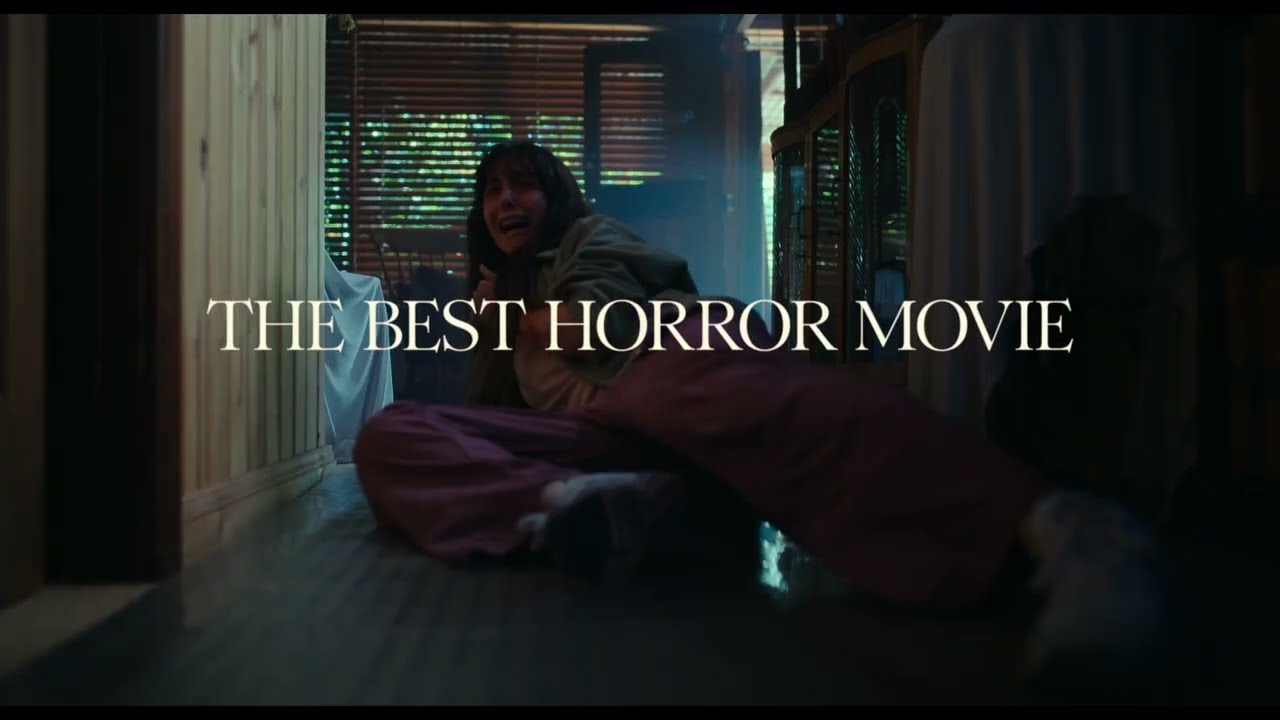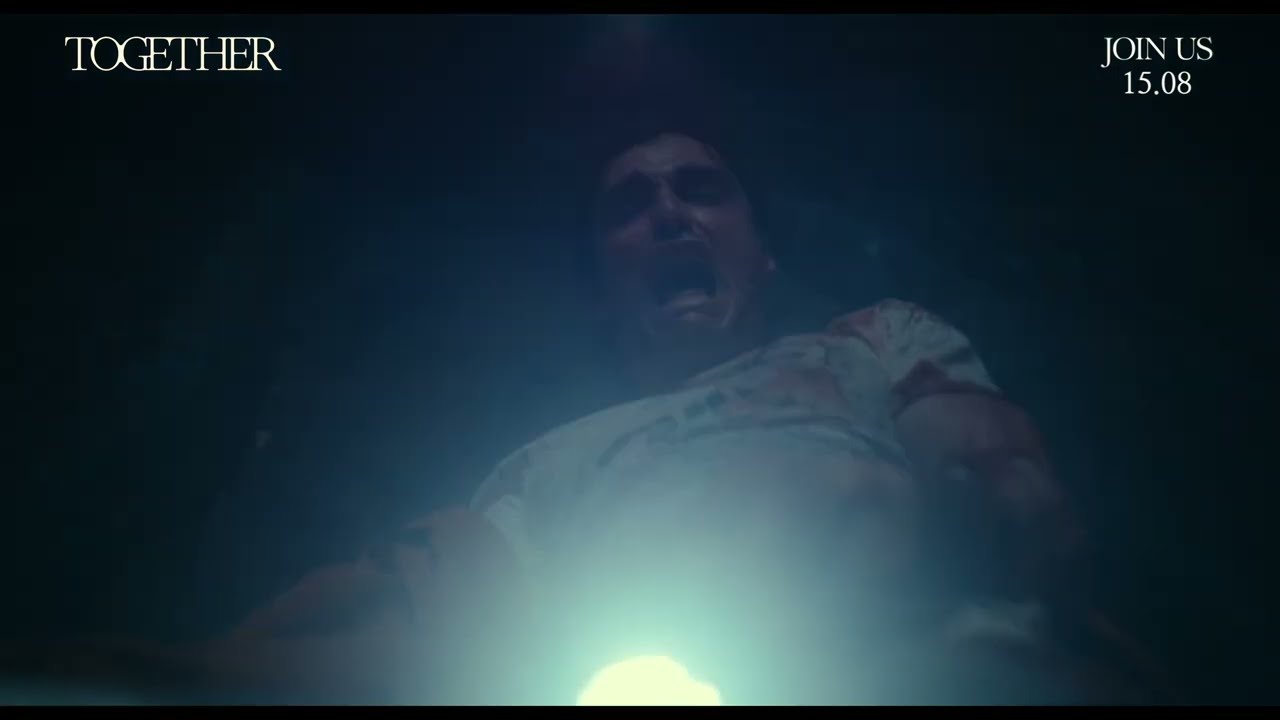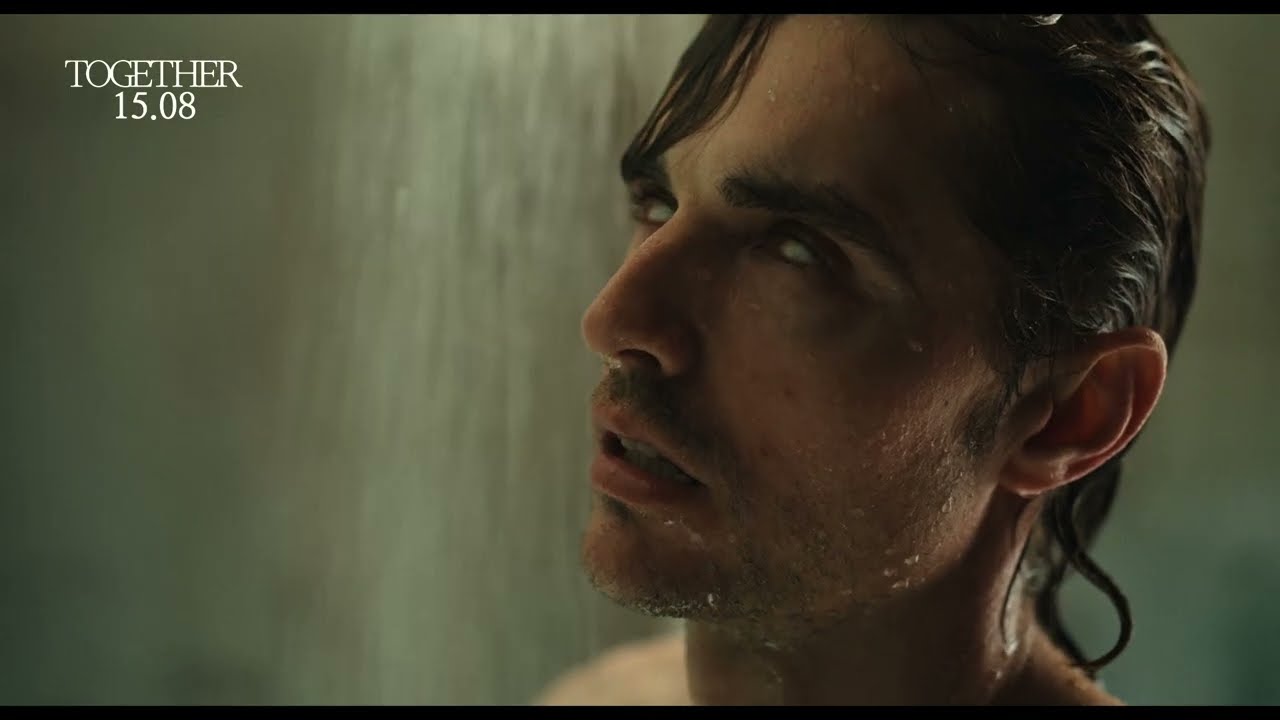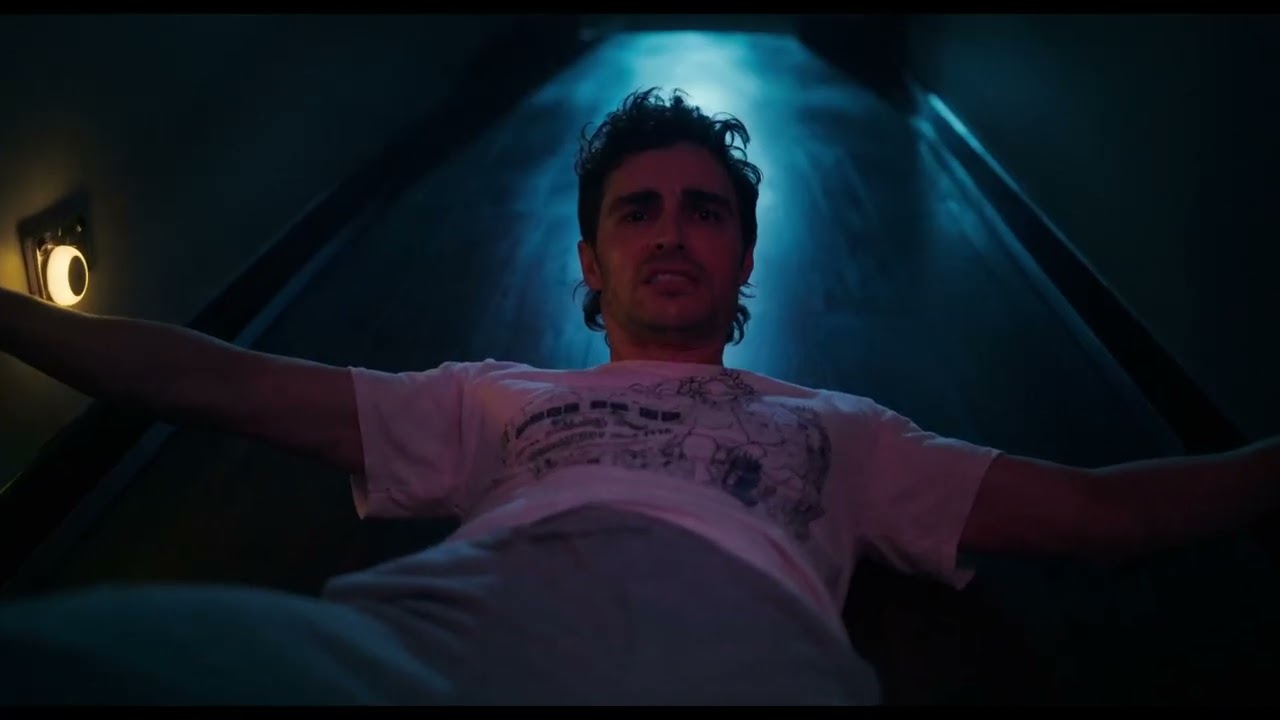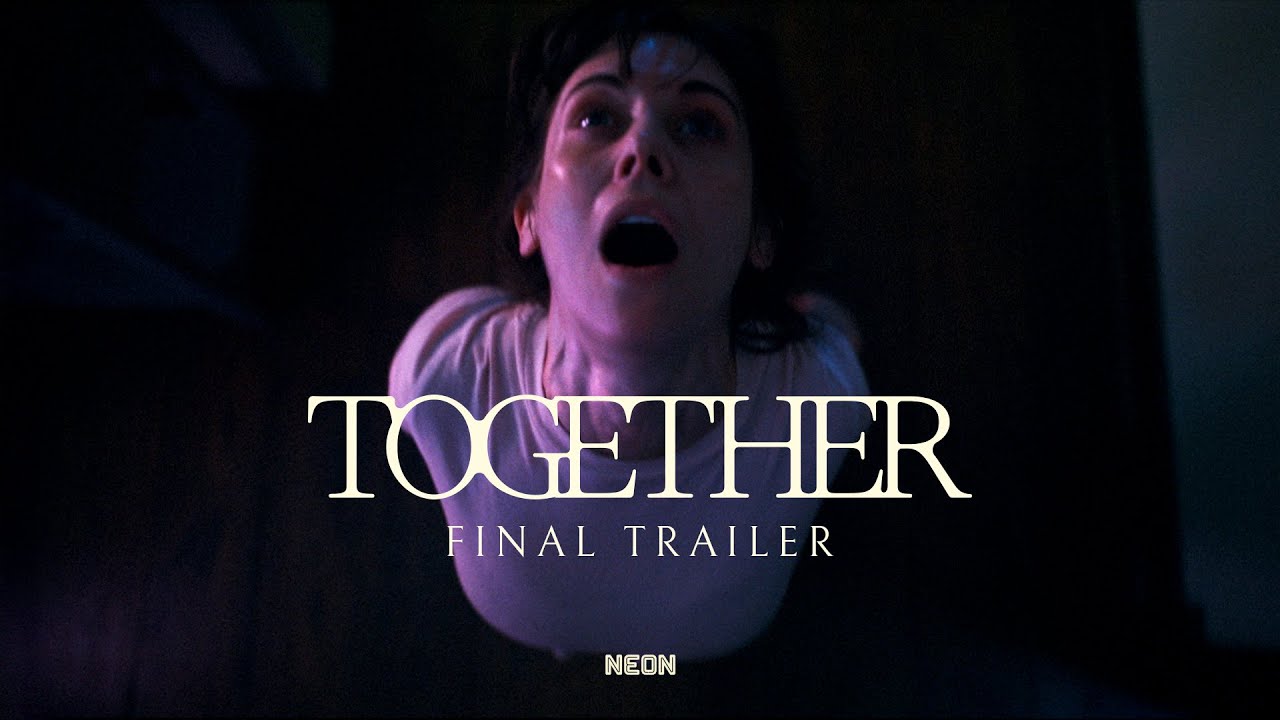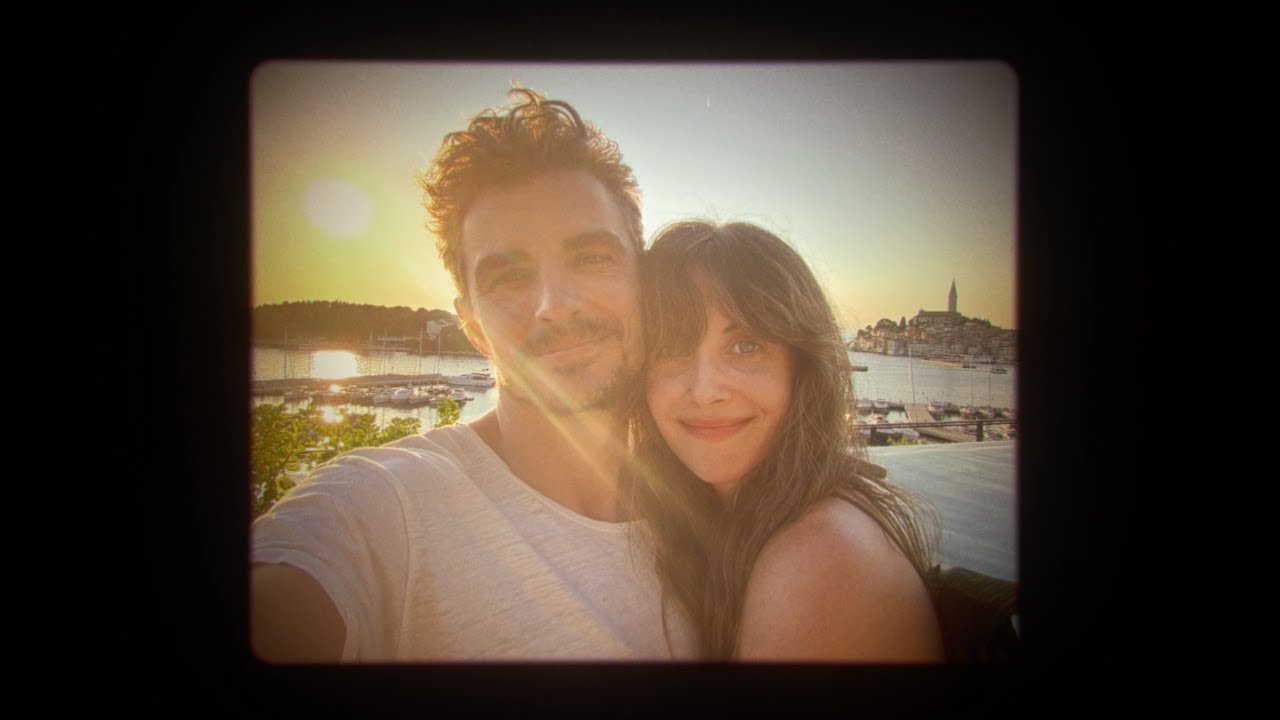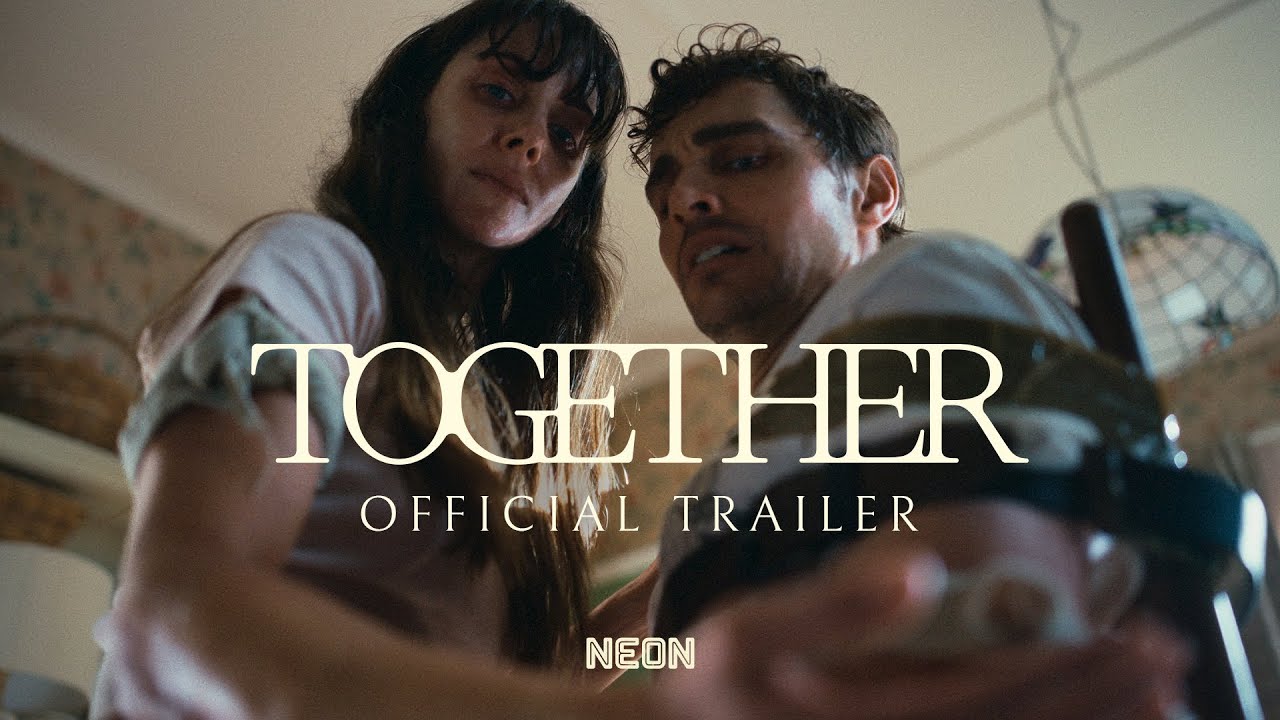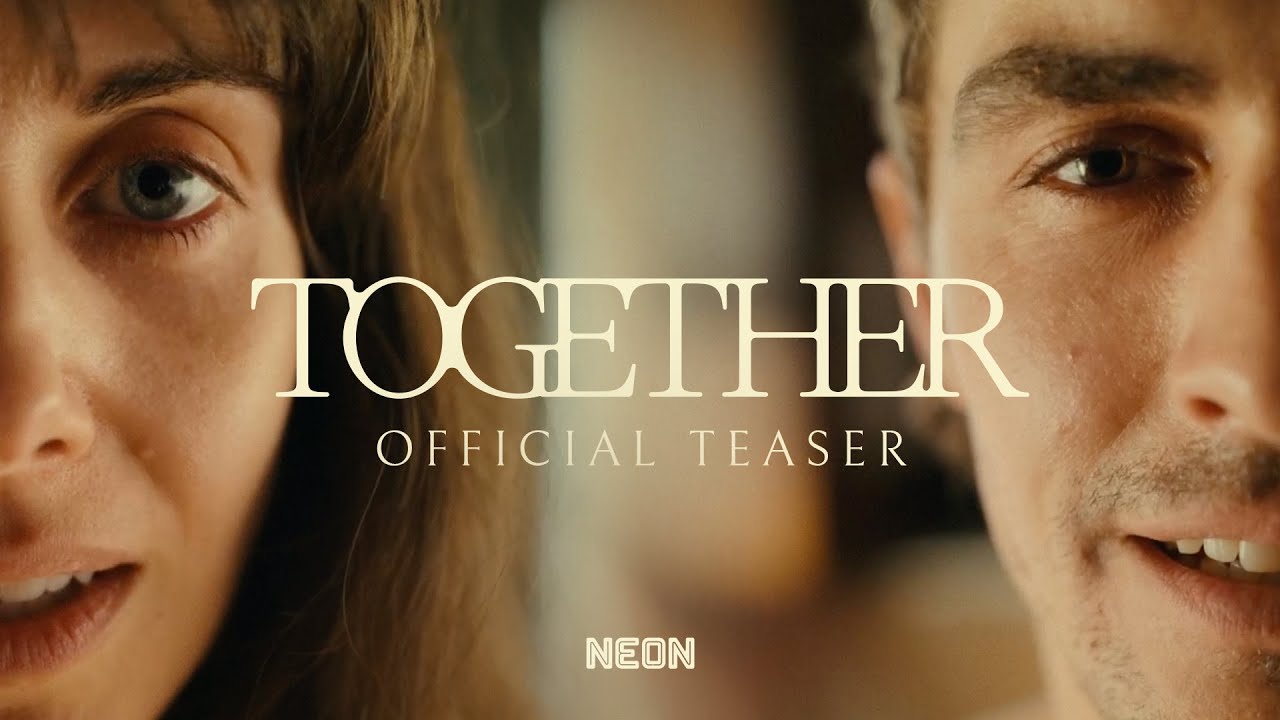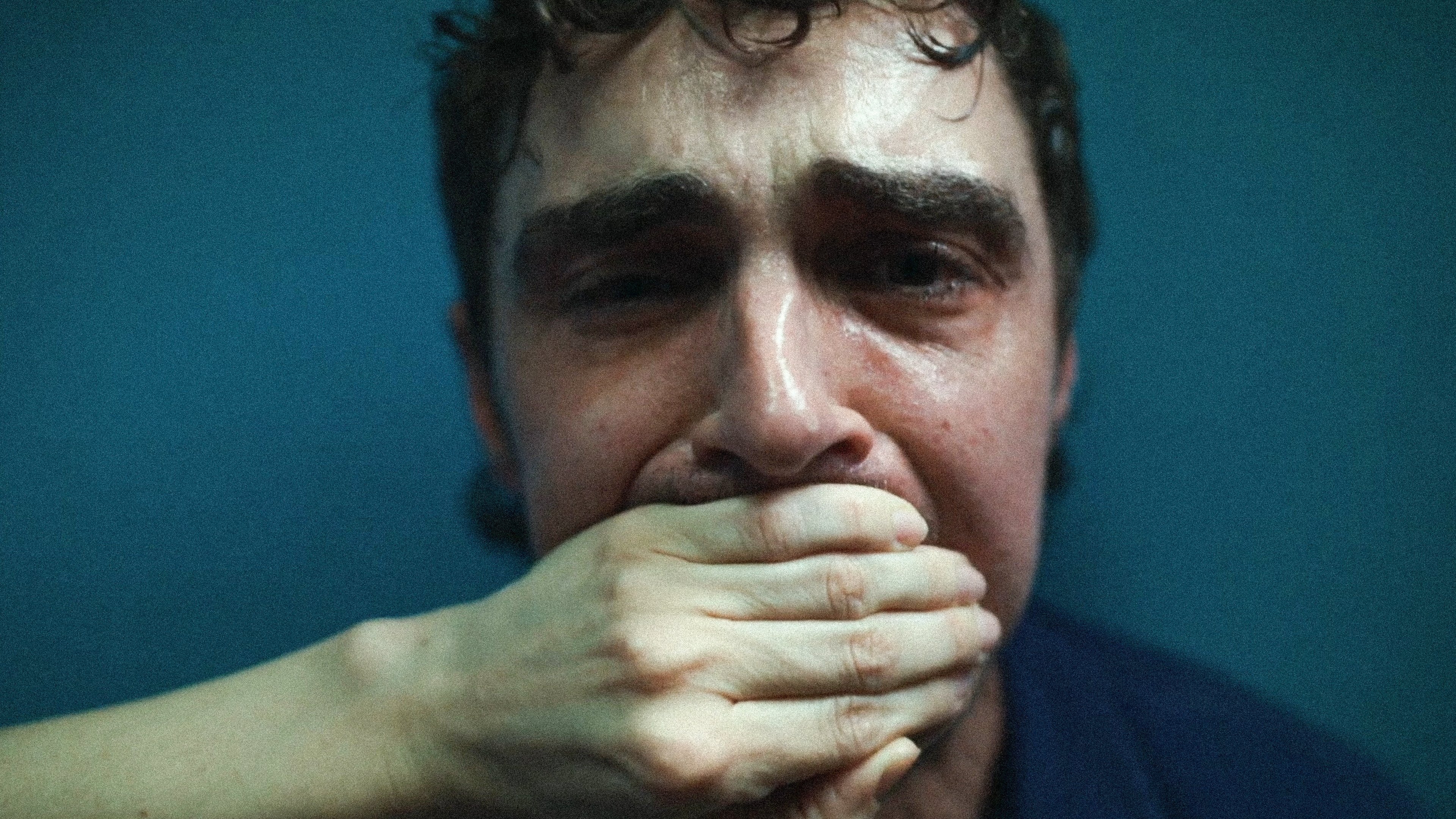
When Michael Shanks released Together in late July 2025, he wasn’t trying to reinvent the horror-romance hybrid. Instead, he crafted something far more valuable: a genuinely unsettling examination of how the supernatural can exploit the fractures already present in human relationships. What makes this film stick with you—and what’s kept audiences talking months after its release—is how it understands that the real horror isn’t always the otherworldly threat. Sometimes it’s what happens when two people stop fighting against something and start fighting each other.
The premise feels deceptively simple. Tim and Millie relocate to the countryside seeking a fresh start, but the move only amplifies the tensions already cracking their relationship. Then something unnatural shows up, and what could have been a straightforward creature feature becomes something more philosophically interesting: a meditation on whether external evil matters when internal damage is already catastrophic. Shot with a lean efficiency—the film clocks in at just 1 hour and 42 minutes—Shanks refuses to let a single frame feel wasted. There’s a confidence to the pacing that suggests a filmmaker who trusts his audience to fill in the gaps.
What Resonated With Audiences:
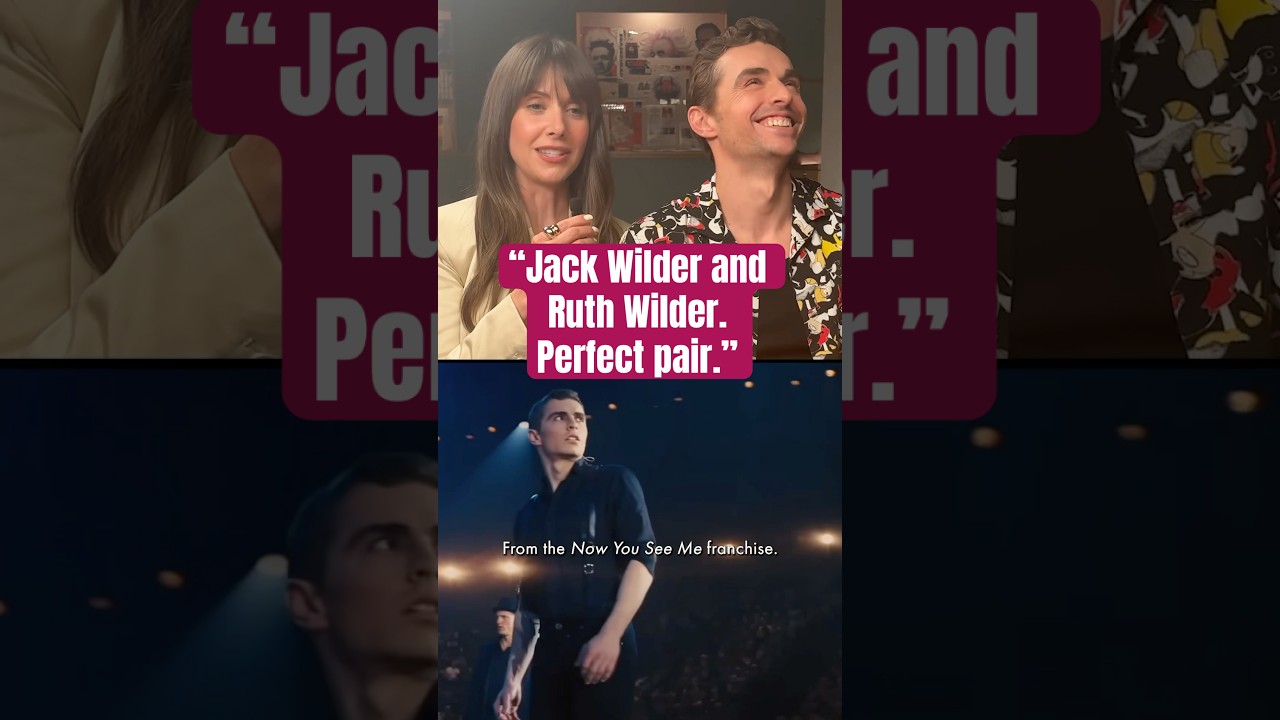
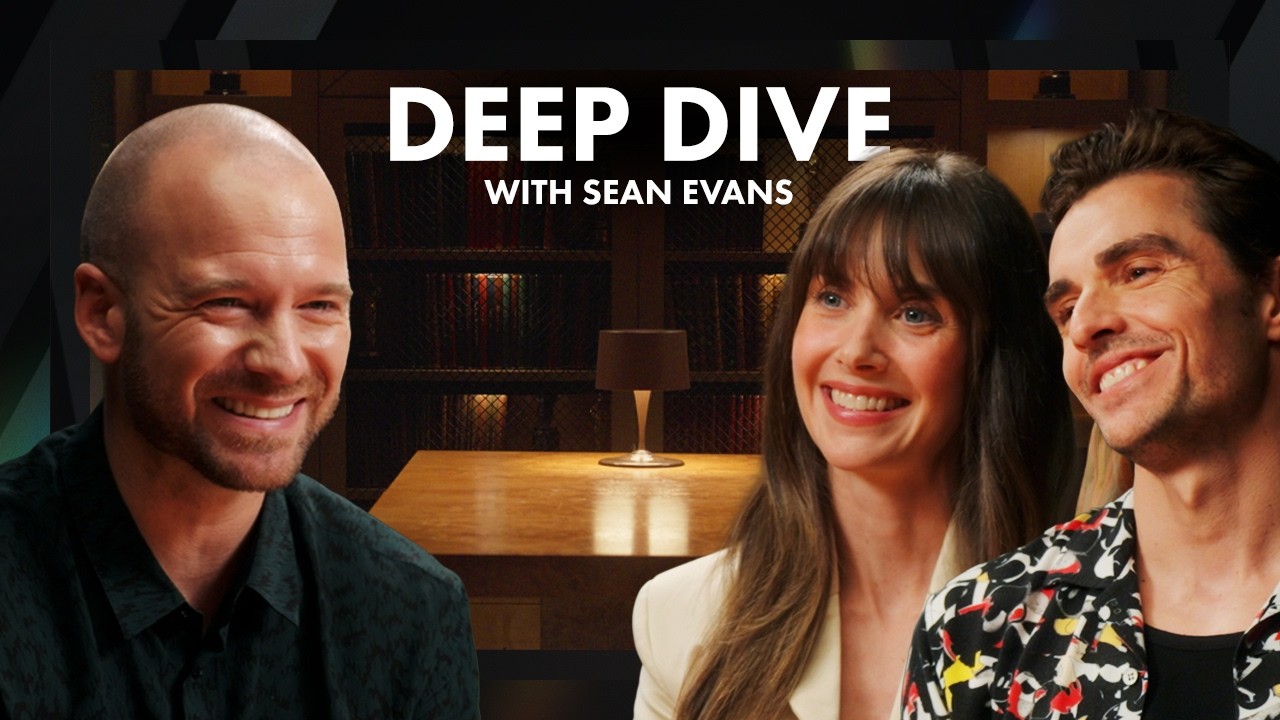
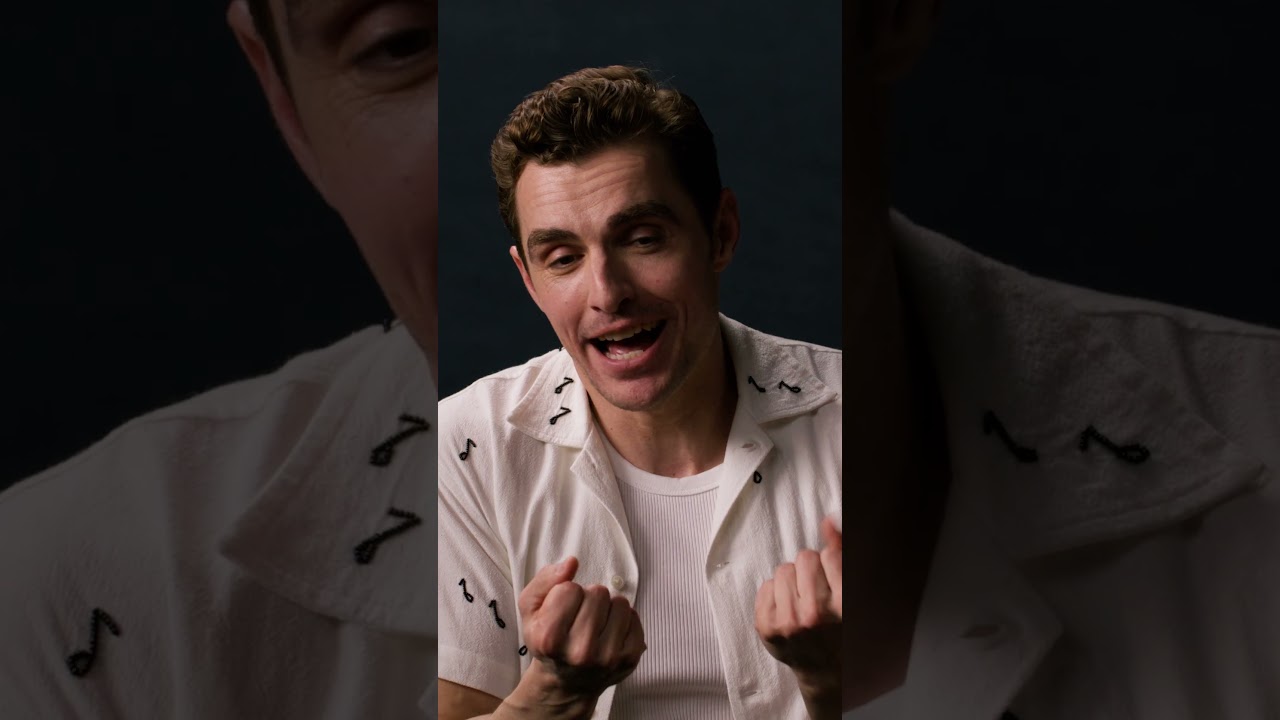
- The chemistry between Dave Franco and Alison Brie anchors everything. They don’t play lovers rediscovering passion; they play exhausted people who’ve stopped trying.
- The film’s willingness to let silences breathe, creating tension through absence rather than constant noise
- A supporting turn from Damon Herriman that’s disturbingly effective in ways the marketing deliberately underplayed
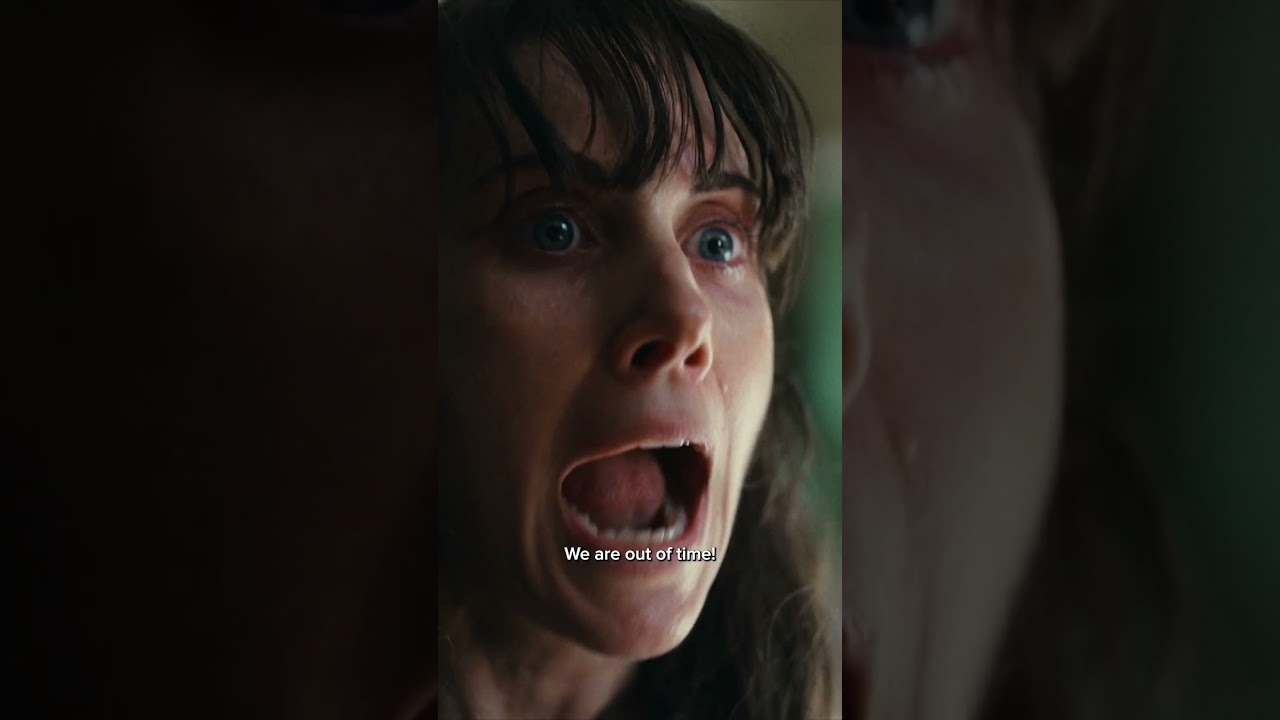
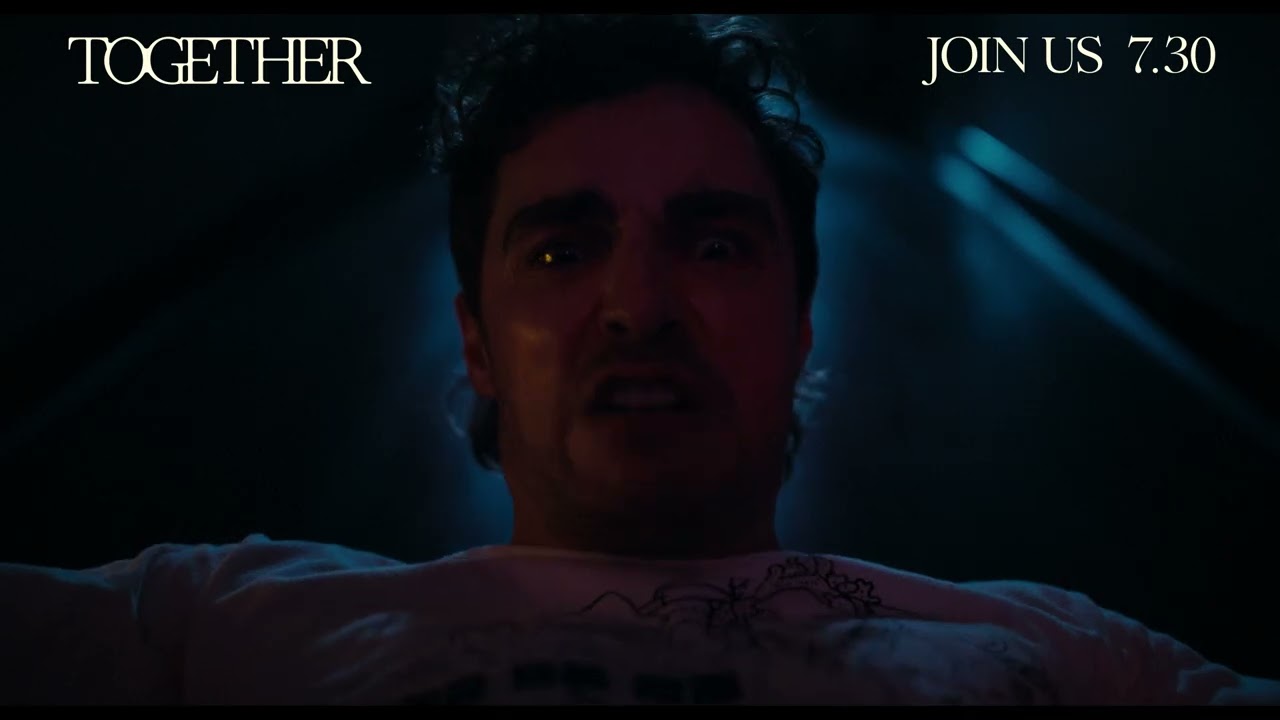
- The practical effects work, which feels tactile and genuinely unsettling rather than relying on jump scares
The box office numbers tell their own story. With a $17 million budget that generated nearly $34.6 million worldwide, Together doubled its investment—respectable but not extraordinary on paper. Yet those numbers deserve context. This was an original concept from a feature debut director, not a franchise installment or adaptation riding familiar IP. In an era when original horror pitches increasingly struggle to find financing and distribution, this film’s financial performance actually represents a meaningful vote of confidence from audiences and studios alike.
> The film’s 7.1 rating on IMDb reflects something interesting: it’s neither universally beloved nor dismissed. Instead, it’s the kind of film that works for people who meet it on its own wavelength, and confuses those expecting something more conventional.
What’s particularly noteworthy is how Together found its cultural moment despite—or perhaps because of—its refusal to simplify. This isn’t elevated horror in the trendy sense of the term. It’s just genuinely thoughtful horror, which has become rarer than it should be. The film doesn’t offer easy answers about whether Tim and Millie’s relationship can survive, or whether the supernatural force is ultimately the real problem. It sits in that uncomfortable space and asks us to sit there too.
The production assembly speaks to how seriously multiple companies took this project:
- Picturestart and Tango Entertainment brought financing muscle
- 30WEST added distribution expertise for navigating the indie-to-mainstream pipeline
- Princess Pictures and regional partners ensured the film could be shot with proper resources
- Project Foxtrot’s involvement suggests this was treated as prestige material, not a quick cash grab
Behind the scenes, what Michael Shanks accomplished with these partners demonstrates something crucial: it’s possible to make genuinely strange, narratively complex horror on a mid-sized budget without compromising the vision. He didn’t strip away the ambiguity to make it more marketable. He didn’t add unnecessary exposition. He trusted that audiences could handle a film that ends with uncertainty hanging in the air like morning mist.
The controversy surrounding idea theft allegations that emerged post-release only underscored how much people were paying attention to this film. When a movie generates enough cultural presence to inspire legal disputes, it’s already transcended being merely successful. Together provoked strong enough reactions that people cared deeply about where its ideas came from. That’s the kind of resonance that matters more than opening weekend numbers.
The Lasting Legacy:
Where Together will endure is in conversations about what modern horror can accomplish when it refuses to be cute or clever about its ambitions. The film proved that audiences hadn’t exhausted their appetite for original horror concepts—they’d simply been starved of them. Future indie horror filmmakers will study Shanks’ approach: how to build dread through character dynamics, how to use a limited setting as thematic amplification rather than budgetary necessity, how to trust the audience’s intelligence.
Dave Franco and Alison Brie demonstrated considerable range here, moving beyond their television personas into territory that required genuine emotional vulnerability alongside outright fear. Their willingness to portray a relationship actively deteriorating—rather than temporarily strained before reconciliation—gave the film a backbone of uncomfortable realism that elevated every supernatural sequence around it.
By 2025’s end, Together had become the kind of film that gets recommended in whispers, the kind people send to friends with the message: “You need to watch this.” It’s modest in scope but ambitious in execution, financially successful without being a phenomenon, critically respectable without being universally acclaimed. In other words, it’s exactly what cinema needs more of: films that ask questions instead of providing answers, that trust their audiences, and that prove original ideas still have room to thrive.