There’s something genuinely exciting brewing in the horror landscape right now, and “This Is Not a Test” is positioned to be a significant part of that conversation. Scheduled to arrive in theaters on February 20, 2026, this zombie apocalypse thriller is shaping up to be one of those films that reminds us why the horror genre remains so vital and necessary for cinema. Director Adam MacDonald has assembled a compelling cast and a creative team that understands how to make genre storytelling matter beyond just scares and gore.
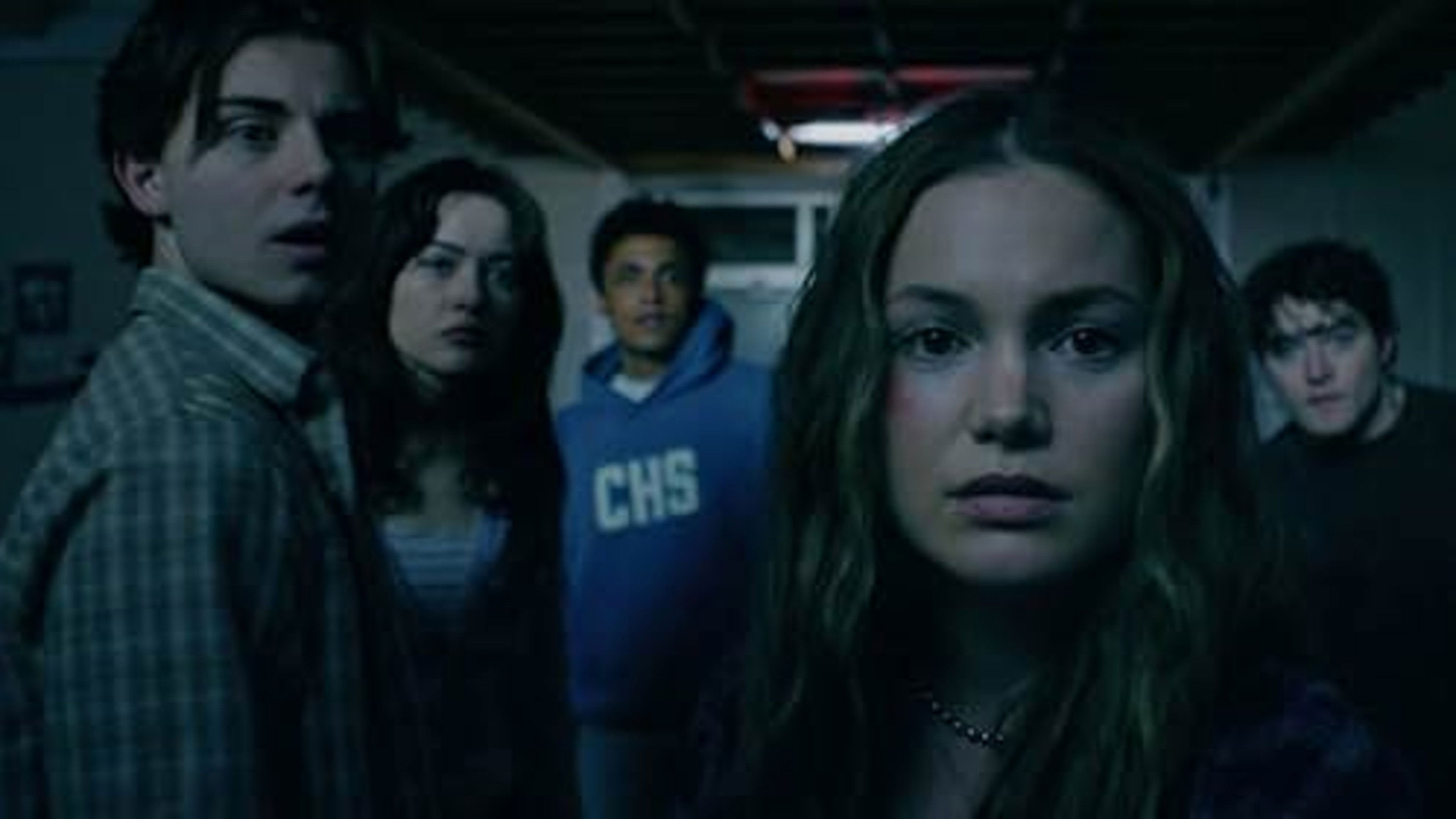
The premise itself feels both familiar and fresh—a concept that’s somehow become more relevant with each passing year. Sloane and four other high school students find themselves trapped in their school during a sudden zombie outbreak, forced to navigate not just the undead but the claustrophobic pressure cooker of being teenagers in an impossible situation. There’s inherent drama in that setup that goes beyond the typical “survive the monsters” framework. These aren’t hardened soldiers or seasoned survivors; they’re kids dealing with apocalypse while still grappling with being, well, kids. That’s where the real tension lives.
What makes this project particularly noteworthy is the creative team assembled to bring this vision to life:
- Adam MacDonald directing—a filmmaker known for understanding how to build psychological tension and character-driven narratives within genre constraints
- Olivia Holt in the lead role, an actress who’s proven her ability to carry serious dramatic weight while remaining grounded and authentic
- Froy Gutierrez and Carson MacCormac rounding out the ensemble, bringing depth to what could otherwise be stock survivor archetypes
- A production involving Anova Pictures, BondIt Media Capital, North Avenue Pictures, and WorldOne Entertainment—serious players with horror credentials
The film isn’t just a zombie movie; it’s a pressure cooker narrative about survival, fear, and what happens when normalcy shatters in an instant.
The involvement of Shudder and IFC Films in bringing this to theaters is particularly telling. These aren’t studio releases playing it safe—they’re platforms built on the understanding that horror audiences are intelligent, demanding, and hungry for stories with something to say. The fact that “This Is Not a Test” will open exclusively in theaters speaks to confidence in the material and a commitment to letting audiences experience this threat on the big screen, where that sense of dread and isolation can fully take hold.
What’s interesting about the timing is how this film will arrive in a 2026 that’s already proving to be a consequential year for horror cinema. There’s momentum building in the genre right now—filmmakers and studios recognizing that horror remains one of the most effective vehicles for exploring contemporary anxiety, social breakdown, and human behavior under extreme stress. “This Is Not a Test” appears positioned to contribute meaningfully to that ongoing conversation about what horror can do as a medium.
The 102-minute runtime suggests a lean, focused narrative. MacDonald isn’t padding his story—he’s crafting something designed to maintain pressure and momentum from beginning to end. That’s refreshing in an era where many thrillers feel obligated to extend themselves well beyond their narrative needs. There’s efficiency here, an understanding that sometimes the most effective horror comes from restraint and precision rather than sprawl.
What really intrigues me about this project is how it seems to recognize that high school as a setting carries its own inherent horror:
- Isolation within a familiar space—the building itself becomes a character, a trap dressed up as somewhere students know
- Social hierarchies and tensions—survival forces unexpected alliances and reveals uncomfortable truths about who your allies actually are
- Vulnerability—these are young people, physically powerful in some ways but emotionally and psychologically fragile in others
- The loss of safety in a place designed to feel safe—there’s something uniquely unsettling about that violation
The cast choices feel deliberately non-obvious in a way that should serve the material well. We’re not talking about massive A-list names that would overshadow the narrative with celebrity baggage. Instead, we have skilled, committed actors who can disappear into characters and make us believe in their survival (or failure to survive) moment by moment. That’s the foundation of effective ensemble horror—viewers caring about the people, not just watching them avoid death.
There’s a broader significance to films like this as well. “This Is Not a Test” represents the kind of mid-budget, genre-focused filmmaking that keeps cinema diverse and adventurous. It’s a reminder that not every project needs to be a franchise starter or a prestige drama to matter. Sometimes a well-crafted thriller that understands its audience and respects their intelligence is exactly what cinema needs.
The absence of pre-release scores or extensive critical commentary isn’t a knock against the film—it’s simply the reality of something still months away from release. These things will develop naturally as we move closer to February 20, 2026. What matters now is recognizing that something interesting is coming, something that appears to have been made with intentionality and craft.
“This Is Not a Test” seems positioned not just to entertain horror fans, but to remind us all why we keep coming back to these stories. There’s power in examining human behavior when everything falls apart, in exploring how we treat each other when civilization’s rules no longer apply, in asking whether survival is always worth the cost. A good zombie film is rarely just about zombies. And this one seems to understand that distinction entirely.