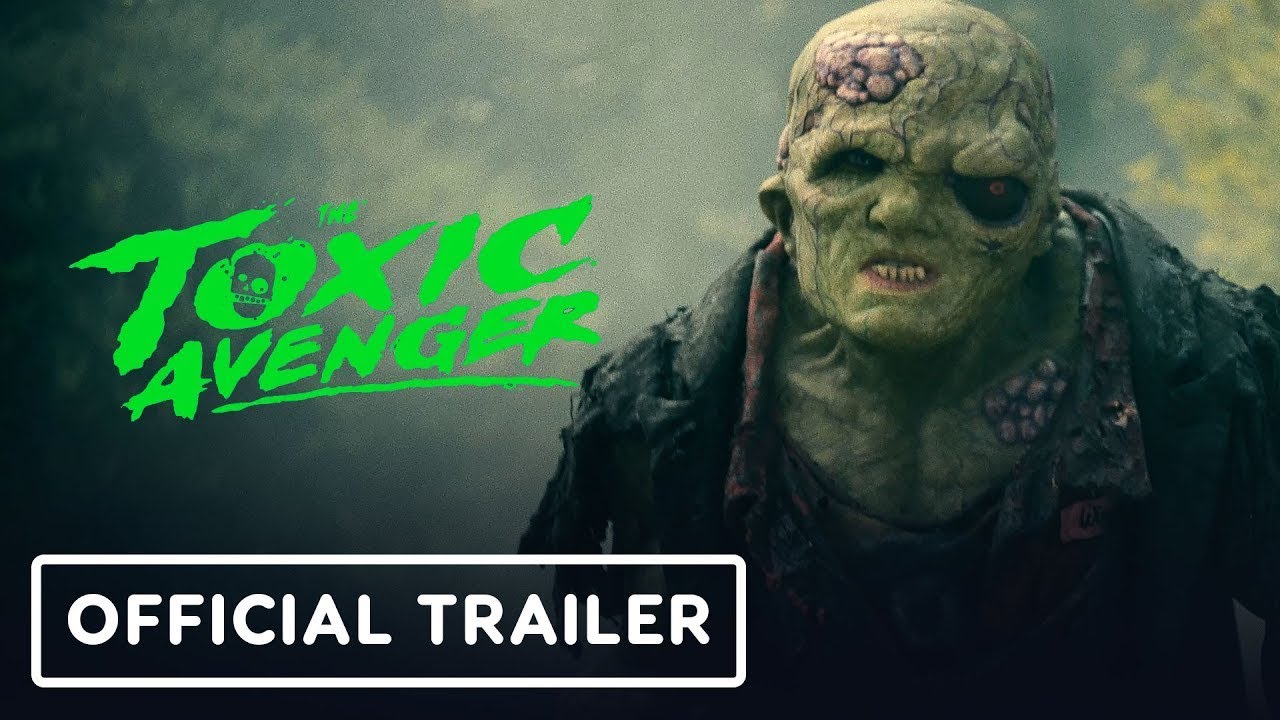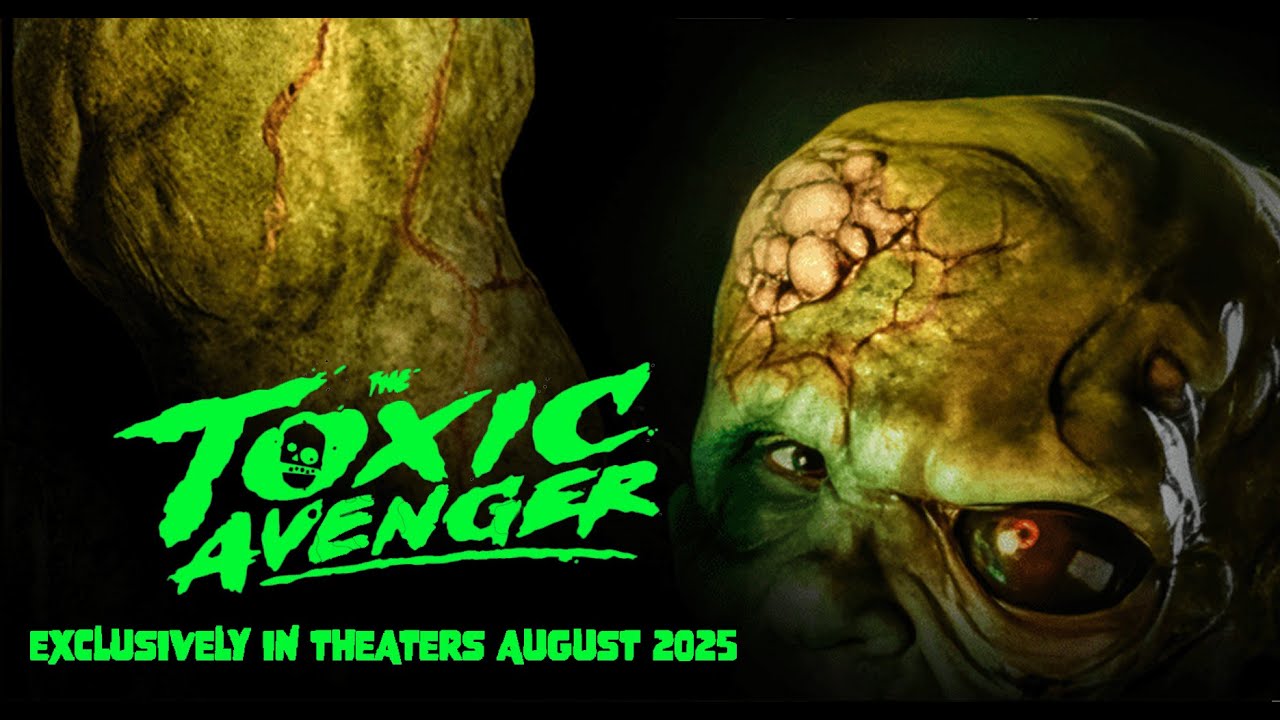
When Macon Blair’s The Toxic Avenger Unrated premiered on August 28, 2025, it arrived at a peculiar moment in modern cinema—a moment when studios had grown increasingly cautious about genuinely provocative content, yet audiences were clearly hungry for something that didn’t apologize for its messiness. What made this particular unrated cut significant wasn’t just that it arrived stripped of MPAA constraints, but rather how it represented a deliberate artistic choice to lean into the irreverent spirit that defines its source material.
Blair’s vision here feels particularly important because he understood something crucial about The Toxic Avenger legacy: this isn’t a franchise that thrives on polish or restraint. The original Troma creation has always been about transgression and satire wrapped in rubber suit absurdity. By assembling a cast featuring Peter Dinklage, Jacob Tremblay, and Taylour Paige, Blair wasn’t just collecting names—he was building a tonal architecture where unexpected casting choices became part of the film’s commentary on heroism and normalcy itself.
The Creative Vision at Work
The 102-minute runtime proved an unexpected strength. Rather than padding the narrative to justify theatrical pricing, Blair seemed acutely aware that this story works best as a lean, kinetic experience. There’s almost a punk rock sensibility to that runtime—it’s efficient without feeling rushed, focused without narrowing its satirical scope.
Dinklage’s involvement particularly deserves examination here. The actor has built a career partly on subverting audience expectations about physicality and casting conventions. Placing him at the center of an action-comedy about toxic transformation becomes something more than novelty—it’s a statement about whose bodies get to be heroic and funny simultaneously. Jacob Tremblay brings that unsettling intelligence he’s cultivated since childhood roles, while Taylour Paige’s presence suggests a grounded, almost dramatic counterbalance to the film’s wilder impulses.
> “The hero we need now.” — That tagline captures something honest about why this film resonated with its audience, even if critical consensus remained somewhat fractured.
Box Office Reality Meets Artistic Intent
Here’s where things get interesting from a business perspective. The film earned approximately $3.3 million at the box office against an unknown budget—metrics that tell a specific story about theatrical reception in 2025. These numbers don’t suggest a blockbuster, but they also shouldn’t be misread as failure.
For a deliberately unrated action-comedy rooted in cult cinema legacy, pulling $3.3 million theatrically while simultaneously launching on home platforms reflects a distribution strategy that understood this film’s actual audience. The data suggests that The Toxic Avenger Unrated succeeded at being exactly what it set out to be: a film that would find its true audience through streaming and home video, where unrated cuts traditionally flourish.
The 6.1/10 rating from critics reflects a divide that’s almost predictable. This is the kind of film that polarizes intelligently:
- Critics who value subversion and genre deconstruction found genuine merit in its approach
- Viewers expecting straightforward action-comedy felt confused by its satirical bent
- Audiences specifically seeking Troma-adjacent material discovered exactly what they wanted
- General audiences encountering it casually were often bewildered by its tonal shifts
Cultural Resonance and Legacy Considerations
What matters more than critical consensus is understanding where this film positioned itself culturally. Released in late August 2025, it arrived during a moment when streaming platforms had begun demonstrating that unrated cuts could sustain attention and generate conversation. Blair’s film became part of that emerging narrative—proof that audiences would actively seek out content that traditional theatrical gatekeeping might have diluted.
The collaboration between Legendary Pictures and Troma Entertainment signaled something significant about industry maturation. Troma’s willingness to partner with a major studio on this unrated version, combined with Legendary’s willingness to release something genuinely transgressive, suggested that even corporate filmmaking could accommodate authentic artistic vision when the right director arrived with the right sensibility.
The film’s placement within action-comedy-science fiction territory also matters contextually:
- It challenged action-comedy conventions by refusing to make its protagonist traditionally likeable
- Science fiction elements grounded its satire, making social commentary feel earned rather than preachy
- Comedy served the narrative rather than interrupting it, maintaining tonal coherence despite genre mixing
- The unrated status became thematic, not just a marketing hook—freedom from ratings restrictions matched the film’s content about bodily autonomy and transformation
Why This Matters Now
Film history will likely treat The Toxic Avenger Unrated as a small but significant data point in how cinema evolved during the 2020s. It demonstrated that filmmakers with distinctive voices could still make genuinely provocative work within industrial structures. It showed that audiences existed for content that didn’t flatten itself into accessibility.
More importantly, Blair’s film proved that reimagining cult properties didn’t require abandoning what made them cult properties in the first place. Too many reboots and remakes strip away the transgressive DNA in pursuit of broader appeal. This one did the opposite—it amplified it, trusting that enough people wanted to watch something that refused to play it safe.
The significance of The Toxic Avenger Unrated isn’t that it revolutionized cinema. It’s that it arrived at precisely the right moment to remind audiences and industry observers alike that there’s still room for messy, provocative, genuinely weird filmmaking. And somehow, that’s become the rarest kind of heroism in contemporary cinema.