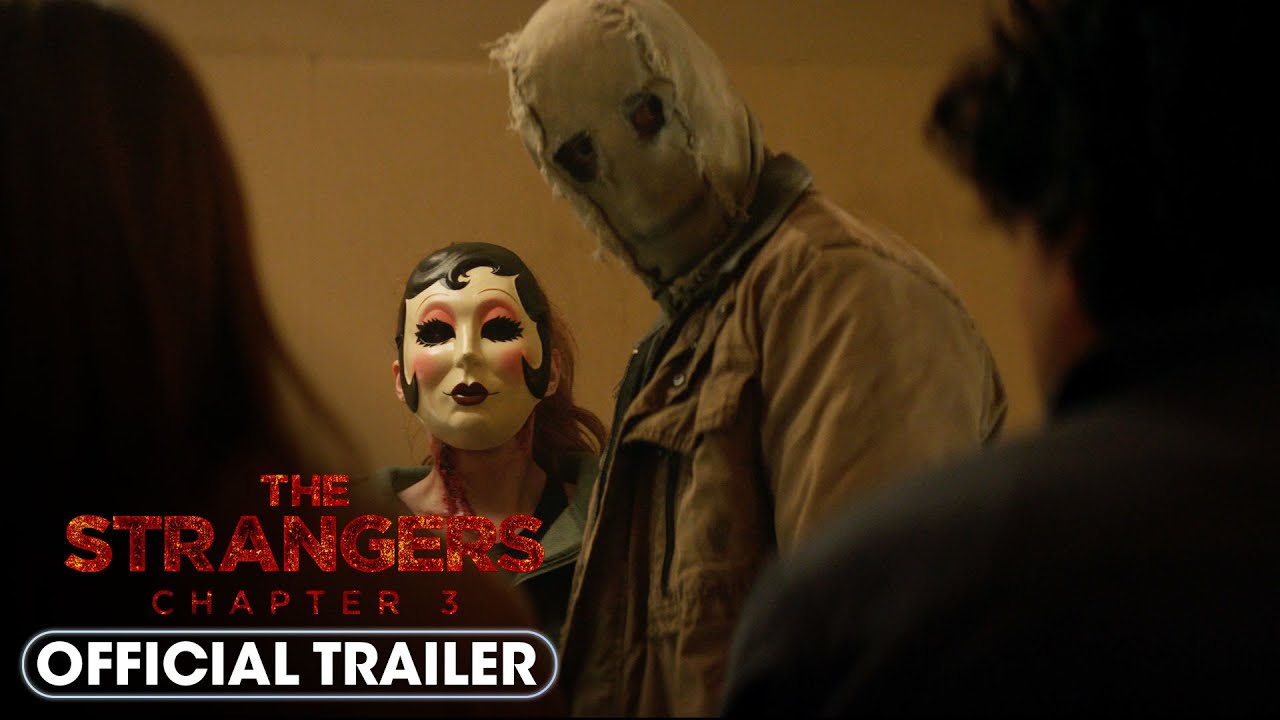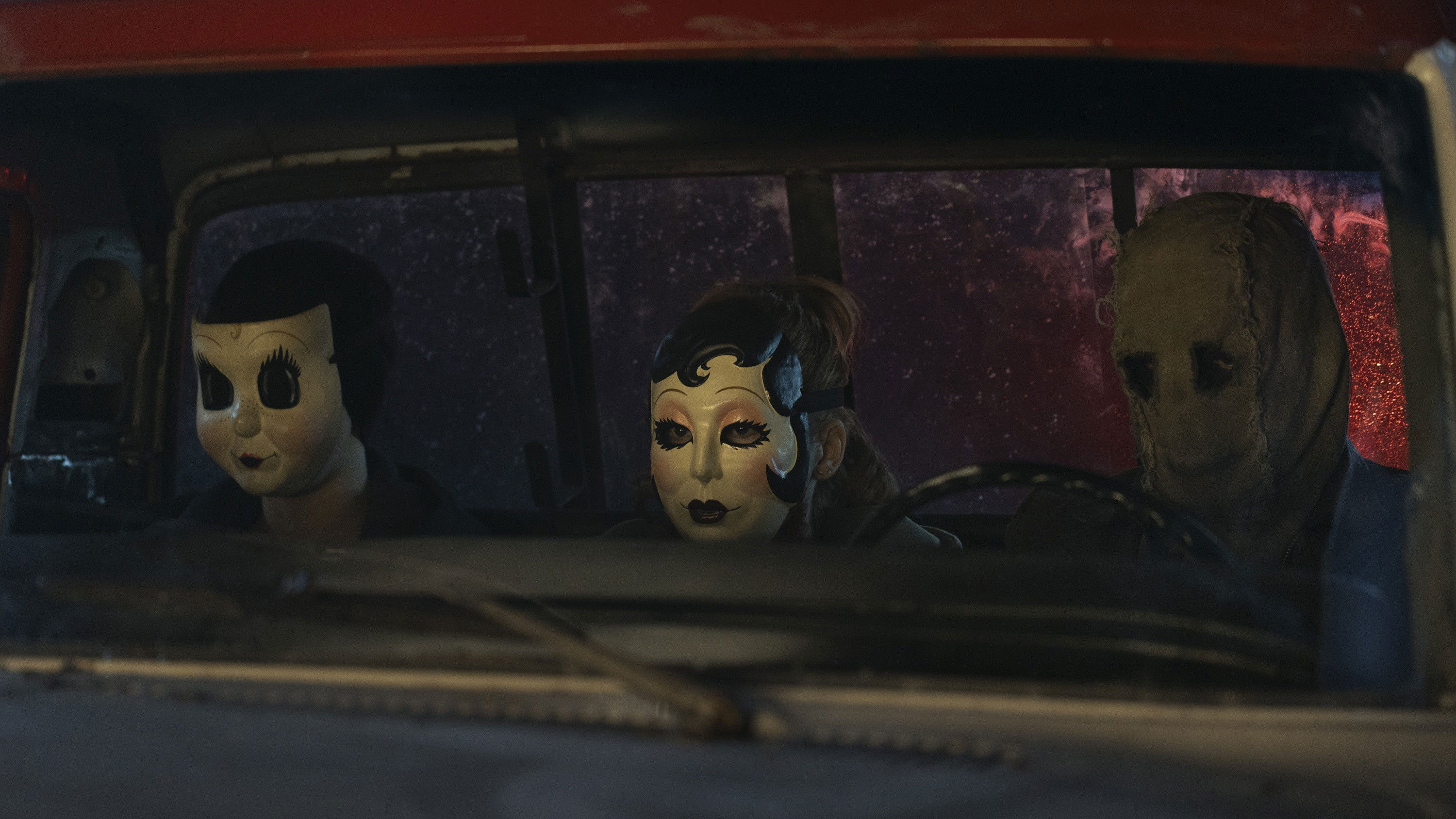
There’s something genuinely intriguing about the Strangers franchise heading into its final chapter. With The Strangers: Chapter 3 scheduled to release on February 5, 2026, we’re approaching what feels like a genuine culmination of a horror reboot that’s already managed to capture audiences’ attention in unexpected ways. The premise is deceptively simple—masked intruders, isolated victims, psychological terror—but director Renny Harlin is stepping in to conclude this trilogy with what appears to be a deliberate shift toward answering the questions the previous films have dangled before us.
What makes this third installment particularly worth paying attention to right now is the creative team assembling behind it. Harlin, known for his explosive action sensibilities (Cliffhanger, Deep Blue Sea), brings a very different directorial voice to the horror genre than we might expect. Pairing him with Madelaine Petsch, Richard Brake, and Rachel Shenton suggests the filmmakers are committed to performances that ground the terror in genuine human vulnerability rather than just surviving jump scares.
The tagline—”Embrace your fears”—hints at something deeper than simple slasher mechanics, promising an exploration of what these confrontations actually mean to the survivors caught in them.
The production itself carries weight worth acknowledging. This isn’t some low-budget direct-to-streaming affair. Lionsgate, Fifth Element Productions, Lipsync Productions, Sherbone Media, and Stream Media have collectively invested in bringing this to the screen, which speaks to genuine confidence in the material. The budget remains undisclosed, which is actually refreshing in an era of transparent production financing—it keeps some mystery alive.
Here’s what the Strangers franchise has accomplished that deserves recognition:
- Revitalized a dormant concept into something audiences actually want to see
- Proven there’s sustainable interest in serialized horror beyond jump scares
- Created economic viability for the streaming/theatrical hybrid model in horror
- Attracted legitimate directing talent to conclude the story properly
The previous installments have already generated impressive box office conversations. The Strangers: Chapter 1 opened with a domestic opening weekend of $12.3 million, establishing the franchise as a genuine commercial draw. Analysts are projecting that Chapter 3 could potentially become a Q1 breakout hit, with estimates suggesting an opening weekend between $5–$10 million. Now, those numbers might seem modest compared to tentpoles, but for a horror film in February—historically one of cinema’s graveyard months—it’s a legitimate indicator of audience investment.
What’s particularly interesting about this finale is how it’s choosing to conclude things. According to available plot details, this chapter promises to finally illuminate the secrets jeopardizing the survivors’ lives, exploring that blurred boundary between reality and genuine peril that the first two films have been building toward. This suggests the filmmakers aren’t just coasting through a trilogy—they’re attempting to genuinely resolve the narrative threads they’ve woven.
Let’s talk about the cast for a moment. Madelaine Petsch brings considerable presence from her work in television and her growing film career. Richard Brake is a character actor with genuine range—he’s played everything from menacing villains to complex antiheroes. Rachel Shenton, meanwhile, offers a different kind of intensity. What these three actors share is a commitment to performance depth that suggests this finale wants to be more than spectacle.
The 92-minute runtime is telling. This isn’t bloated. It’s lean, which in the horror genre often means something close to efficient—every scene earning its place.
Renny Harlin’s involvement remains the most unpredictable variable, and that’s actually exciting. He’s not someone we typically associate with slow-burn psychological horror. His filmography is populated with kinetic action sequences, practical effects work, and a certain operatic sensibility. What could he bring to a Strangers film that feels genuinely different? Potentially a sense of physical geography and spatial clarity that many modern horror films sacrifice for atmospheric murkiness. Harlin’s strength has always been making you understand where characters are and what their options are—which paradoxically makes it more terrifying when those options collapse.
As we approach the February 5, 2026 release date, it’s worth considering what this franchise means for contemporary horror cinema more broadly. We’re living in an era where horror remakes and reboots are often dismissed reflexively, where sequels are assumed to be cash grabs rather than artistic endeavors. The Strangers trilogy, by contrast, seems to have earned its continuation—each chapter arriving because there were genuinely more stories to tell, not just more money to extract.
The fact that no critical consensus exists yet (the film carries a 0.0/10 rating simply because it hasn’t yet released) is actually freeing. We’re not walking into Chapter 3 with predetermined expectations shaped by reviews. Instead, we have anticipation built on genuine curiosity about how Harlin will stick the landing on a franchise that’s somehow convinced audiences to care about masked strangers and isolated victims over the course of three films.
When February 5, 2026 finally arrives, The Strangers: Chapter 3 will either prove that this franchise had somewhere genuinely meaningful to go, or it will demonstrate the limits of extending a concept beyond its natural lifespan. Either way, it’s a film worth watching unfold—not because it’s guaranteed to be great, but because it’s asking interesting questions about survival, fear, and what we actually owe our audiences when we return to tell them one final story.