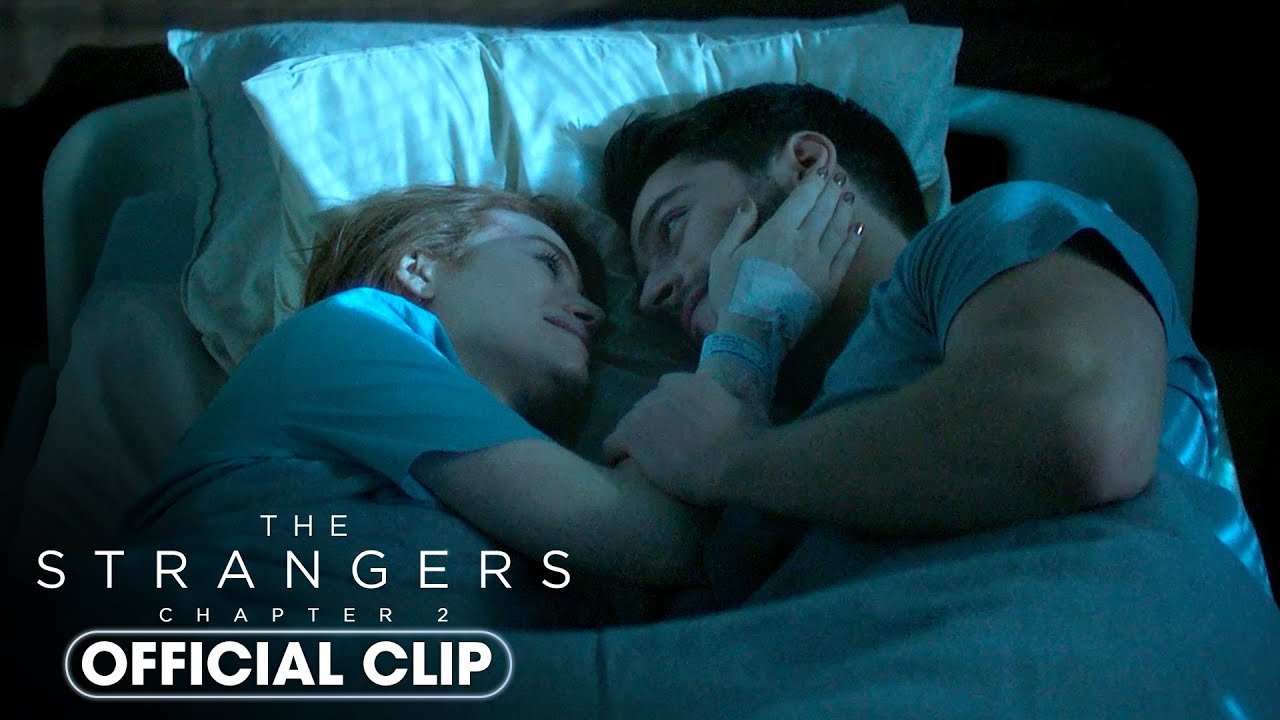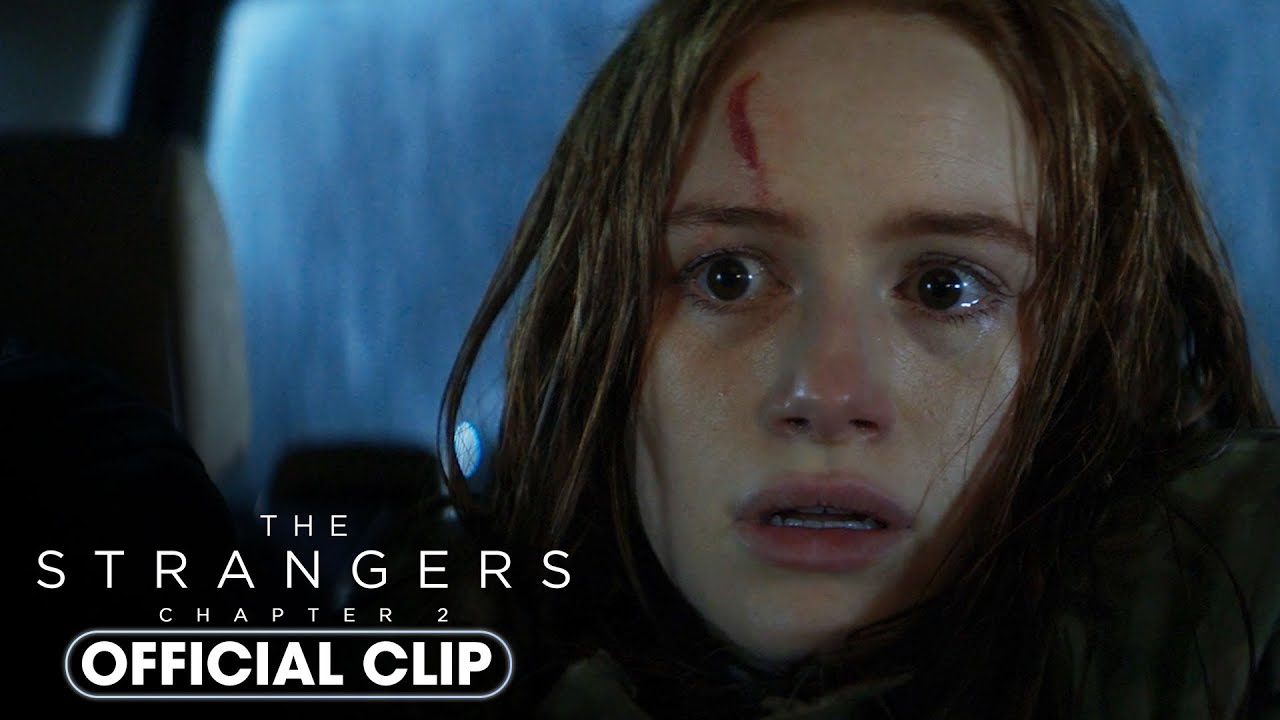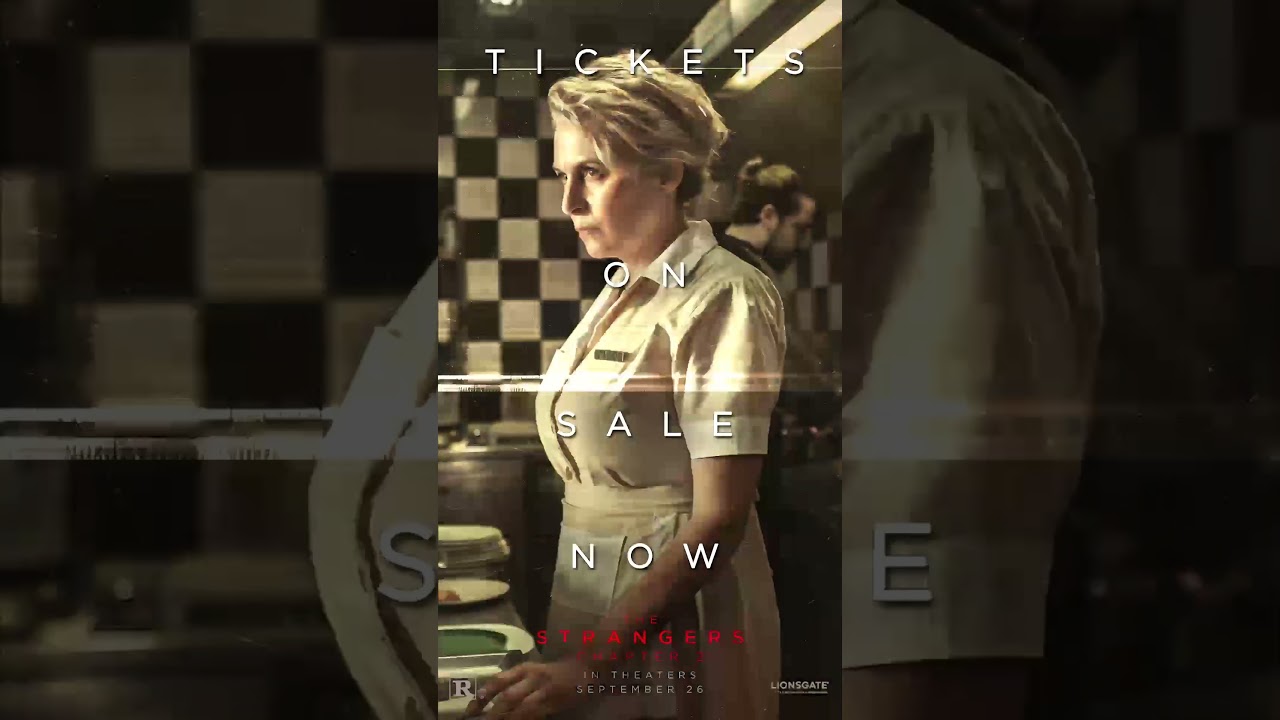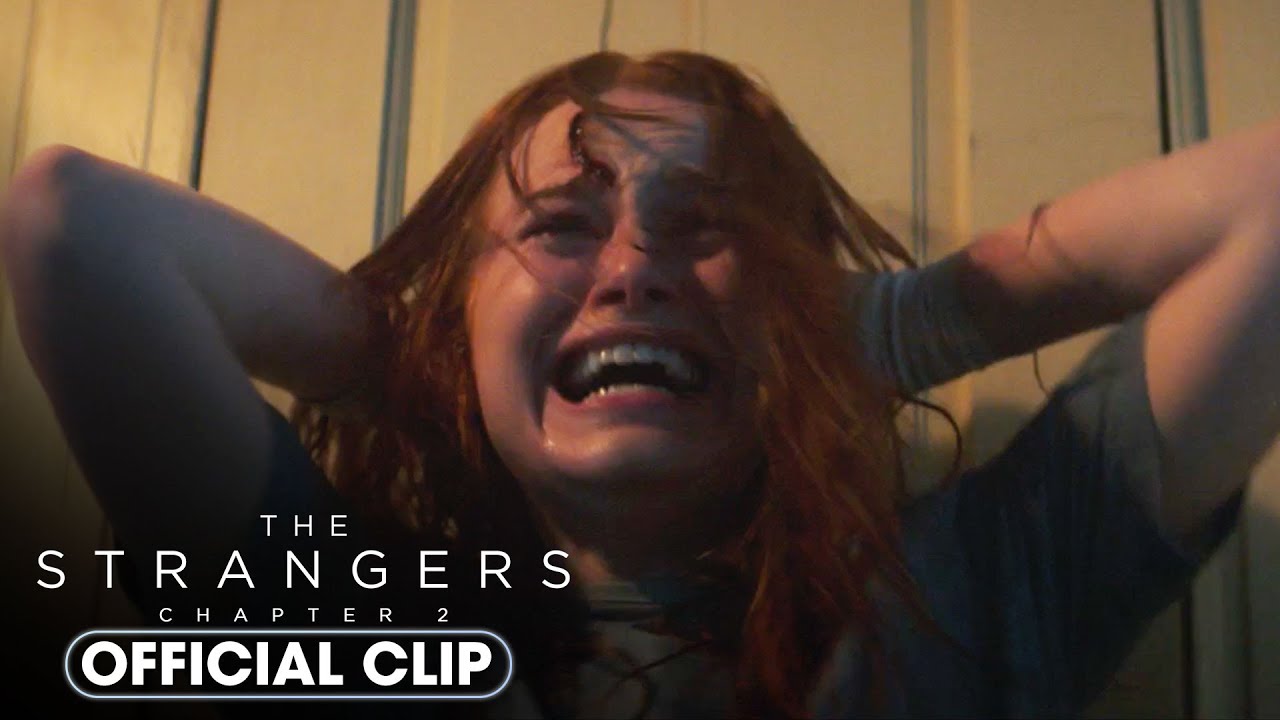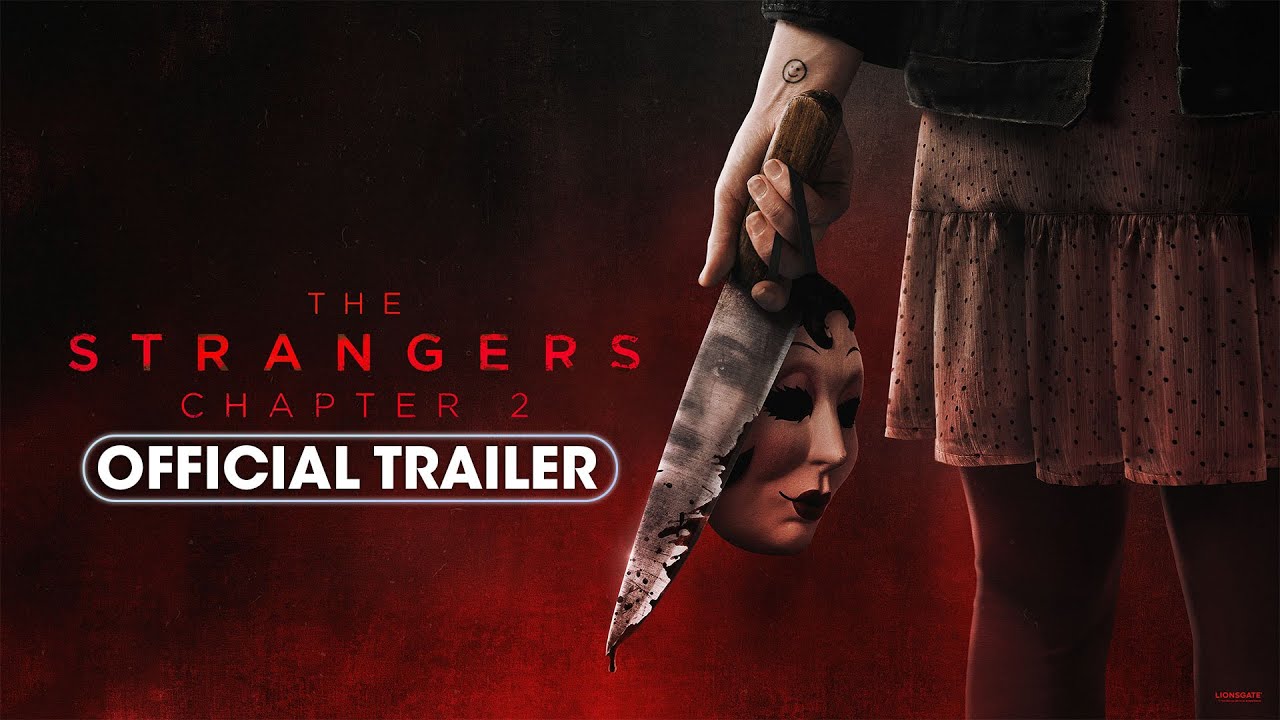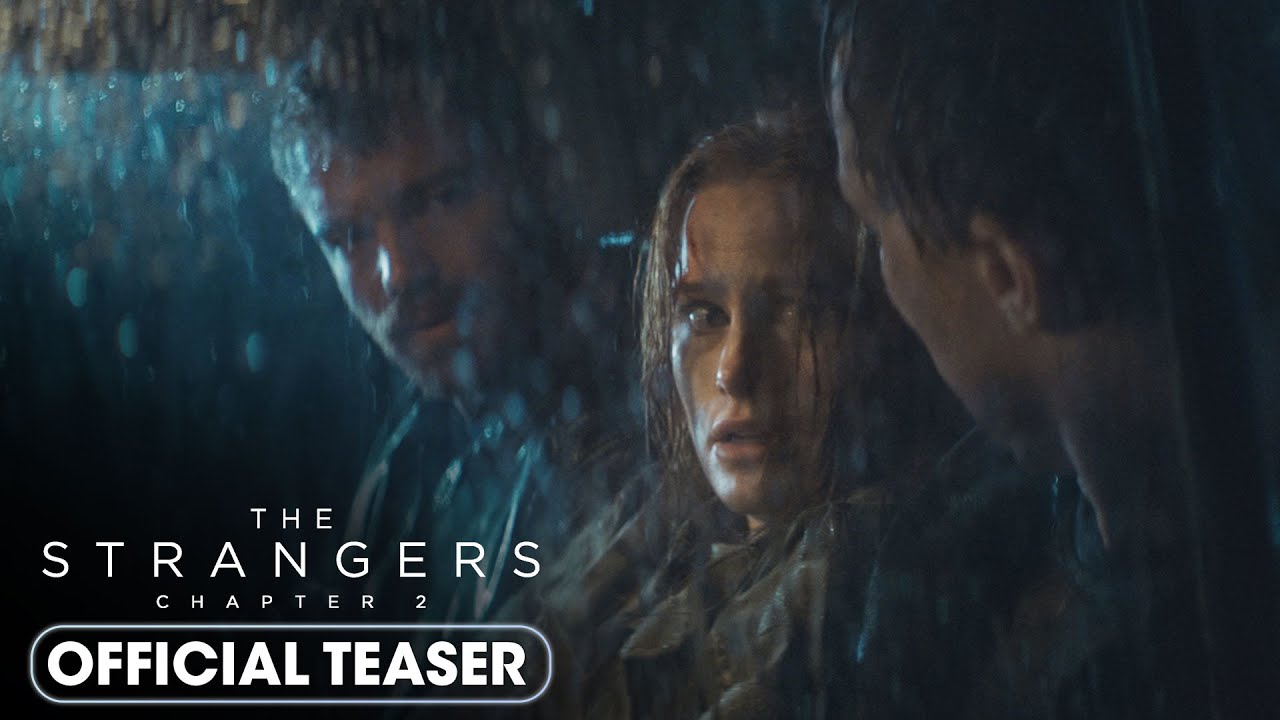
When The Strangers: Chapter 2 premiered on September 25, 2025, it arrived at an interesting moment for the horror-thriller landscape. Director Renny Harlin took the helm of this follow-up with what felt like a mission: prove that legacy sequels could matter beyond nostalgia. What’s remarkable isn’t just that the film turned an $8 million budget into nearly $22 million at the box office—it’s that it managed to resonate with audiences in a way that suggested people still cared about this particular corner of the horror universe.
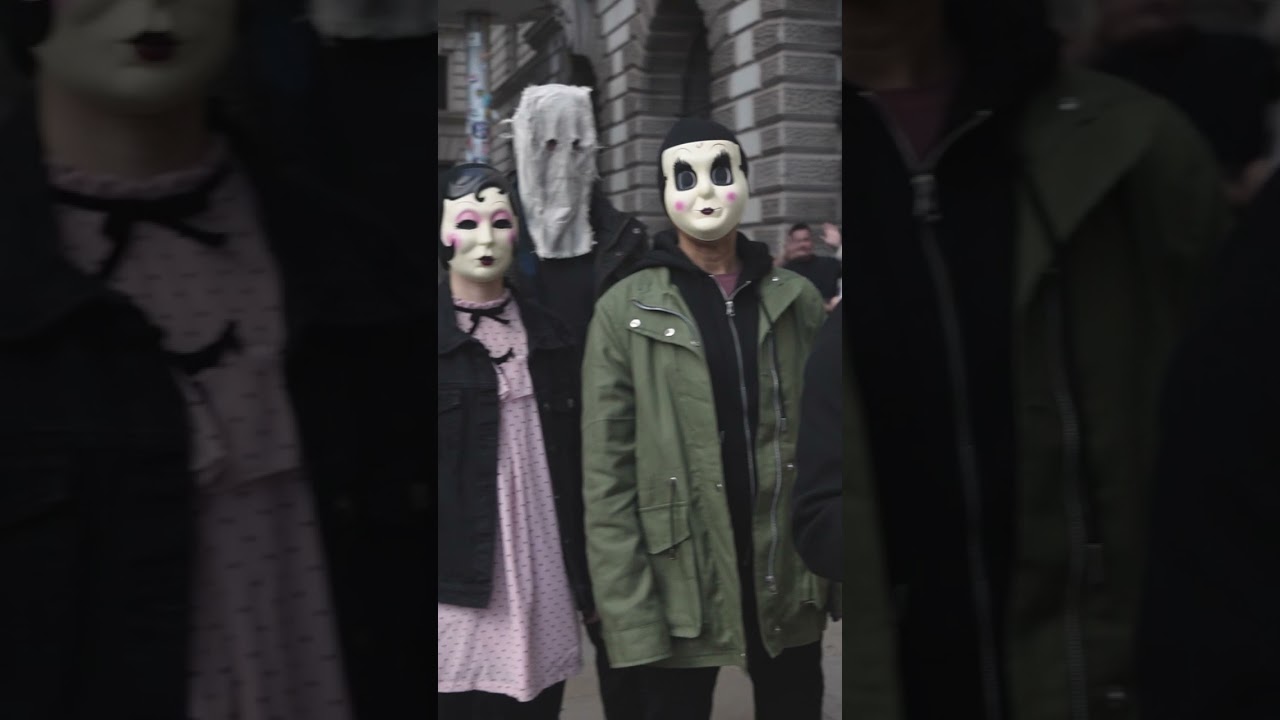
The original Strangers films built their reputation on a deceptively simple premise: ordinary people, extraordinary terror. There’s something deeply unsettling about home invasion narratives, and the franchise had always understood that the masks, the silence, the randomness of violence—these elements work because they tap into universal anxieties. Harlin inherited that DNA and seemed determined to evolve it rather than simply repeat it.
> “Survival was just the beginning.”
That tagline tells you everything about where Harlin wanted to take the story. This isn’t a retread of the original’s confined terror. Instead, it expands the universe, suggesting that the real horror might be what comes after you’ve already survived once. It’s a clever narrative approach that acknowledges the audience’s familiarity with the franchise while promising something different.
The Creative Vision
What Harlin brought to this project was evident in every frame’s deliberate pacing. The 1 hour 38 minute runtime is refreshingly tight for modern horror—no bloat, no unnecessary exposition, just propulsive tension. He understood that in an era where audiences have seen countless jump scares and fake-outs, the real currency is sustained dread. The film moves with purpose, and that focused energy keeps viewers off-balance.
Madelaine Petsch carried the film as the lead, bringing a lived-in quality to a character dealing with genuine trauma. She wasn’t playing a victim in the traditional sense; instead, Petsch portrayed someone wrestling with the psychological aftermath of violence. That’s harder to do than it sounds. Alongside her, Froy Gutierrez and Gabriel Basso provided solid ensemble support, creating the kind of character dynamics that made you actually care whether these people would make it out.
The collaboration between these actors felt genuine rather than forced. There’s a chemistry that suggests Harlin had done the work in pre-production—building relationships, letting actors inhabit their roles fully. In horror, credible human moments are what make the terror land. These three understood that assignment.
Box Office Reality and Critical Reception
The film’s financial performance deserves examination. An $8 million budget is modest by contemporary standards, yet it generated nearly three times that in box office revenue. In the streaming era, when horror has increasingly migrated to television and digital platforms, theatrical releases need to prove their worth. The Strangers: Chapter 2 made that case convincingly, suggesting that audiences still valued the communal experience of watching a high-quality thriller on the big screen.
The critical reception—a 6.1/10 rating from 216 votes—presents an interesting paradox. That’s solidly mixed, neither a critical darling nor a disaster. What this score really reflects is honest disagreement about the film’s ambitions. Some critics found it a worthy continuation that understood the assignment; others felt it lacked the raw innovation of the original. Neither camp was entirely wrong. The truth, as is often the case, lived somewhere in the middle.
What Made It Resonate
Several elements worked in the film’s favor:
- Thematic depth: Rather than just repeating “home invasion = scary,” the film explored how violence ripples through communities and psyches
- Genre craft: Harlin’s years of action and thriller experience showed in clean, intelligible cinematography and editing
- Performances that grounded the material: The cast treated the scenario with dramatic seriousness rather than campy self-awareness
- A lean structure: Every scene had purpose; nothing felt like filler
The production—involving Sherborne Media, Lipsync Productions, Stream Media, Fifth Element Productions, and Lionsync—represented a fairly complex consortium of studios and producers. That kind of collaboration sometimes leads to creative compromise, yet in this case, it seemed to work. Multiple stakeholders didn’t dilute the vision; they apparently supported it.
Cultural Longevity
Where The Strangers: Chapter 2 claims its significance is in understanding what audiences wanted from horror-thrillers in the mid-2020s. This wasn’t the era of elevated horror or meta-commentary—those trends had peaked. Instead, viewers were seeking solid, competent filmmaking in service of genuine tension. Harlin delivered that.
The film’s influence on subsequent releases became quietly apparent. You started seeing more horror sequels that took their narratives seriously, that expanded thematic territory rather than just retreading familiar ground. The Strangers: Chapter 2 wasn’t revolutionary, but it was proof of concept: legacy sequels could work if they understood why people cared about the original material in the first place.
What endures about this film is its refusal to treat its audience as nostalgic fools. It asked people to come back to this world because there was more story worth telling, more terror worth experiencing. Whether you found it satisfying or frustrating likely depends on what you personally sought from contemporary horror cinema. But that it succeeded in creating substantive conversation—that matters more than any single critical score ever could.