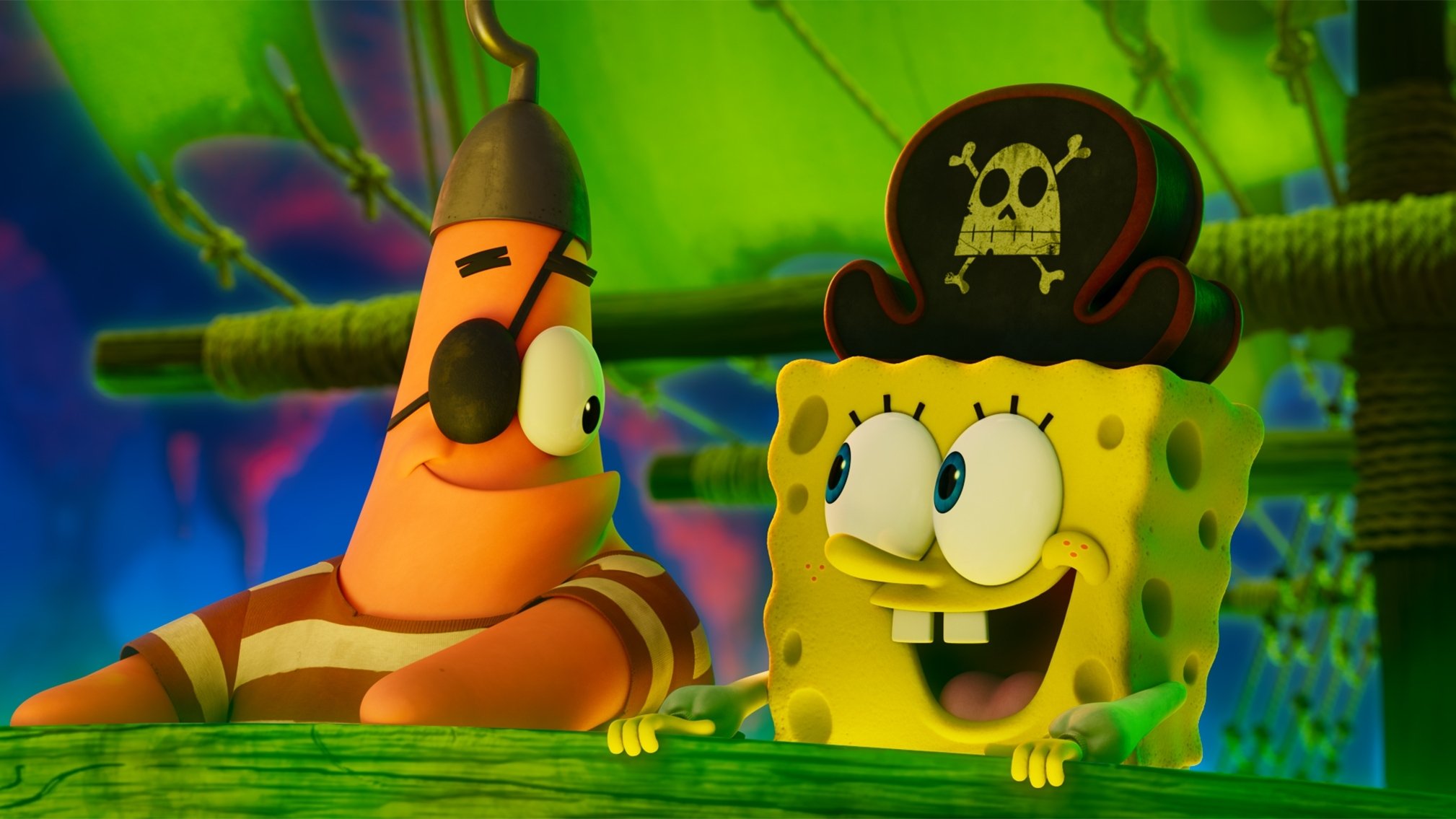
When The SpongeBob Movie: Search for SquarePants premiered in December 2025, it arrived at a fascinating inflection point for the SpongeBob franchise. Here was a property that had already dominated animation for over two decades, yet still felt compelled to ask a fundamental question: what do we do when the character we’ve built everything around goes missing? It’s a deceptively clever premise that manages to be both a love letter to the source material and a genuine departure from what audiences expected. The film wasn’t just another SpongeBob adventure—it was a reckoning with what the franchise means and where it could go next.
The numbers tell an interesting story about how audiences responded to this gamble. With a $64 million budget, the film crossed $133 million globally, which represents a solid double on investment. More tellingly, it surpassed the original SpongeBob SquarePants Movie from 2004, a landmark achievement that signals the franchise’s evolution rather than its decline. That said, the critical reception of 6.5/10 suggests there’s an interesting gap between what general audiences enjoyed and what critics felt about the execution—a tension worth examining rather than dismissing.
Director Derek Drymon steered this production with the wisdom of someone who understands SpongeBob’s DNA deeply. Drymon isn’t an outsider brought in to “modernize” or “gritty-fy” the property; he’s a veteran who knows what makes these characters tick.
That matters tremendously because SpongeBob stories live or die based on whether they respect the emotional core beneath the absurdist humor. The 1 hour 28 minute runtime was deliberately lean, a choice that reflects confidence in the story rather than padding.
What made the casting and voice work particularly resonant:
- Tom Kenny returned as SpongeBob, carrying the weight of absence rather than presence—a technically challenging role that required him to anchor scenes where his character wasn’t even on screen
- Clancy Brown brought gravitas as always, lending legitimacy to whatever character he inhabited in the narrative
- Rodger Bumpass reprised his iconic role, maintaining the vocal continuity that fans depend on for authenticity
- The ensemble remembered that SpongeBob’s world works best when every voice feels lived-in and genuine
The real achievement here isn’t that the film exists—it’s that it asked permission to tell a different kind of story while keeping the spirit intact.
The production involved multiple studios working in coordination: Paramount Animation, Nickelodeon Movies, Domain Entertainment, MRC, and Reel FX Creative Studios. That’s not a small list, and it speaks to the film’s ambitions and complexity.
Having that many creative entities involved could have resulted in dilution, but instead the film maintained a coherent vision. That’s either remarkable filmmaking or exceptional project management—likely both.
What the film achieved in its theatrical run demonstrates something worth considering about franchise filmmaking in the 2020s. It wasn’t the highest-grossing animated film of the year, and it didn’t receive universal critical praise, yet it accomplished something rarer: it gave audiences a reason to care about a character they already knew.
The premise of searching for SpongeBob forced the narrative to explore what he means to everyone around him—his friends, his enemies, his world itself. That’s surprisingly mature thematic territory for what’s ostensibly a children’s comedy.
The cultural impact remains unfolding, but several elements suggest this film will have more staying power than its initial critical reception implies:
- It established a narrative precedent for how SpongeBob stories can operate beyond simple episodic adventures
- It proved the character could sustain a feature-length film structured around his absence rather than just his antics
- It demonstrated that legacy franchises can take creative risks without completely alienating their core audience
- It showed that box office success doesn’t require universal critical approval in the streaming age
The runtime deserves another mention because it’s genuinely uncommon in modern animated features. Most studios would stretch a 1 hour 28 minute story to 1 hour 45 minutes through padding. Drymon’s team didn’t. That suggests confidence in the narrative and respect for the audience’s attention span—a philosophy that feels increasingly countercultural.
Critics gave it 6.5/10, but audiences brought it to $133 million. That discrepancy isn’t always a failure of criticism; sometimes it’s a failure of expectation.
Looking back at this film from the vantage point of 2025’s holiday season releases, The SpongeBob Movie: Search for SquarePants occupies an interesting space. It’s not a masterpiece that will be taught in animation schools, but it’s also not a cynical cash grab.
It’s a genuinely sincere attempt to evolve a beloved character while maintaining the fundamental goodwill that audiences have invested in him over two decades. The film respects that investment, which might be the most important thing any franchise film can do.
What endures about this project isn’t just the box office success or the critical score—it’s the fact that it asked a question that mattered. In searching for SpongeBob, the film asked audiences to ask themselves why they cared. That’s the kind of thematic work that keeps films relevant long after their theatrical runs end.