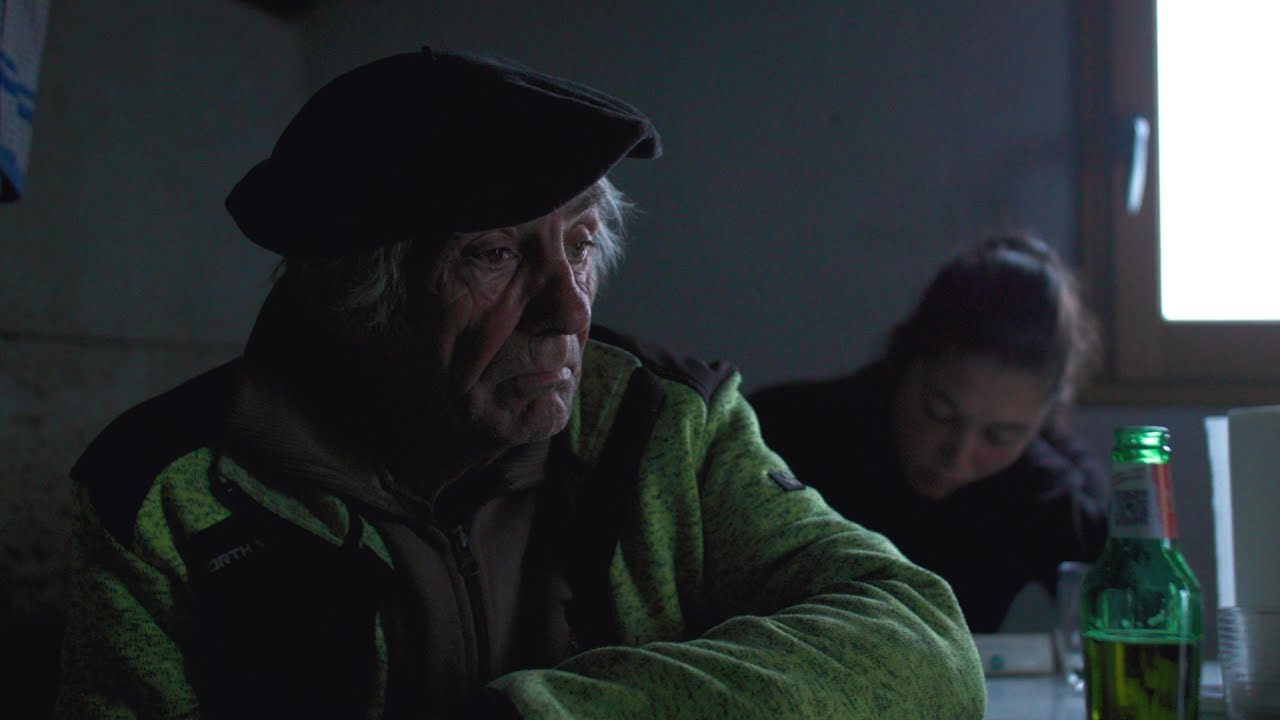
There’s something special happening with Max Keegan’s The Shepherd and the Bear, and it’s the kind of quiet momentum that reminds you why documentary filmmaking still matters. This isn’t a project that’s trying to grab headlines with celebrity drama or blockbuster spectacle—it’s generating genuine excitement through the strength of its vision, the caliber of its distribution deals, and the critical recognition it’s already receiving before its theatrical release on February 6, 2026.
What’s particularly striking is how this film is gaining traction across multiple territories and festival circuits. It made waves at the International Documentary Festival Amsterdam (IDFA), which has become one of the most prestigious launching pads for docs that actually say something. The fact that it’s already been acquired for distribution in the UK-Ireland, France, and the US suggests that people who really know documentaries—seasoned distributors with refined taste—see something substantial here. This isn’t random festival buzz; it’s the kind of strategic recognition that builds lasting cultural impact.
The production journey itself tells you something about the film’s ambitions. Consider what Keegan has assembled around this project:
- A powerhouse coalition of studios: Pinky Promise, Willa, Impact Partners, and Mile End Films working together suggests this is a serious, well-funded endeavor with multiple stakeholders believing in its message
- Strategic US distribution through Willa: Rolling out across theatrical, mountain communities, rural venues, and agricultural regions signals intentional placement—they’re bringing this film directly to communities most likely to engage with its subject matter
- International festival prestige: Playing at Camden International Film Festival and earning BIFA recognition demonstrates cross-border critical respect
- Theatrical commitment: Starting with a special qualifying run at Cinema Village in New York on November 21 shows they’re treating this with the ceremonial weight documentaries deserve
This is the approach of filmmakers and distributors who understand that documentaries aren’t just films—they’re conversations. They’re trying to reach people, not just audiences.
What makes Keegan’s approach particularly refreshing is the apparent focus on non-traditional screening venues. In an era where documentary cinema often feels trapped between festival circuits and streaming platforms, the deliberate choice to bring The Shepherd and the Bear to rural and agricultural communities feels genuinely progressive. It suggests the filmmaking team understands their subject matter deeply enough to know where this story needs to be seen.
The subject itself—an ursine rewilding program—positions this film at an interesting intersection of contemporary concerns. We’re living through a moment where human-wildlife relationships are being fundamentally reconsidered. Climate change, habitat loss, and the ethics of conservation are no longer abstract academic discussions; they’re lived realities affecting real communities. A documentary that explores bears and shepherds isn’t just about animals—it’s about how we coexist on a changing planet, about the tension between traditional ways of life and environmental protection.
What’s particularly compelling about Keegan’s apparent approach is the simplicity of the framing. A shepherd and a bear. Two figures. This kind of intimate scale, focused on human stories rather than sweeping nature footage, suggests a documentary interested in complexity rather than easy answers. It’s not about demonizing anyone or valorizing nature above human needs; it’s about understanding the actual lived experience of people navigating these tensions.
The collaborative nature of the production team behind this film speaks volumes about its ambitions:
- Artistic vision: Keegan directing suggests a singular creative perspective steering the project
- Production scale: Multiple major studios investing indicates sufficient resources for proper filmmaking and distribution infrastructure
- Global reach: The early acquisition deals in multiple regions show international appeal that transcends cultural boundaries
- Thematic resonance: The filmmaking team clearly believes this story speaks to urgent contemporary conversations
The absence of a rating (0.0/10 with zero votes) makes sense—this is pre-release material building anticipation, not yet available for public scoring. That will change once February arrives.
What’s worth noting is how The Shepherd and the Bear represents a particular moment in documentary cinema. We’re past the era where docs needed to choose between art and activism, between beautiful cinematography and urgent messaging. The best contemporary documentaries hold all of these elements simultaneously. Keegan seems to understand this balance—bringing together the commercial infrastructure and international reach of major studios with the artistic credibility of festival recognition.
The timing of the February 2026 release feels deliberate as well. Winter is when agricultural and rural communities often have more time for cultural engagement. It’s also positioned early enough in the year to build momentum through spring and into film festival season, where documentaries often resurface. This isn’t accidental scheduling; it’s the work of people who understand distribution strategy.
As we move toward the February 6, 2026 theatrical release, what feels most important about this film isn’t whether it will be profitable or popular in the traditional sense. What matters is that it represents filmmakers and distributors willing to take chances on intimate, complex stories about human-animal coexistence. In a media landscape often dominated by easy narratives and simplified conflict, The Shepherd and the Bear seems to be offering something more textured, more honest, and ultimately more necessary.