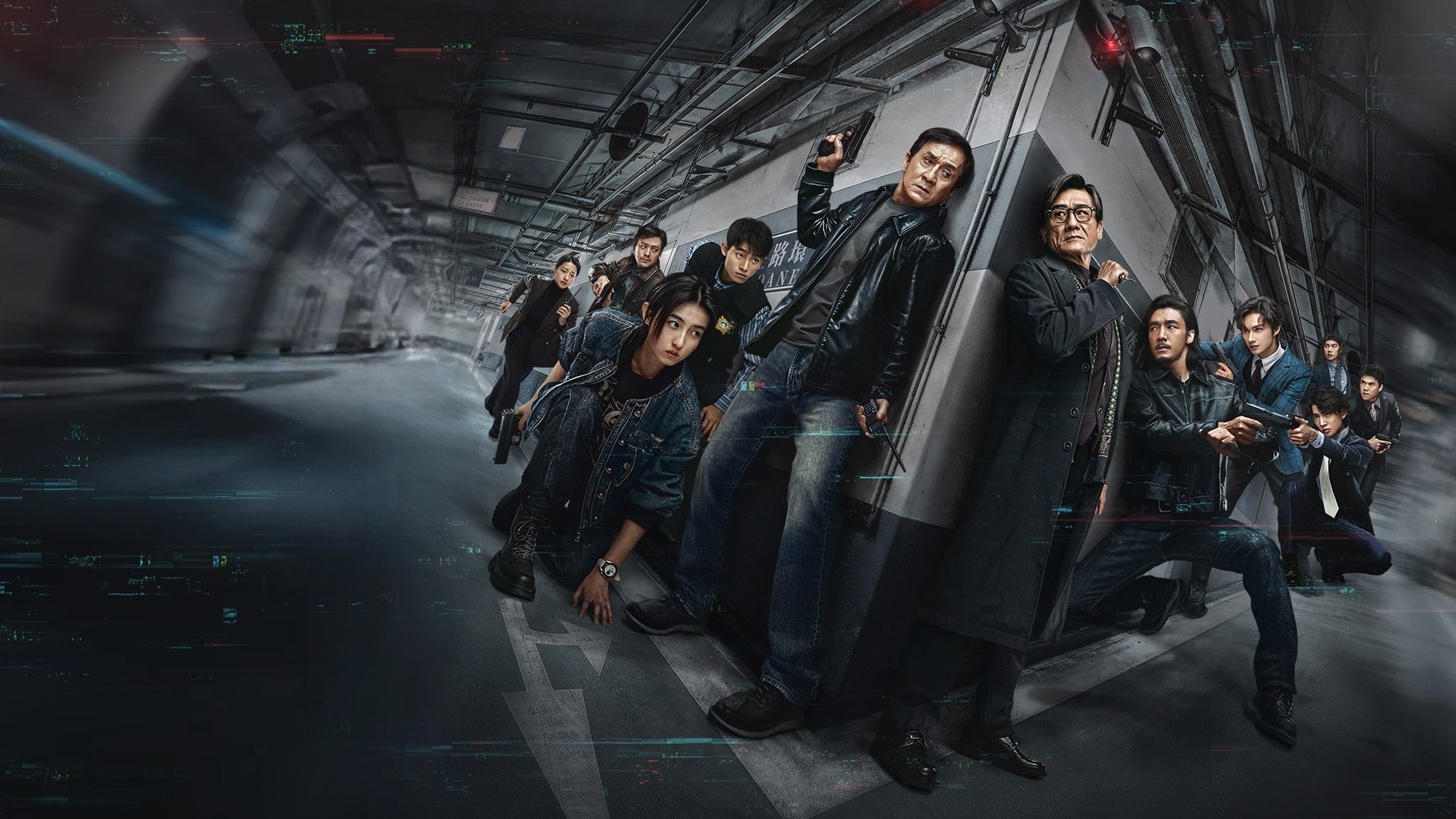
When The Shadow’s Edge premiered in August 2025, it arrived at a curious moment in action cinema. Here was Jackie Chan—a legend who’d spent decades defining what it means to blend martial arts with comedy, heart, and genuine danger—stepping into something darker, more measured, and undeniably mature.
Director Larry Yang Zi had crafted a film that felt less interested in proving anything and more interested in telling a story that actually mattered. For a movie clocking in at 2 hours and 22 minutes, that’s no small feat in an era of bloated spectacle.
The numbers tell part of the story. With a global box office haul of $174.4 million, The Shadow’s Edge didn’t just succeed—it dominated. The film became the highest-grossing Chinese film in Malaysia that year, accumulated over RMB 1.2 billion domestically, and even climbed to the top of the global box office charts by its third weekend.
These aren’t modest achievements. In an industry obsessed with franchise sequels and IP recognition, this crime thriller proved that audiences still hunger for original stories told with craft and ambition.
What makes this performance especially significant is that it happened without relying on established franchise loyalty or animated spectacle—just solid storytelling, exceptional casting, and a director with a clear vision.
The film’s premise is deceptively simple:
- A retired tracking expert from the Macau Police force is pulled back into active duty
- The target: a dangerous crew of professional thieves operating at the highest level
- The stakes: personal redemption, professional legacy, and the nature of obsession itself
But simplicity in concept often leads to depth in execution, and that’s exactly what Yang Zi delivered. By keeping the narrative focused and the runtime disciplined, the film never wastes a moment. There’s a precision to The Shadow’s Edge that feels almost mathematical—every scene builds toward something, every character interaction carries weight.
The casting choices reveal why this project resonated so deeply. Jackie Chan isn’t playing the flashy hero anymore; he’s the worn, world-weary professional pulled from retirement. It’s a role that demands vulnerability, and Chan—now in his seventies—brought a gravitas that transcended typical action movie tropes.
He wasn’t the star showboating; he was an actor inhabiting a complex character. Opposite him, Zhang Zifeng brought intelligence and moral ambiguity to what could’ve been a one-note antagonist role, while Tony Leung Ka-fai delivered the kind of supporting performance that elevates everything around it.
The chemistry between these actors created something rare:
- A heist film with genuine emotional stakes
- Action sequences that served character rather than spectacle
- A reflection on aging, legacy, and the cost of obsession
- Dialogue that trusted audiences to follow complex motivations
What’s particularly interesting is how The Shadow’s Edge navigated the expectations that come with a Jackie Chan vehicle. Western audiences might’ve expected explosive set pieces and winking humor.
Instead, Yang Zi crafted something more cerebral—a film where the tension builds through character interaction and strategic thinking rather than relentless action choreography. When action did arrive, it landed harder because it meant something to the story.
The film’s 7.0/10 rating on aggregated platforms might seem modest, but it reflects something important: this wasn’t a crowd-pleaser designed to appeal to everyone equally. It was a sophisticated thriller that demanded engagement.
The cultural impact of The Shadow’s Edge extended beyond box office numbers. The film’s success signaled something significant about the current state of Chinese cinema. It demonstrated that:
- International production partnerships (iQIYI Pictures, Tao Piao Piao, Hairun Pictures Company, Dong Fang Chen Xiang) could create films with genuine artistic merit
- Genre storytelling could achieve both commercial and critical legitimacy
- Veteran actors could anchor ambitious projects without relying on nostalgia
- Malaysian, regional, and global audiences were hungry for non-English language crime thrillers
The film’s strong online performance following its theatrical run—particularly through iQIYI‘s cross-platform distribution strategy—proved that the theatrical experience wasn’t the only measure of success.
It found new life in streaming ecosystems, reaching audiences who might’ve missed it in theaters. This hybrid approach to distribution became a blueprint for how prestige international films could maximize their reach.
Director Larry Yang Zi brought something often missing from contemporary action cinema: restraint. He understood that tension comes from what you don’t show as much as what you do. The cat-and-mouse dynamic between Chan’s character and the thief crew developed through investigation, dialogue, and psychological warfare rather than constant action set pieces.
This approach—rooted more in Michael Mann’s methodical thriller tradition than in conventional action filmmaking—felt refreshing and deliberate.
The film’s legacy continues to influence how filmmakers think about casting veteran actors in serious dramatic roles. The Shadow’s Edge proved that audiences don’t age out of meaningful cinema; they simply need stories worthy of their accumulated life experience.
It’s a lesson that resonates every time a younger director decides to greenlight a project built around an established actor stepping into complexity rather than comfort.
Nearly a year after its release, what remains most significant about The Shadow’s Edge isn’t that it made money—though it certainly did—but that it made choices. It chose maturity over pandering, craft over shortcuts, and storytelling over spectacle.
In a film landscape increasingly dominated by algorithmic greenlit content, that kind of intentionality matters. It reminds us why cinema, at its best, remains an art form worth investing in.